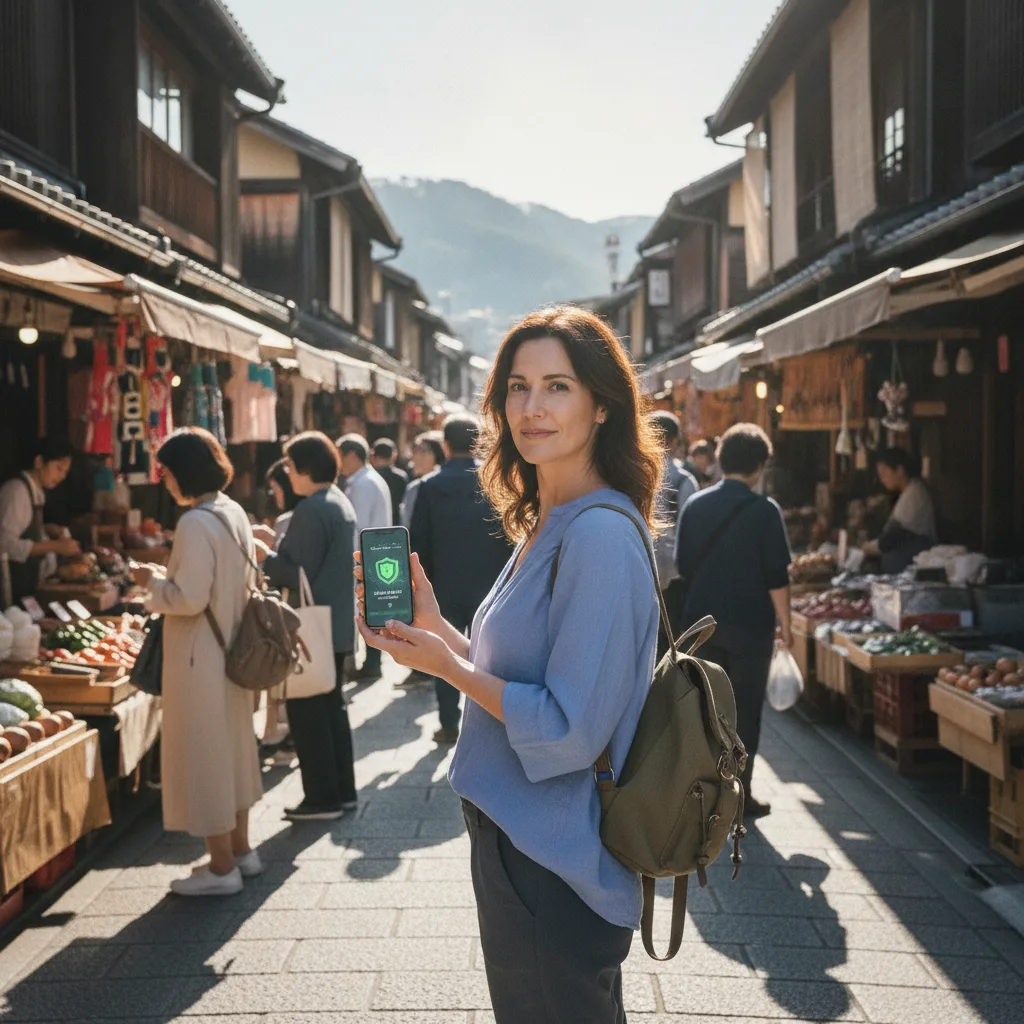
78% of Women Travel Solo by 2025: Your Essential Safety Guide
By 2025, 78% of solo trips will be by women. Learn essential safety tips and preparedness strategies for independent female travelers worldwide.
Women traveling solo: a safety guide for 2025
By 2025, women will make up a very large 78% of all solo trips, according to Booking.com. This is more than a trend; it shows a strong move towards independence. This freedom brings an important need for smart safety. Risks exist globally, from small thefts to more serious dangers. Being prepared is necessary.
Women choose solo trips for independence, learning about cultures, and personal growth. This change has reshaped the travel industry. It has also created new challenges. Travelers must stay alert and make smart decisions. The World Tourism Organization (UNWTO) tracks these patterns. Their 2024 reports confirm a constant increase in independent travel among women. Destinations worldwide now offer services that cater to women. Even so, each traveler must take responsibility for her own safety.
Digital security and personal information safeguards
Cyber-attacks against travelers jumped 35% in 2024, Check Point Research reports. These attacks often steal personal data or money. Women travelers must make strong digital security a top priority before and during trips. A secure digital presence protects against identity theft and fraud.
Always use strong, unique passwords for all travel accounts. Turn on two-factor authentication (2FA) whenever possible. This adds an extra layer of security to email, banking, and social media. NordVPN’s 2024 cybersecurity report showed 2FA works well against common hacking attempts.
Public Wi-Fi networks are risky. They are often unencrypted and easy to spy on. Always use a Virtual Private Network (VPN) when connecting to public Wi-Fi. A VPN encrypts your internet traffic. It protects your data from interception. This is especially important for banking or sensitive communications.
Share travel itineraries sparingly on social media. Do not post real-time location updates. Such posts can accidentally signal an empty home or solo status, making you more vulnerable. The U.S. State Department advises against sharing travel plans publicly.
Keep digital copies of essential documents on a secure cloud service. This includes passports, visas, and insurance details. Store physical copies separate from originals. These backups are very useful if original documents get lost or stolen.
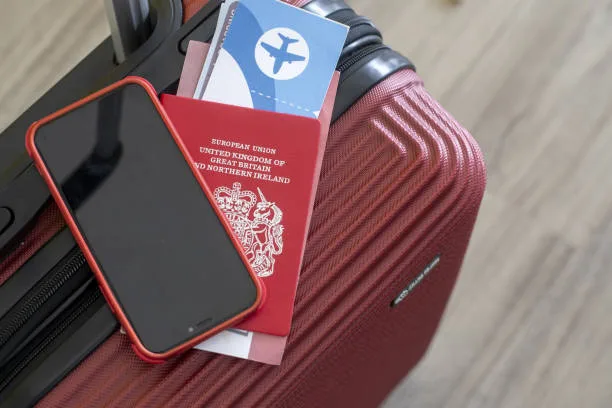
A passport is the most crucial document for international travel, serving as proof of identity and citizenship. For solo women travelers, keeping digital and physical backups in separate locations is a key safety measure, protecting against loss or theft. (Source: gettyimages.com)
Consider a secondary phone for travel, or a local SIM card. This keeps your personal contacts separate from travel communications. It also offers a disposable option for local interactions. Tech safety expert Jessica L. Davis recommends this plan for more privacy.
Research scams common in your destination. Many regions have specific digital and physical scams that target tourists. Knowing these tactics can prevent financial loss and distress. Online travel forums often list recent scam warnings.
On-ground safety: accommodation, transport, and public spaces
About 20% of incidents for solo female travelers happen in accommodation. This is from data by International SOS. Checking lodging choices is an important first step. Look for properties with good reviews, especially those mentioning solo female traveler safety.
Find places with 24-hour reception and secure access. Many hotels and hostels now offer female-only dorms or floors. This adds comfort and security. Websites like Hostelworld show these features.
Always make sure your room door has a working lock and a deadbolt. Carry a portable door lock for extra peace of mind. Travel safety kits often include these simple, effective devices. Small tools like these can stop unauthorized entry.
Choose trusted transportation. Use registered taxis or well-known ride-sharing apps like Uber or Bolt. Before getting in, verify the driver and vehicle match the app’s info. The Global Peace Index (GPI) often links lower crime rates with more regulated transport.
Avoid unlit or empty streets, especially at night. Stick to busy areas. Trust your gut. If a situation feels unsafe, leave immediately. Personal safety expert Carolyn P. Johnson says being aware of your surroundings is key.
Wear a cross-body bag or a money belt to secure valuables. Keep only necessary cash and cards accessible. Distribute your money in different places. This reduces loss if you meet pickpockets or muggers.
Research local emergency numbers before you arrive. Know how to contact police, medical services, and your embassy. Program these numbers into your phone. The U.S. Embassy website lists country-specific emergency contacts.
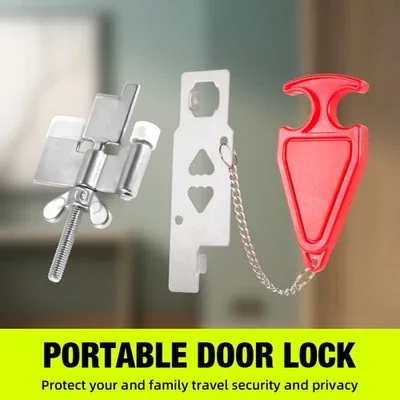
A portable door lock is a simple yet effective device that provides an extra layer of security for travelers, especially when hotel or hostel room locks feel insufficient. These small tools can be easily carried and installed to prevent unauthorized entry, offering significant peace of mind. (Source: ebay.com)
Do not display expensive jewelry or electronics. This can attract unwanted attention. Blend in with local dress and customs where possible. Looking less like a tourist can reduce your target profile.
When dining alone, pick visible, well-known places. Tell someone where you are. Many women travelers use apps to share their location with trusted contacts. This provides a safety net.
Cultural awareness and emergency preparedness
Misunderstanding local customs causes 15% of reported traveler discomfort. This is from a 2023 survey by the World Culture Guides. Respecting local norms is important for a safe journey. Researching cultural practices beforehand helps avoid accidentally offending anyone.
Understand local dress codes, especially for women. Some regions expect modest attire, particularly in religious sites. Following these norms shows respect. It can also prevent unwanted attention. Organizations like Women Welcome Women World Wide (WWWW) offer country-specific cultural information.
Learn basic phrases in the local language: “hello,” “please,” “thank you,” and “no.” This makes interaction easier. It also helps in emergencies. And it shows an effort to engage with the local culture. A simple “no, thank you” can stop persistent vendors.
Know the local rules for alcohol. Also understand cultural attitudes towards drinking. Public intoxication is illegal or strongly disapproved of in some countries. Always drink responsibly and be mindful of your surroundings. Never leave drinks unattended.
Register your trip with your country’s embassy or consulate. Services like the U.S. State Department’s Smart Traveler Enrollment Program (STEP) send alerts. They can also help in emergencies, natural disasters, or civil unrest. This is a crucial step that people often forget.
Buy full travel insurance. Make sure it covers medical emergencies, evacuation, trip cancellation, and theft. Carefully review policy details for any exclusions. Allianz Travel Insurance reports 1 in 6 travelers make an insurance claim annually.
Carry a personal safety alarm. These small devices emit a loud sound. This draws attention to you in an emergency. They are legal in most countries. A loud noise can startle an attacker and alert others.
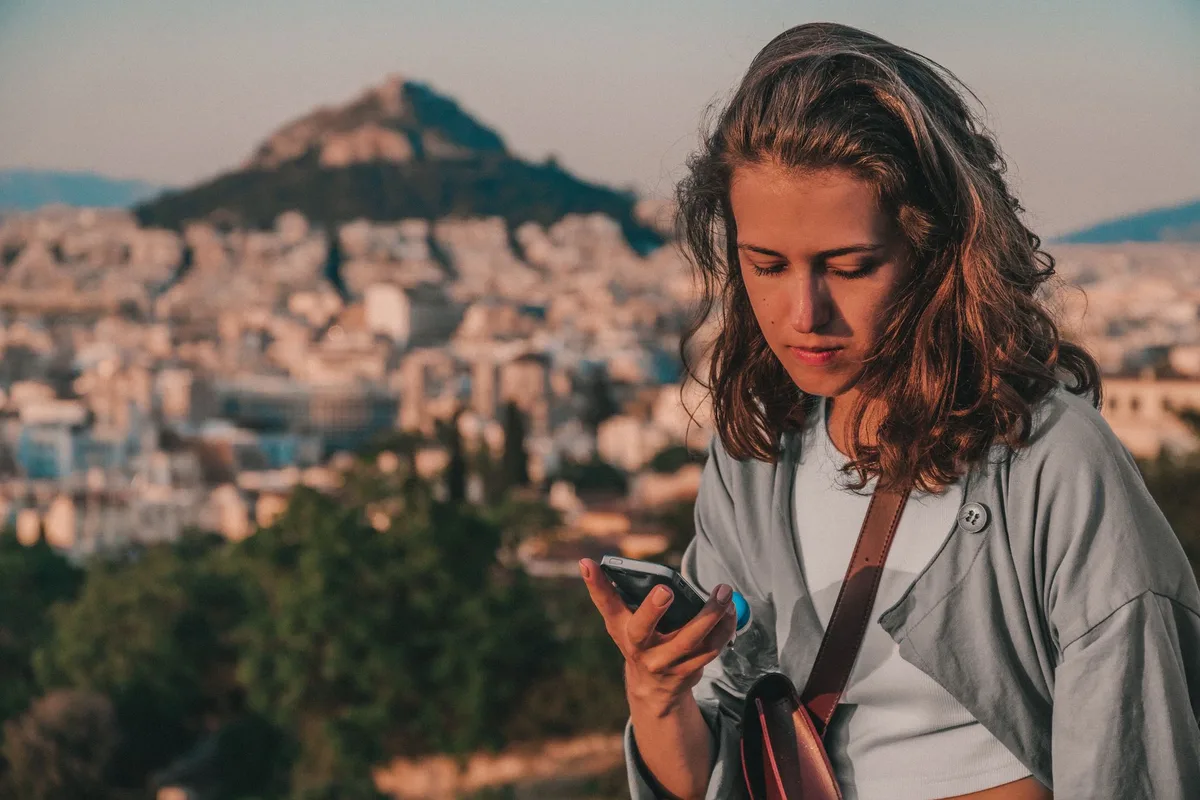
A personal safety alarm, like this compact device, is a small but powerful tool for solo travelers. When activated, it emits a piercing 130-decibel sound, designed to startle an attacker and draw immediate attention in an emergency. (Photo: Peter Chirkov, Pexels)
Tell family or friends your daily itinerary. Set up a check-in routine. Share your accommodation details and travel plans. This ensures someone knows your whereabouts. They can raise an alarm if you become unreachable.
Research local laws and penalties for common offenses. What is minor at home could mean severe penalties abroad. Ignorance of the law is not an excuse. Official government travel advisories list these specifics.
Always carry identification. A photocopy of your passport can work for daily outings. Keep the original secured. Be ready to show ID if authorities ask. This shows compliance and preparedness.
Changing safety tools and community support
Technology more and more helps women travelers. New apps and platforms offer real-time help and ways to connect. These tools greatly add to traditional safety measures.
Safety apps like Noonlight or bSafe let users discreetly trigger an alarm. They can also share live location with trusted contacts. These apps give immediate support in dangerous situations. Their link with local emergency services is growing.
Women-specific travel communities are growing online. Platforms like NomadHer and Solo Female Travelers offer places for advice and shared experiences. Travelers can ask questions, get recommendations, and even find companions. These communities offer strong peer support.
Many places now invest in “safe tourism” certifications. These programs ensure hotels and tour operators meet clear safety standards. They often train staff to spot and help travelers who are at risk. Research these certifications when you book.
Government advisories are getting more detailed and real-time. Travelers can subscribe to updates for specific countries or regions. These alerts give important information on political instability, health risks, and crime trends. Staying informed is a continuous effort.
Travel companies more and more offer women-only tours. These tours have clear safety rules and points to consider. They often include female guides and carefully planned trips. This option provides an organized, helpful setting for exploration.
Self-defense training is becoming more popular among women travelers. Basic self-defense gives confidence and practical skills. Many organizations offer short, intensive courses specific for travel. Knowing these techniques makes you feel in control.
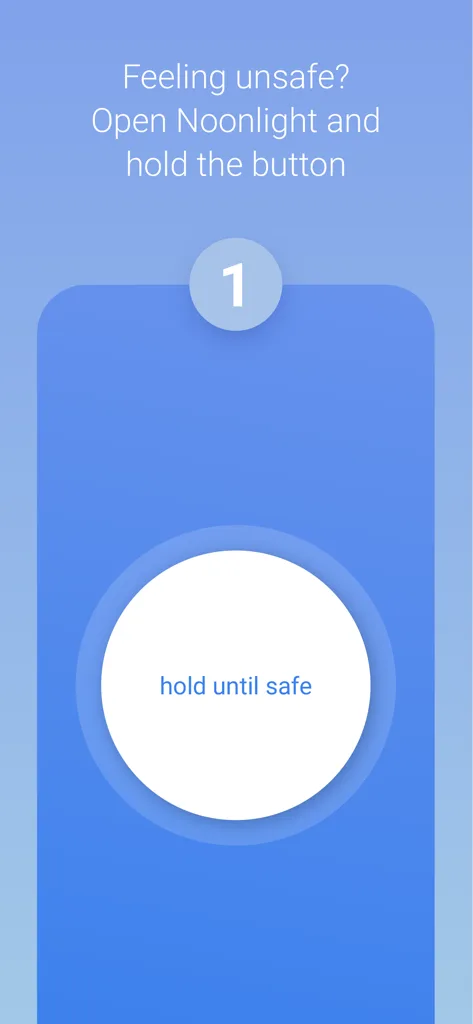
The Noonlight safety app, shown on a smartphone screen, allows users to discreetly trigger an alarm and connect with 911 dispatchers, providing immediate support in dangerous situations by sharing live location with trusted contacts. (Source: mwm.ai)
The push for responsible tourism also shows the importance of local control. Supporting ethical businesses helps create safer communities. Women-owned businesses often focus on safety and fair practices. This helps build a positive environment for everyone.
Looking ahead, artificial intelligence will likely improve safety advice made just for you. AI-powered tools could check your itinerary against real-time threat data. This will offer even more specific advice. Future travel safety will mix human awareness with new technology.
FAQ
Is solo travel riskier for women? Solo travel has special points to think about for women. But it isn’t necessarily riskier if you take proper precautions. Being aware, preparing, and making responsible choices reduce potential dangers. Many women find solo travel makes them feel strong and safe.
What are the safest regions for women travelers in 2025? Regions that always rank high for safety include Iceland, New Zealand, and Switzerland, according to the Global Peace Index. Countries in Scandinavia and parts of Western Europe also keep crime rates low. Personal safety varies by specific location within these regions.
How do I handle harassment abroad? Stay calm. Say “no” or “leave me alone” firmly. Get out of the situation quickly. If someone is persistent, ask for help from nearby authorities or trusted individuals. Report serious incidents to local police and your embassy.
Should I share my itinerary with anyone? Yes, always share your detailed itinerary with at least one trusted person at home. Include flight details, accommodation bookings, and planned activities. Set up a regular check-in schedule for added safety. This provides an important backup.

Artificial intelligence is set to transform travel safety by offering personalized advice and real-time threat assessments, allowing travelers to make informed decisions. These AI-powered tools can analyze itineraries against global safety data, providing crucial insights for a safer journey. (Source: safeharbors.com)
You might also like:
👉 Top 2026 Leadership Skills: Future-Proof Your Success & Career
👉 World’s Most Bizarre Traditions: Unveiling Humanity’s Quirky Customs