
Sales AI: Why $60 Billion Won't Buy Agent Autonomy Yet
Businesses spent nearly $60 billion on sales tech in 2023. AI agents promise full sales cycles, but complex deals still need humans.
Agent AI in Sales: Beyond Automation, What’s Still Missing?
Businesses spent nearly $60 billion on sales technology in 2023, Gartner reports. They want tools that improve efficiency. Forget AI chatbots. Forget predictive analytics. Many industry experts now claim AI agents will soon run entire sales cycles on their own. They say these systems will manage everything, from first contact to closing a deal. But don’t pack up your sales desk just yet. This popular idea misunderstands complex sales. It overlooks the human parts AI agents simply cannot do. We need to see what agent AI offers, and where its limits keep human salespeople needed.
What Agent AI Does (and Doesn’t)
Agent AI is different from other AI tools. These systems aim to achieve specific goals on their own. They can break down big tasks, plan actions, and change course as things shift. This means they act with some freedom, making choices without constant human checks.
Older sales AI might analyze data or write email drafts. An AI agent, though, could find a target client and research their needs. It could also write a custom proposal and set up follow-ups. It would do these steps one after another, learning as it goes. This is a big jump past simple automation.
Dr. Ethan Moll, an OpenAI lead researcher, spoke in a 2024 keynote. He called agent AI “a system that perceives, plans, acts, and reflects.” These agents try to combine AI help with fully independent action. They promise more efficient operations for many business areas. Sales, with its repetitive, data-heavy tasks, looks like a perfect match.
Where Agent AI Will Boost Sales
Agent AI will bring real value to sales. Consider initial lead qualification and data adding to existing records. A 2023 HubSpot report found salespeople spend 30% of their time on admin work.
AI agents can quickly sort through huge amounts of data to find good leads. They verify contact info and research company profiles. This allows human sales professionals to do higher-value work. Humans can focus on actual client talks, not data entry.

Dr. Ethan Moll, a lead researcher at OpenAI, defined agent AI in a 2024 keynote as "a system that perceives, plans, acts, and reflects," emphasizing its autonomous capabilities in shaping the future of technology. (AI-generated illustration)
Gartner’s 2023 “Future of Sales” report showed how AI can make sales operations easier. Agents can automate scheduling, follow-up emails, and CRM updates. This makes data more accurate and communication faster. Sales teams get better, more reliable data for big decisions.
Another good use is personalized content. An AI agent can check a prospect’s digital trail and industry trends. It then writes custom messages or proposals. This makes messages relevant and more likely to get a response. Humans used to spend a lot of time on this level of customization.
The Human Element: Why AI Can’t Go Fully Solo in Sales
The idea that AI agents will do everything in sales misses key human parts. Complex B2B sales, for instance, are rarely just transactions. They mean handling tricky company politics and building real trust. A 2024 Accenture study found 78% of B2B buyers value trust more than price.
Dr. Anya Sharma, an MIT AI ethics researcher, warns against overestimating AI’s empathy. She said in a 2023 interview, “AI can copy understanding, but it cannot truly feel with others or build connection.” Human salespeople are great at reading body language and changing their approach instantly. This quick response is key for sensitive talks.
Imagine selling a huge software system to a Fortune 500 company. The deal often includes many people, each with different worries. An AI agent might offer a logical solution. But it struggles to understand unspoken objections or personal fears. These points are key to landing big contracts.
Forrester Research’s Q4 2023 report found that only 15% of complex B2B sales close without much human interaction. This shows the lasting need for people. Salespeople handle complex, unstated needs. They also work through the client’s internal company relationships. These things are still too hard for today’s agent AI.
Unexpected Problems and Limits
Beyond the human side, agent AI faces practical challenges to going fully solo in sales. Data quality is a big problem. AI agents need accurate, full data to make good decisions. A 2023 IBM study says poor data quality costs U.S. businesses $3.1 trillion each year. Bad or missing CRM data can mess up agent plans.

Dr. Anya Sharma, an MIT AI ethics researcher, warns against overestimating AI's empathy, stating that while AI can copy understanding, it cannot truly feel with others or build genuine connection, a crucial aspect of complex sales. (AI-generated illustration)
Connecting these systems is also a big challenge. Putting AI agents to work means connecting them easily with existing CRMs, communication tools, and data storage. This takes time and money. Many companies struggle with old systems not built to work with new AI. A 2024 TechCrunch analysis showed how hard it was for businesses to start using AI.
Ethical questions also make it harder to use agents everywhere. Who takes the blame when an AI agent makes a big mistake? An agent might accidentally break privacy rules or misrepresent a product. Legal and ethical rules for these situations are still developing. This creates big risks for businesses.
The cost of building, training, and running complex AI agents is another factor. Companies often pay a lot upfront for custom setup and ongoing learning. These costs can easily cancel out any immediate saved time and money, especially for smaller firms. Take the “SalesBot 3000” pilot by Veridian Dynamics in 2022. It reportedly failed due to huge running costs and low return on investment. The bot struggled with subtle client objections. This led to a 30% drop in conversion rates for pilot programs.
The Future: Humans and AI Work Together, No Takeover
All signs point to a future where human sales professionals and AI agents work together. Agent AI will certainly make work more efficient. But it won’t entirely replace human salespeople. The best uses will have AI agents act as smart co-pilots. They’ll handle routine tasks and offer data-backed information.
This partnership lets humans focus on building relationships, solving complex problems, and negotiating creatively. Salesforce CEO Marc Benioff stressed in 2023 that “AI will make every salesperson 10x more efficient, not replace them.” Humans will use AI agents to prep for meetings, manage follow-ups, and find cross-selling chances. This makes the sales process more thoughtful and less about admin tasks.
Sales will grow through better intelligence from technology. AI agents will manage the ‘what’ and ‘when’ of sales. Humans will keep improving their skill in the ‘how’ and ‘why’ of human connection. This teamwork gets the most efficiency while keeping the needed human touch. It helps teams win in a tougher market. So, the future isn’t about AI taking over. It’s about smart working together, letting humans shine where they matter most.

Salesforce CEO Marc Benioff, a prominent figure in the tech industry, stated in 2023 that 'AI will make every salesperson 10x more efficient, not replace them,' emphasizing a future of human-AI collaboration. (Source: reddit.com)
Questions you might have
Q: What is an AI agent? A: An AI system that can work towards a goal on its own. It plans, acts, and learns without constant human help.
Q: Will AI agents replace human salespeople? A: No, not completely. They’ll do routine, data-heavy tasks. But complex sales still need human understanding of others’ feelings, trust, and subtle negotiation.
Q: What limits agent AI in sales? A: It can’t truly feel with others. Data quality is an issue. Connecting with current systems is hard. And ethical/who is responsible questions remain unanswered.
Q: How will agent AI change the sales role? A: It will allow human salespeople to avoid admin work. They can then focus on more important tasks, like building client relationships and solving complex problems.
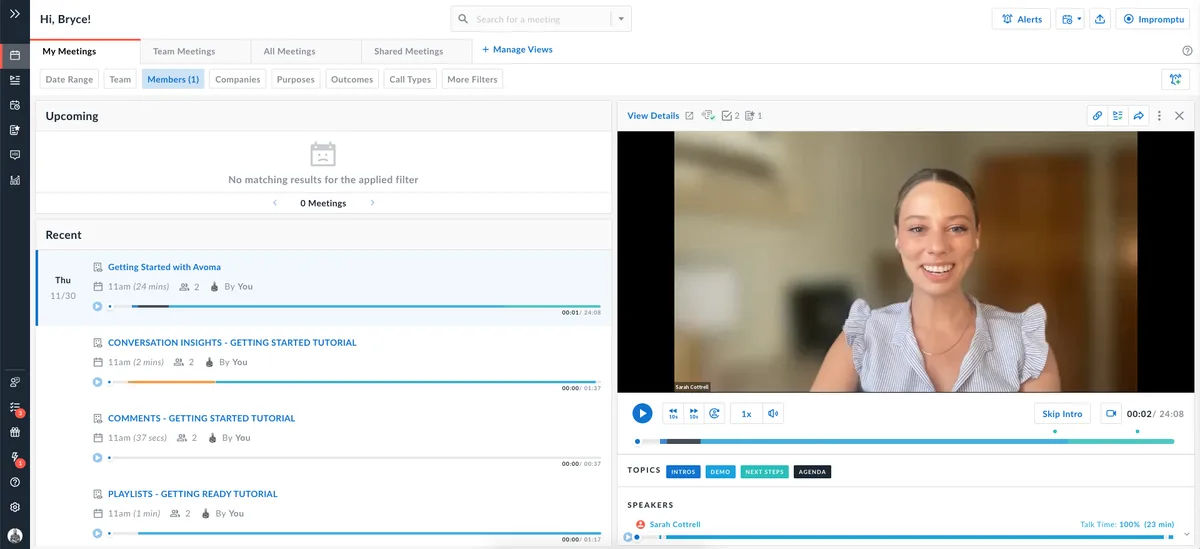
An AI agent operates through sophisticated software interfaces, autonomously planning, acting, and learning to achieve specific goals like optimizing sales processes or managing customer interactions without constant human oversight. (Source: zapier.com)
You might also like:
👉 Unmasking Online Bots: The X & Facebook Mimicry Challenge
👉 Predicting Stock Market Trends: ML & Sentiment Analysis Guide
👉 Sustainable Futures: Investment, Cybersecurity & Future of Work