AI: Why GDP & Military No Longer Define Power
AI is fundamentally re-scrambling the global pecking order, challenging traditional metrics like GDP and military spending as primary indicators of power.
AI: Rewriting Global Power
Here’s something that doesn’t add up. For years, I tracked global power through familiar metrics: GDP, military spending, diplomatic influence. These were the established markers. I believed countries with strong economies and armies held the reins. Then I started digging into AI’s real-world applications. What I found wasn’t just another technological leap. It was a fundamental re-scrambling of the global pecking order.
My initial assumption was simple: AI would boost efficiency. It would make existing power structures slightly stronger. I thought the US and China, already economic giants, would simply get richer. Their militaries would become more advanced. But as I followed the data, algorithms, and computational power, my view changed entirely. AI isn’t just an additive factor. It’s a foundational shift. It alters the very definition of power.
Before this new era, global influence often came from natural resources, manufacturing might, or nuclear arsenals. The United States emerged as a dominant force after the Cold War. Its economic strength and military superiority were unmatched. China then rose as a manufacturing powerhouse, becoming a significant economic and geopolitical challenger. The European Union formed a powerful economic bloc. Russia maintained its military presence and energy resources. This was the status quo. These nations, along with a few others, shaped global policy, dictated economic trends, and controlled the narrative. AI now challenges these established dynamics.
Who holds the power?
In 2017, China unveiled its “Next Generation Artificial Intelligence Development Plan.” This ambitious strategy aimed for global leadership in AI by 2030. It was a clear declaration. The country committed immense resources, including state-backed funding, research initiatives, and data collection mandates. When I first read about it, I dismissed it as typical nationalistic rhetoric. Every nation wants to be “number one” in something. I didn’t grasp its deep implications.
My surprise began with China’s massive data strategy. Companies like Tencent and Alibaba already process vast datasets. They collect information from over a billion users daily. This data fuels AI development. It creates a key advantage. The volume and variety of this data are unparalleled. It allows for advanced machine learning models. These models drive everything from smart city management to facial recognition systems. This isn’t just about consumer convenience. It’s about building a national digital infrastructure. It strengthens state control and economic competitiveness.

Tencent, a Chinese multinational technology and entertainment conglomerate, is a key player in China's AI strategy. Its flagship product, WeChat, processes vast datasets from over a billion users daily, providing crucial data for advanced machine learning models. (Source: archdaily.com)
The United States, meanwhile, benefits from its pioneering tech giants. Companies like Google, Microsoft, and NVIDIA lead in AI research and hardware. NVIDIA’s market capitalization surpassed $2 trillion in early 2024. This shows the immense value placed on AI infrastructure. The US approach is more decentralized. It relies on private sector innovation. It also involves significant government investment. The National AI Initiative, for example, coordinates federal AI research. It aims to maintain US leadership. This dual approach creates a powerful ecosystem. It draws top talent and capital.
Other nations face a widening gap. Many developing countries lack the infrastructure, data, or talent. This leaves them vulnerable to technological dependency. Dr. Fei-Fei Li, a leading AI researcher, often points this out. She notes AI power concentrates in a few regions. This digital divide isn’t just about internet access. It’s about access to the tools that build future economies.
The money and power
Global investment in AI is staggering. In 2023, venture capital funding for AI startups reached over $50 billion worldwide. This represents a massive bet on future economic dominance. My research revealed this isn’t simply about efficiency gains. It’s about controlling the next generation of industries. AI will transform healthcare, finance, logistics, and manufacturing. The nation that masters AI will control these sectors globally.
When I first looked at economic power, I thought about factories and trade routes. Now, I see algorithms and data centers. Countries dominating AI development create new forms of wealth. They establish new monopolies. This includes intellectual property, specialized hardware, and skilled labor. For instance, demand for high-end AI chips is immense. TSMC (Taiwan Semiconductor Manufacturing Company) produces over 90% of the world’s most advanced chips. This makes Taiwan a central node in global power. Its geopolitical importance skyrockets.
This shift creates new dependencies. Nations without chip-making capabilities rely on others. They depend on countries with advanced foundries and AI models. This can lead to economic coercion and new vulnerabilities. Kai-Fu Lee, a venture capitalist and AI expert, argues this clearly. He believes AI will create an economic “winner-take-all” dynamic. A few dominant players will capture most of the value. They will leave others far behind. This isn’t just about market share. It’s about national economic sovereignty.
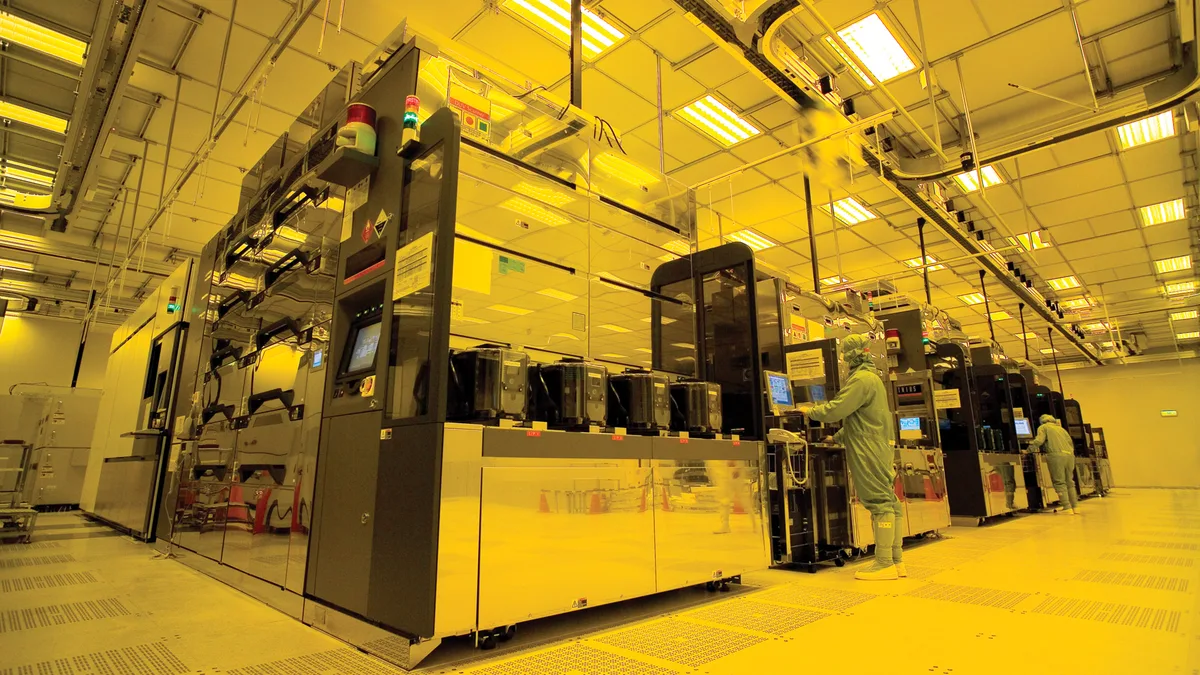
TSMC, the Taiwan Semiconductor Manufacturing Company, produces over 90% of the world's most advanced chips, making it a critical node in global power dynamics. Its massive fabrication plants are at the forefront of AI infrastructure. (Source: tomshardware.com)
Consider AI’s energy demands. Training large AI models consumes vast amounts of electricity. This creates a new geopolitical lever. Nations with cheap, abundant energy sources gain an unexpected advantage. Data centers require massive cooling and reliable power grids. This adds another layer of complexity to the global energy market. It intertwines with climate policy. It becomes a key factor in AI development. The economic implications are far-reaching.
AI at war: military and security
The US Department of Defense requested $1.8 billion for AI-related initiatives in fiscal year 2024. This isn’t theoretical research. It’s about immediate military applications. I initially believed AI would only improve existing weapons systems, making them slightly more accurate. I soon learned the reality is much more profound. AI fundamentally changes the nature of warfare itself.
AI-powered surveillance systems are already deployed. Drones with computer vision can identify targets with increasing autonomy. This reduces human risk and accelerates decision-making cycles. RAND Corporation studies point to AI’s role in intelligence analysis. AI sifts through vast amounts of data. It identifies patterns human analysts might miss. This provides an unprecedented informational advantage. It changes how nations gather intelligence and respond to threats.
The development of autonomous weapons systems (AWS) is a major concern. These systems can select and engage targets without human intervention. Many nations, including the US, China, and Russia, invest heavily in this technology. The ethical implications are enormous. Still, the military advantage seems too big to ignore. The race for AI superiority in defense is on. A country with advanced AWS could overwhelm a larger, conventionally armed adversary. This completely redefines military balance.
Cyber warfare is another vital domain. AI can automate threat detection. It can also generate sophisticated attacks. A nation with superior AI in cyber defenses could protect its key infrastructure. One with superior AI in offensive cyber operations could cripple an opponent. This is a silent, unseen battleground with potential for massive disruption. The ability to conduct or defend against cyberattacks becomes a core part of national security. This isn’t about traditional armies; it’s about code and algorithms.
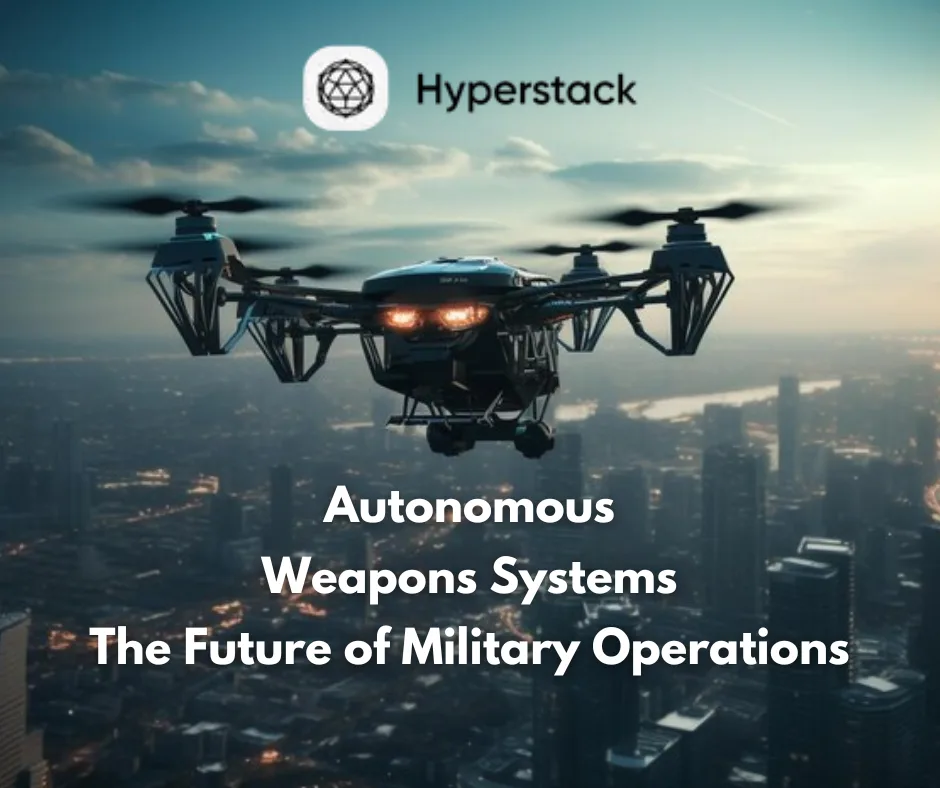
Autonomous Weapons Systems (AWS) are a major focus for global powers, capable of selecting and engaging targets without human intervention. Their development raises significant ethical concerns while simultaneously promising a redefinition of military balance and the nature of warfare. (Source: thehyperstack.com)
Governance and geopolitics: control and influence
In March 2024, the European Union passed its AI Act. This landmark legislation is the world’s first extensive AI law. This surprised me. I had largely viewed AI as a technology race. I hadn’t fully considered the regulatory dimension. This act aims to establish clear rules for AI development and deployment. It prioritizes safety, transparency, and human rights. This move positions the EU as a leader in AI governance. It could shape global standards.
My initial thinking about AI’s impact on governance was polarized: either a tool for state surveillance or for democratic empowerment. The truth is more complex. Authoritarian states, like China, use AI for extensive social control. Their facial recognition networks integrate with social credit systems. This allows for unprecedented monitoring of citizens. It strengthens state power internally. It also exports this model to other nations.
Democratic nations also use AI in public services. Estonia, for example, uses AI to streamline over 1,000 government services. This improves efficiency and citizen access. Yet, these nations grapple with privacy concerns and debate AI’s ethical limits. Predictive policing systems raise questions about bias and challenge fundamental rights. The balance between innovation and protection is a constant struggle.
AI’s role in global influence extends to information warfare. Advanced AI can generate highly realistic fake videos and audio, known as “deepfakes.” They can create convincing disinformation campaigns. OpenAI’s Sam Altman has expressed concerns about AI’s potential misuse in elections. The ability to manipulate public opinion on a global scale is a new form of soft power. It can destabilize democracies and erode trust in institutions. This impacts international relations, alliances, and geopolitical stability.
What comes next: the future of power
The global AI situation is still fluid; it isn’t settled. The EU’s AI Act represents a significant attempt to define its future. Other nations will follow with their own regulatory frameworks. These regulations will determine who can develop and use AI. They will shape future power dynamics. The race isn’t just for technological supremacy. It’s also for setting the rules of the game.
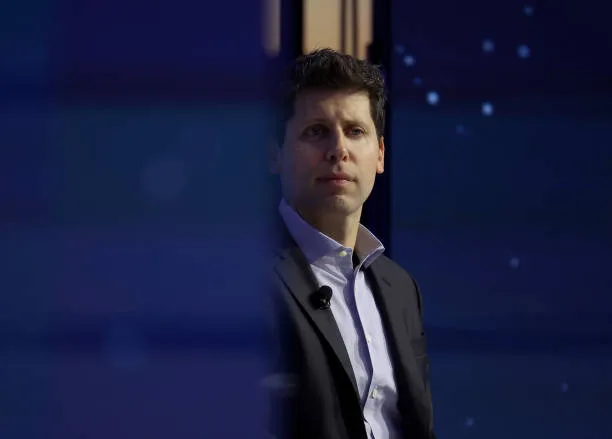
Sam Altman, CEO of OpenAI, is a pivotal figure in the AI revolution, known for his leadership in developing advanced AI models like ChatGPT. He has publicly voiced concerns about AI's potential misuse in elections, highlighting the technology's profound impact on global power dynamics and democratic stability. (Source: gettyimages.com)
New alliances are already forming around AI. These are not just traditional military pacts; they are also technological collaborations. Nations like India, Brazil, and Canada are investing heavily in AI. They aim to develop their own capabilities. They want to avoid dependency on the US or China. They seek to build domestic AI ecosystems. This creates a more multipolar AI world. It diversifies the centers of power.
The future of global power will hinge on several factors. These include access to data, computational power, and human talent. It also involves ethical frameworks and regulatory foresight. The nation that can balance innovation with responsible governance will gain a significant advantage. This will define economic prosperity, shape national security, and determine global leadership for decades to come.
The world isn’t simply adapting to AI; AI is actively reshaping it. My journey through this topic showed me one clear truth: AI development is already redirecting the major forces of global power. We are only just beginning to see the full extent of this transformation.
FAQ
Q: What is the main factor driving AI’s impact on global power? A: Control over data, computational power, and specialized talent. These elements are essential for developing and deploying advanced AI systems. Nations excelling in these areas gain significant economic and strategic advantages.
Q: How does AI affect military power specifically? A: AI transforms military power through better surveillance, automated cyber warfare, and autonomous weapons systems. It allows for faster decision-making and reduces human risk. This creates a new arms race and redefines traditional military advantages.
Q: Are developing nations falling behind in the AI race? A: Many developing nations face challenges due to limited infrastructure, data access, and talent pools. This creates a digital divide. Still, some invest in AI to leapfrog traditional development stages. They aim to avoid technological dependency.
Q: What role do international regulations play in AI power dynamics? A: International regulations, like the EU’s AI Act, are important for shaping AI development and use. They can establish global standards for ethics, safety, and transparency. This influences which nations lead in responsible AI governance.
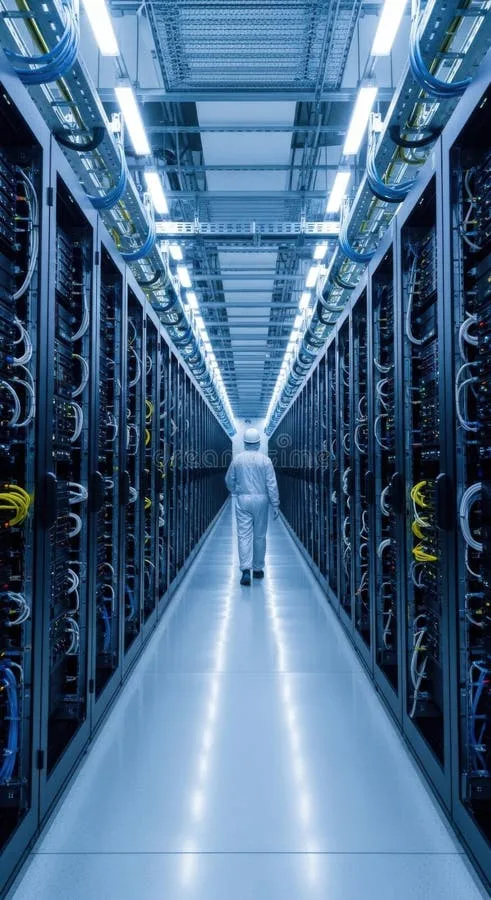
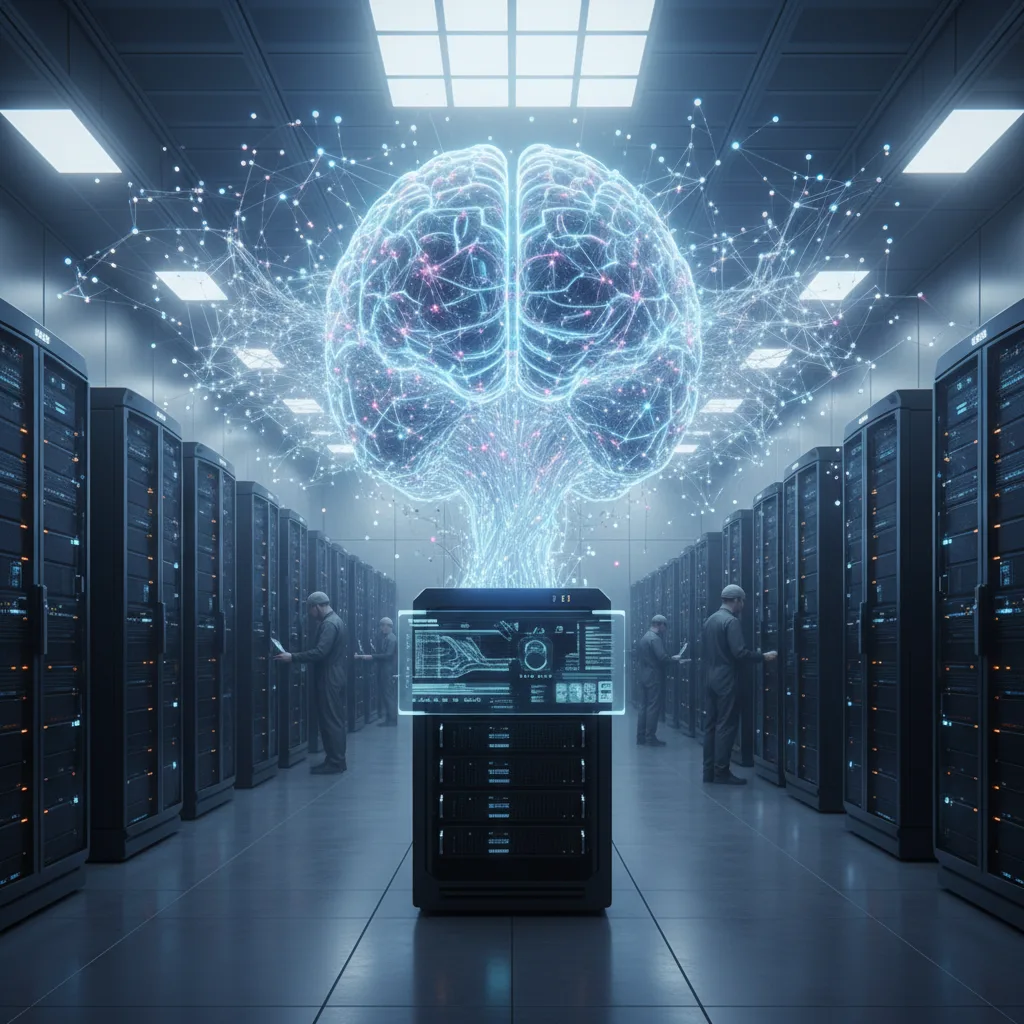
Data centers are the physical backbone of AI, housing the immense computational power and data storage essential for training and deploying advanced AI models. These facilities consume vast amounts of energy and are becoming critical strategic assets in the global AI power race. (Source: dreamstime.com)
You might also like:
👉 US-China: $664B Trade Masks Zero-Sum Global Power Struggle