AI Deepfakes: From Hollywood to Your Phone, The New Threat
Deepfakes are no longer rare or expensive curiosities. AI-generated content tools are now accessible and widespread, changing the landscape of digital deception.
AI’s new deceptions: what I found
I used to think deepfakes were rare. I saw them as high-tech curiosities, complex and expensive. They seemed reserved for Hollywood or state espionage. My initial impression was that these dangers were almost mythical.
Then I researched AI-generated content, beyond just video. My assumptions were completely wrong. These tools are accessible and widespread. That truth changed my entire perspective. It’s not just manipulated video anymore.
Deepfakes are a specific type of AI media. They use deep learning to create realistic synthetic images, audio, or video. These fakes often show people saying or doing things they never did. AI-generated content is a broader category. It includes text, images, and music. Large language models (LLMs) and diffusion models create this content.
Generative AI tools are now widely available. Many are free or cheap. You can access them through simple web interfaces. Anyone with internet can craft convincing fakes in minutes. This widespread access changed digital information. The tools let anyone create believable fabrications.
The unsettling surge of synthetic media
The number of detected deepfake videos worldwide rose dramatically in 2023. Sensity AI, a deepfake detection company, reported a 900% increase between 2019 and 2023. This wasn’t slow growth. It was an explosion.
I checked the numbers. Over 90% of identified deepfake videos were non-consensual intimate imagery (NCII). This specific use often targets women. It’s a stark, disturbing reality. This far outstrips political manipulation. My research showed this trend isn’t slowing.
I first thought most deepfakes were political propaganda. The overwhelming prevalence of personal harm surprised me most. It changed my mind about who the primary victims are. Political risks are real, but immediate, widespread damage often hits individuals.
The creators of this content also changed. It’s not just state actors or organized crime. Everyday users, often young people, now create convincing fakes. This makes the issue harder to track and regulate. The tools are too easy to get.
Real risks: from politics to personal lives
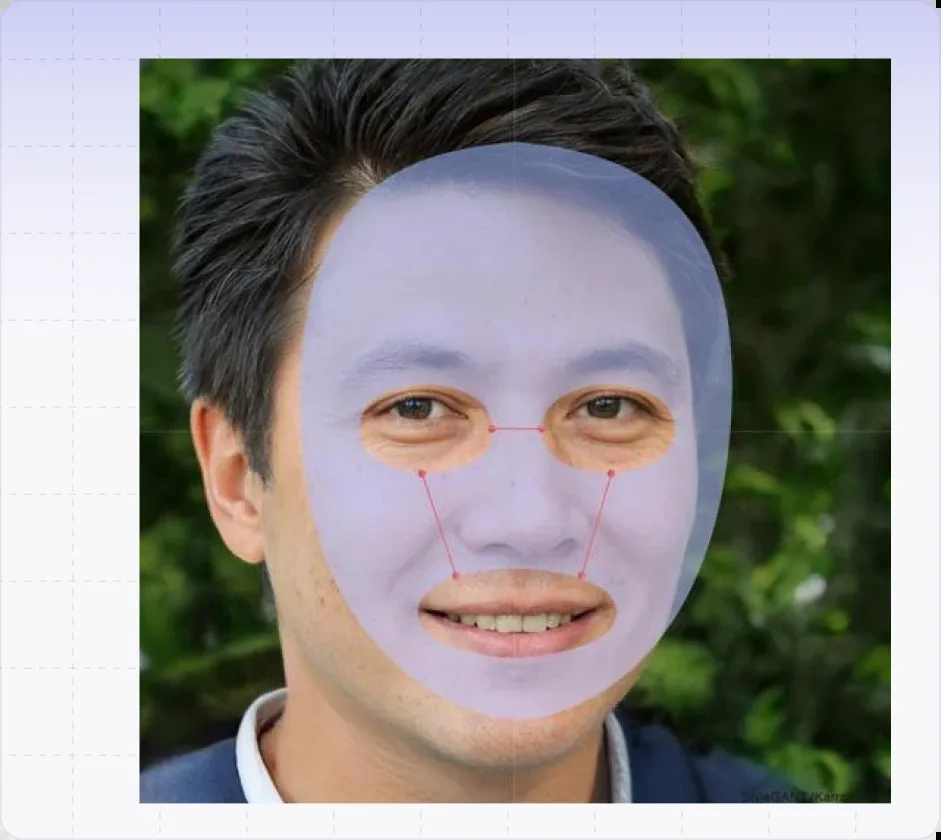
Sensity AI, a leading deepfake detection company, reported a staggering 900% increase in detected deepfake videos worldwide between 2019 and 2023, underscoring the rapid escalation of synthetic media threats. (Source: sensity.ai)
On January 21, 2024, thousands of New Hampshire voters got an AI robocall. It mimicked President Joe Biden’s voice. The call urged them not to vote in the state’s primary. This showed how AI content interferes with democracy. It was a clear attack.
My journey showed me these risks aren’t theoretical. They have real-world consequences, often devastating people. Financial fraud is a major threat, beyond politics. Criminals use AI voices to impersonate executives or family. They trick victims into transferring money.
A UK energy firm CEO was tricked by an AI voice clone of his boss. The fake voice demanded an urgent $243,000 transfer to a Hungarian supplier. This shows how sophisticated these attacks are. Victims often don’t doubt the authenticity.
Reputational damage and extortion are rampant too. NCII deepfakes ruin lives. Victims, often women, face severe psychological distress and social ostracization. Law enforcement struggles to keep up.
National security agencies worry. Deepfakes could impersonate officials or spread inflammatory false narratives. This could destabilize regions or incite social unrest. Telling truth from fiction becomes critical.
Detecting and attributing fakes
In 2022, a UC Berkeley study revealed a grim reality. Even trained humans struggle to tell real videos from advanced deepfakes. This was sobering for me. I assumed human intuition would help.
I learned detection isn’t a simple technical fix. It’s a continuous challenge. AI models improve at creating fakes. At the same time, researchers develop new detection methods. It feels like a competition.
Current detection methods include digital watermarking and forensic analysis. C2PA (Coalition for Content Provenance and Authenticity) develops open technical standards. These standards aim to digitally “sign” content at its origin. This could help verify content sources.
These methods have limits. Watermarks can be removed. Forensic analysis relies on detecting subtle artifacts. These artifacts become less noticeable as generative AI improves. It’s often hard to definitively call content authentic.
The sheer volume of new content further complicates detection. AI models can generate millions of images or hours of audio in minutes. Human moderators and automated systems are overwhelmed. This makes early policing globally almost impossible.
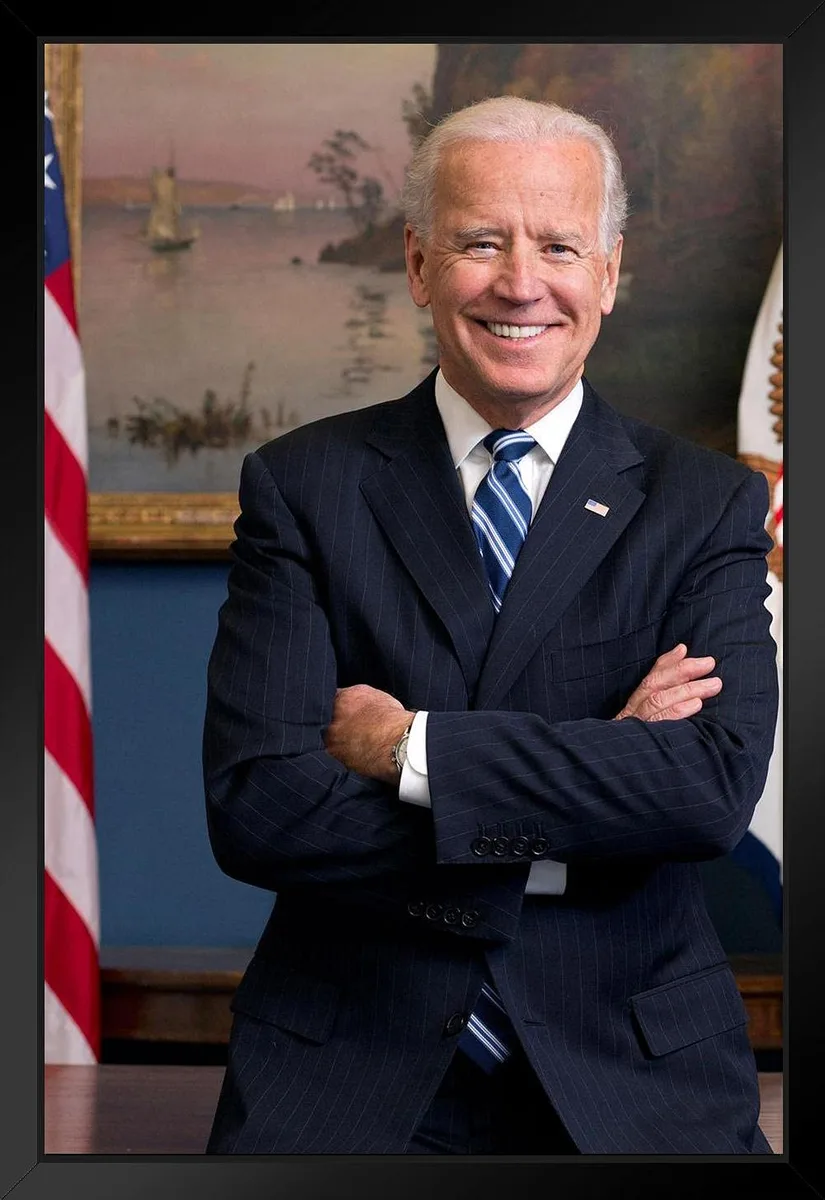
President Joe Biden, whose voice was mimicked in an AI robocall to New Hampshire voters in January 2024, serves as a stark example of how AI-generated content can directly interfere with democratic processes and pose immediate risks. (Source: amazon.com)
The regulatory maze: governance gaps
On December 8, 2023, the EU provisionally agreed on its Artificial Intelligence Act. This landmark law categorizes AI systems by risk level. It imposes strict rules on high-risk applications, including deepfakes. This was a big step.
I first thought one clear law would solve everything. My research quickly changed my mind. Governance is fragmented and slow. Nations and regions take vastly different approaches. There’s no global consensus.
The EU AI Act focuses on transparency. It requires users know when content is AI-generated. The United States takes a more sector-specific approach. President Biden’s October 2023 Executive Order on AI requires developers to share safety test results with the government.
These varying approaches create jurisdictional challenges. What’s illegal in one country might be allowed in another. This makes cross-border enforcement hard. Tech companies often work globally, complicating compliance.
Balancing innovation with safety is another challenge. Strict regulations could stifle progress. Too little regulation leaves people and societies vulnerable. Defining “harm” for AI content remains a complex legal and ethical debate.
Building a strong information environment
In September 2023, Google announced new policies. They require disclaimers on AI-generated political ads. This was a practical step by a major platform. It showed transparency is key. No single fix will solve this complex challenge.
My research led me to one main conclusion. We need a many-sided approach. We must help individuals with better media literacy. People need to critically evaluate digital content. They must question sources and look for unusual signs.
Technology must keep evolving. We need improved detection tools. Broader adoption of provenance standards, like the C2PA framework, can help. These tools provide a verifiable chain of custody for digital media. They offer a digital fingerprint of authenticity.
Legal frameworks also need strengthening and coordination. Clearer laws defining liability for misuse are vital. Penalties for creating and distributing harmful deepfakes must be strong. International cooperation is also key. Nations must share best practices and coordinate enforcement.
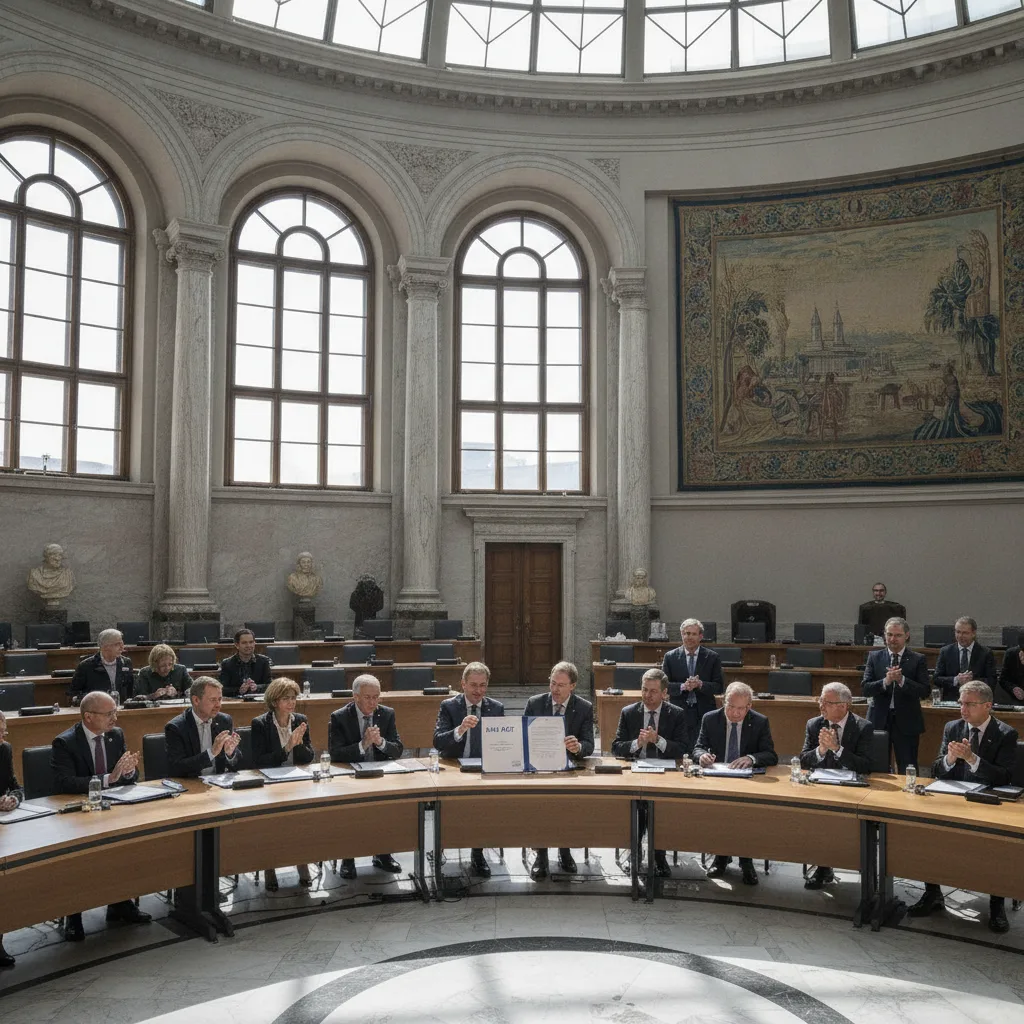
The EU Artificial Intelligence Act, provisionally agreed upon in December 2023, is a landmark law that categorizes AI systems by risk level and imposes strict rules on high-risk applications like deepfakes, aiming to set a global standard for AI governance. (AI-generated illustration)
This is an ongoing process. We must remain aware and flexible. The technology will keep advancing rapidly. Our effective response depends on continuous collaboration among governments, tech companies, educators, and individuals.
FAQ
What’s the main risk of deepfakes? The main risk is the loss of trust in digital information. Deepfakes spread misinformation and enable financial fraud. They also cause severe personal harm through non-consensual imagery. They make it harder to tell truth from fiction online.
Can we always detect AI-generated content? No, you can’t always detect AI-generated content. Detection tools are improving, but generative AI technology advances rapidly. This creates an ongoing competition where fakes often improve faster than detection methods.
Who regulates AI content? Responsibility for regulating AI content is fragmented. National governments set laws. Tech companies implement content policies. International bodies work to coordinate standards. There is no single global authority.
What can individuals do to protect themselves? Individuals can protect themselves by practicing good media literacy. Question sources. Look for verifiable information. Be skeptical of emotionally charged or sensational content. Using trusted news sources and fact-checking tools also helps.
Snopes, one of the internet's oldest and most prominent fact-checking websites, was founded in 1994 to debunk urban legends and has since become a critical resource for verifying information and combating misinformation, including AI-generated content. (Source: academichelp.net)
You might also like:
👉 The 2016 Shift: How Phones Became AI Companions