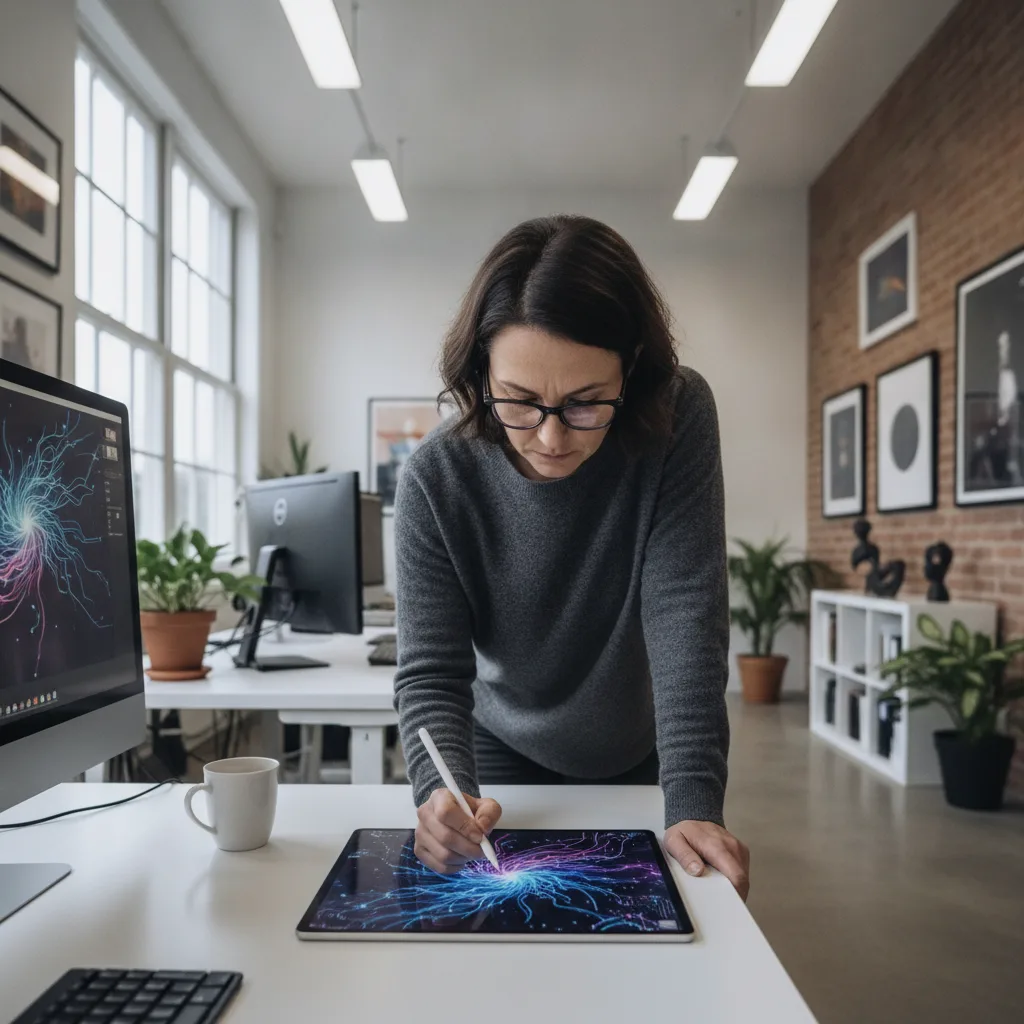
How Adobe Firefly Changed $56.5 Billion Graphic Design in 2023
AI is reshaping the $56.5 billion global graphic design market. Adobe's March 2023 Firefly integration is automating tasks for professionals.
AI changes graphic design
AI is transforming graphic design. In March 2023, Adobe integrated Firefly into its Creative Cloud suite. This move directly introduced AI to professionals, automating tasks they previously performed manually.
The global graphic design market hit $56.5 billion in 2023, growing 5.1% annually since 2018. (Source: Grand View Research report, 2023). This market spans North America, Europe, Asia-Pacific, and other growing economies.
The industry includes designers, agencies, in-house teams, and freelancers. Clients range from corporations to non-profits. Graphic design traditionally covered branding, web layouts, print, and user interfaces. Its core function is visual communication.
Not long ago, Adobe Creative Suite (Photoshop, Illustrator, InDesign) ruled the software space. (Source: Adobe Inc. 2023 annual report). Now, clients demand faster turnaround and dynamic content. Digital platforms drive this. The shift to digital-first communication sped up after 2020, changing deliverables and processes. The industry is rapidly adapting.
AI changes how designers work
Generative AI tools like Midjourney and DALL-E 3 create images from text prompts. They speed up concept generation. Designers use them for brainstorming, mood boards, and quickly creating many visual options. This cuts ideation time, letting designers focus on refinement and strategy. A 2023 AIGA survey found 68% of designers use AI for at least one task. (Source: AIGA Design Census 2023).
AI handles repetitive tasks: background removal, image upscaling, object isolation. This automation makes production more efficient. It also helps personalize content at scale, creating countless ad variations for specific groups.
Demand for AI-literate designers is growing. Agencies want professionals good at prompt engineering. These designers get the best creative results from AI, connecting technical skill with art.
Some designers worry about intellectual property rights for AI-made content. Others think about the ethics of AI’s data sources. (Source: World Intellectual Property Organization, AI & IP Policy Brief, September 2023). Fair pay and credit for source material remain debated.
New styles and tastes emerge
Pantone’s Color of the Year 2024, “Peach Fuzz,” shows a trend toward softer, warmer colors. (Source: Pantone Color Institute, December 2023). Design aesthetics now blend digital craft with human connection, answering society’s wish for comfort and realness.
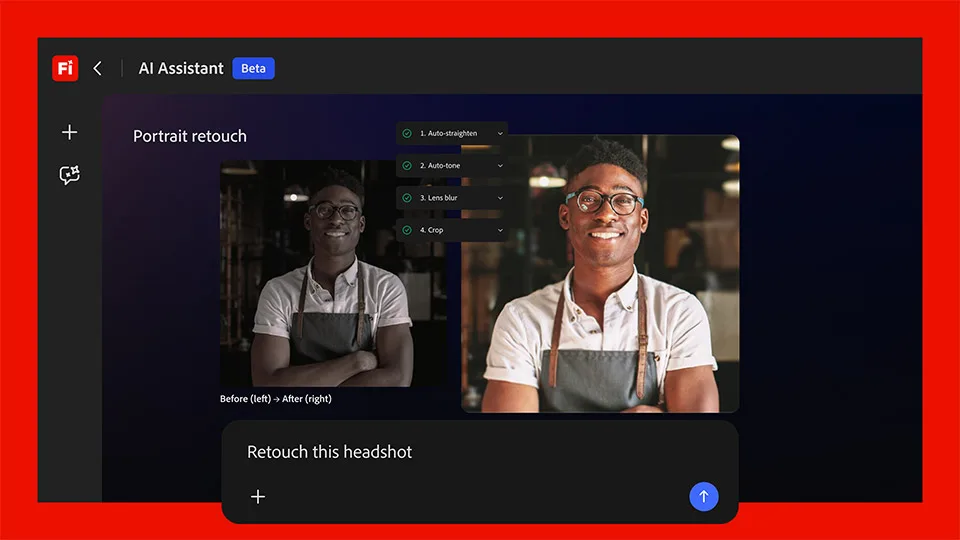
Adobe Firefly, integrated into Creative Cloud in March 2023, brought generative AI directly to graphic design professionals. This tool automates complex tasks like background removal and content generation, significantly streamlining workflows and allowing designers to focus more on creative strategy. (Source: thelettertwo.com)
This aesthetic differs from the slick, sterile digital interfaces of past years. Motion graphics and 3D design keep growing, making brand experiences more immersive. You see this in advertising, social media, and user interfaces.
Animated logos and interactive 3D elements are common. Companies like Epic Games use Unreal Engine for high-quality 3D content. (Source: Epic Games 2023 developer conference). This lets designers build rich, interactive worlds.
Nostalgia-driven aesthetics are prominent. Y2K-inspired designs and pixel art styles pop up again. These retro elements bring familiarity and fun, often drawing in younger people who want unique looks.
Dynamic branding is a key trend. Brand identities change across platforms and situations. A logo might shift colors or shapes based on user interaction or device. This makes for a fluid, responsive brand experience.
Design for everyone and the planet
The Web Content Accessibility Guidelines (WCAG) 2.2 came out in October 2023. They set new digital content standards. Designers must make their work usable by people with disabilities, considering color contrast and clear fonts.
Accessibility is a legal requirement globally, greatly widening a brand’s audience. The World Wide Web Consortium (W3C) creates and updates these guidelines. (Source: W3C official publications). Designers now consider a design’s cognitive load and screen reader compatibility, affecting font choices, layouts, and interactive parts.
Sustainability in design is gaining attention. It means cutting environmental impact, from process to product. Consumers want eco-friendly brands. Rules also push this change.
Designers optimize digital files for smaller sizes, cutting energy for data storage and sending. Print designers specify recycled materials and non-toxic inks, focusing on designs that use less material.
Design agencies like Futerra focus on sustainable branding. (Source: Futerra case studies 2023-2024). They help clients show their environmental promises, helping brands match consumer values.
Skills for the future
Demand for designers with UI/UX (User Interface/User Experience) skills grew 15% in 2023. (Source: LinkedIn Jobs Report 2023). The industry needs designers who understand user behavior and digital product development. Digital interfaces are now the main way many brands connect.

Epic Games, the company behind the groundbreaking Unreal Engine and the globally popular game Fortnite, exemplifies the industry trend of using high-quality 3D content to create immersive and interactive digital experiences for brands. (Source: fortnite.com)
Designers must learn new tools, especially AI ones. Prompt engineering is a core skill. Dr. Sarah Chee, Head of Visual Communication at the Royal College of Art, stresses adaptable learning and critical thinking. These are vital alongside technical skill. (Source: Royal College of Art, Design Futures seminar, November 2023).
Specialization in data visualization or immersive experiences (AR/VR) opens new paths. These niches need interdisciplinary knowledge, mixing traditional design with data science or spatial computing. The future workplace will likely see more teamwork between humans and AI.
This creates hybrid roles. Designers won’t just create content; they’ll curate and direct AI’s output, raising their strategic value. Their role moves toward oversight, strategy, and ethical advice.
FAQs
Q: How is AI changing graphic design jobs? A: AI automates repetitive tasks. It helps generate concepts and personalize content. Designers now focus more on strategy, refinement, and ethical issues around AI-made content.
Q: What are key aesthetic trends in graphic design now? A: Softer color palettes, dynamic branding, and retro styles are back. Motion graphics and 3D elements still heavily influence digital experiences.
Q: Why is accessibility important in graphic design? A: It makes sure designs work for everyone, including people with disabilities. This meets legal standards and greatly expands a brand’s audience.
Q: What skills should aspiring graphic designers develop? A: Strong UI/UX understanding, AI literacy, prompt engineering, and critical thinking are key. Specialization in data visualization or immersive design also helps a lot.
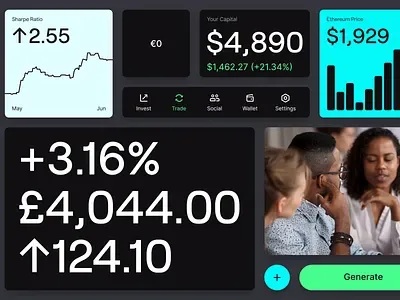
Data visualization transforms complex datasets into accessible, engaging graphics, a critical skill for modern designers navigating information overload and a key specialization in the evolving graphic design landscape. (Source: dribbble.com)
You might also like:
👉 The 2016 Shift: How Phones Became AI Companions
👉 Virtual Reality Applications: Exploring VR’s Impact Across Industries