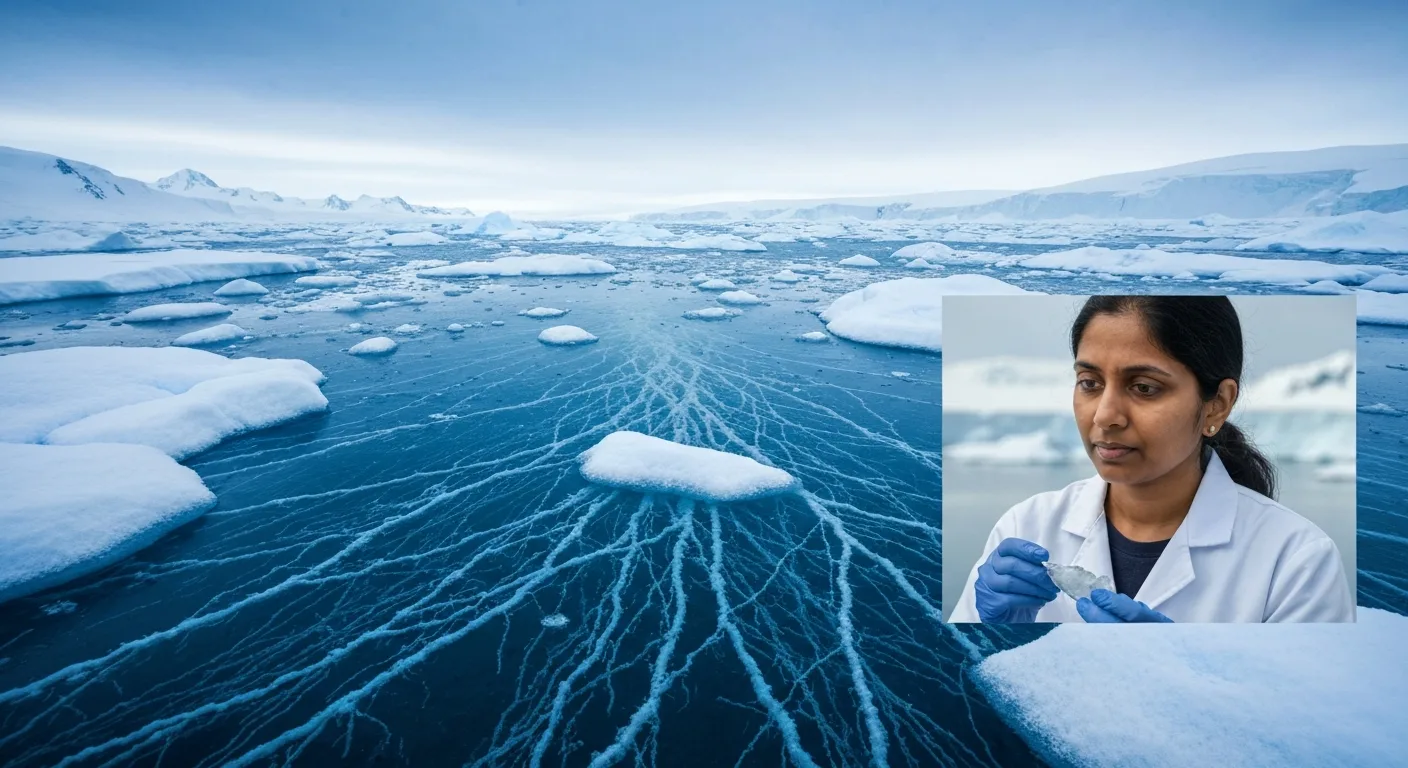
Life Under 800 Meters of Antarctic Ice: Lake Whillans' Secret
Microbial worlds thrive deep beneath Antarctica. A 2013 discovery in Lake Whillans, under 800 meters of ice, redefines Earth's ability to host life.
Life thrives under Antarctic ice
Life exists without sunlight. It is buried under miles of ice for millions of years. This is not fiction; it is reality. Deep beneath Antarctica, microbial worlds thrive. This discovery changes how we see Earth’s ability to host life. It also helps us search for life elsewhere.
Ancient microbes under the ice
In 2013, researchers found diverse microbial communities in subglacial Lake Whillans. This lake sits beneath 800 meters of ice in West Antarctica. Life persists there in complete darkness. These organisms survive on chemical energy, not sunlight. The Whillans Ice Stream Subglacial Access Research Drilling (WISSARD) project made this discovery.
The WISSARD team sampled the lake water and sediments. Dr. John Priscu, a WISSARD chief scientist from Montana State University, confirmed active microbes. His team published their findings in Nature in 2013. The bacteria cycled elements like nitrogen and sulfur.
Antarctica’s unique environment
Antarctica holds about 90% of Earth’s fresh water, locked in its massive ice sheets. The East and West Antarctic Ice Sheets cover nearly 14 million square kilometers. They average over 2,160 meters thick. A unique environment exists beneath this huge ice mass.
Geothermal heat melts the basal ice. This melting creates vast networks of liquid water. Scientists have found over 400 subglacial lakes and rivers. Many of these aquatic systems remained isolated for millennia. This isolation creates unique evolutionary pressures.
Drilling for hidden life
Lake Vostok was the first subglacial lake discovered. Russian scientists found this massive lake in 1996. It sits under 3,700 meters of ice in East Antarctica. Radar imaging showed a body of water the size of Lake Ontario. Its extreme depth and isolation made it a key study target.
Russian teams drilled towards Lake Vostok for decades. In February 2012, they finally reached its surface. Later analysis confirmed microbes in the lake. Dr. Brent Christner of Louisiana State University led a 2013 Nature study. His research identified bacteria that cycle iron and sulfur. These organisms are a unique, ancient type of life.
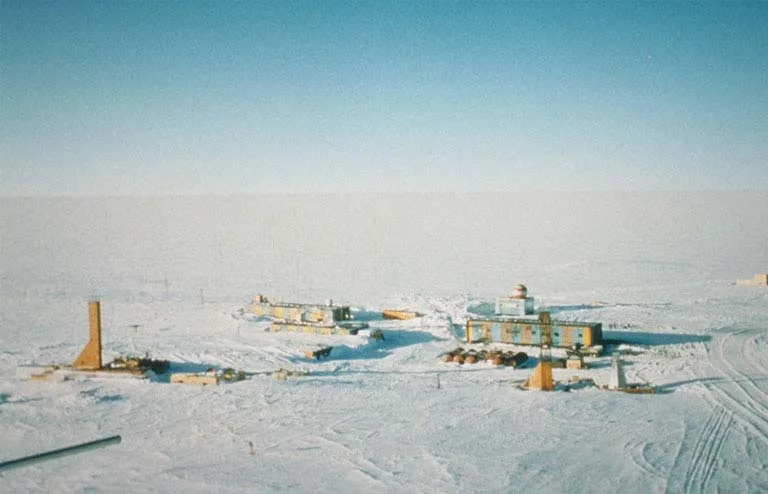
Lake Vostok, the first subglacial lake discovered, lies beneath 3,700 meters of ice in East Antarctica. Russian scientists spent decades drilling through the ice, finally reaching its surface in 2012 to access its ancient, isolated waters and the unique microbial life within. (Source: livescience.com)
The WISSARD project achieved the first clean sampling of a subglacial lake at Lake Whillans in January 2013. Researchers used hot-water drilling. This technique minimizes surface contamination. Sediment cores showed an active microbial ecosystem. The organisms produced energy by metabolizing ammonium and methane.
Dr. Jill Mikucki, a geomicrobiologist at the University of Tennessee, was part of the WISSARD team. She noted the diversity of life. These microbes were active, not dormant. They were a self-sustaining community beneath the ice. This directly showed a deep subglacial biosphere.
In 2019, the Subglacial Antarctic Lakes Scientific Access (SALSA) project explored Lake Mercer. This lake is about 600 kilometers from Lake Whillans. The SALSA team used similar clean drilling techniques. They recovered sediment samples from the lakebed. These samples contained new discoveries.
Researchers found microbes and multicellular organisms. These included tardigrades and small crustaceans. Dr. Mikucki again helped analyze the findings. These animals likely live in meltwater channels connected to surface systems. They probably aren’t isolated for millions of years like the deep microbes. This suggests a more connected subglacial environment than we once thought.
Life’s extreme survival
Subglacial ecosystems live in constant darkness. Photosynthesis, driven by sunlight, is impossible here. Instead, these organisms rely on chemoautotrophy. This process extracts energy from chemical reactions. Minerals in the bedrock provide the chemical fuel. These include compounds of sulfur, iron, and nitrogen.
Geothermal heat contributes to these chemical processes. It drives reactions that create energy sources for microbes. The huge pressure from the overlying ice also shapes these environments. Organisms must adapt to extreme pressure and near-freezing temperatures. Their metabolism is often very slow. They have specialized enzymes to function in the cold.
The bedrock itself forms a vital part of the ecosystem. The deep subsurface biosphere extends into rock fractures. Water flows through these cracks, carrying dissolved minerals and gases. Dr. Mikucki’s earlier work on Blood Falls showed this. This iron-rich brine flows from beneath the Taylor Glacier. Its unique chemistry supports a distinct microbial community. It shows how rock-water interactions fuel life.
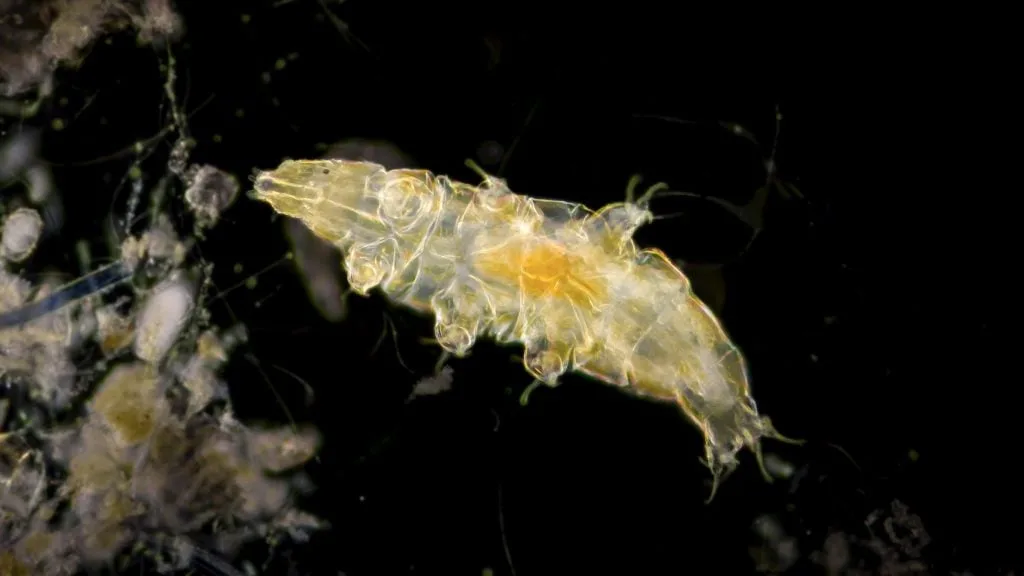
Tardigrades, also known as water bears, were among the surprising multicellular organisms discovered in sediment samples from Antarctica's subglacial Lake Mercer. These incredibly resilient micro-animals suggest a more connected subglacial environment than previously thought, challenging assumptions of isolated deep-ice ecosystems. (Source: swoop-antarctica.com)
What this means for life beyond Earth
Antarctica’s subglacial ecosystems serve as vital terrestrial analogs. They provide models for potential life beyond Earth. Icy moons like Europa (Jupiter) and Enceladus (Saturn) have subsurface oceans. These oceans likely hold liquid water. They also have similar dark, high-pressure conditions.
NASA actively funds research into Antarctic subglacial environments. Understanding Earth’s extreme life informs astrobiology missions. Future probes to icy moons will search for similar life. The lessons from Antarctica are directly applicable. They guide instrument design and search strategies.
Climate change introduces new complexities for these systems. Melting ice sheets could connect previously isolated environments. This might introduce new organisms or disrupt existing ones. Such changes could have significant ecological consequences. Scientists prioritize careful, clean exploration. The Scientific Committee on Antarctic Research (SCAR) sets strict guidelines. These rules prevent contamination of untouched subglacial environments. Protecting these unique ecosystems is essential for future study.
FAQ
Q1: How deep is the ice over these ecosystems? The ice cover varies significantly. For example, Lake Whillans sits under 800 meters of ice. Lake Vostok is covered by nearly 3,700 meters of ice.
Q2: What do these microbes eat? These organisms primarily use chemical energy. They derive this energy from minerals in the bedrock. They consume compounds of sulfur, iron, and nitrogen.
Q3: Are there larger animals under the ice? Yes, the SALSA project discovered multicellular organisms in Lake Mercer. These include tardigrades and small crustaceans. They likely live in meltwater channels, not deeply isolated areas.
Q4: Why is this important for space exploration? These ecosystems serve as models for life on icy moons. Moons like Europa and Enceladus have oceans beneath their ice. Studying Antarctic life helps scientists search for extraterrestrial life.
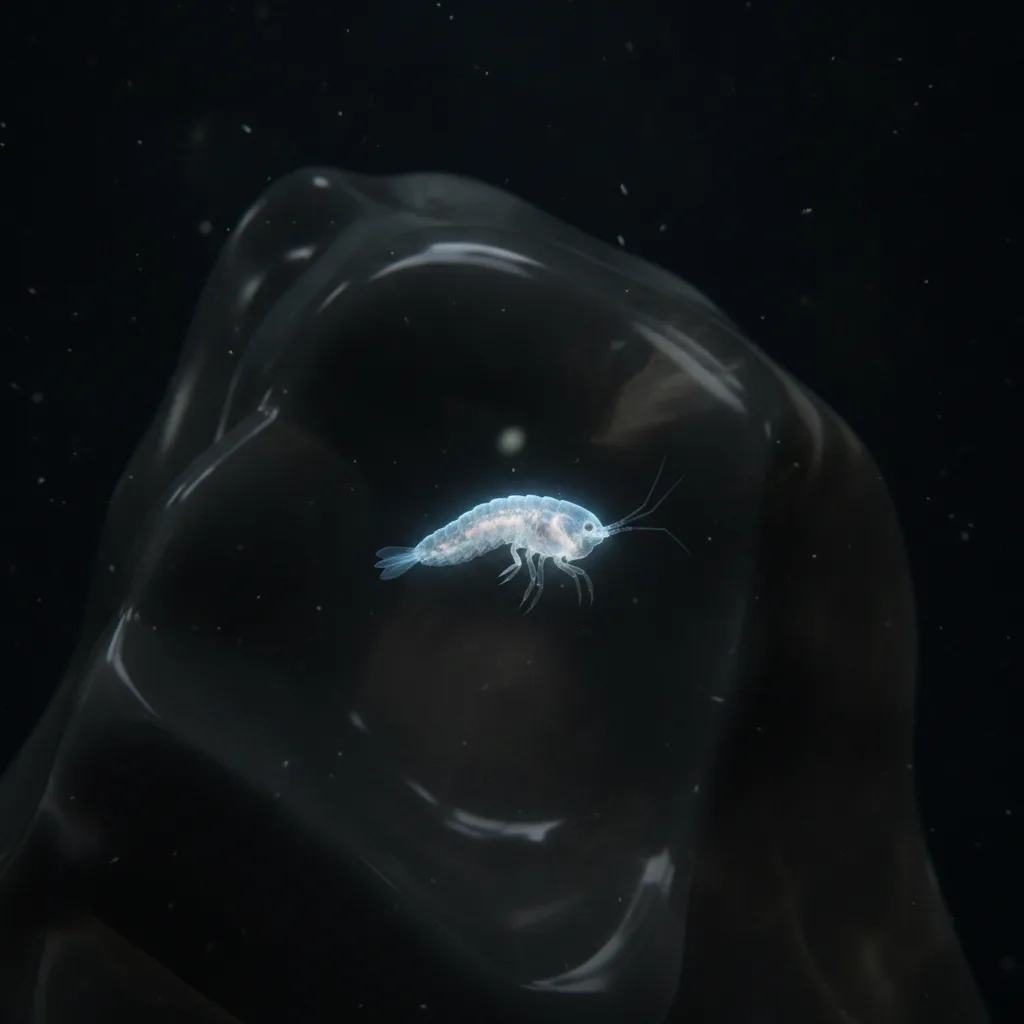
Discovered by the SALSA project in Antarctica's subglacial Lake Mercer, these small crustaceans are examples of complex multicellular life thriving in extreme, isolated environments beneath hundreds of meters of ice, challenging our understanding of life's resilience. (AI-generated illustration)
You might also like:
👉 Unexplained Mysteries of Science: Cosmos, Quantum & Beyond