
Global Antibiotic Threat: Why Bacteria, Not You, Resist Drugs
Many mistakenly believe antibiotics treat colds and flu. Learn why these powerful drugs are ineffective against viruses, not bacteria.
Antibiotic Resistance: Modern Medicine’s Silent Threat
Antibiotic resistance is a silent, growing threat to modern medicine. Many people mistakenly believe antibiotics can treat common illnesses like colds and flu. These common bugs are viruses. Antibiotics are ineffective against viruses. This is one of the biggest myths about these powerful drugs.
Another common mistake? Thinking your body becomes resistant. Nope. The problem isn’t you. It’s the bacteria themselves. These tiny organisms are evolving, learning to outsmart the very medicines meant to kill them.
This is antibiotic resistance. It’s a silent, growing crisis. It threatens to erase decades of medical wins.
The Birth of a Miracle Drug
In 1928, Scottish physician Alexander Fleming made a world-changing discovery. He noticed a mold, Penicillium notatum, was killing bacteria in a petri dish. This observation led to the development of penicillin, the first true antibiotic. His discovery launched the antibiotic era.
Before penicillin, simple bacterial infections could be deadly. A scraped knee or a sore throat often meant severe illness or even death. Antibiotics changed everything. They became the foundation of modern medicine.
Antibiotics work by targeting specific weaknesses in bacteria. Think of it like a key fitting into a lock. Each antibiotic key is designed to unlock and disable a bacterial lock. Some antibiotics break down bacterial cell walls. Others stop bacteria from making proteins they need to survive.
They’re incredibly effective against bacterial infections. But they’re useless against viruses. Using them for a viral infection is like trying to unlock your car with a house key. It won’t work. Worse, it helps resistance grow.
When Our Weapons Weaken: How Resistance Grows
The Centers for Disease Control and Prevention (CDC) estimates over 2.8 million antibiotic-resistant infections occur in the U.S. each year. That’s a staggering number. Bacteria are survivors. They multiply incredibly fast. A single bacterium can become millions in just a few hours.
During this rapid reproduction, tiny errors sometimes happen in their DNA. These are called mutations. Most mutations are harmless. But some give bacteria a new ability. This ability might protect them from an antibiotic.
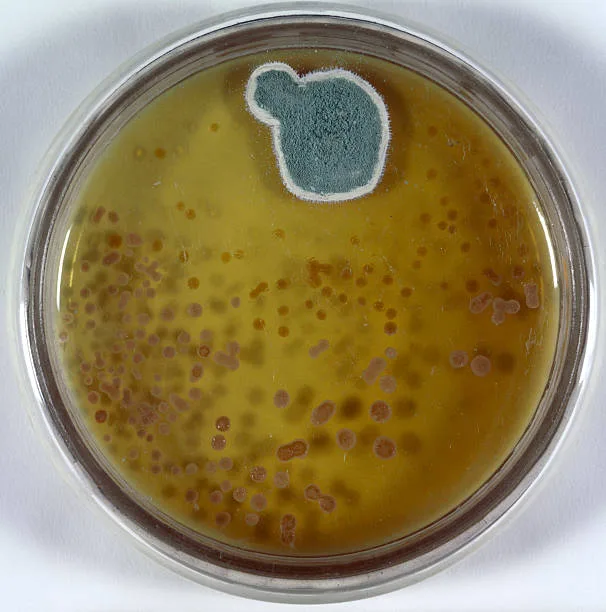
In 1928, Scottish physician Alexander Fleming famously observed *Penicillium notatum* mold (pictured) accidentally contaminating a petri dish and killing surrounding bacteria, leading to the world-changing discovery of penicillin, the first true antibiotic. (Source: gettyimages.com)
Imagine a battlefield where soldiers wear different types of armor. When an antibiotic attacks, it might kill most bacteria. But if one bacterium has a mutation that makes it immune to the attack, it survives. This survivor then reproduces.
All its offspring will inherit that protective mutation. Soon, an entire population of bacteria becomes resistant. This is natural selection in action. Dr. Stuart Levy, a pioneer in antibiotic resistance research, often highlights this evolutionary pressure.
Bacteria also share resistance genes. They do this through a process called horizontal gene transfer. They can pass these protective genes directly to other bacteria. Think of it like bacteria sharing cheat codes with each other. A small loop of DNA called a plasmid often carries these genes. This allows resistance to spread rapidly, even between different species of bacteria.
The Global Battlefield: How Resistance Spreads
A 2019 report by the World Health Organization (WHO) identified antibiotic resistance as one of the top 10 global health threats. This isn’t a problem confined to hospitals. Resistance spreads through many channels. One major driver is the widespread misuse of antibiotics.
In human medicine, doctors sometimes prescribe antibiotics when they aren’t needed. Patients also sometimes don’t finish their full course of antibiotics. This leaves stronger, more resistant bacteria alive to multiply. It provides a perfect environment for resistance to develop.
Agriculture is another significant contributor. Farmers often use antibiotics to promote growth in livestock. They also use antibiotics to prevent infections in crowded conditions. This practice exposes vast numbers of bacteria to antibiotics. It creates breeding grounds for resistant strains. These resistant bacteria can then move from animals to humans through food or the environment.
Global travel accelerates the spread. A resistant bacterium can travel across continents inside a human host in just hours. Hospitals, with many sick patients and frequent antibiotic use, are hotspots. Here, highly resistant strains like MRSA (Methicillin-resistant Staphylococcus aureus) and CRE (Carbapenem-resistant Enterobacteriaceae) thrive. They pose serious threats to vulnerable patients.
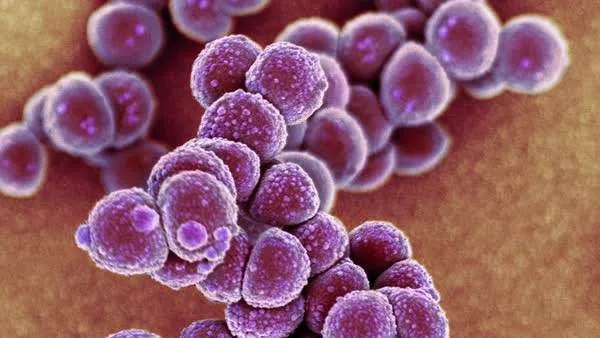
MRSA (Methicillin-resistant *Staphylococcus aureus*) is a notorious 'superbug' that has developed resistance to many common antibiotics, including methicillin. This bacterium, often seen as clusters of spherical cells under a microscope, poses a serious threat in hospitals and communities worldwide. (Source: dissolve.com)
The Stakes Are Higher Than You Think: Why Resistance Threatens Us All
Without effective antibiotics, common medical procedures like surgery become incredibly risky. Organ transplants, cancer chemotherapy, and even childbirth become life-threatening endeavors. These procedures all rely on our ability to prevent and treat bacterial infections. Losing antibiotics is like removing the safety net from a circus act.
The impact on patient health is severe. Infections become harder to treat, leading to longer hospital stays. They cause greater suffering and higher mortality rates. A 2016 report commissioned by the UK government and led by economist Jim O’Neill estimated a dire future. It warned that by 2050, antibiotic resistance could cause 10 million deaths annually worldwide. This would surpass deaths from cancer.
Economically, the crisis is staggering. The World Bank reported that by 2030, antibiotic resistance could push up to 24 million people into extreme poverty. Healthcare costs soar with prolonged treatments and more expensive drugs. Productivity declines as more people suffer from intractable infections. It threatens to cripple healthcare systems globally.
Even seemingly minor infections could once again become deadly. Imagine a simple urinary tract infection or pneumonia that no medicine can touch. This grim reality is already emerging in cases of “pan-resistant” bacteria. These superbugs resist every available antibiotic.
Reclaiming Our Defenses: Fighting Back Against Resistance
The fight against antibiotic resistance requires a multi-pronged global effort. One key area is developing new drugs. The Global Antibiotic Research and Development Partnership (GARDP) was established in 2016. It aims to develop new antibiotics and ensure equitable access. But finding new drugs is slow and expensive.
We also need better antibiotic stewardship. This means using existing antibiotics wisely. Doctors should only prescribe them when necessary. Patients must take them exactly as directed. Programs in hospitals and clinics help guide appropriate antibiotic use. They reduce unnecessary prescriptions.
Better diagnostics are key. Rapid tests can quickly tell if an infection is bacterial or viral. They can also determine which antibiotic will be most effective. This prevents doctors from guessing and using broad-spectrum antibiotics unnecessarily.
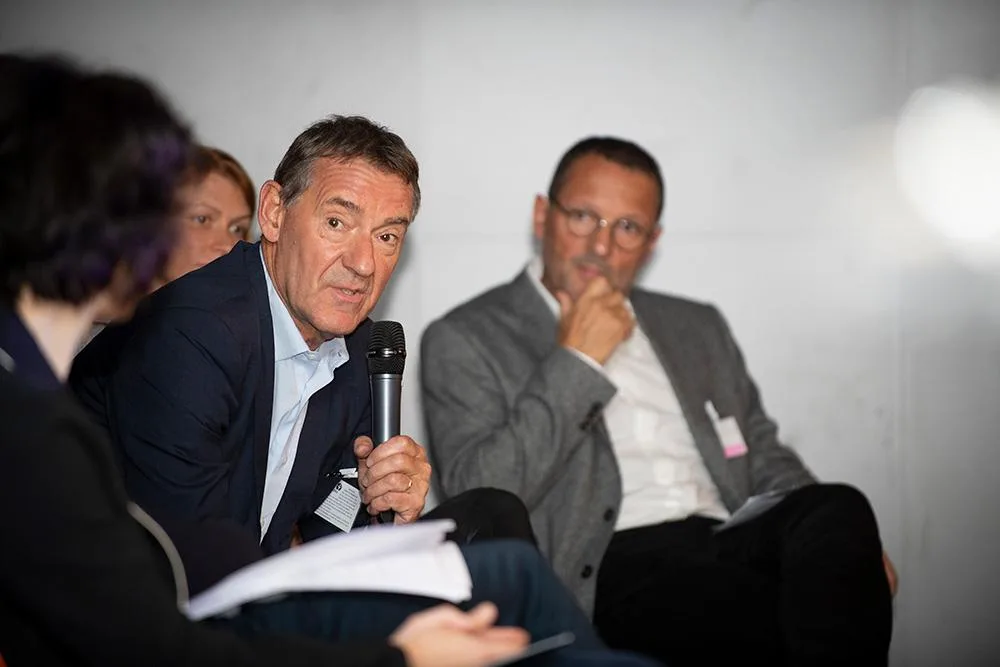
Economist Jim O'Neill, who led the 2016 UK government report on antimicrobial resistance, famously warned that by 2050, antibiotic resistance could cause 10 million deaths annually worldwide, surpassing cancer. (Source: pasteur.fr)
Global cooperation is essential. The United Nations General Assembly addressed antibiotic resistance in 2016. They called for international collaboration. Public awareness campaigns also empower individuals. They teach people when antibiotics are truly needed. So, this isn’t just a doctor’s problem; it’s everyone’s. Protecting antibiotics means protecting our shared future.
Frequently Asked Questions
What are antibiotics? Antibiotics are medicines that specifically kill or slow the growth of bacteria. They revolutionized medicine, treating bacterial infections like pneumonia and tuberculosis. But they’re useless against viruses.
Can I get an antibiotic-resistant infection from food? Yes, resistant bacteria can spread from animals to humans through the food chain. This happens if meat is not handled or cooked properly. It is one reason why agricultural antibiotic use is a concern.
How can individuals help combat antibiotic resistance? Individuals can help by only taking antibiotics when prescribed by a doctor. They should finish the entire course, even if they feel better. Never share antibiotics. Also, practice good hygiene to prevent infections.
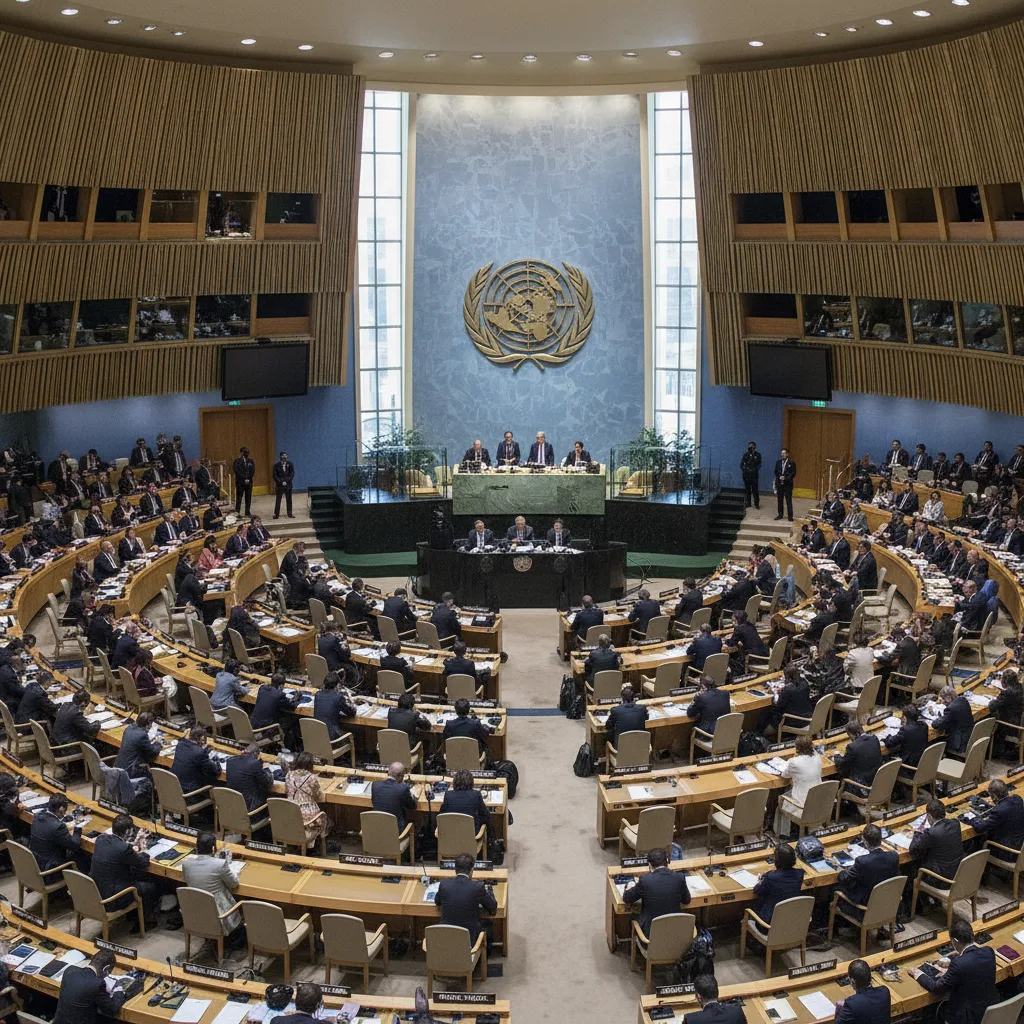
The United Nations General Assembly addressed antibiotic resistance in 2016, marking only the fourth time in history that the UNGA had taken up a health issue. This high-level meeting underscored the urgent need for global cooperation to combat the silent crisis. (AI-generated illustration)
You might also like:
👉 Virtual Reality in Healthcare: Revolutionizing Medicine & Patient Care