Argentina 2001: The $95 Billion Default That Shook Markets
When a nation defaults, its financial system faces collapse. Argentina's 2001 default, totaling over $95 billion, was then the largest in history.
When a nation defaults: the immediate fallout
When a nation defaults on its debt, its financial system faces collapse. Argentina’s 2001 default, totaling over $95 billion, was then the largest in history. A national debt default, also known as a sovereign default, means a government fails to pay its debts. This can involve missing payments on principal, interest, or both.
These defaults hit bonds and loans held by many creditors. Private investors, domestic banks, pension funds, and even other governments are all affected. They expect their money back on time. The defaulting nation faces severe, immediate, and lasting consequences.
The financial system crashes
Credit rating agencies move fast during a default. Standard & Poor’s, Moody’s, and Fitch immediately downgrade the nation’s debt. They often move it to “D” or “SD” status, meaning default or selective default. This warns global markets of extreme non-payment risk.
Borrowing costs for the defaulting government skyrocket. Investors demand sky-high interest rates for any new loans. The country gets shut out from international capital markets. Fresh capital for government operations disappears.
The national currency plummets in value. Russia’s 1998 default saw the ruble lose 71% of its value against the US dollar. This devaluation happened in just six months. Such currency drops make imports much more expensive.
Domestic stock markets fall sharply. Investor confidence collapses. Foreign capital flees the country. This capital flight speeds up the economic downturn.
Existing government bonds plummet in value. This causes huge losses for domestic and international bondholders. Banks and pension funds holding these bonds face deep trouble. Their balance sheets take an immediate hit.
Bloomberg reported that after Russia’s 1998 default, its sovereign bond yields surged. They rose from around 10% to over 100% in weeks. This shows how quickly perceived risk spiked.
A catastrophe at home
Greece’s 2012 private sector default triggered a deep recession. Its Gross Domestic Product (GDP) shrank by 25% from 2008 to 2013. Greek citizens faced huge economic pain during this time.
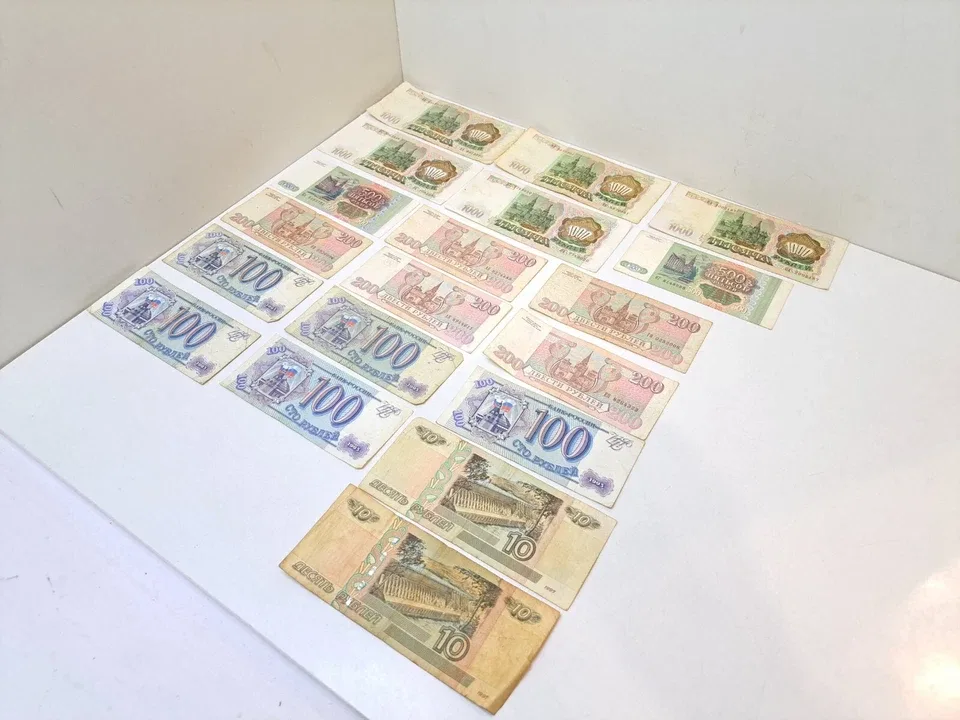
The Russian ruble experienced a dramatic devaluation during the 1998 financial crisis, losing 71% of its value against the US dollar in just six months after the nation defaulted on its debt. This collapse made imports significantly more expensive for Russian citizens. (Source: ebay.com)
The domestic banking sector comes under great pressure. Banks often hold many government bonds as core assets. These assets become almost worthless after a default. This can start a systemic banking crisis.
Citizens panic and withdraw their deposits. This “bank run” worsens financial instability. Governments may impose capital controls to stop money from leaving.
Pension funds get hit hard. They invest heavily in government debt to protect retirees’ futures. A default can wipe out a large part of these important savings. Millions of retirees face ruinous losses.
Inflation spirals out of control. Governments may print money to cover essential expenses. This new currency erodes its value even more. Prices for imported goods soar.
Basic necessities like food, medicine, and fuel become unaffordable for many. Argentina’s 2001 default brought food shortages and a spike in poverty. Over 50% of its people fell below the poverty line.
Public services face immediate, deep cuts. Governments slash spending on healthcare, education, and infrastructure projects. Essential services get worse fast. Hospitals run out of supplies.
Unemployment rates surge. Businesses can’t get credit or essential imported raw materials. Many companies halt operations or lay off many workers. Argentina’s unemployment peaked at over 20% after its 2001 crisis.
The International Monetary Fund (IMF) intervenes. It provides emergency loans to defaulting nations. These loans come with strict austerity conditions. They demand deep budget cuts and economic reforms.
Global ripple effects
The 1998 Russian default helped cause the near-collapse of Long-Term Capital Management (LTCM). This prominent US hedge fund held a lot of Russian debt. The US Federal Reserve arranged a $3.6 billion bailout by major banks.
Financial contagion spreads fast globally. Investors withdraw funds from other emerging markets. They fear similar defaults might happen elsewhere. This creates a “flight to safety.”
Capital moves to safe assets, like US Treasury bonds. This drains cash from vulnerable economies. It raises borrowing costs for other developing nations.
Global trade relationships suffer greatly. The defaulting nation loses its creditworthiness. Its ability to finance imports and exports vanishes. This disrupts supply chains.

Argentina's 2001 default led to severe food shortages, a spike in poverty affecting over 50% of its population, and unemployment rates soaring above 20%. (Source: en.wikipedia.org)
Other nations holding the defaulted debt lose a lot of money. This can destabilize their own financial systems. For example, some European banks held many Greek government bonds before 2012.
The World Bank says trust erodes in the international financial system. Sovereign defaults threaten the stability of global finance. They increase uncertainty for everyone involved.
Many sovereign defaults could trigger a global recession. This severely threatens international economic cooperation. It could hurt global economic growth.
Developing nations are especially vulnerable to contagion. They rely on foreign capital and stable trade relationships. A major default can push them into crisis.
The long, painful road to recovery
Argentina spent over 15 years in partial default after its 2001 crisis. It only settled with holdout creditors in 2016. This legal battle kept it out of global markets for years.
Regaining investor trust is a hard, long process. Some nations need decades to restore their credibility. Others struggle to recover their pre-default economic standing.
Borrowing costs stay always high for the defaulting nation. The country must pay a “risk premium” for all future loans. This higher cost slows long-term economic development.
This makes financing infrastructure projects and social spending very difficult. It keeps the economy stagnant. The nation struggles to invest in its future.
Debt restructuring negotiations are complex and long. They involve many creditors and long legal battles. Creditors demand “haircuts,” accepting less than the original amount owed.
Academic research by Carmen Reinhart and Kenneth Rogoff studies historical defaults. Their book “This Time Is Different” shows recoveries often take many years. It can take 5-7 years for GDP growth rates to normalize.
Foreign direct investment (FDI) disappears or drops sharply. International companies avoid politically and economically unstable countries. This limits job creation and economic growth even more.
The country faces a long period of austerity. Citizens live with reduced living standards for a long time. Public services remain underfunded.
Political instability persists for years. Governments struggle to manage public discontent and deep economic hardship. This can lead to frequent leadership changes.

Carmen Reinhart and Kenneth Rogoff are influential economists whose book "This Time Is Different" provides extensive historical analysis of financial crises and sovereign defaults, demonstrating that economic recoveries often take many years. Their work is crucial for understanding the long-term consequences of national debt defaults. (Source: archive.nytimes.com)
The defaulting nation must make painful economic reforms. International lenders often demand these. These reforms restore fiscal discipline and market confidence.
FAQs
What’s a “sovereign default”? A sovereign default happens when a national government fails to repay its debt. This can mean missing principal or interest payments.
How do credit ratings affect a country? Credit ratings judge a country’s ability and willingness to repay its debt. A downgrade signals higher risk to investors, sharply increasing the country’s borrowing costs.
Can a country choose to default? Yes, a government can decide to default. This is often a last resort when its debt burden becomes too much. The country then has no other options.
What’s the IMF’s role? The International Monetary Fund provides financial help to countries facing severe economic crises. These emergency loans often come with strict conditions for economic reform and fiscal discipline.
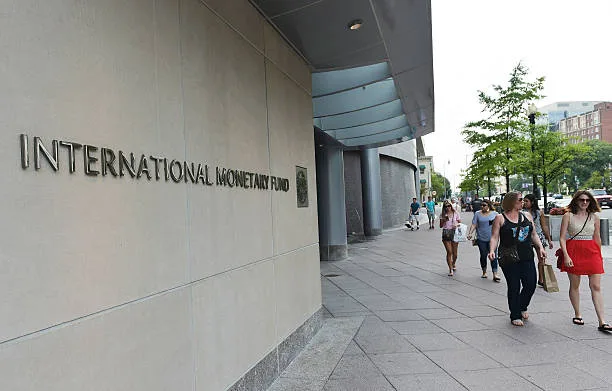
The International Monetary Fund (IMF) is a major international financial institution, headquartered in Washington, D.C., comprising 190 countries working to foster global monetary cooperation, secure financial stability, facilitate international trade, promote high employment and sustainable economic growth, and reduce poverty around the world. (Source: gettyimages.in)
You might also like:
👉 The Economic & Societal Impact of Government Shutdowns