
The $128 Billion Pet Food Revolution: Beyond Kibble
Forget basic kibble: the $128 billion pet food market now mirrors human culinary trends, transforming how we feed our beloved companions.
Beyond Kibble: What’s Driving the Pet Food Revolution
Pet food today is a $128 billion industry, far more complex than simple kibble. Most people picture basic fuel for animals. Yet, this market has changed dramatically. It now reflects human food trends and our strong bond with pets.
The global pet food market reached an estimated $128 billion in 2023, according to Grand View Research. North America, Europe, and the Asia-Pacific region contribute most of this revenue. Pet food was once a cheap commodity, just a way to feed an animal. That view has completely changed in recent decades.
Giants like Mars Petcare, Nestlé Purina, and J.M. Smucker lead the way. Many new startups also compete. These companies serve owners who treat their pets like family. This means pet food isn’t just “animal feed” anymore. It’s “companion animal nutrition.” It’s about health, wellness, and ethical choices for our pets.
The Humanization Effect
The global pet food market should grow by 4.4% each year from 2024 to 2030, Grand View Research says. This growth comes from the humanization of pets. Owners treat their animals like children or close family. So, they want the same quality, variety, and health benefits for pet food as they want for themselves.
If you buy organic or gluten-free food for yourself, you’ll probably look for similar options for your dog or cat. This trend forces manufacturers to invent new things. They create products with better ingredients and special recipes. This shift makes people willing to spend more on pet food, boosting its value.
This trend is strongest in rich countries. In the US, pet owners spent over $136 billion on their pets in 2022. Food and treats made up the biggest part, says the American Pet Products Association (APPA). This spending shows how much owners care about their pets’ health.
Ingredient Innovation
Over 20% of new pet foods in 2023 used a new protein or were plant-based, Innova Market Insights reported. This marks a big change from old meat and grain recipes. Pet food companies now explore many ingredients. They want to fix specific health issues and lessen environmental harm.
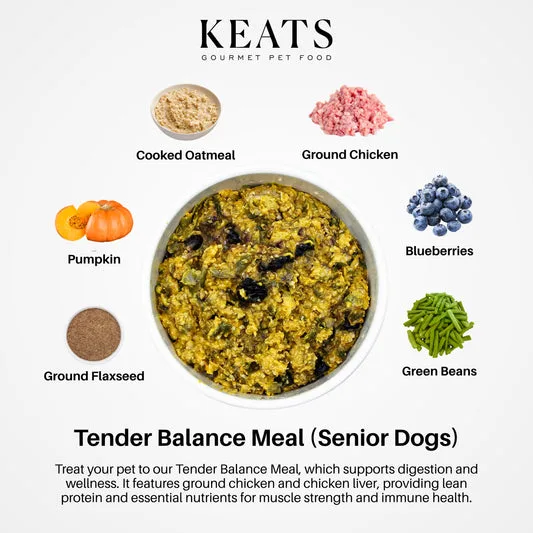
Driven by the 'humanization of pets' trend, pet owners increasingly seek human-grade pet food, mirroring their own preferences for high-quality, organic, or specialized ingredients to ensure their companions' health and wellness. (Source: keatsgourmet.com)
New proteins are popular. These include insect proteins, like black soldier fly larvae. Plant-based proteins from peas, potatoes, and lentils are also used. These options help pets with allergies to common ingredients like chicken or beef. Owners also like them for their sustainability. Jiminy’s, for example, makes insect-based dog food. It’s hypoallergenic and good for the planet.
Beyond protein, functional ingredients are key. These include probiotics for gut health, omega-3 fatty acids for skin and coat, and antioxidants for immunity. Consumers want their pet’s food to deliver specific health results. This drives demand for ingredients that offer real benefits. It’s like how we pick supplements or special foods for our own health.
Fresh and raw diets also show this ingredient focus. Brands like The Farmer’s Dog and Stella & Chewy’s sell frozen or refrigerated human-grade meals. Owners see these diets as less processed and more natural. Scientists are still studying if they’re truly better. Even so, demand for them keeps growing fast.
Sustainability and Ethical Sourcing
In 2022, 58% of global consumers worried about pet food’s environmental impact, Mintel found. This concern pushes the industry to use more sustainable and ethical ingredients. Traditional meat production leaves a big environmental footprint. So, consumers want other options.
Sustainable proteins lead this change. Insect proteins, for instance, need less land, water, and feed than traditional livestock. Upcycled ingredients also help. These are food byproducts, like brewery grains or fruit pulp, that would otherwise be trash. Companies turn them into nutritious pet food, cutting waste.
Packaging is another key area. Many companies ditch single-use plastic bags. They use recyclable, compostable, or biodegradable materials instead. Open Farm, for instance, uses ethically sourced meats and sustainable fishing. They also show where their ingredients come from. This helps you choose wisely.
Ethical sourcing also means animal welfare. People want pet food made with humanely raised meats or cage-free eggs. Brands showing this commitment earn trust. They connect with owners who care about the whole supply chain.
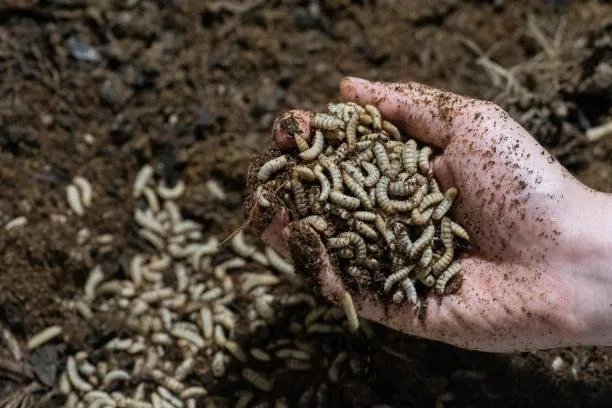
Black soldier fly larvae are a rapidly growing source of sustainable protein in the pet food industry, requiring significantly less land, water, and feed than traditional livestock. Their use addresses both pet allergies and environmental concerns, making them a key 'new protein' trend. (Source: gettyimages.com)
Personalization and Online Sales
Online sales now make up over 30% of US pet food revenue, a 2023 Packaged Facts report states. This digital shift sparked a boom in personalization and direct-to-consumer (DTC) sales. Pet owners now get tailored nutrition like never before.
Imagine a personalized meal-kit service, but for your pet. Brands gather data on a pet’s breed, age, weight, and activity. They also look at specific health issues. Then they make custom diets. Nom Nom and Spot & Tango deliver these meals right to your door. This customization was almost impossible in regular stores.
Online stores made this trend easier. They offer convenience, more choices, and often subscription plans. These plans keep food coming. They also build customer loyalty. Big retailers like Chewy and Amazon invested a lot in pet food e-commerce. This helps consumers find and buy special products.
Online buying also helps smaller brands. They can reach specific customers without huge distribution networks. This brings more competition and new ideas to the market. It also gives you more choices.
Regulations and Safety
The FDA regulates US pet food, ensuring its safety and proper labels. The Association of American Feed Control Officials (AAFCO) also helps. AAFCO sets ingredient definitions, nutrition standards, and labeling rules. States adopt these guidelines voluntarily.
People want transparent pet food. This has increased regulatory oversight. Owners want to know exactly what’s in their pet’s food. They also want to feel sure about its origin and safety. This means a bigger focus on tracing ingredients. Manufacturers must provide clear, accurate label info.
Food safety is still a top worry. Pet food recalls are rare, but they can ruin trust and a brand’s name. In 2018, for example, a recall of pet foods with high vitamin D levels caused big concern. This led to calls for tougher testing and quality control.
Vets also guide pet owners. They often suggest specific diets for pets with health problems. Their advice matters a lot. Brands working with vets or doing good scientific research often get ahead. This shows they care about pet health, not just sales.
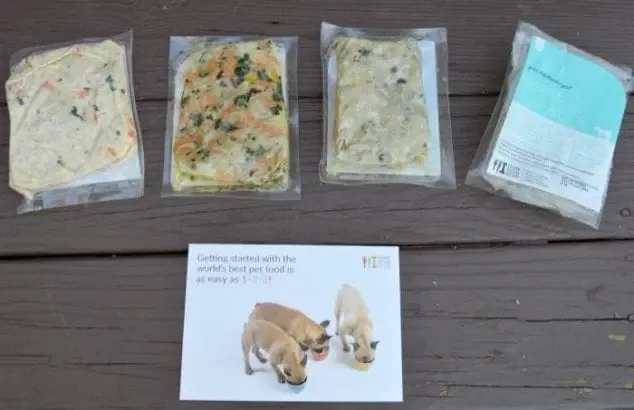
Nom Nom is a prominent brand in the booming personalized pet food market, delivering fresh, custom-portioned meals directly to pet owners' homes based on their pet's unique dietary needs and health profile, a trend fueled by online sales. (Source: familyfocusblog.com)
The Future Plate
New technologies are set to keep the pet food industry innovating. Lab-grown meat (cultivated meat), for instance, could offer a sustainable protein source. Companies are seeing if it works for pet food. This could greatly cut our reliance on traditional livestock farming.
Nutrigenomics is another big step forward. This field studies how nutrients interact with an animal’s genes. It could create highly personalized diets. These diets would support health based on a pet’s unique genetic code. Imagine food made not just for your dog’s breed, but for their specific genetic risks.
Artificial intelligence (AI) will likely play a bigger role in diet advice and supply chain management. AI could analyze huge amounts of data. This includes pet health, ingredient effectiveness, and market trends. It could help create even more precise and effective pet food.
The main challenges are still cost, scaling up, and proving the science. New tech often costs more. Showing the long-term benefits of new ingredients and custom diets takes a lot of research. The industry must balance what consumers want with real science and fair prices. Your pet’s future plate will be more diverse, sustainable, and custom-made than ever.
FAQ
Is grain-free pet food always better for my pet? Not necessarily. The benefits of grain-free diets are often misunderstood. Unless your pet has a diagnosed grain allergy, grains can provide valuable nutrients. Consult your veterinarian for personalized dietary advice.
What are ‘limited ingredient diets’ (LIDs)? LIDs contain a minimal number of ingredients, usually one protein source and one carbohydrate source. They are designed for pets with food sensitivities or allergies. This simplifies identifying problematic ingredients.
How do I choose the right pet food for my animal? Consider your pet’s age, breed, activity level, and any specific health conditions. Look for foods that meet AAFCO nutritional standards. Always discuss your choices with your veterinarian.
Are raw pet food diets safe? Raw food diets carry a risk of bacterial contamination, which can be harmful to both pets and humans. They require careful handling and preparation. Discuss the risks and benefits thoroughly with your vet before feeding a raw diet.
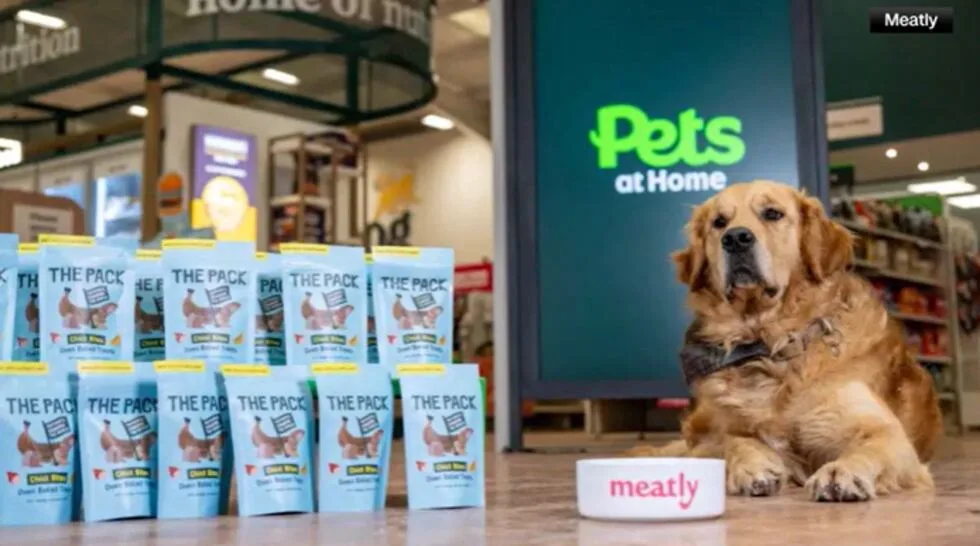
Lab-grown meat, also known as cultivated meat, is an emerging technology being explored as a sustainable protein source for pet food. This innovation aims to significantly reduce the pet food industry's reliance on traditional livestock farming by growing animal cells in a controlled lab environment. (Source: wsaz.com)
You might also like:
👉 Unplugging for $800 Billion: The 2023 Digital Detox Boom
👉 The $546 Billion Space Race: Private Money, Global Rivalries
👉 The Future of DeFi Protocols: Navigating Web3’s Financial Revolution