
CBO's 1975 Origin: Alice Rivlin's Fight for Unbiased Data
Alice Rivlin, the CBO's first director, faced a daunting task in February 1975: creating an independent agency for unbiased economic analysis.
Alice Rivlin walked into a small office on Capitol Hill in February 1975. Her task was daunting. As the first director of the new Congressional Budget Office (CBO), she had to create an independent agency. It would give Congress unbiased budget and economic analysis. Congress created it after decades of budget fights with the President.
Congress used to rely on the President’s budget office for economic data. This gave the President too much power. President Richard Nixon’s impoundment of funds in the early 1970s made Congress demand its own information. They needed independent experts.
So, the Congressional Budget and Impoundment Control Act of 1974 created the CBO. This law strengthened Congress’s budget role. It required the CBO to publish regular reports on the economy and federal budget. The CBO had to be non-partisan, giving analysis free of politics. It changed how Washington managed its money.
A non-partisan watchdog is born
The Congressional Budget and Impoundment Control Act changed that. It gave Congress tools to make its own budget plans. The CBO’s main job: cost estimates for bills. It also projected future economic trends.
Alice Rivlin, a respected economist, became the CBO’s first director. She built the agency from nothing in 1975. Her team worked hard to make the CBO known for accuracy and fairness. This was vital for its trust.
The CBO’s first reports set the stage for later budget talks. They gave Congress a new, independent view of federal money. This fresh analysis would soon shape big laws.
Early forecasts: challenges and influence
In 1976, the CBO released its first Budget and Economic Outlook. This report projected the federal budget five years out. It also forecast economic growth, inflation, and unemployment. Lawmakers quickly found this new information essential.
The late 1970s saw economic trouble: high inflation and energy crises. The CBO’s analysis helped Congress grasp these issues. Its reports shaped debates on taxes and spending. Lawmakers finally had an unbiased starting point.
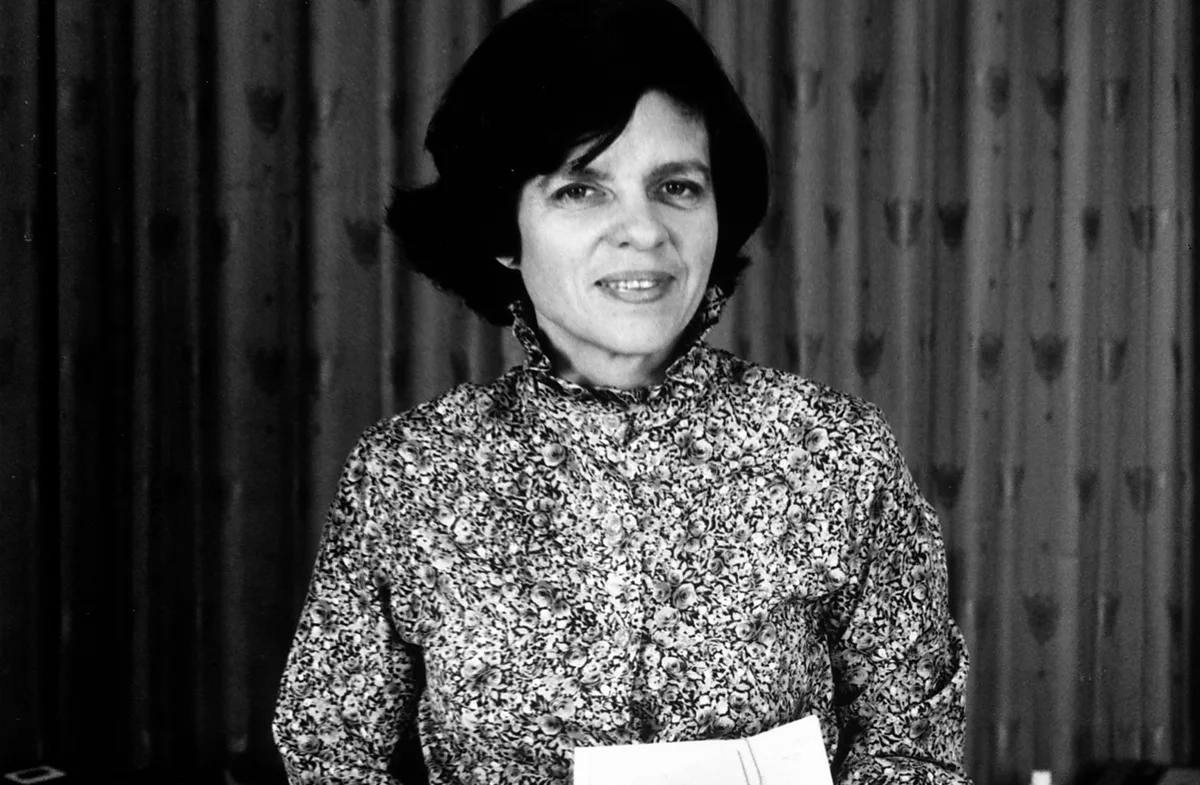
Alice Rivlin, a respected economist, served as the first director of the Congressional Budget Office (CBO) from 1975 to 1983, tasked with building the independent agency from scratch to provide Congress with unbiased budget and economic analysis. (Source: vox.com)
By the mid-1980s, federal deficits worried everyone. The Gramm-Rudman-Hollings Act of 1985 tried to cut them. This law set specific deficit targets for years ahead. It even included automatic spending cuts if targets weren’t met.
The CBO’s deficit projections became key to this process. Congress depended on the CBO to see if targets were hit. House Speaker Tip O’Neill, for example, used CBO numbers to shape budget talks. These figures guided tough decisions.
Clinton’s era and budget surpluses
In January 1993, the CBO published its outlook for the next decade. It projected ongoing, rising budget deficits. This forecast shaped President Bill Clinton’s early agenda. He’d campaigned on cutting deficits.
The 1993 act directly used these CBO numbers. This act cut spending and raised taxes. It eventually helped reverse the nation’s financial course. The CBO’s analysis laid out how to reach these tough compromises.
As the economy grew through the mid-1990s, CBO projections changed. By January 1997, the CBO famously forecast a federal budget surplus for fiscal year 1998. This was the first projected surplus in almost 30 years. The CBO predicted a $32 billion surplus.
This surprise shift sparked new debates in Washington. Lawmakers now argued how to spend the projected surpluses. The Taxpayer Relief Act of 1997 came directly from this. It cut taxes significantly. CBO’s optimistic forecasts guided these decisions.
Recessions and rising debt
The economy changed fast in the early 2000s. The dot-com bubble burst. Then came the September 11 attacks. CBO reports quickly showed these new realities. By January 2002, the CBO projected a return to budget deficits.
The Great Recession hit in 2008. This created huge demand for CBO’s economic analysis. CBO Director Douglas Elmendorf gave Congress vital data on the downturn. His office analyzed how proposed stimulus measures might work.
In January 2009, the CBO projected a $1.4 trillion federal budget deficit for that year. This was the largest deficit compared to the economy’s size since 1945. These stark numbers showed how deep the crisis was. They shaped urgent policy responses.
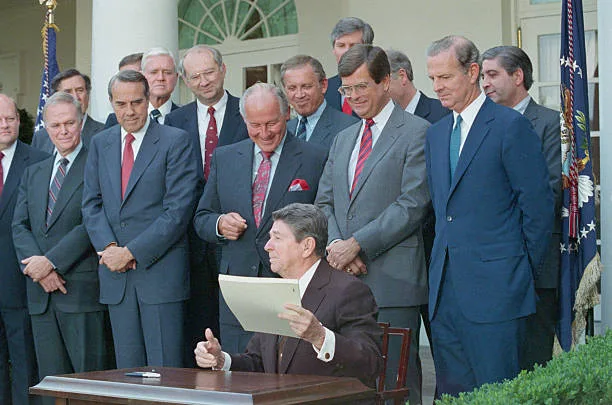
President Ronald Reagan signs the Gramm-Rudman-Hollings Act in December 1985, flanked by its sponsors. This landmark legislation aimed to cut federal deficits by setting specific targets, making the CBO's economic projections central to the budget process. (Source: gettyimages.com)
Congress passed the American Recovery and Reinvestment Act of 2009. The CBO scored this huge stimulus package. It estimated its short-term effects, like job creation. It also assessed its long-term impact on national debt. These projections guided a monumental government action.
The future of fiscal foresight
Each year, the CBO publishes its Budget and Economic Outlook, usually in January. These reports project the federal budget and economy 10 years ahead. They give an essential, non-partisan view of America’s financial health.
CBO Director Phillip Swagel often testifies before Congressional committees. He explains the agency’s findings. The CBO also provides cost estimates for thousands of bills each year. These estimates help lawmakers grasp the financial impact of their choices.
In May 2023, the CBO released its Long-Term Budget Outlook. It projected federal debt held by the public to hit 115 percent of GDP by 2033. This forecast showed ongoing challenges: rising healthcare costs and an aging population. Such projections fuel debates about the nation’s long-term financial health.
The CBO’s independent analysis remains vital for Congress. It gives a common set of facts in a often-divided political world. This unbiased information helps policymakers make tough choices. It impacts everything from tax reform to infrastructure. The CBO’s role as a fiscal compass will only get more important.
FAQ
What is the CBO? The CBO, or Congressional Budget Office, is an independent, non-partisan agency. It gives budget and economic information to the U.S. Congress. It helps lawmakers make smart decisions about federal spending and taxation.
How does the CBO make its projections? The CBO uses complex economic models, historical data, and current legislative details. Its economists and analysts look at things like population growth, productivity, and global economic trends. They aim for unbiased forecasts.
Are CBO projections always accurate? CBO projections are the best available estimates, but they aren’t perfect. They depend on many assumptions about future economic conditions and policy choices. Unexpected events, like recessions or wars, can make actual outcomes differ from initial forecasts.
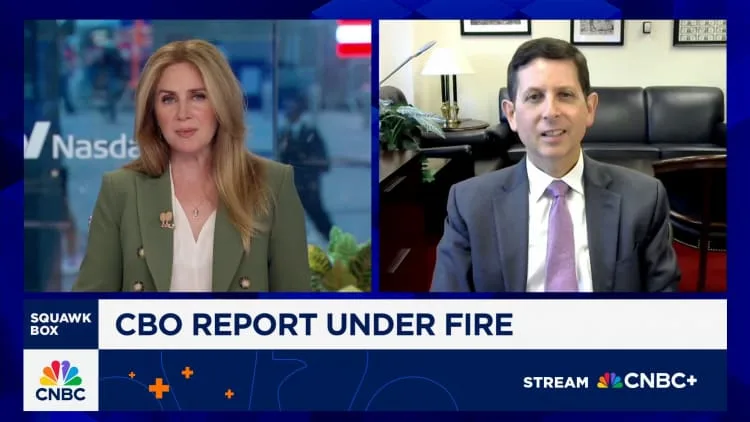
Phillip Swagel, the current Director of the Congressional Budget Office, frequently testifies before Congressional committees to explain the CBO's non-partisan economic and budget analyses, guiding lawmakers on the financial impact of their policy choices. (Source: cnbc.com)
Who uses CBO projections? Members of Congress, their staff, and various committees widely use CBO projections. These numbers guide policy debates, budget resolutions, and bill cost estimates. Journalists, researchers, and the public also rely on CBO data to understand federal finances.
You might also like:
👉 The Economic & Societal Impact of Government Shutdowns