CDC Health Alerts: The Untimely Truth of HAN Messages
Many believe CDC public health alerts are always timely and precise. Discover why urgent HAN messages often fall short of expectations.
CDC Alerts: The messy truth
The CDC protects Americans’ health and safety. It does this often through public health alerts. Many think these alerts are always timely, precise, and actionable. They’re not. The truth is more complicated.
The CDC is a federal agency under the U.S. Department of Health and Human Services. It sends out many health messages. These include urgent Health Alert Network (HAN) messages, less critical Health Advisories, and Travel Health Notices. HAN messages go to health professionals, giving them urgent details about public health threats. Travel notices tell the public and travelers about health risks in certain places. These messages aim to save lives and stop illness in the U.S. and worldwide. They’re our first warning against new dangers.
alerts aren’t always on time or clear
On February 29, 2020, the CDC confirmed COVID-19’s first U.S. community spread. Many alerts followed. People often assume these alerts are always perfectly timed and clear. They aren’t.
Early in the COVID-19 pandemic, public health messages struggled. In February and March 2020, initial CDC guidance told the public not to wear masks. Officials said masks didn’t work outside of hospitals. By April 2020, the CDC changed its mind. It then recommended everyone wear masks. Dr. Anthony Fauci, then head of the National Institute of Allergy and Infectious Diseases, admitted this shift caused “some confusion.” He said this in an August 2020 interview with The New York Times. Such changes show science evolves, but they can also hurt public trust.
Clarity is also tough. A 2020 Health Affairs study looked at public health messages during outbreaks. Researchers found messages often used complex words and jargon. This made understanding hard for people with lower health literacy. The CDC wants to reach everyone, but technical language can accidentally leave out vulnerable groups.
Alerts also need fresh data. During the 2022 mpox (monkeypox) outbreak, data delays showed up. State health officials said CDC data on case numbers and how the virus spread often fell behind their local findings. This delay kept local health departments from using resources well. Dr. Nirav Shah, then Director of the Maine CDC, expressed frustration. He said local agencies needed “real-time data, not historic snapshots” to act quickly.
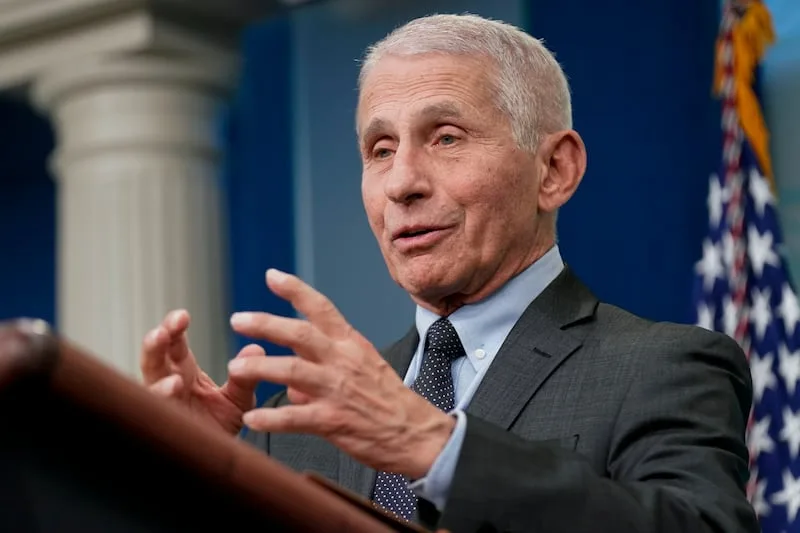
Dr. Anthony Fauci, then head of the National Institute of Allergy and Infectious Diseases, admitted in an August 2020 interview that the CDC's shifting mask guidance during the early COVID-19 pandemic caused "some confusion," illustrating challenges in public health communication. (Source: deseret.com)
The CDC does important work. It often sends resources fast during new crises. For instance, its quick action with epidemiologists and resources during the 2014 Ebola outbreak got much praise. The World Health Organization (WHO) thanked the CDC for its important help in West Africa. This showed it could respond globally. The real test is keeping that immediate effectiveness in every situation.
alerts have unseen impacts
In May 2021, the CDC told people, “Do Not Travel” to Japan (Level 4). This came just two months before the Tokyo Olympics. This health advisory shows how CDC alerts reach beyond just medical issues. We often miss their wider impact.
Travel Health Notices, especially, carry a big economic cost. Japan’s government got angry about the May 2021 advisory. Chief Cabinet Secretary Katsunobu Kato publicly said the CDC’s view didn’t match Japan’s health data. The advisory clearly hurt Japan’s struggling tourism and hospitality businesses. This shows how health rules can clash with a country’s economy.
Too many alerts can also make people tune out. This “alert fatigue” stops important messages from getting through. A 2023 Kaiser Family Foundation survey showed this problem. It said many Americans felt overwhelmed by health news. This means people ignore truly urgent warnings. If every warning feels urgent, none really stand out.
Inconsistent alerts, or ones seen as political, can destroy public trust. A 2021 Pew Research Center study showed trust in the CDC fell. Among Republicans, for example, trust dropped from 79% in April 2020 to 47% by September 2021. This lost trust, no matter why it happened, makes future health efforts weaker. If people doubt the messenger, the message dies.
Public health alerts also don’t reach everyone fairly. A 2022 Commonwealth Fund report showed big gaps. Health info, including official alerts, often missed marginalized communities. Non-English speakers, low-income people, and rural residents often get late or wrong messages for their culture. This worsens health gaps already there. Alerts only work if everyone can get and understand them.
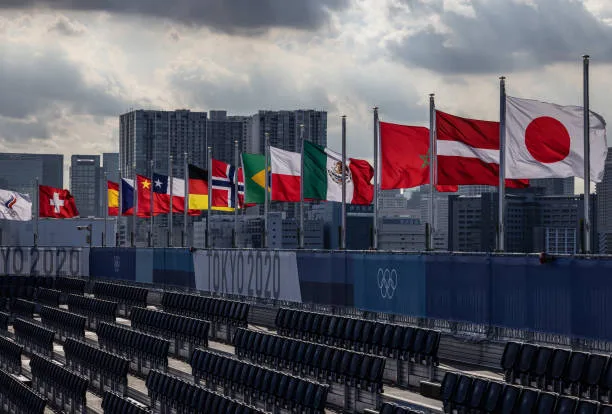
The CDC's 'Do Not Travel' advisory in May 2021, just two months before the Tokyo Olympics, sparked anger from Japan's government and highlighted the significant economic impact of health alerts on major global events like the Games. (Source: gettyimages.ca)
how to fix public health alerts
The CDC’s role in sending public health alerts is important. But today’s communication challenges need new ways. Just relying on bulletins isn’t enough. Future alerts must have smart science and smart social sense.
An important step is creating tailored messages for many channels. Alerts can’t be generic. They need to use many platforms and languages. Dr. Mandy Cohen, former CDC Director, emphasized this in a 2023 interview. She spoke about the need to reach people “where they are.” This means using trusted sources like social media, community leaders, and local health networks.
Being open about changing information is also important. Public health is a science of discovery. What we know today might change tomorrow. Dr. Ashish Jha, former White House COVID-19 Response Coordinator, always pushed for full honesty. He urged officials to say what they knew, what they didn’t know, and what they were doing to find answers. This builds trust and strength, even when things are unclear.
Constant talks with state and local health departments are important. Local agencies work on the front lines. Their ideas are essential for making useful and practical alerts. The National Association of County and City Health Officials (NACCHO) has long supported this idea. They want better two-way communication. This makes sure alerts fit local situations and resource limits.
Finally, alerts must weigh economic and social impacts. Public health rules have big effects on society. Balancing immediate health needs with wider economic and social well-being is complex. It needs careful thought, not just medical skill. Future alerts should include a full picture of their impact on society.
Public health alerts are more than just warnings. They are powerful tools. They change behavior, sway economies, and affect public trust. For them to truly work, they need precision, flexibility, and strong public trust. The future of public health depends on alerts with smart science, cultural sense, and social smarts. Only then can they truly protect us all.
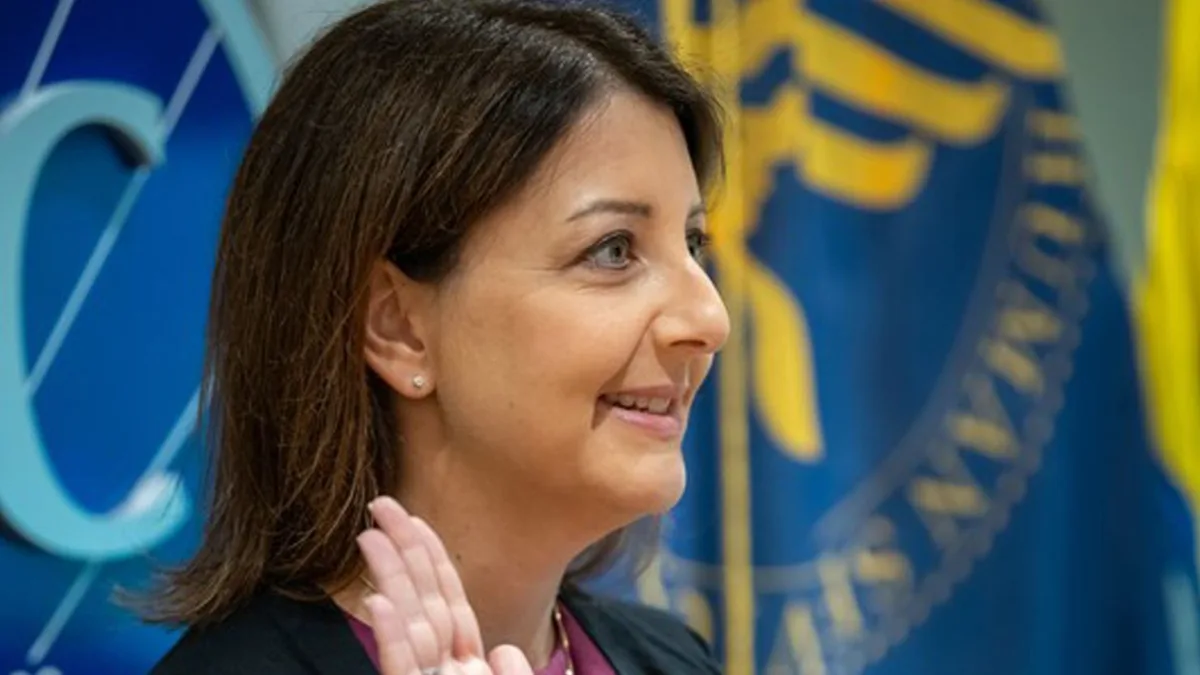
Dr. Mandy Cohen, former Director of the CDC, advocated for public health alerts to be tailored for many channels and languages, emphasizing the need to reach people "where they are" to improve communication effectiveness. (Source: cnn.com)
FAQ:
What is the CDC Health Alert Network (HAN)? The HAN is the CDC’s main way to send urgent public health information. It sends messages to state and local health departments, healthcare providers, and public health partners. These messages warn about serious health threats and suggest actions.
How do CDC Travel Health Notices work? Travel Health Notices guide international travelers and doctors. They sort health risks by place. Categories range from “Watch” (Level 1) to “Avoid Nonessential Travel” (Level 3) or “Do Not Travel” (Level 4). These notices help people understand risks before and during their trips.
Why are some CDC alerts criticized? Criticism often comes from problems with timing, clarity, and perceived inconsistencies. Alerts can arrive too late, use too much jargon, or change often. These issues make people confused and lose trust.
How can CDC alerts be improved? Improvements include using many ways to communicate. They should also be open about what’s still unknown and talk more with local health agencies. Weighing economic and social impacts when making alerts could also make them work better.
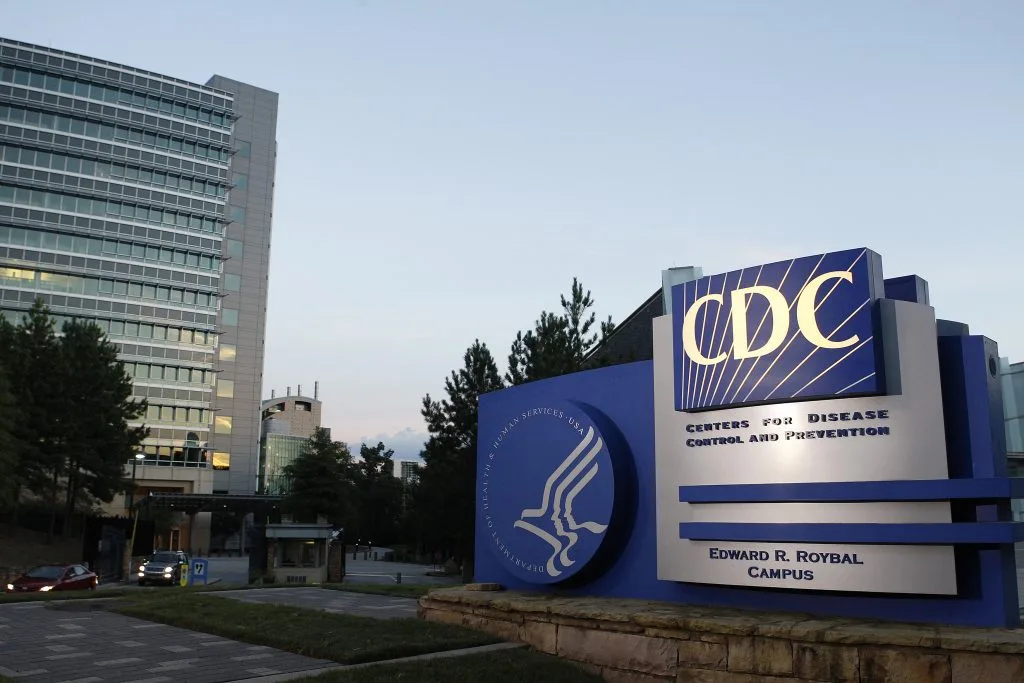
The Centers for Disease Control and Prevention (CDC) headquarters in Atlanta, Georgia, serves as the central hub for issuing the public health alerts and travel notices discussed in the article. This campus is where critical health information is compiled and disseminated to protect populations worldwide. (Source: pbs.org)
You might also like:
👉 SARS 2002: How a Chinese Farmer Sparked a Global Crisis
👉 Challenger’s 73 Seconds: The 1986 Disaster That Shocked NASA