
CDC's Vaccination Chart: Your Lifelong Shield Against Disease
Your vaccination chart is a lifelong shield. Learn how the U.S. CDC and ACIP build these schedules to protect your community.
The Vaccination Chart: Your Lifelong Shield
A vaccination chart isn’t just a list; it’s your lifelong shield. This simple guide tells you which shots you need and when to get them. These immunization schedules protect you and your community from infectious diseases. They’re built on decades of science and smart public health planning.
In the U.S., the CDC publishes the main immunization schedules. These recommendations come from the Advisory Committee on Immunization Practices (ACIP). ACIP is a group of medical and public health experts. They meet often to review vaccine data.
Globally, the World Health Organization (WHO) gives recommendations to countries. National health agencies adjust these guides for local diseases and health systems. These charts change often. They update as new science and vaccines become available.
How we got vaccine schedules
Vaccine charts grew from early wins against disease. Smallpox vaccination spread widely in the 1800s. Dr. Edward Jenner created this method in 1796. Louis Pasteur developed rabies and anthrax vaccines later that century. But these early efforts didn’t have a set schedule.
By the mid-1900s, new vaccines needed a plan. Shots for polio, measles, mumps, and rubella became available. Health authorities saw they needed good timing. This gives the best protection before germs hit. The American Academy of Pediatrics (AAP) began recommending vaccines in 1957.
The U.S. got its first full immunization schedule for kids in 1961. This schedule helped pediatricians. It listed recommended ages for smallpox, diphtheria, tetanus, pertussis, and polio vaccines. This standard plan boosted vaccine use. It also cut down childhood diseases a lot.
In 1964, the U.S. Public Health Service formed the ACIP. This committee set national vaccine rules. It guides the CDC. ACIP recommendations are the basis for all federally funded immunization programs. They also shape state and local health efforts.
Today, immunization schedules cover many diseases. These include measles, mumps, rubella (MMR), and diphtheria, tetanus, pertussis (DTaP). They also cover polio, hepatitis B (HepB), and human papillomavirus (HPV). Also on the list: flu, pneumococcal disease, and meningococcal disease. They protect everyone: babies, kids, teens, and adults.
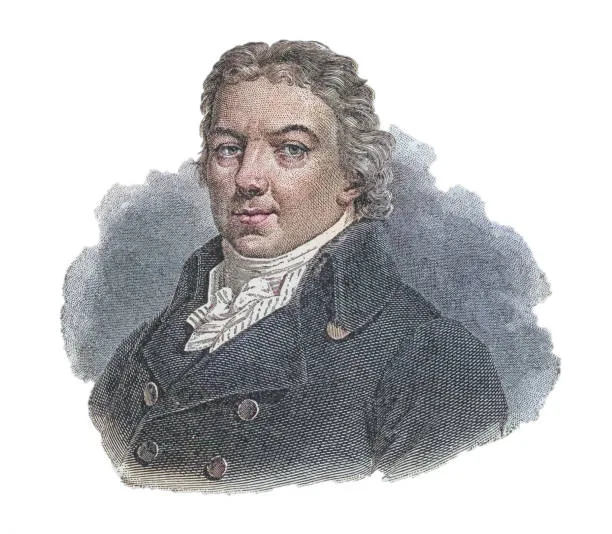
Dr. Edward Jenner, often called the 'father of immunology,' developed the world's first vaccine for smallpox in 1796. His pioneering work, based on observing cowpox immunity, laid the groundwork for modern immunization schedules. (Source: gettyimages.com)
How we build the schedule
Building an immunization chart needs tough scientific review. ACIP uses a 10-step process for vaccine recommendations. This process looks at several factors. It considers how many people get sick, how well the vaccine works, its safety, and how to use it. Each vaccine goes through many clinical trials before approval. These trials show it’s safe and works.
Vaccine efficacy is how well a vaccine prevents disease in controlled trials. Vaccine effectiveness shows how well it works in real-world conditions. Both are important for ACIP. The committee also considers potential side effects. These are usually mild and don’t last long.
The timing of vaccine doses is important. Babies get their first HepB vaccine shortly after birth. This protects them from getting it from their mother. The DTaP series starts at two months. This gives early protection from serious bacterial infections. Kids get multiple doses of some vaccines. This builds stronger, lasting immunity.
Catch-up schedules exist for people who miss shots. They make sure you can still get protected. For example, older children can receive HPV vaccine up to age 26. This stops certain cancers. The CDC gives detailed catch-up advice. This helps providers track complicated vaccine records.
Adult immunization schedules deal with ongoing risks. Tetanus and diphtheria boosters are needed every ten years. Flu vaccine is recommended yearly for everyone six months and older. Older adults need specific vaccines. These include high-dose flu shots and pneumococcal vaccines. This protects them as their immune system weakens with age.
Pregnant people follow a special vaccine chart. The Tdap vaccine is needed during each pregnancy. This protects newborns from pertussis, or whooping cough. This maternal shot gives the baby protection. It offers key protection before the baby can get their own shots.
Travelers might need extra vaccines. The WHO lists international travel vaccine recommendations. These depend on where you go. Yellow fever, typhoid, and Japanese encephalitis vaccines are examples. Providers check these charts for international travelers. This stops the spread of unusual diseases.
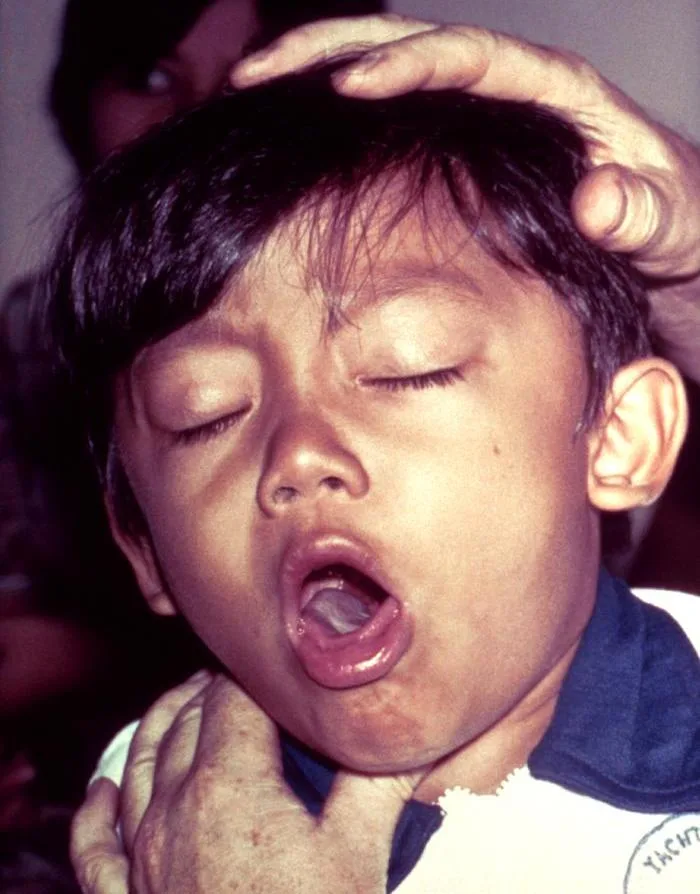
Pertussis, commonly known as whooping cough, is a highly contagious respiratory infection that can be deadly for infants. The characteristic 'whoop' sound occurs as children gasp for air after severe coughing fits, underscoring the critical importance of maternal Tdap vaccination during pregnancy to protect newborns. (Source: en.wikipedia.org)
What vaccine charts achieve (and what stands in the way)
Vaccine charts have changed public health deeply. The CDC declared smallpox gone worldwide in 1980. This came straight from widespread vaccination efforts. Polio cases dropped over 99% since 1988. This is thanks to worldwide vaccine efforts, says the WHO.
Before many people got measles shots, the U.S. had 3-4 million cases each year. The CDC reports measles cases dropped 99% after the vaccine arrived. Diphtheria, tetanus, and pertussis saw similar drops. These charts guide how we roll out these life-saving shots.
Despite these wins, challenges remain. Vaccine hesitancy is still a worry in many places. Bad information about vaccine safety can lower vaccination rates. The WHO calls vaccine hesitancy a top ten global health threat. Public health campaigns try to fight this.
Access to vaccines is also tough. Rural areas or low-income communities might not have enough health care. The Vaccines for Children (VFC) program in the U.S. gives free vaccines. This helps eligible children. It tries to remove cost as a reason not to vaccinate.
Maintaining high vaccination rates needs constant watch. Outbreaks of vaccine-preventable diseases can happen. These occur when community immunity falls too low. Measles outbreaks in recent years show this risk. These outbreaks often happen among unvaccinated people.
Global supply chain issues can make vaccines hard to get. Making and distributing vaccines can be complex and challenging. The COVID-19 pandemic showed these weak spots. International cooperation is key to fair vaccine access everywhere.
The future of immunization
Vaccination charts will continue to evolve. Researchers are making new vaccines. These target diseases like HIV, malaria, and Zika virus. New delivery methods are also being looked at. These include patches that don’t use needles, and oral vaccines.
We might see personalized vaccine schedules in the future. Genetic factors might affect how someone’s body responds. Custom schedules could give the best protection for a person’s unique body. This research is still new.
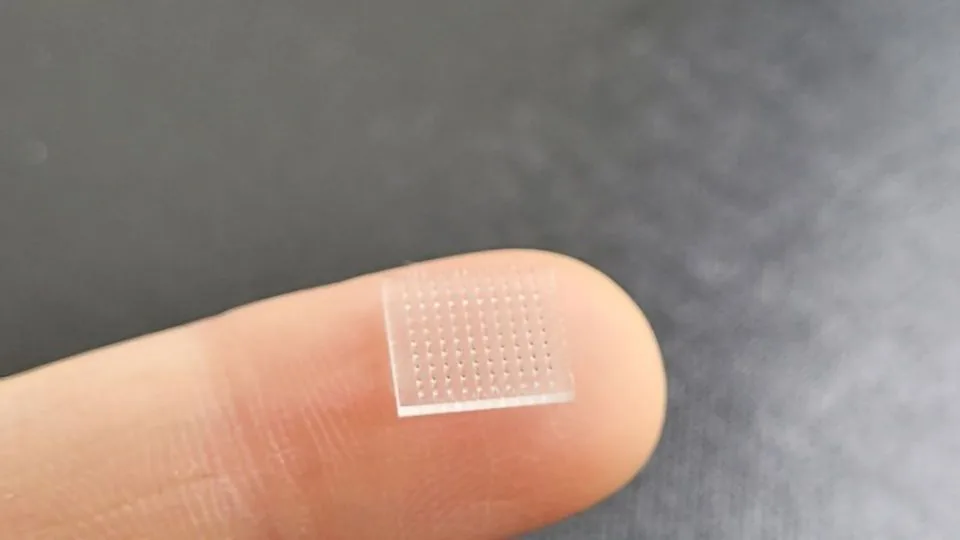
Microneedle vaccine patches are an innovative delivery method being researched for future immunizations. These patches can offer a pain-free alternative to traditional injections, potentially improving vaccine access and reducing medical waste. (Source: technologynetworks.com)
Artificial intelligence (AI) could also help. AI could look at huge amounts of health data. This could find the best vaccine strategies. It might predict outbreaks better. This could lead to more focused vaccine campaigns.
Global health efforts keep getting stronger. The WHO’s Immunization Agenda 2030 wants to reach more people with life-saving vaccines. It wants to cut deaths from diseases we can prevent with shots. This plan focuses on fairness and lasting results.
Immunization charts will stay a core part of public health. They will keep changing. New science and public health needs will fuel these changes. These living documents protect us now and in the future. They are important guides, constantly evolving to keep communities safe.
FAQ
What is a vaccination chart? A vaccination chart, or immunization schedule, is a guide. It lists recommended vaccines and their best timing. It covers individuals from birth through adulthood.
Who creates these charts? In the U.S., the CDC publishes charts based on ACIP recommendations. The WHO provides global guidelines. National health authorities adapt them locally.
Why are vaccination charts important? They ensure timely protection against infectious diseases. They build community immunity. This prevents widespread outbreaks.
Do vaccination charts change? Yes, they update regularly. This happens as new vaccines become available. It also occurs when scientific understanding evolves.

An official vaccination chart, or immunization schedule, serves as a critical guide, outlining recommended vaccines and their optimal timing from birth through adulthood. These 'living documents' are regularly updated by health authorities like the CDC and WHO to reflect new scientific understanding and vaccine availability. (AI-generated illustration)