
70 Million Americans Got an 8.7% Pay Bump in 2023. Did You?
Inflation erodes buying power. Learn how Cost of Living Adjustments, like the 8.7% Social Security COLA for 2023, protect over 70 million Americans.
Cost of Living Adjustments: Keeping Pay Up With Prices
Imagine your monthly income shrinking. Each year, your money buys less and less. That’s inflation, and it’s why Cost of Living Adjustments (COLAs) exist. They’re a simple idea: pay should keep pace with prices.
Protecting your buying power
The U.S. Social Security Administration announced an 8.7% cost of living adjustment for 2023. This big change affected over 70 million Americans. It was the largest increase in Social Security benefits in over four decades. The adjustment directly impacted monthly Social Security checks and Supplemental Security Income payments. It reflected high inflation from the year before.
A COLA changes wages or benefits. Its main purpose is to fight inflation. It helps people keep their buying power. Without COLAs, rising prices for goods and services quickly eat away at fixed incomes. These adjustments protect against economic erosion. They ensure a fixed income keeps its real value over time.
Many people get COLAs. Social Security beneficiaries, federal retirees, and disabled veterans are key examples. Many private union contracts also include COLA clauses. These adjustments usually happen every year. They reflect changes in consumer prices. This ensures a dollar today buys roughly the same as one last year. It directly supports millions of households.
Automatic COLAs started during high inflation. Workers demanded protection against rising costs. Governments also saw the need to support vulnerable people. The U.S. has a long history of using formal COLAs. The first automatic COLA for Social Security came in 1975. This important change followed amendments to the Social Security Act passed in 1972. Before 1975, Congress had to pass special laws for each benefit increase. That process was slow and often political.
The 1972 amendments linked Social Security benefits to the Consumer Price Index. This created an automatic adjustment. It removed political influence from annual benefit decisions. This change aimed to protect retirees steadily. It ensured benefits kept pace with the national economy. This system gives millions a clear structure.
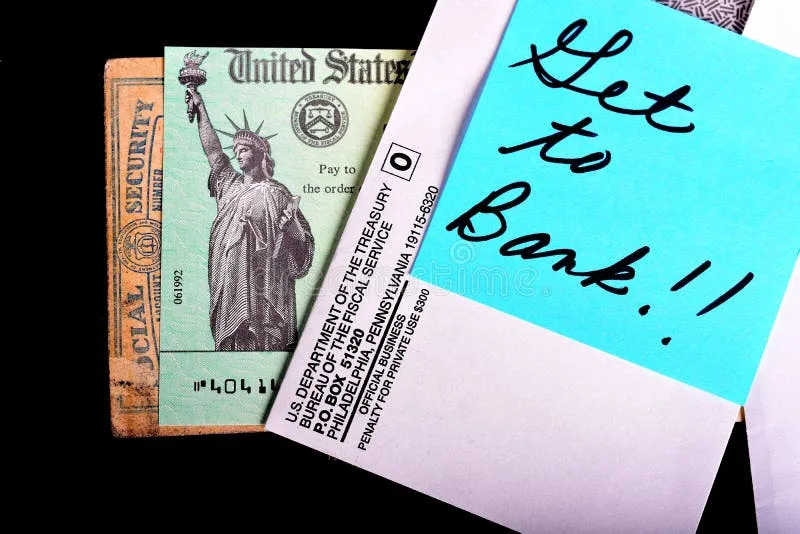
A Social Security check represents the tangible impact of Cost of Living Adjustments (COLAs). In 2023, the U.S. Social Security Administration announced an 8.7% COLA, the largest increase in over four decades, directly affecting the monthly payments of over 70 million Americans. (Source: dreamstime.com)
How we calculate COLAs
The Social Security Administration bases its annual COLA on the Consumer Price Index for Urban Wage Earners and Clerical Workers (CPI-W). The Bureau of Labor Statistics (BLS) publishes this index monthly. It tracks price changes for a fixed basket of goods and services. This basket shows typical household spending for urban workers. It includes items from over 200 categories.
The COLA calculation is exact. It compares the average CPI-W from the third quarter of the current year (July, August, September). It compares this three-month average to the prior year’s third-quarter average. The percentage increase between these two averages becomes the COLA. If there’s no increase or a decrease, there’s no COLA. This happened in 2010, 2011, and 2016, for instance. A zero COLA means benefits don’t change from the previous year.
The BLS details its CPI-W method on its official website. This index includes major categories: food, housing, transportation, and medical care. It also covers apparel and recreation. It aims to show typical spending for urban wage earners. It covers about 28% of the U.S. population. The BLS collects price data from thousands of stores and service providers. This data collection makes it accurate.
The Social Security Administration usually announces the new COLA in October. This gives beneficiaries plenty of notice. The adjustment takes effect in December. Benefits for the next year show the change. For example, the 2023 COLA applied to benefits paid starting January 2023. This process gives beneficiaries a clear schedule. It allows for financial planning.
Beyond Social Security, other government programs and private groups use different indexes. Some private pension plans might use the broader Consumer Price Index for All Urban Consumers (CPI-U). This index covers more people. It includes professional and salaried workers, the self-employed, and the unemployed. It covers about 93% of the U.S. population. The CPI-U often shows slightly different inflation trends than the CPI-W.
Federal civilian and military retirement annuities also get COLAs. They use the CPI-W, just like Social Security benefits. But these federal benefits often have different adjustment rules. For example, retirees under age 62 in the Federal Employees Retirement System (FERS) might get a smaller COLA. Their adjustment could be 1% less than the full CPI-W increase. This is part of the FERS benefit structure.

The Bureau of Labor Statistics (BLS) tracks price changes for a 'fixed basket of goods and services' like these, representing over 200 categories of typical household spending, to calculate the CPI-W for COLA adjustments. (Photo: Paul Stam, Pexels)
What COLAs mean for people and budgets
The 2023 Social Security COLA increased the average retirement benefit by over $140 per month. This big increase directly affected millions of seniors and other beneficiaries. It helped them manage much higher daily expenses. For many, this adjustment made a real difference in affording basics like groceries, utilities, and prescription medications. It gave a much-needed financial boost.
Federal employees also get COLA-like pay adjustments. The General Schedule pay scale often sees annual increases. Locality pay and a general pay raise determine these increases. President Joe Biden signed an executive order for a 5.2% average federal pay raise in 2024. The Office of Personnel Management reported this. This raise includes a 4.7% across-the-board increase and a 0.5% average locality pay adjustment. These adjustments vary by region.
COLAs are key for financial stability for many groups. They stop living standards from falling for those on fixed incomes. Without them, necessities become too expensive during inflation. This protects many older Americans from poverty. It also supports disabled workers and surviving family members. It ensures their basic needs can still be met, providing dignity and economic security.
These adjustments have big budget implications for the federal government. The Congressional Budget Office (CBO) regularly projects COLA’s impact. Higher COLAs directly increase government spending on entitlement programs. This directly affects the federal deficit. The 2023 COLA, for example, added billions to Social Security outlays. The CBO’s 2023 Budget and Economic Outlook details these financial projections. It highlights growing cost pressures.
Private union contracts often include COLA clauses. These clauses protect workers’ wages from inflation. For example, a 2023 contract between the United Auto Workers (UAW) and Ford Motor Company included COLA provisions. This ensures workers’ buying power keeps pace with the economy. It protects real wages for union members against rising prices. These clauses are key bargaining tools in collective agreements.
Beyond wages and benefits, some long-term business contracts for goods and services also include COLA clauses. These ensure fair pricing over long periods. For instance, utility companies might have contracts with COLA clauses for fuel or equipment. This helps them manage their input costs. It ensures they can maintain service levels for consumers. These clauses reduce financial risk for both parties.
Problems with COLAs
Some economists argue the CPI-W may not accurately show inflation for all groups. Seniors, for example, typically spend more of their income on healthcare. Healthcare costs often rise much faster than general inflation. The CPI-W might therefore understate their actual cost increases. This difference can lead to too-small adjustments for key expenses.
Maya MacGuineas, President of the Committee for a Responsible Federal Budget, has pointed out these differences. She notes the CPI-W understates costs for some groups. This can leave certain beneficiaries still struggling financially. Her organization advocates for fiscal reforms. She stresses the need for accurate inflation measures for benefit programs to ensure fairness.
People widely discuss using other indexes for COLA calculations. The Consumer Price Index for the Elderly (CPI-E) is one proposed measure. It weights spending categories more heavily towards items seniors typically buy. The BLS calculates this experimental index. It estimates healthcare and housing costs for seniors more exactly. The CPI-E has always shown higher inflation rates than the CPI-W.
Using a different index has big political and economic effects. A higher COLA formula, like one based on the CPI-E, would strain federal budgets. It would also greatly increase payments to beneficiaries. This creates a tough balancing act for policymakers. The CBO regularly analyzes the fiscal impact of such changes. Estimates suggest a CPI-E shift would increase Social Security outlays by hundreds of billions over a decade.
Another major criticism concerns the lag in adjustments. COLAs use historical data, specifically the prior year’s third-quarter inflation. They don’t immediately react to sudden price spikes. This means beneficiaries can temporarily lose buying power. This happens before the next annual adjustment takes effect. For example, if inflation surges mid-year, the COLA won’t reflect it until the following January. This delay can cause short-term hardship.
Some critics also point to the “wealth effect” of COLAs. Asset owners may see their wealth grow faster than wage earners’ COLAs can keep pace. This can worsen wealth inequality over time. COLAs mainly protect income, not accumulated wealth. This raises questions about wider economic fairness. It shows COLA’s limits as an only tool for economic fairness.

Maya MacGuineas, President of the Committee for a Responsible Federal Budget, has consistently highlighted how the CPI-W may not accurately reflect inflation for seniors, advocating for more precise measures to ensure fairness in benefit programs. (Source: cnbc.com)
What’s next for COLAs?
Economic ups and downs keep COLA discussions going. Inflation rates have changed a lot in recent years. This shows why timely and accurate adjustments matter. Global events like supply chain issues or conflicts can trigger quick price changes. The COVID-19 pandemic clearly showed this, with huge inflationary spikes.
Policymakers and advocacy groups are closely looking at COLA’s long-term viability. Social Security trust funds face future solvency challenges. Large COLAs can speed up the depletion of these funds. The 2023 Trustees’ Report details these financial projections. The report forecasts potential shortfalls in coming decades without new laws. This creates a complex fiscal problem.
Reforms could change the index used or how often adjustments happen. The Peterson Institute for International Economics has published research on different indexing options. These options aim for fairness and fiscal responsibility. They also consider the wider economic impact on the federal budget. Such reforms need careful thought from all involved.
Technology could offer new ways to measure cost of living. Real-time data might give more detailed insights into price changes. This could lead to more responsive adjustments. But putting this into practice faces big hurdles. These include data privacy, complex methods, and public acceptance. Shifting to new data sources is a huge job.
The debate over COLA indexing will likely grow stronger in coming years. More of the U.S. population relies on these benefits due to demographic shifts. This puts increasing pressure on the system. Balancing enough support with smart spending will remain central. It’s a complex challenge for future generations and policymakers.
Future COLAs will stay a key economic tool. They’ll balance individual financial security with national economic health. The debate will focus on how best to measure true cost of living. It will also consider how to fund these protections for generations to come. This ongoing talk shapes fundamental economic policy, directly influencing millions of lives. It’s a conversation that affects us all.
FAQ
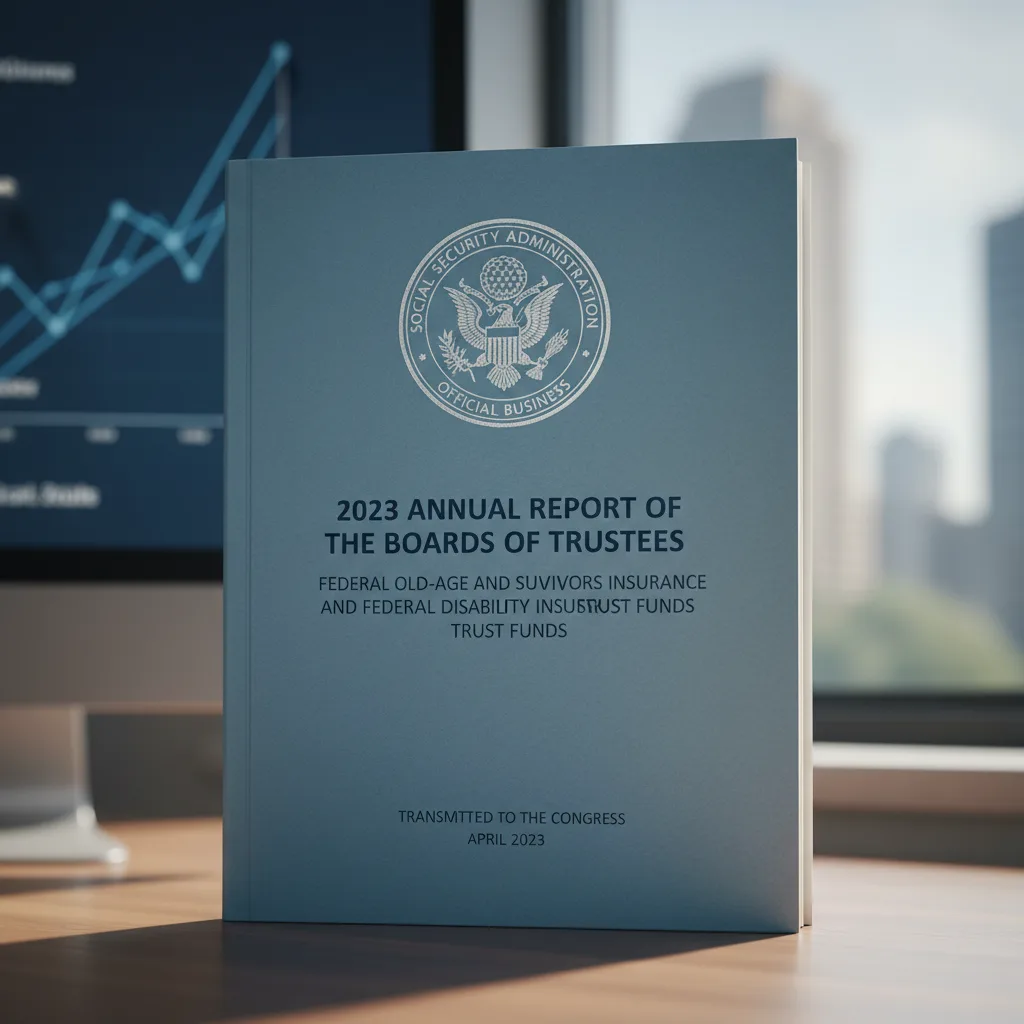
The 2023 Trustees' Report details the financial projections for Social Security and Medicare, forecasting potential shortfalls in coming decades without new laws. This crucial annual report informs policymakers about the long-term viability of COLAs and the Social Security trust funds. (AI-generated illustration)
What is a COLA? A Cost of Living Adjustment (COLA) increases benefits or wages. It offsets inflation’s effects. Its goal is to maintain recipients’ buying power over time.
Who receives COLAs? Millions of Americans receive COLAs. This includes Social Security beneficiaries, federal retirees, and many union workers. Eligibility depends on program rules or union contracts.
How is COLA calculated for Social Security? The Social Security Administration uses the Consumer Price Index for Urban Wage Earners and Clerical Workers (CPI-W). It compares the average CPI-W from specific calendar quarters. The percentage difference then determines the COLA.
Are COLAs guaranteed every year? No, COLAs are not guaranteed. If the inflation index doesn’t increase, then no COLA applies. This happened most recently in 2010, 2011, and 2016 for Social Security beneficiaries.
How does COLA differ from a merit raise? A COLA adjusts for inflation across the board. It helps all recipients keep their existing buying power. A merit raise rewards individual performance or increased responsibility. It usually aims to increase real income.

The Social Security Administration (SSA) headquarters in Baltimore, Maryland, is where the agency calculates and implements Cost of Living Adjustments (COLAs) for millions of Social Security beneficiaries annually. (Source: gsa.gov)
You might also like:
👉 Beyond 9-to-5: Unlock Financial Freedom with a Side Hustle
👉 Will Trump’s Trade War Tank 3.9% Unemployment?
👉 Predicting Stock Market Trends: ML & Sentiment Analysis Guide