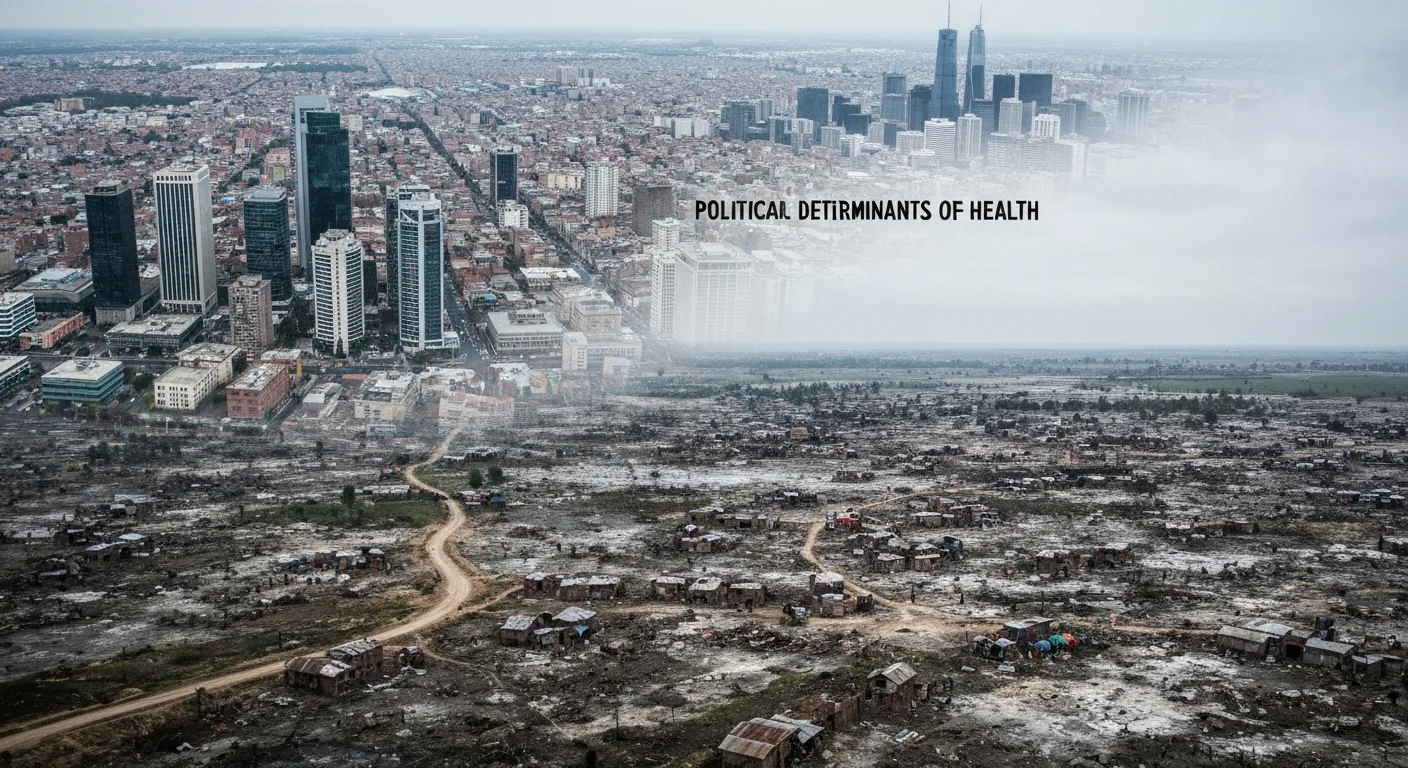
Costa Rica's 80.5 Years: Outliving the US on Less Money
Costa Rica's 80.5-year life expectancy in 2021 rivals the US's 79.1 years, revealing that wealth isn't the sole health driver. Political systems matter.
The political prescription: health’s hidden drivers
I expected richer countries to be healthier. My assumption was simple: more money meant better hospitals and advanced medicine. Yet, the data revealed a different truth.
Take Costa Rica, a middle-income nation. Its life expectancy hit 80.5 years in 2021, according to the World Bank. That’s almost identical to the United States’ 79.1 years for the same period. The US, meanwhile, spends vastly more per capita on healthcare. This difference made me wonder what I was missing.
The puzzle deepened. Health isn’t just about doctors or hospital beds. It’s about the very fabric of society. I had been overlooking a profound, often invisible force shaping our well-being: the political system.
We often view health through individual choices. We talk about diet, exercise, and access to medical care. These factors are important, but they’re only part of a larger picture.
Political systems are frameworks. They govern how power is distributed in a nation. They also govern how power is exercised. These systems decide who gets a voice. They also decide how resources are allocated. This includes everything from a democracy’s elections to an authoritarian regime’s centralized control.
“Health” means more than just not being sick. The World Health Organization defines it as complete physical, mental, and social well-being. This broader view shows how political decisions impact our lives. These concepts are deeply connected.
Beyond the clinic: how policy reaches deep
Political systems shape the social determinants of health. These are non-medical factors that influence health outcomes. They include income, education, housing, and access to nutritious food.
Take wealth distribution. A 2017 study in The Lancet showed that greater income inequality correlates with poorer health outcomes. This holds true even in wealthy nations. Political systems influence income distribution through taxes, welfare programs, and labor laws.
Education is another key factor. Political decisions fund public schools. They shape curriculum and access to higher education. Better-educated populations generally have better health literacy. They also tend to secure more stable jobs, leading to healthier lives.

Costa Rica, a middle-income nation, boasts a life expectancy of 80.5 years (2021), nearly matching the United States despite vastly lower healthcare spending. This remarkable achievement highlights the profound impact of its political system and social policies on public health. (Source: vacationscostarica.com)
Housing policy directly affects health. Stable, affordable housing reduces stress. It also reduces exposure to environmental hazards. Poor housing, often a result of political neglect, contributes to respiratory illnesses. It also contributes to mental health issues. These aren’t medical problems in their origin. They are social and political problems.
Environmental regulations, set by political bodies, protect public health from pollution. Strict controls on industrial emissions reduce asthma rates. Clean water infrastructure prevents infectious diseases. When politics prioritize economic growth over environmental safety, health suffers.
Democracy’s health imperative
Democratic systems often mean better population health. This link isn’t always direct or immediate.
Accountability is a key mechanism. In democracies, citizens can vote out leaders who fail to address public needs. This pressure encourages politicians to invest in public goods. These include sanitation, clean water, and public health infrastructure. Nobel laureate Amartya Sen famously argued that famines don’t occur in functioning democracies. That’s because democratic governments are accountable to their people.
Look at the Nordic countries. Sweden’s life expectancy was 83.1 years in 2021, among the highest globally. Its democratic system supports a strong welfare state. This includes universal healthcare, generous parental leave, and strong social safety nets. These policies reduce poverty and stress, making people healthier.
Electoral systems also play a role. Proportional representation often leads to coalition governments. These governments can be more inclusive of diverse interests. They tend to prioritize social equity and public health. Such systems also promote consensus.
A 2019 study in Social Science & Medicine found a significant link. Countries with more democratic participation showed lower infant mortality rates. This was true even after controlling for economic development. The study showed how important citizen voice is in shaping health policy.
Authoritarianism’s shadow over well-being
In 2020, North Korea’s official life expectancy was 72.8 years. That’s significantly lower than its democratic neighbor, South Korea, at 83.5 years. This gap shows a deeper issue than just economic disparity. Authoritarian regimes centralize power and often lack transparency. This can lead to serious health risks.
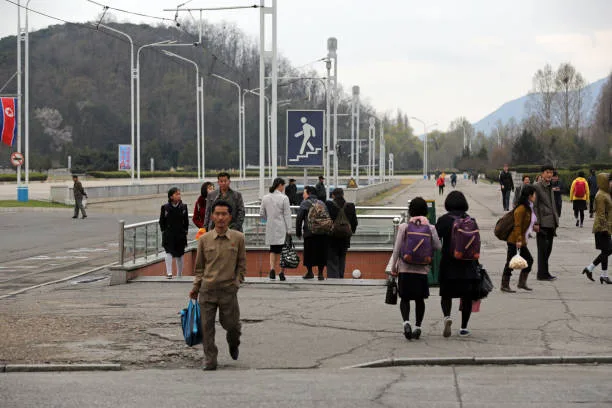
North Korea's official life expectancy of 72.8 years in 2020 stands in stark contrast to its democratic neighbor, South Korea, at 83.5 years, highlighting how authoritarian regimes can impact public health outcomes. (Source: istockphoto.com)
Authoritarian states prioritize state security or elite interests when allocating resources. Public health infrastructure may suffer neglect. Cuba, despite its strong focus on primary care, faces challenges. These stem from a centralized, resource-constrained system. Its medical achievements are notable, but they exist within a system that limits individual freedoms.
Lack of free press and independent oversight is another problem. Information about public health crises can be suppressed. This hinders effective responses. The initial handling of the COVID-19 pandemic in China, an authoritarian state, raised concerns about transparency. Early warnings were reportedly stifled, potentially delaying global action.
Forced labor and restrictions on movement also impact health. In some authoritarian contexts, populations may be denied basic services. They may face malnutrition or unsafe working conditions. The state’s political structure directly imposes these conditions.
A 2015 United Nations report detailed severe health consequences. Human rights abuses in Eritrea, an authoritarian state, led to widespread malnutrition. They also led to a lack of medical care. This shows how political repression directly translates into poor health. The absence of political freedom often means the absence of health freedom.
Unseen levers: how non-health policies shape lives
Policies not explicitly about health often have the biggest impact. I used to think health policy meant hospitals and doctors. I was wrong. The levers are often hidden in other government departments.
Take housing policy. In the 1970s, many European cities began investing heavily in public and social housing. Vienna, Austria, for example, built vast, high-quality public housing estates. Today, 60% of Vienna’s residents live in subsidized housing. This policy reduced overcrowding and improved sanitation. It directly lowered rates of infectious diseases.
Education policy is another powerful health tool. Finland consistently ranks high in educational achievement. Its equitable education system reduces social disparities. This helps create better long-term health literacy. It also helps create economic stability for its citizens. A 2016 OECD report showed Finland’s strong link between education and health.
Environmental regulations, often seen as economic burdens, are health interventions. In 1970, the United States passed the Clean Air Act. This law dramatically reduced air pollution from factories and vehicles. Researchers at the Environmental Protection Agency estimate these regulations have prevented millions of cases of respiratory illness. They’ve also prevented premature deaths. This is a public health triumph driven by political will.

Karl-Marx-Hof, one of Vienna's most iconic public housing estates, exemplifies the city's commitment to social housing. Built in the 1930s, these vast, high-quality complexes significantly reduced overcrowding and improved sanitation, directly lowering rates of infectious diseases for residents. (Source: reddit.com)
Labor laws also matter. Policies setting minimum wages or ensuring safe working conditions protect workers’ health. Nations with strong unions and worker protections often have better occupational health records. This reduces injuries, chronic stress, and exposure to harmful substances. The political decision to empower or restrict labor has clear health consequences.
A political prescription for future health
Health is not merely a personal responsibility or a medical challenge. It is a political outcome. Decisions made in legislative chambers and executive offices affect every aspect of our well-being. From the air we breathe to the food we eat, political choices shape our health.
This understanding is empowering. Improving health isn’t solely about medical breakthroughs. It also involves advocating for fair policies. It means demanding transparency and accountability from our leaders. It means recognizing that a strong democracy, with engaged citizens, is a powerful health intervention.
The future of health will depend on our collective political will. We must look beyond the clinic to the capitol building. Here, the real factors of our health are often decided. Engaging with our political systems is perhaps the most important health choice we can make.
Frequently asked questions
What are social determinants of health? These are non-medical factors that influence health outcomes. They include income, education, housing, and social support. Political systems heavily influence them.
How do political systems affect health beyond healthcare spending? Political systems shape policies on education, housing, environmental protection, and labor. These policies indirectly but greatly affect health by changing living and working conditions.
Are democracies always healthier than authoritarian states? While democracies generally show better health outcomes due to accountability and transparency, specific policies matter more than the system type alone. Some authoritarian states might achieve specific health goals, but often at a cost to broader well-being or individual freedoms.
What role does citizen participation play in health outcomes? Active citizen participation in democracies can pressure governments to adopt health-promoting policies. This includes advocating for universal healthcare, environmental protections, or social safety nets. This engagement empowers communities to shape their own health.
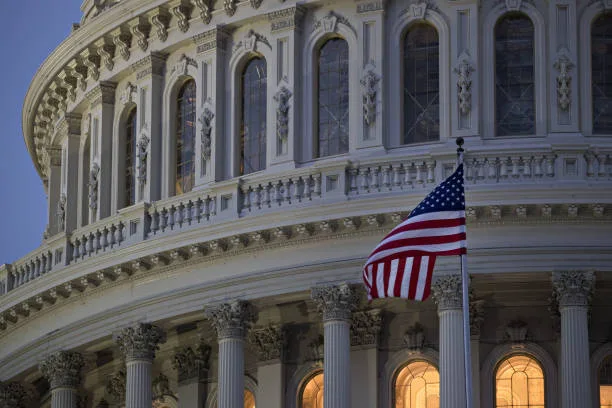
The United States Capitol Building, like legislative chambers worldwide, is where critical political decisions on labor laws, environmental protection, and social safety nets are debated and enacted, profoundly shaping public health outcomes. (Source: gettyimages.in)
You might also like:
👉 The Economic & Societal Impact of Government Shutdowns
👉 SARS 2002: How a Chinese Farmer Sparked a Global Crisis
👉 Significant Medical Breakthroughs: A Journey Through Medicine History