Current Market Trends In Renewable Energy
A comprehensive guide about current market trends in renewable energy.
Renewable Energy Investment Soars to Record Highs
The world is pouring money into clean energy like never before. In 2023, global investment in renewables hit a staggering $1.8 trillion. That’s up from $1.4 trillion just the year before. The International Energy Agency (IEA) confirmed this surge in its World Energy Investment 2024 report. It’s a clear sign: the energy market is changing fast.
Renewable energy comes from natural sources. Think solar, wind, hydro, geothermal, and biomass. Everyone’s pushing for it – governments, companies, and even individual investors. Why? To ditch fossil fuels and fight climate change.
This is more than a trend; it marks a major change. Old fossil fuel companies now invest in green tech. New players, like tech firms and specialized developers, are stepping up. This changes everything: how countries get power, how global trade works, and where new jobs pop up.
Investment Soars, Sectors Shift
Clean energy investments blew past fossil fuels in 2023, by a ratio of 1.8 to 1. This gap is a first. The IEA’s World Energy Investment 2024 report showed this difference. It points to a lasting change in how money moves globally.
Solar power drew the most money. About $600 billion went into solar projects worldwide. This includes huge utility plants and rooftop systems. BloombergNEF (BNEF) shared these numbers in its 2024 Clean Energy Investment Trends brief.
Wind power also got a lot of investment, hitting $320 billion in 2023. This covers both onshore and offshore wind farms. Offshore projects cost more. But they produce more power, attracting big money in Europe and Asia.
Battery storage is booming. Grid-scale batteries and electric vehicle (EV) batteries saw over $150 billion in investment in 2023. Wood Mackenzie reported this figure. Storage is essential for keeping grids stable.
Hydrogen projects, especially green hydrogen, are attracting early money. About $10 billion went into hydrogen electrolyzer manufacturing and pilot projects in 2023. This is a new, fast-growing area. The Hydrogen Council shared these numbers.
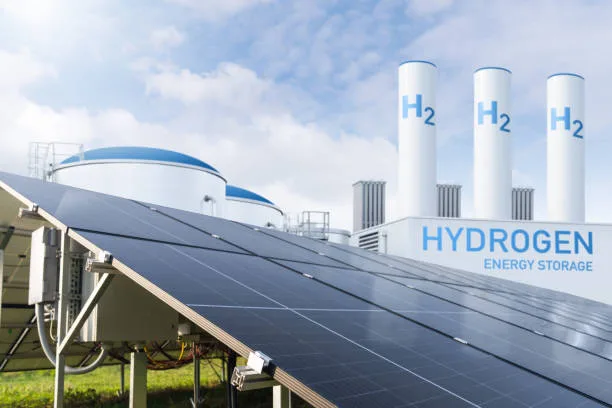
Investment in green hydrogen projects, including electrolyzer manufacturing and pilot facilities, reached approximately $10 billion in 2023, marking it as a new and rapidly expanding sector in renewable energy. (Source: istockphoto.com)
Renewable energy costs keep falling. The average global cost of electricity (LCOE) for solar PV dropped 13% in 2023. Wind power LCOE fell 5% too. IRENA published these findings in its Renewable Power Generation Costs in 2023 report.
Cheaper costs make renewables beat fossil fuels. This means more people use them, even without government help. Many new renewable projects now run without direct subsidies. They depend on long-term power purchase agreements (PPAs).
Tech Progress and Supply Chain Issues
New technology drives much of this market growth. Solar panels get more efficient all the time. Perovskite solar cells look promising. They could offer higher conversion rates and cheaper manufacturing.
Bigger, stronger wind turbines are common now. Offshore turbines can produce over 15 megawatts (MW). These machines grab more energy from each spot. Siemens Gamesa and Vestas make these advanced systems.
Better battery tech is key for grid integration. Lithium-ion batteries rule the market. But new types, like solid-state and sodium-ion, are coming. They promise safer power and cheaper materials.
China still leads in making renewable energy tech. It produces over 80% of the world’s solar PV cells. China also dominates wind turbine parts. This focus makes supply chains fragile.
The US and EU want to make more renewables at home. The US Inflation Reduction Act (IRA) gives big tax credits. These credits encourage US production of solar panels, wind parts, and batteries. In 2023, the European Commission started the Net-Zero Industry Act. This act aims to grow EU manufacturing for key clean tech.
Global supply chains feel pressure from world politics. Trade fights and tariffs change component costs. Companies want to get parts from more places. They aim for stronger supply networks.
Critical minerals are vital for renewable batteries and magnets. Lithium, cobalt, nickel, and rare earth elements are hot commodities. Mining and processing these minerals cause environmental and social problems. Ethical sourcing worries manufacturers more and more.
Policy and Market Tools
Government policies mostly drive renewable energy use. The Inflation Reduction Act (IRA), passed in August 2022, is a huge US law. It puts nearly $370 billion into climate and energy. This covers tax credits for renewable power, clean manufacturing, and electric vehicles.
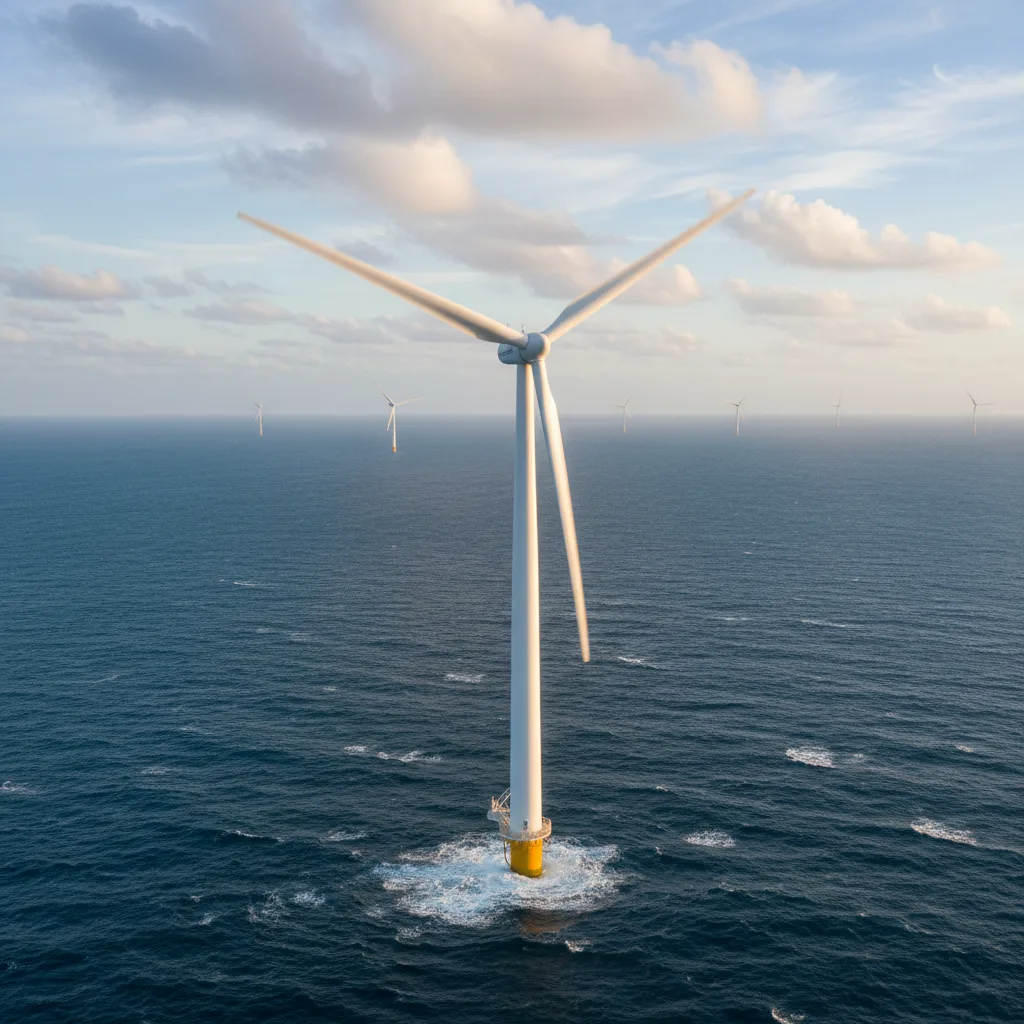
Modern offshore wind turbines, like those made by Siemens Gamesa and Vestas, are now capable of producing over 15 megawatts (MW) of power, significantly increasing energy capture from each location and driving down the cost of renewable electricity. (AI-generated illustration)
The EU’s REPowerEU Plan wants to stop using Russian fossil fuels. It aims for 42.5% renewable energy in the EU by 2030. This plan speeds up permits for renewable projects. It also helps build energy connections between countries.
China’s 14th Five-Year Plan has big renewable energy goals. The country wants to hit 1,200 gigawatts (GW) of wind and solar capacity by 2030. This commitment pushes huge growth at home. It also powers global manufacturing.
India’s government wants 500 GW of non-fossil fuel power by 2030. The National Solar Mission backs big solar projects. It also promotes rooftop solar. This policy brings in a lot of foreign money.
Carbon pricing is catching on. The EU’s Emissions Trading System (ETS) puts a price on carbon. This makes fossil fuels cost more to produce. It gives financial reasons to choose renewables.
Renewable Portfolio Standards (RPS) require a certain amount of electricity from renewables. Many US states use RPS. These standards guarantee a market for green power. They push long-term investment.
Global deals like the Paris Agreement set climate goals. These goals tell nations to use cleaner energy. They help countries work together on renewables. The UNFCCC supports these efforts.
New Markets, Future Outlook
Developing economies are key to renewable energy growth. Countries in Southeast Asia, Africa, and Latin America have huge renewable resources. They also need more and more energy. These regions offer big chances for investment.
The World Bank’s ESMAP program helps renewable projects in developing countries. It gives money and technical advice. This helps them adopt clean energy. Many projects focus on off-grid and mini-grid solutions.
Africa is ready for a huge renewable energy boom. The African Development Bank (AfDB) runs programs like Desert to Power. This aims to build 10 GW of solar power across the Sahel. It will bring electricity to 250 million people.
Decentralized renewable systems are crucial for getting power to everyone. Solar mini-grids bring electricity to distant towns. They skip the need for big grid lines. This cuts energy poverty and helps local areas grow.
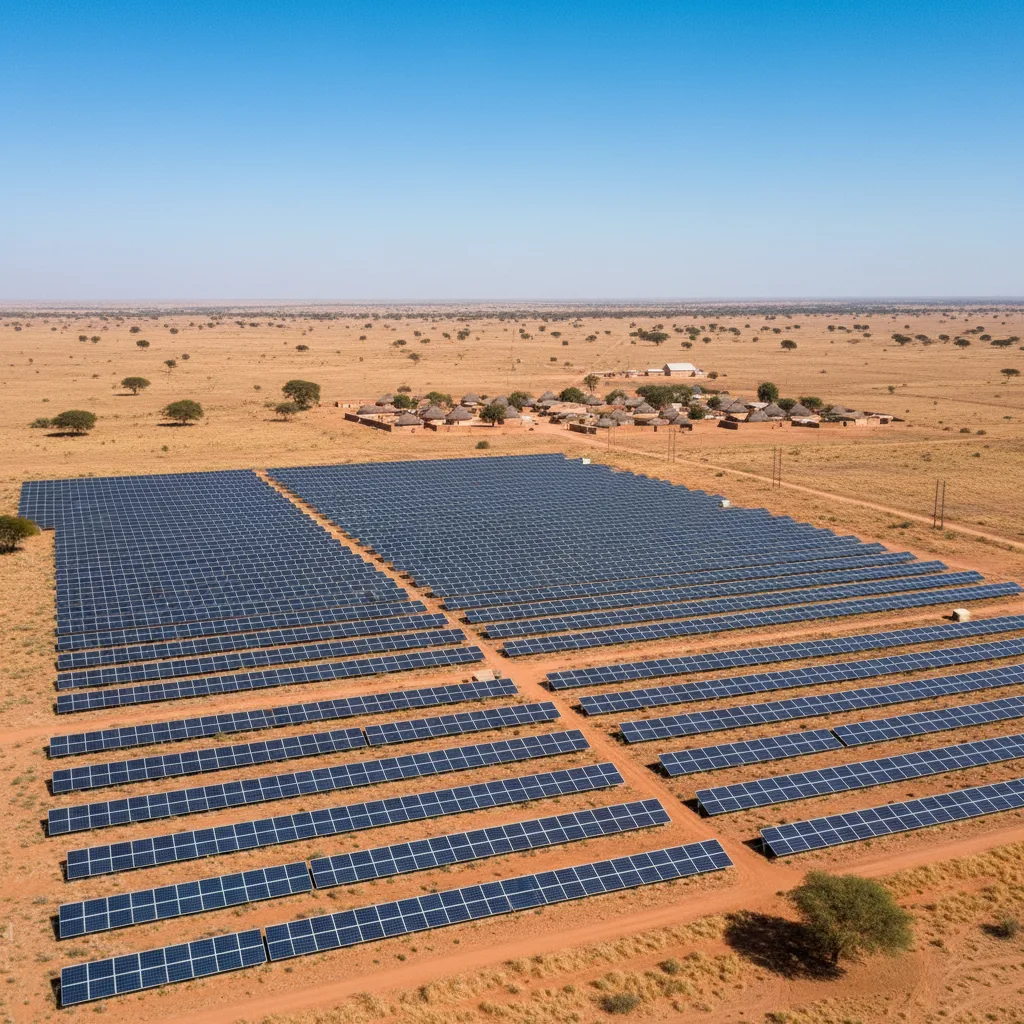
The African Development Bank's 'Desert to Power' program aims to build 10 GW of solar power across the Sahel region, bringing electricity to 250 million people and transforming energy access in the region. (AI-generated illustration)
The world’s energy shift will speed up through 2030. The IEA thinks renewable electricity capacity will almost triple by then. This needs ongoing policy help and new tech. It also calls for a lot of private money.
Modernizing power grids is a big problem. Current grids must handle variable renewable sources well. We need to invest in smart grid tech and energy storage. This keeps electricity reliable and stable.
Countries must work together on tech and money. Developing nations need help building their renewable energy sectors. This means getting advanced tech and cheap capital. The world is pushing for clean energy faster than ever. If we don’t fix these issues, progress will stall.
Questions and Answers
What’s the fastest-growing renewable energy source? Solar photovoltaic (PV) power leads the pack. New solar capacity additions always beat other technologies. Costs have dropped a lot, making it very competitive.
How do government policies change renewable energy markets? Government policies greatly affect renewable energy markets. They offer incentives, set goals, and make rules. Policies like tax credits and renewable portfolio standards push investment and use.
What are the biggest problems for renewable energy growth? Big problems include grid integration, weak supply chains, and slow permits. We also need enough energy storage and critical minerals. These issues need new ideas and policy fixes.
Which regions lead in using renewable energy? China, the European Union, and the United States lead. They have big investments, lots of installed power, and helpful policies. New markets in Asia and Africa are also growing fast.
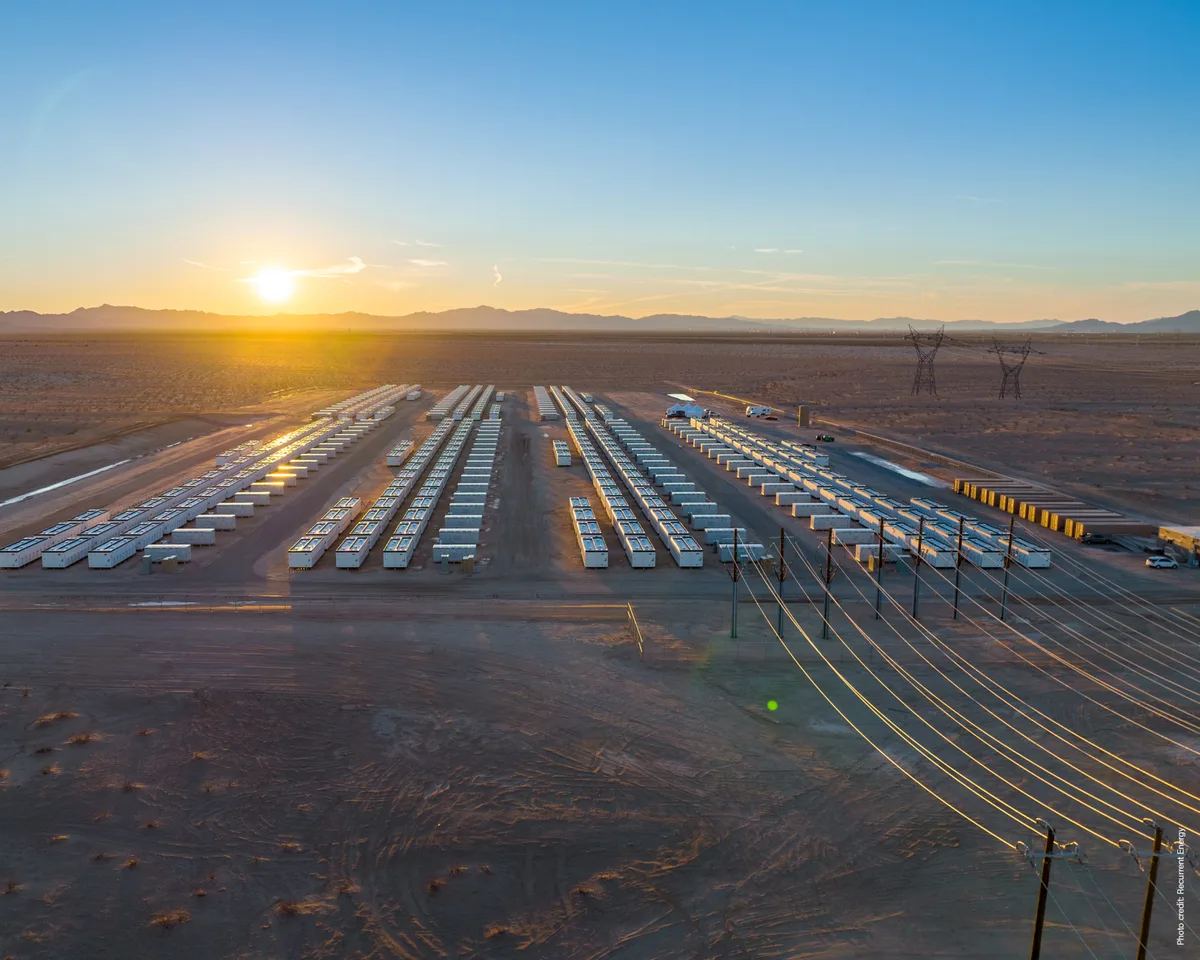
Large-scale battery energy storage facilities, like the Vistra Moss Landing Energy Storage Facility in California, are crucial for modernizing power grids. These massive installations store excess renewable energy and release it during peak demand, ensuring grid stability and reliability for a cleaner energy future. (Source: cleanpower.org)
You might also like:
👉 Sustainable Futures: Investment, Cybersecurity & Future of Work
👉 Understanding Energy Independence: Security, Economy, Future
👉 Predicting Stock Market Trends: ML & Sentiment Analysis Guide