
5 Tech Trends for 2026: Beyond Gadgets, Into Integrated Systems
These five crucial tech trends are shaping 2026, moving past individual gadgets to integrated systems that understand our needs.
Tech in 2026: Five trends to watch
The future isn’t some far-off sci-fi fantasy. It’s being built right now, in labs and boardrooms, shaping 2026. These aren’t sudden shifts. They’re the next step for technologies we already know, pushed forward by investment and real-world needs. We’re moving past individual gadgets. We’re getting integrated systems that understand our needs. This isn’t about fancy screens. It’s about how tech changes how we live and connect.
Cloud computing and early generative AI dominate tech today. Microsoft, Google, and Amazon invest billions in these areas. New startups also appear, creating new possibilities. These companies want efficiency, deeper user engagement, and new ways to make money. The global tech market will reach over $11 trillion by 2026, Statista predicts. This massive money drives the trends we’ll explore.
Pervasive AI agents
By 2026, Pervasive AI Agents become a core part of our digital lives. They’re not just chatbots. They’re highly capable, proactive digital assistants across all your apps. They predict your needs and complete complex tasks for you.
Google DeepMind research, published in Nature in 2024, showed early multi-modal AI agents performing tasks across various software programs. An agent could coordinate your travel. It books flights, reserves hotels, and manages your calendar without direct prompts. It understands context, not just commands.
These agents learn from your habits. They manage your emails, schedule meetings, and even draft documents. Imagine a personal assistant knowing your work patterns intimately. This frees up mental load. You can focus on creative or strategic work.
This shift raises big questions about data privacy and control. We’ll need clear rules on how these agents use our personal information. The boost to productivity and convenience will be huge. These agents move us past simple automation. They let us truly delegate tasks.
Spatial computing
By 2026, Spatial Computing moves past niche VR. It integrates digital info smoothly into our physical world. Imagine your computer screen extending into the whole room. It interacts with real objects.

Spatial computing integrates digital information seamlessly into our physical world, allowing users to interact with virtual objects and interfaces overlaid onto their real environment, as exemplified by devices like the Apple Vision Pro. (Source: knoxlabs.com)
Apple’s Vision Pro, released in early 2024, showed early tech. It lets users overlay digital content onto their real-world view. By 2026, we expect lighter, more comfortable devices. More people will use them. They’ll be more than bulky headsets.
This tech changes how we work, learn, and interact. Architects could walk through digital building models projected into an empty space. Doctors might view patient data overlaid onto a patient during surgery. Retailers could create interactive shopping experiences in physical stores.
Professor Jeremy Bailenson, director of Stanford’s Virtual Human Interaction Lab, researched immersive tech for years. He predicts these systems will get more intuitive. They’ll adapt to our natural gestures and movements. This offers new entertainment, education, and collaboration.
Edge AI for hyper-personalization and security
Edge AI for Hyper-Personalization and Security is another big trend. This means artificial intelligence processes data directly on your device. It doesn’t send information to a distant cloud server. Picture your smartphone or car getting a dedicated, powerful mini-brain for instant decisions.
Qualcomm, a top chip maker, has invested heavily here. Their 2024 Snapdragon Summit highlighted chips made specifically for on-device AI operations. This allows faster responses and better privacy for users. Data stays on your device, not in the cloud.
Edge AI is important for applications needing immediate action. Autonomous vehicles, for instance, process sensor data in milliseconds to avoid accidents. Industrial IoT devices in factories use edge AI to monitor machinery and predict failures instantly. This cuts downtime and improves safety.
This approach also makes personalization better. Your phone’s AI can learn your habits locally. It gives tailored suggestions without sharing your most private data. This cuts network bandwidth use and makes the whole system stronger. Smart environments get truly responsive and intelligent.
Sustainable tech & green computing
By 2026, Sustainable Tech & Green Computing becomes a top priority for the industry. This trend focuses on making and using tech with less environmental effect. Think: eco-friendly tech from design to disposal.

Autonomous vehicles are a prime example of Edge AI in action, processing vast amounts of sensor data directly on board in milliseconds. This on-device processing allows for immediate, critical driving decisions without the latency of cloud communication, significantly enhancing safety and responsiveness. (Source: google.com)
The European Union’s Digital Strategy, updated in 2023, pushes to reduce tech’s footprint. This means energy-efficient data centers and longer product lifespans. Companies respond to rules and consumer demand.
One part is energy-efficient AI models. Training large AI models uses huge amounts of electricity. Researchers develop algorithms that get similar results with less power. This handles AI development’s carbon footprint.
Another important area is the circular economy for hardware. This means devices are easier to repair, upgrade, and recycle. Framework Laptops, for example, lead this with modular designs. This makes products last longer, cutting electronic waste.
Human-computer interfaces (HCI)
Human-Computer Interfaces (HCI) will change dramatically. We’ll move towards more natural language and even early Brain-Computer Interfaces (BCIs). Imagine talking to your computer as naturally as a person, or just thinking a command.
Natural Language Processing (NLP) makes voice interfaces very smart. Google’s Gemini AI, shown in late 2023, demonstrated great multi-modal understanding. It handles spoken language, images, and video for complex requests. We’ll talk to our devices like never before.
Gesture recognition and eye-tracking improve fast, beyond voice. These let us control spatial computing environments with ease. Navigate menus with a glance. Act with a simple hand wave. This makes tech more accessible.
Non-invasive BCI technologies also appear early. NeuroSense, for example, develops headbands that read brain signals for focus and relaxation. Elon Musk’s Neuralink, though invasive, tests what’s possible. These steps suggest thought alone could control some devices in the future.
What comes next
These five trends aren’t just about new gadgets. They’re a fundamental change in how tech fits our lives. We’re moving towards tech that’s more proactive, personal, and integrated into our daily lives. The possibilities for efficiency, accessibility, and new human interactions are huge. Challenges around privacy and ethical use will grow alongside these new tools.
FAQ
Q: Will these trends make my current devices old by 2026? A: Not entirely. These trends are progress, not instant replacements. Your current devices will likely work with new features. The full effect of these trends will happen over many years.
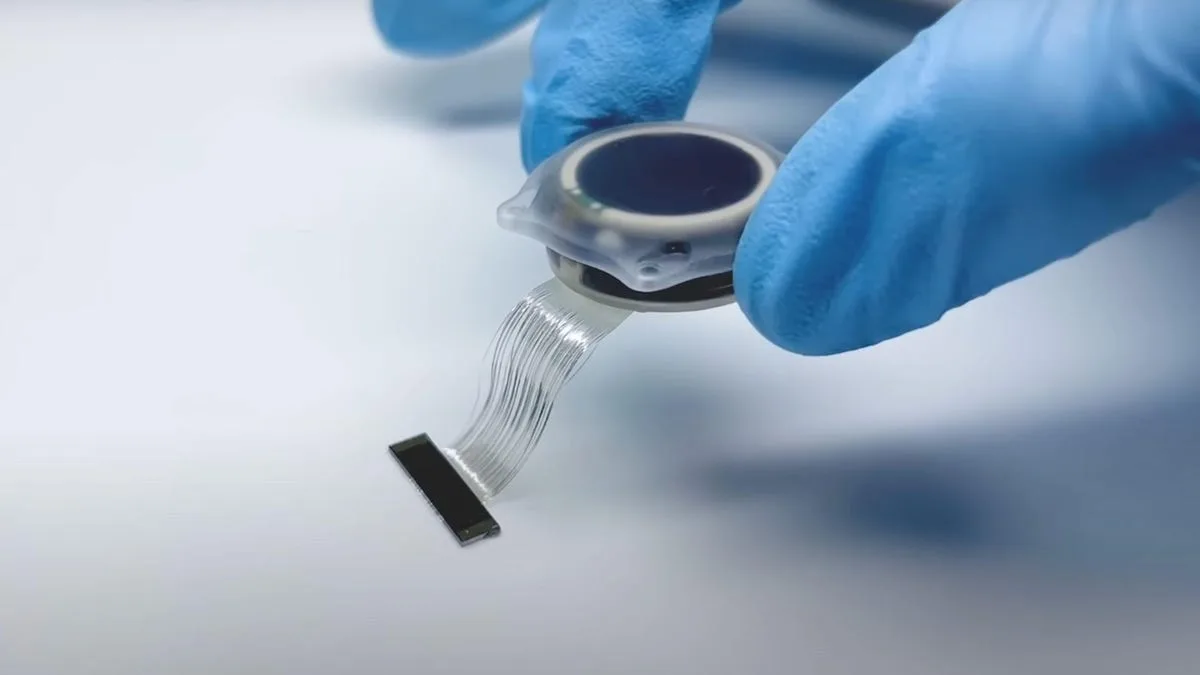
Neuralink, founded by Elon Musk, is developing implantable brain-computer interfaces (BCIs) designed to connect human brains directly to computers. The company has demonstrated its coin-sized device implanted in animals, aiming to restore motor function and treat neurological disorders. (Source: cnet.com)
Q: Are there any downsides to these advanced AI agents? A: Yes. Privacy, data security, and potential job loss are real concerns. Clear ethical rules and regulations will be important to handling these powerful new tools responsibly.
Q: How will Spatial Computing affect daily tasks like working or shopping? A: It will create more immersive and interactive experiences. Imagine working on digital models with colleagues in a shared virtual space. Or trying on clothes virtually from your living room.
Q: What can I do to prepare for these tech shifts? A: Stay informed about these technologies. Experiment with early versions where you can. Focus on developing skills in critical thinking and problem-solving. These will stay important.
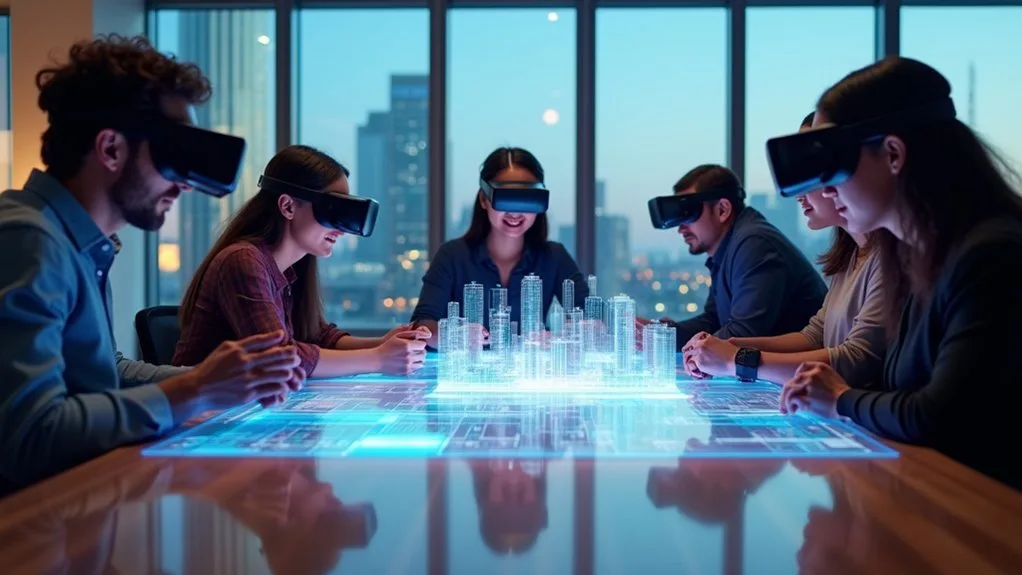
Platforms like Meta Horizon Workrooms, Microsoft Mesh, and Spatial are pioneering the future of work, enabling geographically dispersed teams to collaborate on digital models and data in immersive virtual environments, blurring the lines between physical and digital presence. (Source: livinginvr.com)
You might also like:
👉 The 2016 Shift: How Phones Became AI Companions
👉 The Future of DeFi Protocols: Navigating Web3’s Financial Revolution