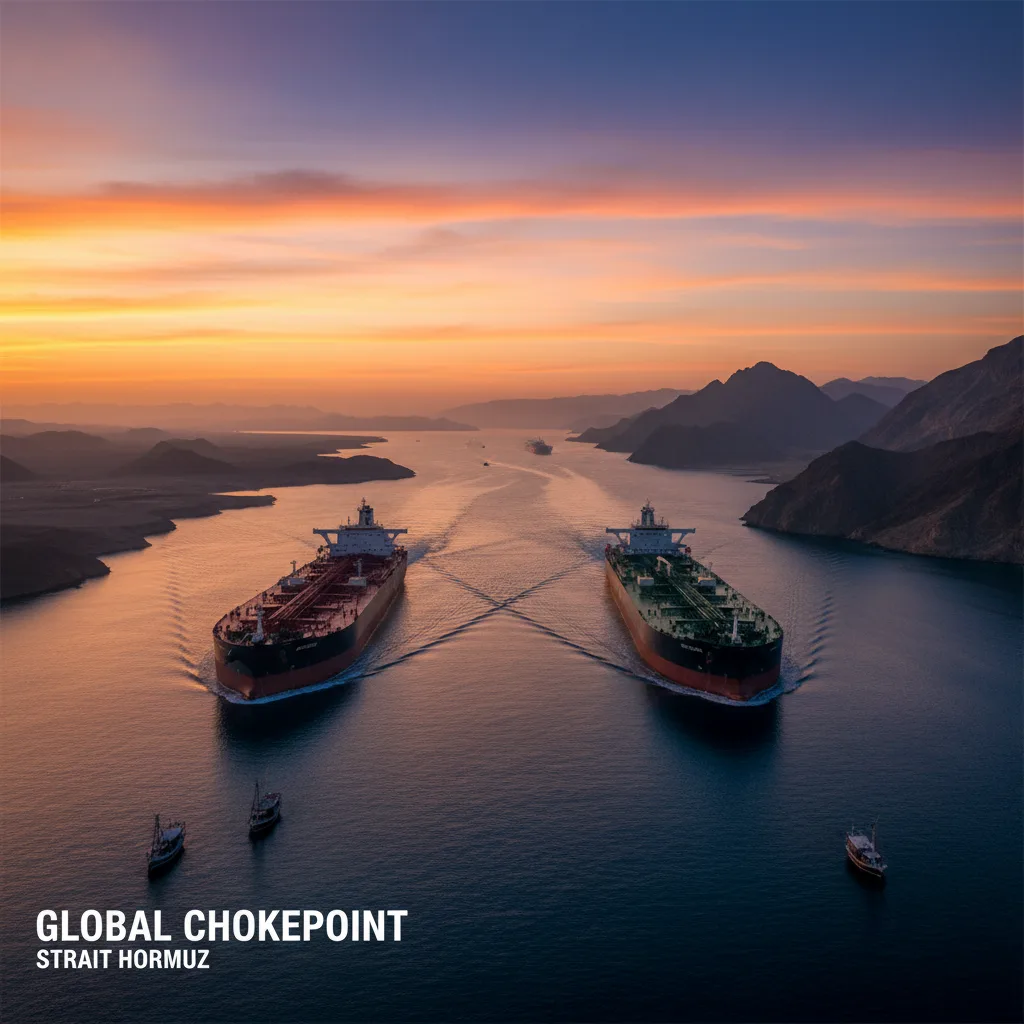
20% of World Oil: Hormuz Choke Point Could Crash Economy
A May 2024 IEA report warns the Strait of Hormuz, handling 20% of daily oil, could trigger a global economic crash.
The world’s energy system is fragile
A single choke point could crash the global economy. The Strait of Hormuz is that choke point. It handles 20% of the world’s daily oil. A major disruption there would halt tanker traffic. Oil prices would skyrocket, according to a May 2024 report from the International Energy Agency (IEA). This is a real danger. The world economy runs on a complex energy grid. It relies heavily on fossil fuels. Oil, natural gas, and coal supply over 80% of our power. This reliance makes us vulnerable. The BP Statistical Review of World Energy 2023 confirms these figures.
Key Vulnerabilities
Major supply routes remain vital. The Strait of Hormuz connects Persian Gulf producers to the world. The Bab el-Mandeb Strait and the Suez Canal are also key shipping lanes. Disruptions in these areas directly affect oil and LNG. Pipelines like Nord Stream 1 and the Druzhba pipeline also carry huge amounts of energy.
Key producers include Saudi Arabia, Russia, and the United States. Major consumers are China, India, and the European Union. Their linked demand and supply keep things balanced, but it’s a delicate act. Geopolitical tensions can easily destabilize this system. Dr. Anya Sharma, an energy security analyst at Chatham House, points out this interdependence. “Any single point of failure can cascade through the entire market,” she said in a June 2024 briefing.
Current energy infrastructure is old in many places. Maintenance backlogs and underinvestment are common. This makes grids and pipelines break down easier. The ongoing energy transition also makes things harder. We need new infrastructure, but old systems are still vital.
What could go wrong: geopolitics and infrastructure
Geopolitical conflict is the most immediate danger. A full-scale military conflict in the Persian Gulf region would wreck global oil supply. Iran has previously threatened to close the Strait of Hormuz. Such a closure would block millions of barrels of oil daily. Rystad Energy analysis from April 2024 projected Brent crude prices could exceed $300 per barrel. This would occur within weeks of a sustained closure.
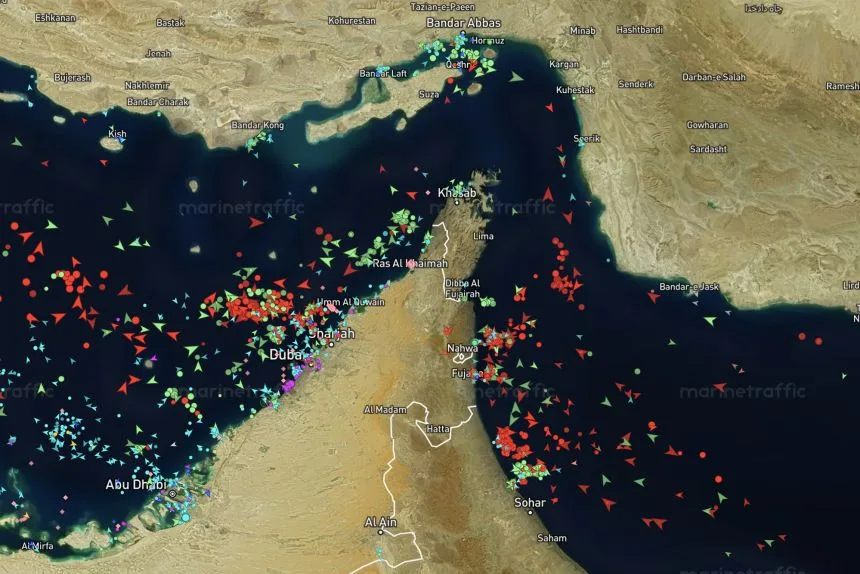
The Strait of Hormuz, a critical global energy choke point, handles over 20% of the world's daily oil supply. Its strategic importance means any disruption to tanker traffic through this narrow waterway could trigger a global economic crisis, as Iran has previously threatened to close it. (Source: cnn.com)
Cyberattacks also threaten energy infrastructure. The 2021 Colonial Pipeline ransomware attack showed how vulnerable we are. It disrupted fuel supplies across the U.S. East Coast for days. The Cybersecurity and Infrastructure Security Agency (CISA) reported a 20% jump in cyberattacks on energy sectors in 2023. Sarah Thorne, Director of the Cyber Resilience Institute, spoke in a May 2024 interview. She warned that “critical energy systems are under constant digital assault.”
Extreme weather events, made worse by climate change, threaten how we make and move energy. Hurricanes often disrupt oil and gas operations in the U.S. Gulf of Mexico. The National Oceanic and Atmospheric Administration (NOAA) recorded 20 named storms in 2023. These storms forced platforms offline and damaged refineries. Droughts hurt hydroelectric power. Heatwaves strain power grids, causing blackouts. California and Texas have experienced this firsthand.
Significant technical failures can also cause market shocks. A major accident at a large liquefaction plant could stop LNG exports. A catastrophic failure at a nuclear power plant could cut off huge amounts of power. These events are rare but have huge consequences. Mark Jensen, a former U.S. Department of Energy official, pointed out this risk. He spoke at a June 2024 energy conference. “Our systems are designed for resilience, but no system is foolproof,” Jensen explained.
Supply chain disruptions make these risks worse. The COVID-19 pandemic showed how fragile global supply chains are. Shortages of specialized equipment or rare earth minerals can delay new energy projects. They can also stop repairs to existing infrastructure. It affects both fossil fuels and renewables.
Economic and social costs
An energy market doomsday scenario would crash the economy fast. Soaring energy prices hit consumers and businesses like a tax. This reduces purchasing power and investment. The International Monetary Fund (IMF) warned in its April 2024 World Economic Outlook. It stated that a 10% increase in oil prices could reduce global GDP by 0.1-0.2 percentage points. A major supply shock would far exceed this threshold.
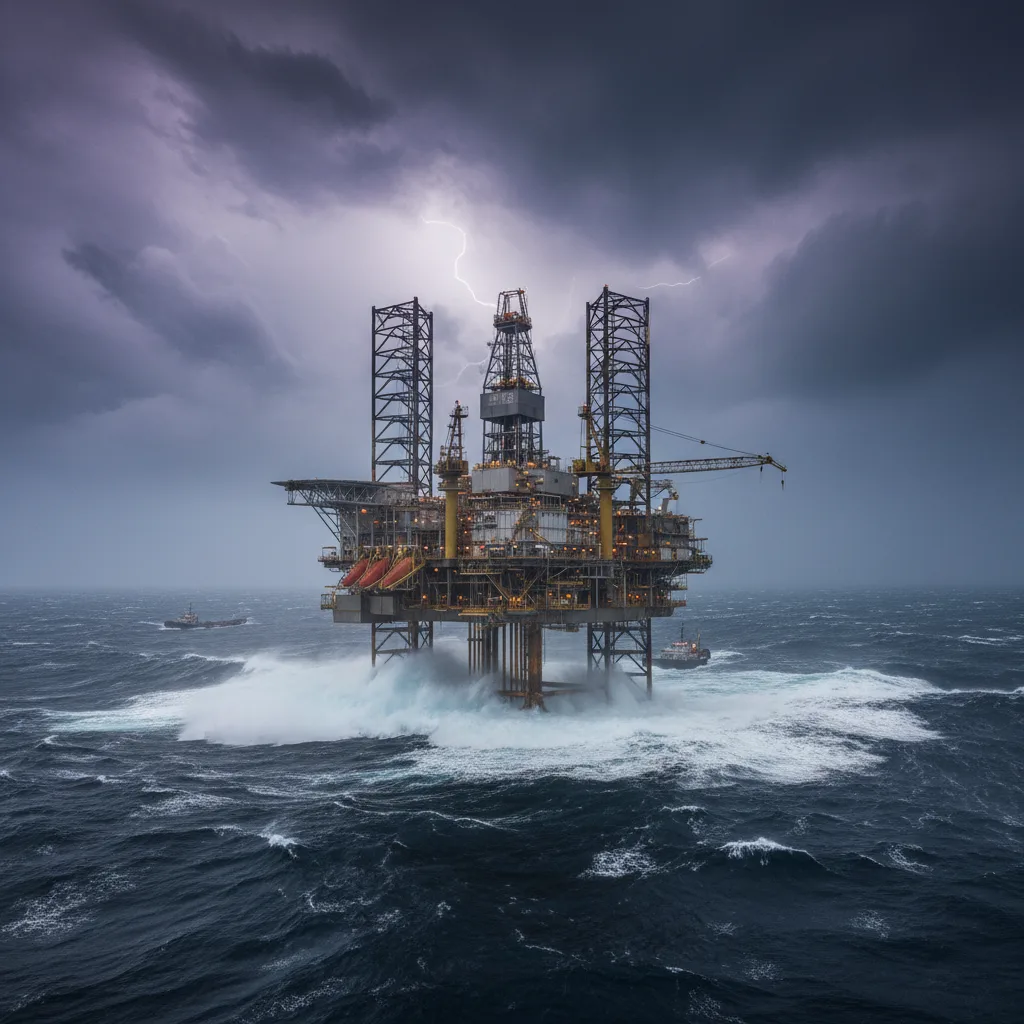
The U.S. Gulf of Mexico hosts thousands of oil and gas platforms, crucial for the nation's energy supply. These massive structures are highly vulnerable to hurricanes, which frequently force production shutdowns and cause significant infrastructure damage. (AI-generated illustration)
Inflation would explode. Every sector, from manufacturing to agriculture, needs energy. Higher energy costs mean higher production and transport costs. Consumers would see prices for everything shoot up. Central banks would then face tough choices. They could raise interest rates, risking a recession. Or they could allow inflation to eat away at savings.
Industries that use lots of energy would be hit the hardest. Aviation, shipping, heavy manufacturing, and chemicals would struggle. Many companies would cut back or go bankrupt. Small and medium-sized enterprises (SMEs) are especially vulnerable. They don’t have the cash reserves of bigger companies. Professor Chen Li, an expert in global economics at Peking University, explained this. “Energy is the lifeblood. Cut it, and the economy flatlines,” he said in a May 2024 analysis.
Social unrest could follow widespread economic pain. Citizens facing high energy bills and job losses might protest. Government stability could be at risk in many nations. Energy rationing or prolonged blackouts would make people even angrier. Access to affordable energy is a basic human need. Its disruption can quickly lead to civil disorder.
Strategic Petroleum Reserves (SPRs) are a temporary fix. The U.S. Strategic Petroleum Reserve holds over 350 million barrels of oil. Other nations have reserves too. These reserves can ease initial price spikes. But they can’t meet global demand forever. A protracted supply disruption would quickly deplete them.
How to build a tougher energy system
Diversifying energy sources is a smart strategy for resilience. Investing in renewable energy cuts our reliance on shaky fossil fuel markets. Solar, wind, and geothermal power give us domestic, endless energy. The International Renewable Energy Agency (IRENA) says renewables will soon add most new power capacity. This trend brings long-term energy security.
Decentralization of energy grids also makes us tougher. Distributed energy resources, like rooftop solar and microgrids, mean we rely less on big central power plants. They’re less likely to fail from one problem. Smart grid technologies can also manage demand better. It stops overloads during peak times.
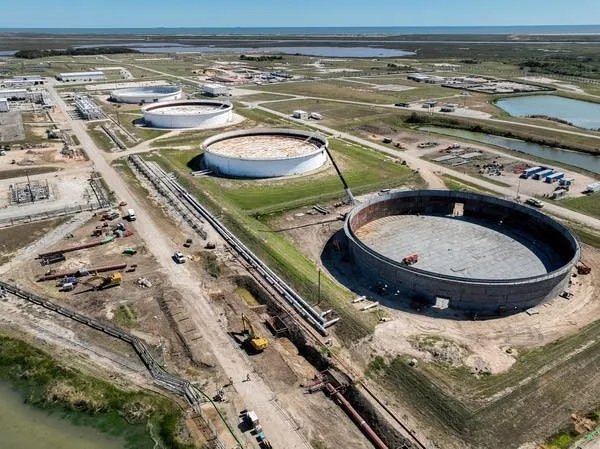
The U.S. Strategic Petroleum Reserve, the world's largest emergency supply, stores crude oil in massive underground salt caverns along the Gulf Coast, designed to mitigate severe supply disruptions and stabilize markets during crises. (Source: marketplace.org)
Investment in energy storage solutions is key. Battery storage systems can store extra renewable energy. They can release it when we need it. This evens out when renewables aren’t producing. It also gives backup power when the grid fails. Hydropower with reservoir capacity does similar good.
International cooperation is vital for stable markets. Dialogue between producing and consuming nations helps manage supply expectations. Joint efforts to protect key infrastructure are also needed. Information sharing on cyber threats can strengthen defenses. The G7 and other international bodies help these talks happen.
Maintaining strong strategic oil reserves are a key safety net. Regular replenishment and strategic releases help stabilize markets during minor shocks. These reserves buy time for diplomatic or technical solutions. They’re a last resort for big supply problems.
Future energy markets will likely be more complex. A mix of renewable sources, fossil fuels, and new technologies will coexist. Building resilience means constant adaptation. It also needs steady investment in varied energy infrastructure. The goal is to prevent a doomsday scenario, not just react to one.
Questions you might have
Q: What is the Strait of Hormuz, and why is it important? A: The Strait of Hormuz is a narrow waterway connecting the Persian Gulf to the open ocean. It is important because roughly 20% of the world’s daily petroleum consumption passes through it. Any closure would greatly disrupt global oil supplies.
Q: How do cyberattacks threaten energy markets? A: Cyberattacks can target key energy infrastructure like pipelines, power grids, and refineries. These attacks can disrupt operations, cause blackouts, or stop fuel delivery. The 2021 Colonial Pipeline attack showed how quickly these incidents can create fuel shortages.
Q: What role do strategic petroleum reserves play? A: Strategic petroleum reserves, like the U.S. SPR, store crude oil to be released during supply disruptions. They help stabilize prices and ensure supply in emergencies. They’re a temporary buffer against big market shocks.
Q: Can renewable energy prevent a doomsday scenario? A: Diversifying into renewable energy greatly cuts reliance on shaky fossil fuel markets. It gives us more local and stable energy sources. This transition boosts long-term energy security. It makes us less vulnerable to geopolitical and supply chain risks.
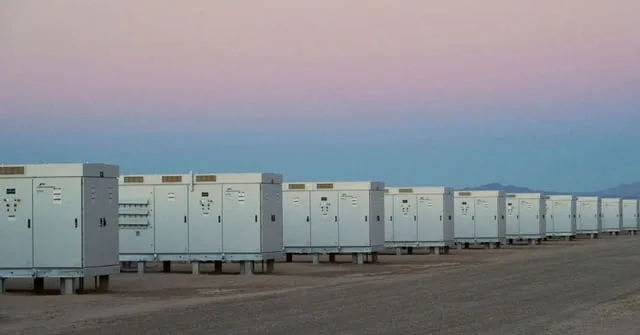
These massive installations, often comprising thousands of lithium-ion batteries, are crucial for stabilizing modern energy grids. They store surplus renewable energy from solar and wind farms, releasing it during peak demand or when renewable generation is low, thus preventing blackouts and ensuring a reliable power supply. (Source: reddit.com)
You might also like:
👉 Understanding Energy Independence: Security, Economy, Future
👉 The Economic & Societal Impact of Government Shutdowns
👉 US-China: $664B Trade Masks Zero-Sum Global Power Struggle