
Maria Rodriguez, 32: How 40.3°C Heat Changed Her Period
Nurse Maria Rodriguez, 32, experienced unpredictable, heavier periods after Europe's 40.3°C summer. Is climate change altering women's cycles?
The Climate Cycle: How a Warming World Reshapes Menstruation
The summer of 2022 baked Europe. London hit a record 40.3°C. In Spain, nurse Maria Rodriguez, 32, saw her monthly cycle go haywire. Her periods became unpredictable, heavier, and more painful. Maria’s experience isn’t unique. This growing trend indicates climate change is affecting human biology, specifically menstrual health.
Your period is complex. Hormones from your hypothalamus, pituitary gland, and ovaries — the HPO axis — run the show. This system is very sensitive. Stress, diet, sleep, and even light can throw it off. A healthy cycle usually lasts 21 to 35 days. It signals good reproductive health.
Our world is heating up fast. Extreme weather hits harder and more often. These changes add new stresses to our lives. Scientists are now linking climate’s big impacts to specific body responses. They see connections to menstrual health. Early observations focused on direct heat.
Heatwaves: How they affect your cycle
On July 19, 2022, the UK hit 40.3°C. This extreme heat stressed bodies everywhere. People got dehydrated, tired, and couldn’t sleep. These immediate problems have deeper effects. They can shift your endocrine system.
Heat makes your body work overtime. It fights to keep your internal temperature stable. This effort pumps out more stress hormones, like cortisol. Cortisol helps with fight-or-flight. While cortisol aids the fight-or-flight response, excessive levels over time disrupt the HPO axis. Dr. Shruthi Mahalingaiah, an epidemiologist at Boston University School of Public Health, explains it simply: the body prioritizes survival over reproduction. Long-term stress can shut down reproductive functions.
Your hypothalamus, a brain region, handles both stress and reproductive hormones. Under severe heat, it diverts resources to cooling you down. This cuts the release of GnRH (gonadotropin-releasing hormone). GnRH is essential for ovarian function. A 2021 Environmental Health Perspectives review confirmed these pathways. It showed a clear link between heat and irregular periods.
This physical shift often disrupts your cycle. Periods might get longer, shorter, or less regular. Understanding heat’s direct impact was just the start. It led scientists to look at other environmental stressors.

In July 2022, London experienced its hottest day on record, reaching an unprecedented 40.3°C, a stark example of the extreme heat events linked to climate change that can impact human health. (Source: dailymail.co.uk)
Other threats: Pollution, hunger, and your cycle
In January 2013, Beijing choked on its “airpocalypse.” PM2.5 readings shot past 500 micrograms per cubic meter. This pollution alarmed public health experts. It showed how common contaminants could hurt reproductive health. Air pollution often comes from industry. Climate change makes it worse with stagnant air and wildfires.
Tiny PM2.5 particles enter your bloodstream. They cause inflammation. They also act as an endocrine disruptor. These chemicals interfere with your hormones. Dr. Audrey Gaskins, a professor at Harvard T.H. Chan School of Public Health, researches environmental exposures. Her work links certain pollutants to reproductive problems. For example, phthalates in plastics are known endocrine disruptors. They are more common in polluted areas.
Beyond air, climate change threatens food. Droughts and floods destroy crops. The UN World Food Programme reported in 2023 that climate change drives food insecurity. This causes widespread malnutrition. Lacking key nutrients like iron and vitamin D harms menstrual health. Not enough essential nutrients can stop hormone creation. It disrupts ovarian function.
The psychological cost of climate change is also significant. Constant climate disasters, displacement, and environmental worry create massive stress. Dr. Britt Wray, author of “Generation Dread,” calls eco-anxiety a surging mental health crisis. This ongoing stress raises cortisol. It directly affects the HPO axis. Chronic stress can stop periods (amenorrhea) or cause irregular bleeding.
These linked environmental changes form a complex web of issues. They expose menstrual health to many dangers. This complexity means public health experts cannot just look at one factor. They must consider the bigger picture for society.
The public health challenge: Data, disparity, and the future
In 2018, the Intergovernmental Panel on Climate Change (IPCC) released a special report. It detailed global warming’s impacts at 1.5°C above pre-industrial levels. The report warned of higher risks to health and livelihoods. However, specific data on climate change and menstrual health was scarce. This lack of research leaves significant gaps for public health planning.

Beijing was engulfed in a thick, hazardous smog during its 'airpocalypse' in January 2013, with PM2.5 readings soaring past 500 micrograms per cubic meter, highlighting the severe public health threat posed by extreme air pollution. (Source: theregister.com)
The impacts hit unevenly. Women and girls in low-income countries often suffer most. They rely more on nature. They have fewer ways to adapt to climate shocks. A 2022 UN Women report showed this disparity. It revealed how climate disasters often increase gender-based violence and cut off health services. Access to menstrual products and hygiene also worsens during crises.
Climate change also strains health systems. Heatwaves overwhelm hospitals. Floods destroy clinics. This breakdown limits access to regular gynecological care. It makes managing period problems harder. For example, in areas with extreme weather, healthcare struggles to bounce back. This leaves vulnerable people without support. A 2023 The Lancet Planetary Health study stressed this point. It highlighted the need for climate-proof health systems.
Future forecasts raise concerns. As global temperatures keep rising, heatwaves will get hotter and more common. Air pollution could worsen. Food shortages will likely grow. These trends mean more period irregularities. They will add pressure to individuals and health systems globally. Urgent and specific actions are needed now.
Without focused research and smart plans, climate change will widen health gaps. It forces us to rethink public health from the ground up. These new approaches must weave climate resilience into reproductive health planning.
Building resilience: Protecting reproductive health
In 2024, the University of California, San Francisco, launched a new research project. It aims to collect detailed data on environmental exposures and menstrual health. This project is an important step. It will fill current data gaps. More long-term studies are urgently needed. They must track people over time. They must connect environmental shifts to period changes.
We must integrate reproductive health into climate plans. This means considering menstrual needs in disaster preparedness. It means ensuring access to clean water, sanitation, and hygiene. It also means providing period products during emergencies. The World Health Organization (WHO) now pushes for climate-ready health services. These services must meet the specific needs of women and girls.
Community solutions matter, too. Local groups can strengthen food security. They can use sustainable farming. They can create early warning systems for extreme weather. These efforts ease community stress. They improve overall health. This supports reproductive health indirectly. Empowering local communities builds resilience from the ground up.
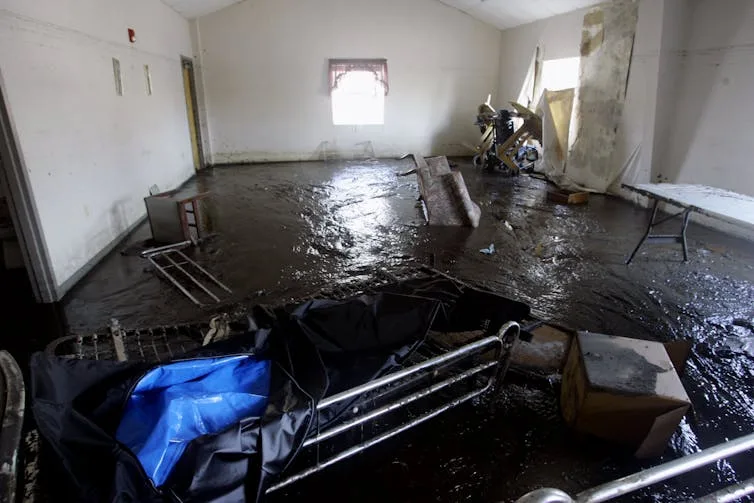
Climate change-induced floods frequently devastate healthcare infrastructure, making it difficult for women and girls to access essential gynecological care and menstrual hygiene products during crises, as highlighted in the passage. (Source: theconversation.com)
Finally, education and awareness are effective tools. Knowing the links between climate change and your period empowers you. It helps you spot symptoms. It encourages you to get help. This knowledge lets you advocate for yourself. It helps you demand better public health responses. Climate change is a significant challenge. Understanding its impact on menstrual health is crucial for building a stronger future for everyone.
Frequently Asked Questions
How does heat directly affect periods? High temperatures can stress the body. This increases stress hormones like cortisol. Cortisol can disrupt the brain’s signals that regulate the menstrual cycle. This leads to irregular, heavier, or more painful periods.
Can air pollution really change my cycle? Yes, air pollution contains tiny particles and chemicals. These can enter the bloodstream. They cause inflammation and act as endocrine disruptors. These disruptions interfere with hormonal balance. This can lead to menstrual irregularities over time.
Who is most at risk from these impacts? Women and girls in low-income countries face higher risks. They often have less access to resources and healthcare. Indigenous communities and agricultural workers are also vulnerable. They are more exposed to environmental stressors.
What can be done to address these issues? More research is needed to understand the links better. Public health policies must integrate reproductive health into climate adaptation plans. Community-led initiatives can improve local resilience. Education also empowers individuals to manage these challenges.
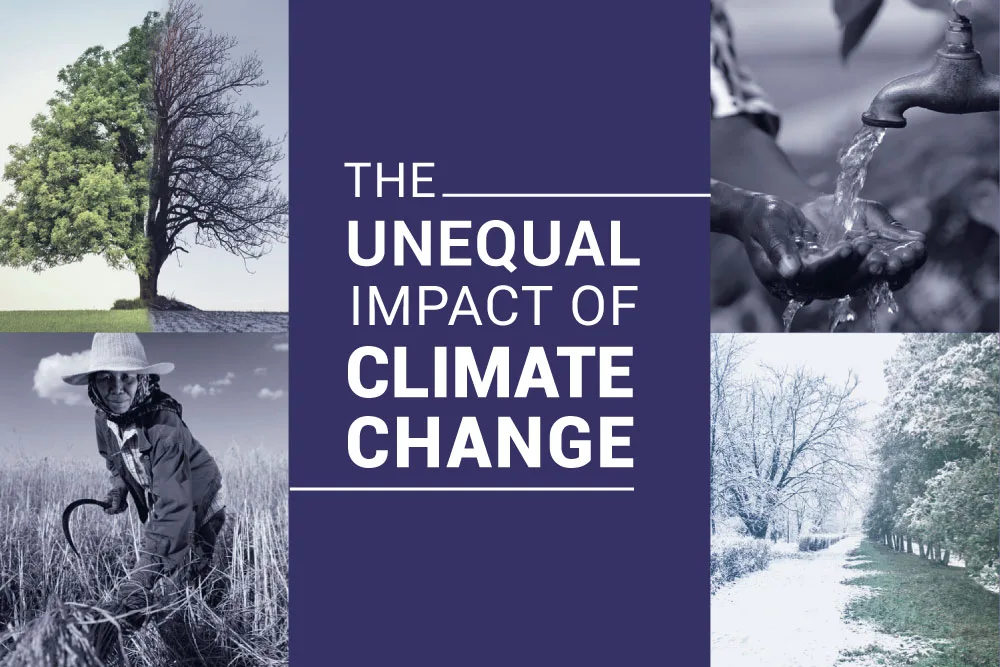
Women and girls in low-income countries are disproportionately vulnerable to the health impacts of climate change, including disruptions to their menstrual cycles, often due to limited access to healthcare and resources. (Source: blog.wfco.org)
You might also like:
👉 Super El Niño 2026 Predictions: Global Impact & What to Expect