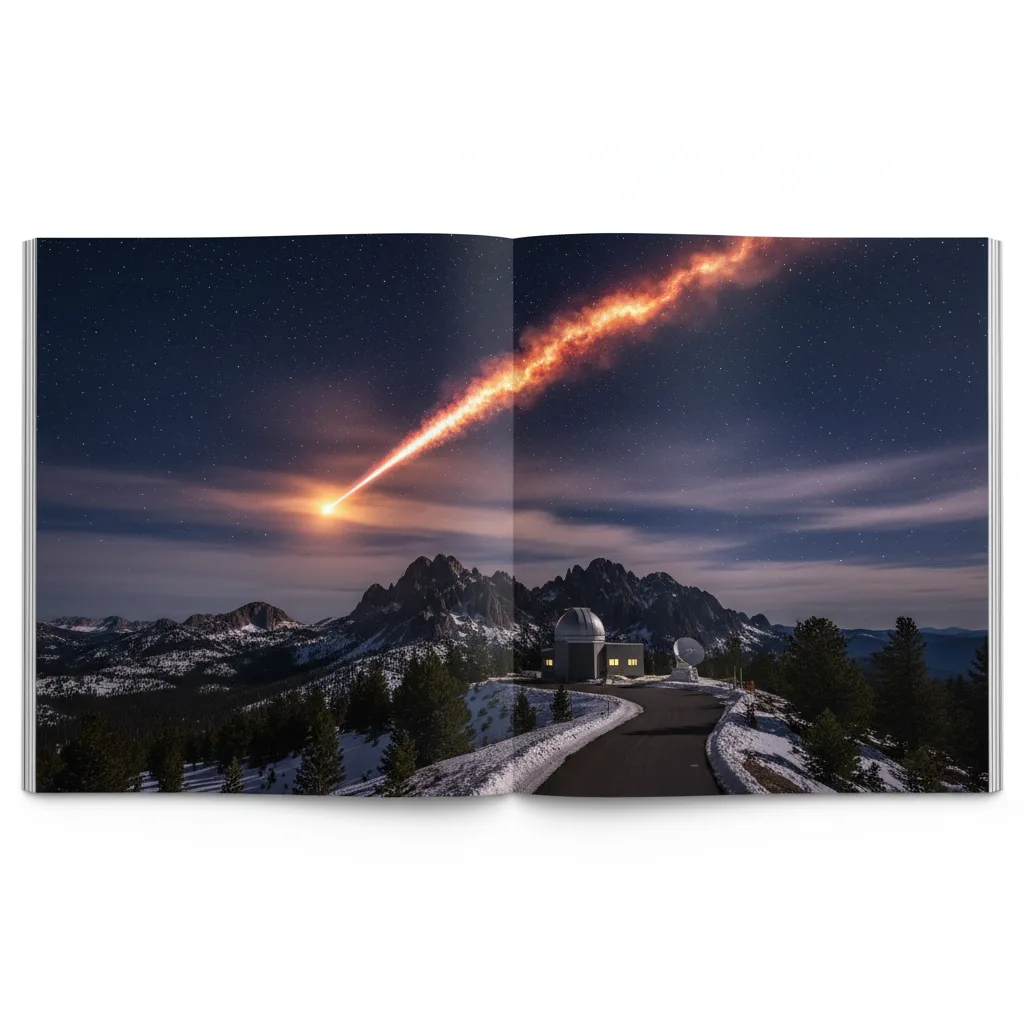
Dec 2, 2020: Meteor Explodes, Shaking Coastal Massachusetts
Homes from Duxbury to Scituate rattled on December 2, 2020, as a meteor exploded high above coastal Massachusetts, causing a thunderous boom.
The Massachusetts Boom: What Really Shook the Coast?
Imagine your house shaking violently on a quiet Wednesday afternoon. That’s what happened across coastal Massachusetts on December 2, 2020. A thunderous boom rattled homes from Duxbury to Scituate. People along this southeastern coastline are used to ocean sounds, but not widespread aerial concussions. News and social media quickly blamed a meteor exploding high above. The American Meteor Society (AMS) often gets reports of such celestial events. This made the meteor theory seem plausible.
Meteors entering Earth’s atmosphere at hypersonic speeds create sonic booms. Friction and compression generate powerful shockwaves. This explanation sounds simple. Yet, scientific data shows inconsistencies. The event was more involved than a visible meteor.
What the Coast Felt
The December 2nd boom scared many people. Emergency services in Kingston, Marshfield, and Hingham got countless calls. Residents reported a powerful, concussive jolt. Homes shook as if an explosion had gone off. The event happened in broad daylight, making it even stranger.
Early media reports, like CBS Boston’s, often cited unofficial sources. They pushed the “meteor” theory hard. People liked this idea because they knew about space rocks. It offered a simple answer to a baffling sound. Yet, no one saw anything concrete. This quickly made the story harder to believe.
A meteor explanation usually means a visible fireball. People expect to see a streaking light or smoke. Yet, for the Massachusetts event, no one saw a thing. This missing visual evidence pushed scientists to investigate further. It made them question what truly disturbed the atmosphere.
The Data Tells a Story
After the boom, Boston College seismologists immediately checked local seismic data. Dr. Alan Kafka, a respected seismologist at Weston Observatory, studied the readings. His instruments picked up clear signals. These signals looked like an atmospheric event. They didn’t have the distinct P-waves and S-waves typical of a ground earthquake. An atmospheric event leaves a different seismic signature.
Dr. Kafka noted the seismic signature matched an airburst. Yet, no one saw a fireball. This was a big problem. The American Meteor Society tracks global meteor sightings. They got very few reports of a visible fireball or streaking light on December 2nd. That’s unlike typical bright meteor events. Many residents described a concussive force and a deafening sound. Few reported seeing anything in the sky.

While no visible meteor was reported during the 2020 Massachusetts boom, seismologists concluded the event was an atmospheric airburst. This type of powerful phenomenon occurs when a meteor explodes high in the atmosphere, generating shockwaves that can cause ground tremors and loud booms. (Source: nationalgeographic.com)
The National Weather Service (NWS) in Norton, Massachusetts, also checked radar data. Their advanced Doppler radar systems watch atmospheric conditions. Forecasters looked at data from the boom’s exact time and place. They saw no objects breaking up in the upper atmosphere. No debris trails showed on the screens. This absence undermines the idea of a large, fragmenting meteor. Such an event would leave a radar signature.
Other Possibilities
Military operations happen often off the Massachusetts coast. They’re another possible source for sonic booms. The region sits next to active military training areas. Otis Air National Guard Base on Cape Cod often runs training missions. Supersonic jets like F-15s or F-16s make powerful sonic booms. These happen when an aircraft flies faster than sound. The shockwave can travel many miles.
A military sonic boom sounds much like a meteor airburst. Both make a sudden, concussive noise. Ground observers often can’t see the source. Massachusetts Air National Guard officials usually issue statements after such events. For December 2, 2020, initial reports didn’t confirm any specific military exercises. Official denials aren’t always immediate or public. This keeps the military boom possibility alive.
Atmospheric conditions greatly affect how sound travels. This makes investigations harder. Temperature, humidity, and wind gradients all change sound wave propagation. A temperature inversion can act like a natural sound channel. This happens when warm air traps cooler air below it. This can carry sound much farther than normal. It can also make distant sounds seem much louder and closer.
Meteorologists, including NWS experts, have explained this effect. They say sound from events like missile tests can travel hundreds of miles in certain conditions. Such inversions were possible on the boom’s day. This unique atmospheric channeling makes finding the source hard. It can cause many people to report a single, distant event.
The Whole Picture
Identifying the exact origin of atmospheric events is challenging. Many factors shape public perception and reports. The Massachusetts boom highlights these difficulties. Simple explanations rarely tell the whole truth.
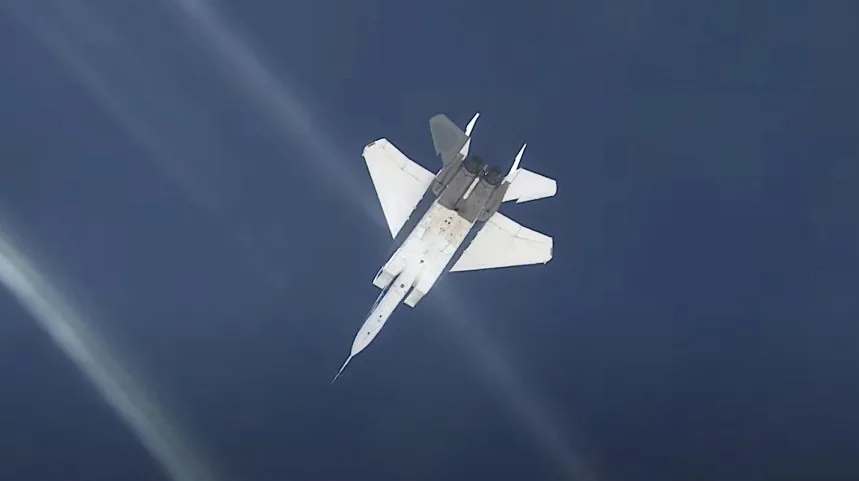
F-15 and F-16 fighter jets are capable of supersonic flight, producing powerful sonic booms that can travel for many miles. These aircraft are frequently used in training missions off the Massachusetts coast, making them a plausible source for unexplained loud booms. (Source: autoevolution.com)
The evidence suggests it wasn’t a simple, spectacular meteor. Dr. Alan Kafka’s seismic analysis confirmed an atmospheric origin. This ruled out a normal earthquake. The American Meteor Society got almost no fireball reports. This detail helps distinguish it from a bright, fragmenting meteor. NWS radar data also showed no large, disintegrating object. This disproves the “large meteor” story.
The event was certainly an atmospheric airburst. It probably came from a relatively small meteoroid. This meteoroid might have been too small or too dark to see. It may have broken apart high up, making a shockwave without a visual trail. We can’t rule out a military sonic boom. Such an event would create nearly identical acoustic and seismic signatures. No immediate, clear military confirmation for that time keeps this option open.
The popular “meteor” explanation is partly right. An atmospheric explosion did happen. Yet, it was likely either a very specific kind of meteor event or a military sonic boom. The evidence doesn’t clearly separate them. Atmospheric conditions also played a big part in how widely people heard it. Understanding these events needs careful data analysis. It means looking past our first guesses. This helps us prepare for and react to future booms. Scientists keep improving atmospheric monitoring. Better sensors and satellite observations will eventually give us clearer answers. These tools will help tell natural events from human activities.
FAQ
What caused the Massachusetts boom? The most probable cause was an atmospheric airburst. This could be a small meteoroid or another high-altitude event. Dr. Alan Kafka’s data suggests it came from the atmosphere, not a ground earthquake.
Was it a meteorite hitting the ground? No. All available evidence points to an explosion high in the atmosphere. No reports or evidence showed fragments reaching the ground.
Could it have been a military sonic boom? Yes, this is still a strong possibility. The Massachusetts coast is near active military training areas. Jet sonic booms sound very similar to meteor airbursts. Official confirmations aren’t always immediate.

Dr. Alan Kafka, a prominent seismologist at Boston College's Weston Observatory, was instrumental in analyzing the seismic data from the mysterious Massachusetts boom. His expert analysis confirmed an atmospheric origin for the event, helping to distinguish it from a ground earthquake and guiding public understanding. (AI-generated illustration)
Why is it hard to determine the exact cause? Atmospheric events are complicated. Weather conditions greatly affect how sound travels. No one saw much, and many things could have caused it. This makes precise identification hard without full sensor data.
You might also like:
👉 Unveiling the World’s Most Baffling Natural Phenomena
👉 Unexplained Mysteries of Science: Cosmos, Quantum & Beyond