Why 2024 Pop Culture Is Global & Fragmented
Discover how 2024's pop culture is global and highly fragmented, reflecting a collective desire for authenticity and new ways to engage with creativity.
Pop culture is more than just popular trends. It reflects fundamental shifts in how we connect, create, and find meaning. These deep, slow movements shape our world, much like ocean currents beneath the surface.
In 2024, pop culture is global and highly fragmented. It is driven by individual choice. These trends reflect our collective desires and concerns. This year’s biggest trends are not just fads. They show a desire for authenticity. They also reveal new ways to engage with creativity. And they show a pushback against digital overload.
the ai creative boom
OpenAI released Sora in January 2024. This text-to-video artificial intelligence generates realistic clips from simple written prompts. It changed creative fields.
Generative AI creates new content; it does not just analyze data. Tools like Midjourney for images and Suno AI for music are now everywhere. Artists use them for inspiration or for full creation. Musician Grimes, for example, allowed AI-generated songs using her voice.
This technology changes who we call an author. It also creates tough questions about intellectual property. A late 2023 Adobe survey found 77% of creatives already use or plan to use generative AI. This indicates fast adoption across industries. The lines between human and machine creativity are blurring quickly.
niche communities, not mega-influencers
TikTok reported in March 2024 that “highly niche communities” drive new engagement. People are leaving celebrity influencers. They seek out smaller, specialized creators. These creators often focus on specific interests. Examples include “BookTok” for literature fans or “CleanTok” for cleaning enthusiasts. A micro-influencer is a social media personality with a smaller, highly engaged audience focused on a specific topic.
This shift is sometimes called de-influencing. It pushes back against traditional consumerism. Creators share what not to buy. They value authenticity and relatability, moving away from unattainable luxury. A 2024 report by Influencer Marketing Hub shows micro-influencers often have higher engagement rates. This outperforms macro-influencers. This trend spreads influence more widely. It builds stronger, more trusted online communities. People want genuine connections and shared interests.
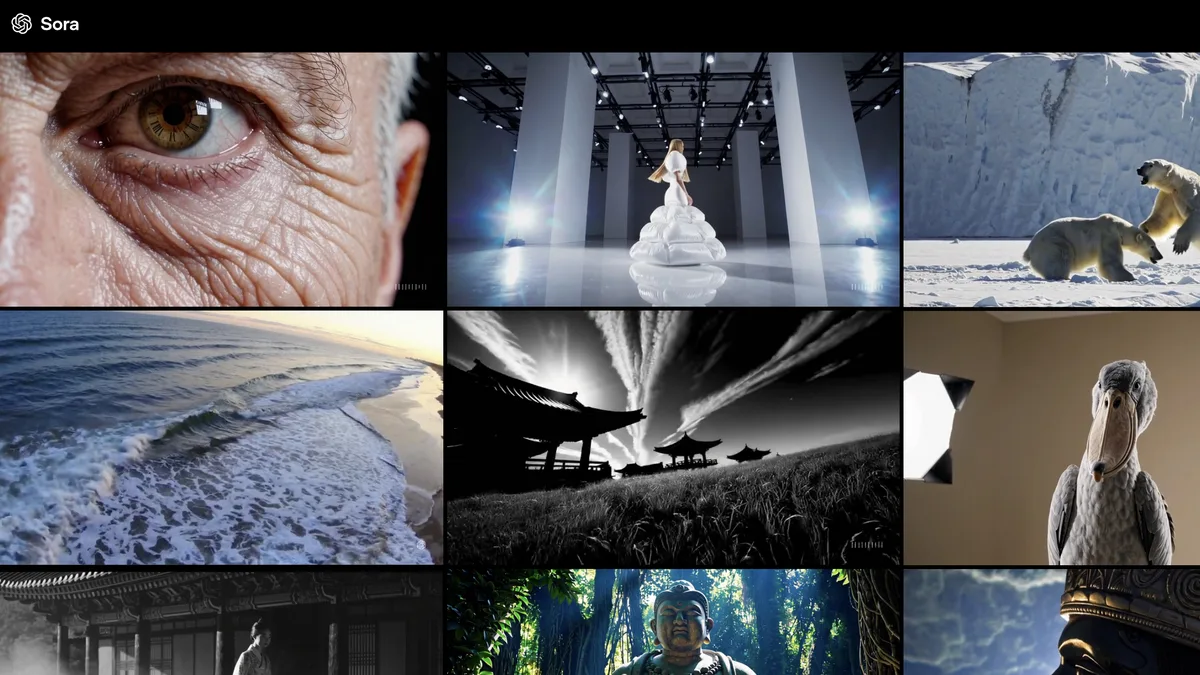
Released in January 2024, OpenAI's Sora is a groundbreaking text-to-video artificial intelligence that generates realistic clips from simple written prompts, profoundly impacting creative industries and redefining authorship. (Source: digitalcameraworld.com)
the tangible retreat: retro tech and physical media
Vinyl record sales hit a 30-year high in 2023, according to the RIAA. That trend continues into 2024. People crave physical objects. They want a break from constant digital stimulation. Vintage digital cameras, such as early 2000s Canon PowerShots, are popular. Flip phones are also making a surprising comeback.
This trend is about intentionality, not just nostalgia. A vinyl record offers a ritual, a deliberate act of listening. A specific camera limits choices, encouraging focus on the craft of photography. Tech analyst Carolina Milanesi noted in a 2024 interview that flip phones offer “digital detox”—a period when someone stops using electronic devices. This lets you break away without fully disconnecting.
This trend shows a deep desire for presence. It is a direct reaction to endless scrolling. It pushes back against digital content’s fleeting nature. People want more meaningful, tactile experiences.
the rise of the “cozy” aesthetic
Palworld, released in January 2024, sold over 15 million copies on Steam in its first month. This gaming hit blends survival mechanics with charming creature collection. It shows a broader “cozy” trend. This aesthetic reaches fashion, home decor, and even content creation.
Imagine soft textures, warm lighting, and comforting activities. This aesthetic creates safe, low-stress environments, going beyond mere comfort. Games like Stardew Valley and Animal Crossing paved the way. Fashion trends like “comfort core,” which emphasizes soft, comfortable clothing for relaxation and everyday wear, value soft fabrics and relaxed silhouettes. This directly addresses global concerns, says cultural anthropologist Dr. Sarah Miller.
This trend shows our shared need for escape and self-care. People are seeking peace and solace in a chaotic world.
frequently asked questions
Is pop culture becoming less global? No, pop culture is becoming more fragmented. Global platforms like TikTok still connect people worldwide. However, individuals are gravitating towards smaller, niche communities. This means the idea of a single, unified “global pop culture” is dissolving.
Will AI replace human artists? Most experts believe AI will add to human creativity, not replace it. AI tools can handle tedious tasks. They can also generate new ideas. This allows human artists to focus on concepts and emotional expression.
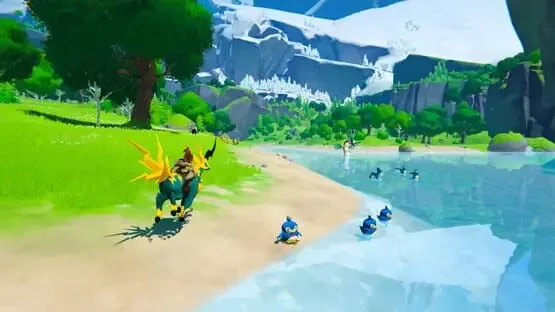
Released in January 2024, the survival and creature-collection game *Palworld* quickly sold over 15 million copies on Steam, becoming a breakout hit and a prime example of the 'cozy' aesthetic trend in gaming. (Source: gamepasslist.app)
Are these trends just for young people? Not exclusively. Younger generations often adopt trends first. However, these deeper shifts appeal to all ages. The desire for authenticity, digital detox, and comfort draws in many demographics.
looking ahead: pop culture’s personal future
These pop culture trends point to a future of intense personalization. We can expect more friction between AI and human creativity. Also, expect a continued push and pull between digital immersion and tangible experiences.
The “mainstream” will keep fragmenting. This will make pop culture wonderfully diverse. We will see more tailored content and individual ways to express identity. Pop culture will become less about shared mass experiences. It will be more about your own curated personal world. This might mean fewer universal touchstones. However, it promises deeper, more authentic connections within your chosen communities.

The practice of 'digital detox' has gained traction as individuals seek to reduce screen time and reconnect with the tangible world, often involving retreats or intentional breaks from devices to improve mental well-being. (Source: threedots.com)
You might also like:
👉 Unplugging for $800 Billion: The 2023 Digital Detox Boom