
Tehran 2009: When Social Media Defied Iran's Censors
When Iran silenced media on June 13, 2009, thousands in Tehran found a new voice. See how social media bypassed state censorship.
How Social Media Changed Activism
Imagine protesting a rigged election. Your government then silences every newspaper and TV channel. That’s a terrifying thought. It was the reality in Tehran, Iran, on June 13, 2009. Thousands poured into the streets. They challenged official results, alleging widespread fraud.
These demonstrators faced a harsh reality. State-controlled media ignored their grievances. Traditional news outlets struggled to report freely. Communication was difficult. Activists desperately needed a new way to share their story.
This was the moment for digital tools. These new platforms offered fast, far-reaching communication. They let citizens bypass state filters.
Before this, activism relied on slower methods. Organizers printed leaflets. They held public meetings. They used word-of-mouth networks. These traditional approaches faced big hurdles.
Reaching a wide audience was expensive. It required physical presence. It was also risky in authoritarian states. Governments could easily control information. They could suppress dissent effectively.
Social media platforms changed everything. Facebook launched in 2004. Twitter followed in 2006. These sites offered instant, low-cost communication. They connected people globally. Activists quickly saw their potential. These platforms promised a powerful new voice.
Iran’s Green Movement: The First Spark (2009)
In June 2009, Iranians poured into the streets. They protested President Mahmoud Ahmadinejad’s re-election. The state quickly moved to quash dissent. It blocked foreign journalists. It censored local media.
Activists then turned to Twitter. They used it to share real-time updates. Photos and videos circulated rapidly. These posts documented police brutality. They showed the scale of the protests. This information often reached the outside world before traditional media.
One tragic event grabbed global attention. On June 20, 2009, Neda Agha-Soltan was shot dead. A bystander captured her final moments on video. The clip spread virally across Twitter and YouTube. It became a symbol of the struggle. This moment showed social media’s power. It made individual suffering visible globally. Suddenly, a single life lost wasn’t just a statistic. It was a face, a story, a rallying cry.
The Iranian government tried to block these platforms. It slowed internet speeds. It filtered content. But activists found ways around these blocks. They used proxy servers. This digital cat-and-mouse game continued. It showed how vital these platforms were.
The Green Movement ultimately didn’t achieve its goals. Yet, it demonstrated social media’s potential. It showed how platforms could bypass state censorship. They could raise international awareness. This changed how people fought back.
The Arab Spring: A Digital Wave (2010-2011)
On December 17, 2010, Mohamed Bouazizi set himself on fire in Tunisia. This act of protest followed the confiscation of his street vendor cart. His self-immolation sparked widespread anger. It ignited protests across the country.
News of Bouazizi’s death spread quickly. Young Tunisians used Facebook to organize. They shared protest details. They posted videos of clashes with police. This digital organizing sped up the movement. It bypassed state media blackouts.
Within weeks, protests escalated. Tunisia’s long-standing dictator, Zine El Abidine Ben Ali, fled the country. This marked a historic moment. It was the first successful revolution in the Arab world.
The Tunisian success inspired others. Similar uprisings erupted across the region. Egypt, Libya, Syria, and Yemen saw widespread unrest. Activists in Egypt, for instance, created Facebook groups. One group, “We Are All Khaled Said,” exposed police brutality. It quickly gained hundreds of thousands of followers.
Wael Ghonim, an Egyptian Google executive, secretly administered the page. He helped organize the January 25, 2011, “Day of Rage.” Millions gathered in Cairo’s Tahrir Square. Their collective action led to President Hosni Mubarak’s resignation. A 2011 Pew Research Center study confirmed social media was key to these uprisings. It helped coordinate, inform, and mobilize participants.
The Arab Spring proved social media could spark huge movements. It could even lead to regime change. These events solidified the idea of a “digital revolution.” People truly believed the internet could bring down dictators.
Black Lives Matter: Hashtags, Videos, and Change (2013-Present)
On July 13, 2013, a jury acquitted George Zimmerman. He was charged with the murder of Trayvon Martin. This verdict sparked outrage across the United States. Many felt it showed systemic racial injustice.
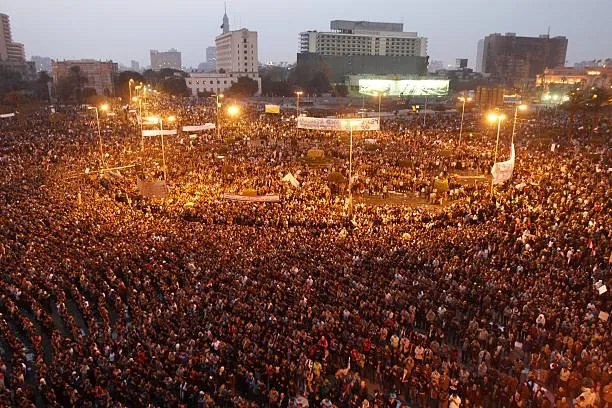
Cairo's Tahrir Square became the iconic heart of the 2011 Egyptian Revolution, where millions gathered in protests largely coordinated via social media, leading to President Hosni Mubarak's resignation. This historic site vividly demonstrated the potential of digital platforms to mobilize massive collective action and achieve regime change. (Source: gettyimages.in)
That same day, Alicia Garza posted a message on Facebook: “Our Lives Matter.” Her friend, Patrisse Cullors, added the hashtag #BlackLivesMatter. Opal Tometi then built a digital platform around it. This birthed a decentralized movement. It was a grassroots uprising, powered by shared experiences and a common hashtag.
Black Lives Matter (BLM) used social media differently. It wasn’t just for organizing protests. It helped control the story. Activists used platforms to document police brutality. Bystander videos of incidents, like the killing of George Floyd in 2020, went viral. These videos forced public attention onto police accountability. They challenged official reports.
The movement used hashtags to spread messages. It built a collective identity. It also made fundraising easier. Direct appeals for donations spread quickly. These funds supported legal defense, bail, and community programs. Amnesty International documented how BLM used social media to expose human rights abuses. This global push for racial justice gained huge momentum.
BLM showed social media could fuel long-term activism. It could challenge dominant stories over years. It influenced public discussion on a national scale. This happened even without a centralized leadership structure.
The Dark Side: Misinformation and Manipulation
Social media’s power for activism also brought new problems. Its open design made people vulnerable. Bad actors began to spread false information and propaganda.
The 2016 US Presidential Election became a stark example. Foreign state actors launched extensive disinformation campaigns. They created fake accounts. They spread divisive content. These efforts aimed to polarize the electorate. They eroded trust in democratic processes. A report by the US Office of the Director of National Intelligence confirmed foreign interference. It highlighted social media’s role in spreading propaganda.
Algorithms designed to keep users engaged also played a role. They often boosted emotionally charged content. This led to “filter bubbles” and “echo chambers.” Users primarily saw information confirming their existing beliefs. This made dialogue difficult. It fragmented public discussion, trapping people in their own echo chambers.
State governments learned from the Arab Spring. They began to counter social media activism more effectively. Some censored more strictly. Others developed their own propaganda machines. They used bots and troll farms. These tactics aimed to discredit activists. They sowed confusion. They pushed state-sanctioned messages.
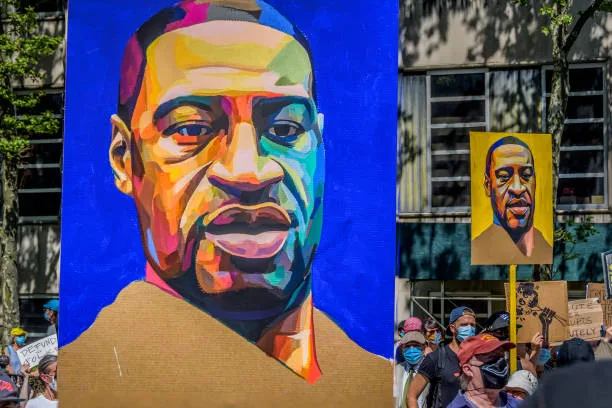
George Floyd's killing in May 2020, captured in a bystander video, went viral across social media platforms, igniting global protests against police brutality and becoming a pivotal moment for the Black Lives Matter movement in demanding accountability. (Source: gettyimages.com)
These developments showed a big weakness. The same tools that helped citizens could also be weaponized. They could undermine trust. They could fragment movements. This introduced new, complex challenges for activists and platform providers alike.
New Causes: Climate, Corporations, and More
Despite these challenges, social media activism continued to grow. It expanded to cover new platforms and causes. Activists found more ways to involve people. They showed social media worked for issues beyond political protests. These included climate change. They also included corporate ethics.
In August 2018, Greta Thunberg began her climate strike. Her solo protest outside the Swedish Parliament gained traction online. Her simple message, boosted by social media, sparked a global movement. “Fridays for Future” mobilized millions of young people worldwide. They used Instagram and TikTok to share their message. These platforms offered visual, engaging content.
Activists also targeted corporate accountability. Online campaigns pushed companies to change labor practices. They advocated for sustainable sourcing. They highlighted environmental impacts. Movements like #MeToo used social media to expose systemic issues. They held powerful individuals accountable. This showed social media could shift cultural norms.
Groups like Extinction Rebellion (XR) used digital strategies. They organized direct actions. They live-streamed protests. They used social media to bypass traditional media gatekeepers. This allowed them to control their own story. It engaged a global audience directly. A 2021 Environmental Communication study noted how vital digital platforms were for climate movements. They helped movements organize and frame their issues.
This expansion showed social media’s versatility. It moved beyond political uprisings. It tackled broader societal and economic issues. Activists continued to innovate. They found new ways to connect and influence.
FAQ
Q1: Is social media activism really effective? Yes, it can be highly effective. Social media helps raise awareness, organize protests, and shape public opinion. It gives a voice to those often ignored.
Q2: What is “slacktivism” and is it a problem? Slacktivism means low-effort online actions, like sharing a post. Critics argue it might feel like helping without much real impact. However, even these actions spread awareness and build momentum.
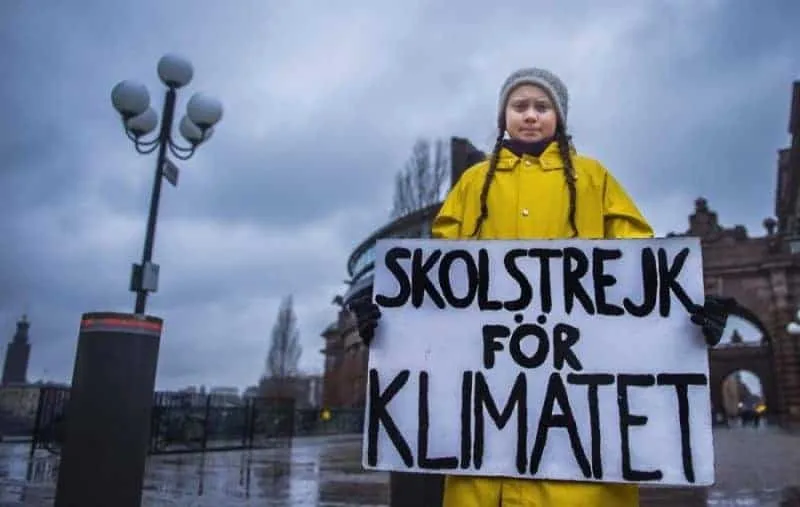
In August 2018, Greta Thunberg began her solo climate strike outside the Swedish Parliament, holding a sign that read 'Skolstrejk för klimatet' (School strike for climate). This simple act, amplified by social media, quickly sparked the global 'Fridays for Future' movement, mobilizing millions of young people worldwide. (Source: greenhouse.agency)
Q3: How do governments try to counter social media activism? Governments use many methods. They block platforms, censor content, and spread disinformation. They also prosecute activists. They monitor online activity.
The Digital Battleground Continues
Activism using social media continues to change. Platforms still evolve. New technologies, like artificial intelligence, offer both good and bad possibilities. AI can help activists analyze data. It can also create complex false information.
The tension between open communication and censorship persists. Activists must continually adapt. They need to find new ways to connect. They must resist manipulation. Citizens need more digital literacy. It helps them discern truth from falsehood.
Social media remains a powerful, complex tool. It has democratized information. It has given voice to the voiceless. Its future impact on activism will depend on technological shifts. It will also depend on human agency. The digital battleground for ideas and action will continue to reshape our world. It’s a tool with immense power, for better or worse. Its story is still being written by all of us.

Artificial intelligence (AI) is rapidly changing the landscape of social media activism, offering powerful tools for data analysis and organization, but also posing significant risks through the creation and spread of sophisticated disinformation. (Source: vecteezy.com)
You might also like:
👉 Unmasking Online Bots: The X & Facebook Mimicry Challenge