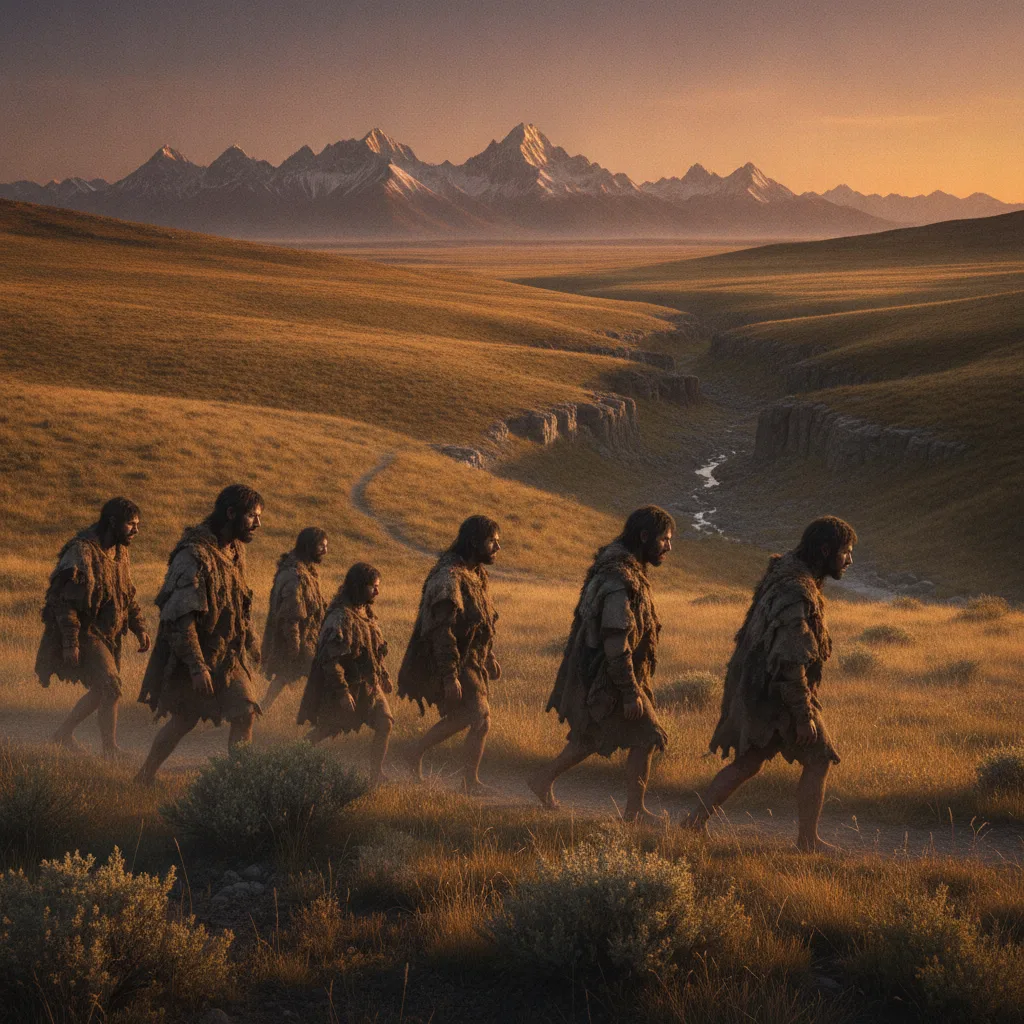
Why Humans Left East Africa 300,000 Years Ago
From East Africa 300,000 years ago, Homo sapiens embarked on a complex journey. Explore how early humans adapted to a restless, changing world.
The restless earth: humanity’s great wanderings
Ancient humans did not simply walk in straight lines. Their journey across the planet was far more complex. Our ancestors explored, adapted, and survived a world constantly changing.
Homo sapiens first emerged in East Africa roughly 300,000 years ago. Fossil evidence, like the Jebel Irhoud finds in Morocco, backs this up (Hublin et al., 2017). These early humans were hunter-gatherers, living off the land. Survival drove their movements, not some grand plan to colonize continents. Imagine water slowly spreading across uneven ground. It follows the easiest paths, sometimes pooling, sometimes drying up, always seeking new outlets.
The “Out of Africa” event describes when Homo sapiens began leaving their ancestral home. Some smaller groups might have ventured out earlier. But the main successful dispersal happened between 60,000 and 70,000 years ago (Mellars, 2006). This wave of migrants gave rise to most non-African populations alive today. When geneticists talk about “Mitochondrial Eve” or “Y-chromosomal Adam,” they mean these specific genetic lines. These weren’t the only people alive then. Instead, they represent the most recent common ancestors through maternal or paternal lines (Cann et al., 1987).
Leaving Africa
The main dispersal of Homo sapiens out of Africa was not a single, massive exodus. Instead, it involved a series of smaller, opportunistic movements. Climate shifts were crucial, creating both new opportunities and challenges.
One main route was the Southern Coastal Route. It followed the coastlines of the Arabian Peninsula, India, and Southeast Asia. This path gave hunter-gatherers ample marine resources (Petraglia et al., 2010). They relied on shellfish, fish, and other coastal foods. This strategy allowed faster movement.
Another, perhaps later, route went through the Levant, the eastern Mediterranean region. This path offered access to Central Asia and, eventually, Europe. The exact timing and how these routes connected still remain unclear to researchers. We know these migrations weren’t one-way trips. People likely moved back and forth, even after settling new lands.

The Jebel Irhoud archaeological site in Morocco is where the oldest known *Homo sapiens* fossils were discovered, dating back approximately 300,000 years. These groundbreaking finds significantly pushed back the timeline for our species' emergence, challenging previous assumptions about human origins. (Source: phys.org)
Australia saw humans arrive very early, around 65,000 years ago. Archaeological finds at Madjedbebe, Northern Territory, confirm this date (Clarkson et al., 2017). Settling Australia required significant maritime skills. Humans had to cross wide stretches of open water. This early seafaring shows advanced planning and technology. It indicates early humans weren’t just stuck on land.
Across the world
Around 45,000 years ago, Homo sapiens finally entered Europe in large numbers. Neanderthals, another hominin species, already lived there. Modern humans arriving led to complex interactions. Genetic evidence shows the two groups interbred (Fu et al., 2014). This means many modern humans carry a small percentage of Neanderthal DNA.
The journey into Asia continued eastward, eventually reaching the Americas. This final major expansion to a new continent happened much later. During the Last Glacial Maximum, a land bridge called Beringia connected Siberia and Alaska. This bridge appeared because lower sea levels created large ice sheets. Early Americans crossed Beringia. The exact timing is still debated. However, most estimates place this migration between 15,000 and 20,000 years ago (Llamas et al., 2016).
Humans moved south from Beringia in two main ways. The “ice-free corridor” idea suggests a path opened between North American ice sheets. The “coastal route” theory says people traveled along the Pacific coastline by boat. Evidence now largely supports the coastal route. Some early American sites predate the ice-free corridor’s opening. For example, Monte Verde in Chile, dated to about 14,500 years ago, suggests a fast southern spread.
The remote islands of the Pacific Ocean were the last major landmasses settled. Polynesian navigators made remarkable voyages across huge distances. They used advanced sailing and extensive knowledge of stars and currents. This colonization took thousands of years. Some of the most remote islands were settled as recently as 800 years ago (Wilmshurst et al., 2011). These journeys are some of the most significant achievements in exploration in human history.
Why they moved
Environmental shifts drove human movement throughout prehistory. Glacial cycles, with their large ice sheet growth, changed global climates significantly. These cycles dropped sea levels, exposing land bridges like Beringia. They also shifted rainfall and vegetation. All this directly affected food and water supplies.
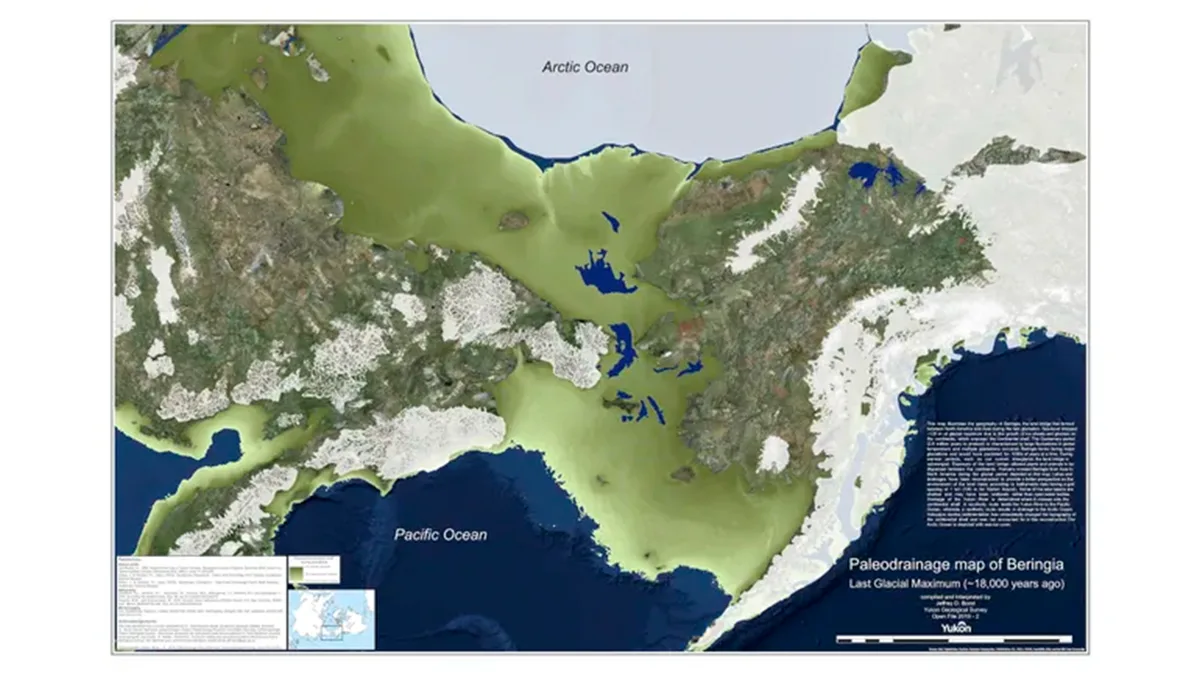
During the Last Glacial Maximum, lower sea levels exposed a vast land bridge known as Beringia, connecting Siberia and Alaska. This crucial corridor facilitated the migration of early humans into the Americas between 15,000 and 20,000 years ago, marking a pivotal moment in human expansion. (Source: livescience.com)
Humans were hunter-gatherers. They regularly tracked resources. They followed migrating herds, like mammoths and bison. They also looked for new edible plants, fresh water, and tool materials (Dennell & Roebroeks, 2005). When local resources ran low, moving became a necessity. It wasn’t just about escaping bad conditions. It was also about finding new, resource-rich environments.
Population pressure within groups also prompted dispersal. As a group grew, it demanded more from local resources. This could cause competition or simply a need for more territory. Smaller splinter groups might then venture into new, empty areas. This let them start new populations.
Beyond survival, a strong human desire for curiosity and exploration also played a role. We are naturally inquisitive. We want to see what lies beyond the next hill or across the next body of water (Stringer, 2011). This spirit, combined with practical needs, pushed humans everywhere. Our ability to adapt to very different places — from arctic tundras to tropical rainforests — shows this drive.
What these journeys mean now
Understanding ancient human migrations helps us see our genetic diversity today. Every non-African person can trace their ancestry back to that single “Out of Africa” wave. This shows our strong shared heritage, despite modern borders or differences. Dr. Spencer Wells, a prominent geneticist, often says our DNA acts as a historical record, documenting these major movements.
These ancient movements show humanity’s remarkable adaptability. Our ancestors faced major environmental challenges: ice ages, deserts, dense forests, and large oceans. They developed new technologies, social structures, and survival strategies. This adaptability defines our species. It let us survive and thrive when other hominins didn’t.
This knowledge also informs our understanding of human health. Genetic patterns from these migrations influence disease susceptibility and drug responses. For example, some populations carry adaptations to cold climates or high altitudes. These traits developed during specific migratory periods. Studying these patterns provides insights for modern medical research.
The story of ancient migration isn’t just history. It’s a continuing process. Human movement continues today, driven by similar factors: economic opportunity, environmental change, and conflict. New technologies, especially ancient DNA analysis, continually refine our understanding. We are still uncovering important details about these early movements. The story of human restlessness is far from complete. What we learn next could change our understanding of ourselves.
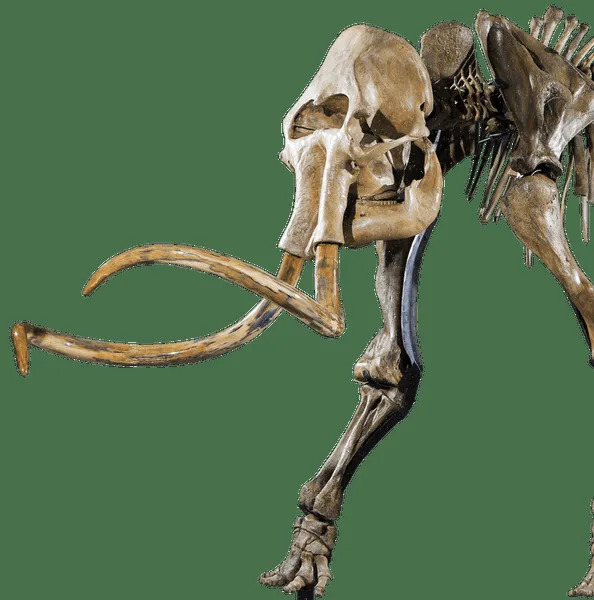
Woolly mammoths were a vital resource for ancient hunter-gatherers, whose migratory patterns often followed these massive herds across Ice Age landscapes. Their remains, like this skeleton, provide crucial insights into the environments early humans inhabited and the challenges they faced. (Source: thefossilstore.com)
FAQ
Q1: Were all human migrations successful? No, many migrations likely ended in failure. Small groups may have ventured into unsuitable environments or faced overwhelming difficulties. Only those migrations that led to lasting populations are visible in the archaeological and genetic records.
Q2: How do scientists know about these ancient movements? Scientists use various sources of evidence. Genetic studies analyze DNA patterns in modern and ancient populations. Archaeological finds, like tools, settlements, and artwork, provide physical proof. Linguistic analysis also suggests connections between language families and past population movements.
Q3: Did humans encounter other hominins during these migrations? Yes, Homo sapiens encountered Neanderthals in Europe and Denisovans in Asia. Genetic evidence confirms interbreeding with both groups. This means many modern humans carry small amounts of Neanderthal or Denisovan DNA.
Q4: What was the role of technology in these migrations? Technology was crucial for survival and movement. Stone tools for hunting and processing food, fire for warmth and cooking, and shelters were essential. Later, advanced watercraft, like those used for Pacific colonization, allowed long-distance sea travel.
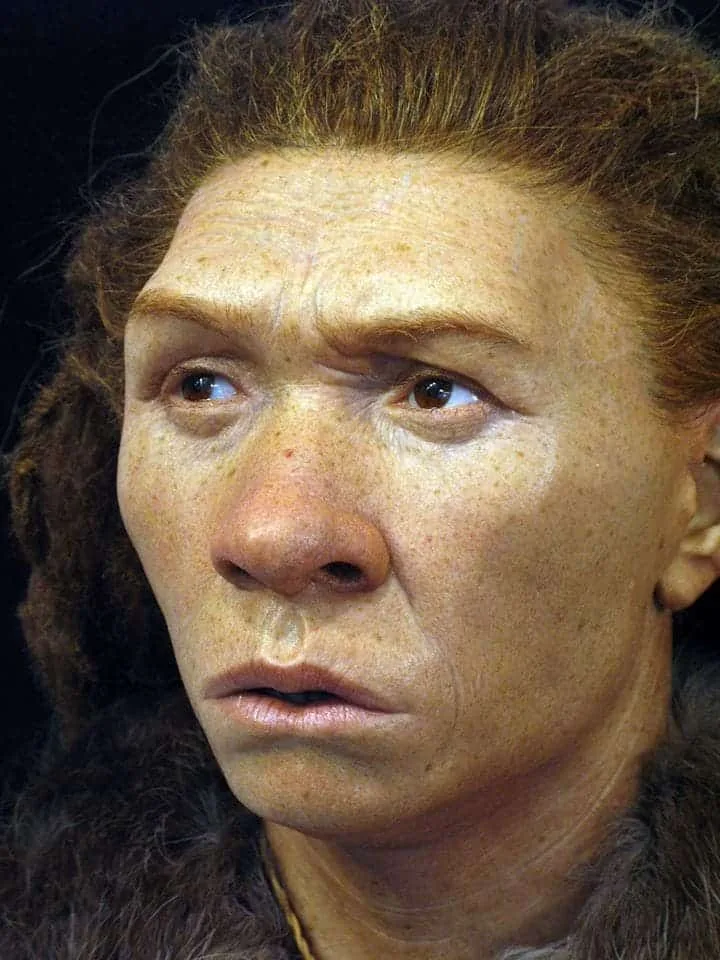
Neanderthals, an extinct species of human, encountered and interbred with Homo sapiens during ancient migrations across Europe and Asia. Genetic evidence shows that many modern humans carry a small percentage of Neanderthal DNA, a lasting legacy of these ancient interactions. (Source: zmescience.com)
You might also like:
👉 Unearthing History: Famous Archaeological Discoveries & Their Impact
👉 Lost Worlds: Unraveling the Most Mysterious Civilizations
👉 Medieval Empires: Power, Culture, and Lasting Global Impact