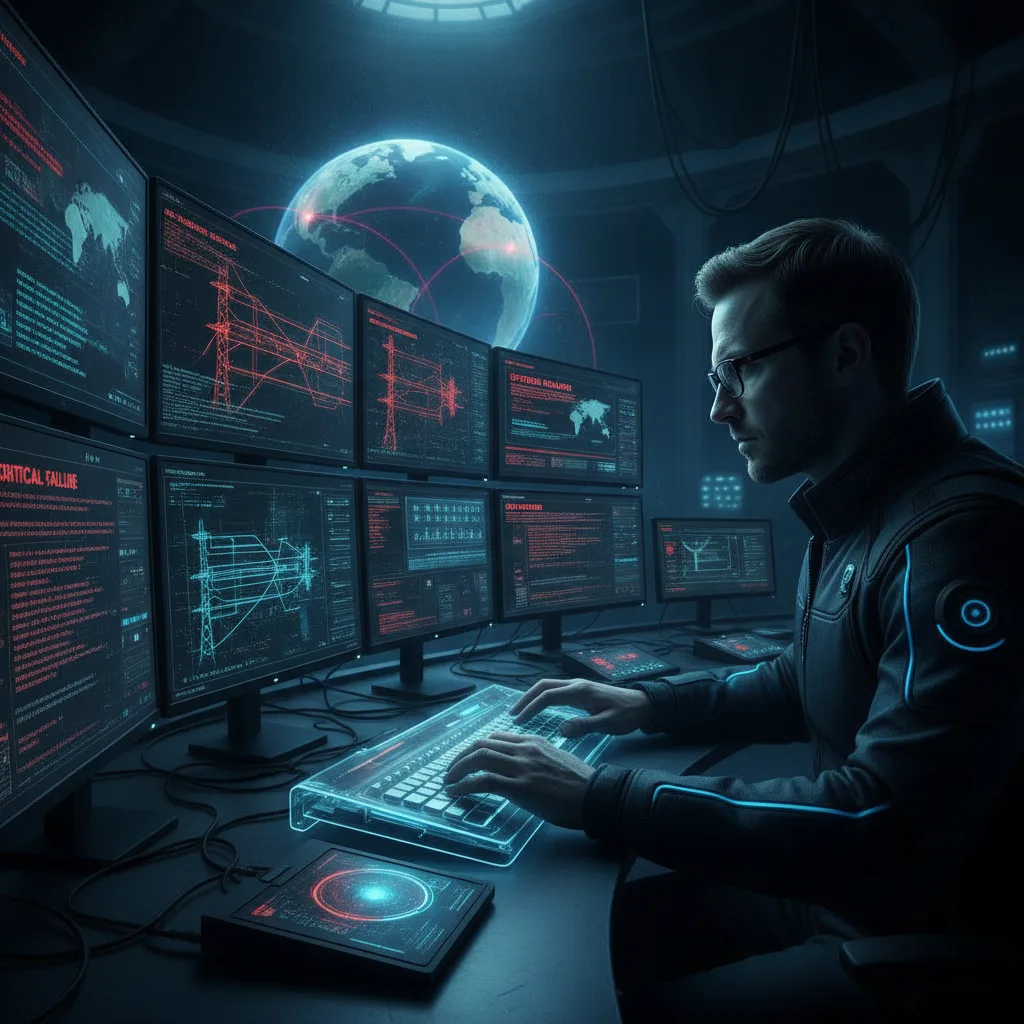
Silent Sabotage: The Hidden War on Power Grids
Cyber attacks on critical energy infrastructure are subtle, quietly infiltrating systems or slowly sabotaging operations, posing a hidden threat.
The hidden war on our power grids
Cyber attacks on our energy sector are a constant, hidden threat. They rarely involve dramatic explosions or visible destruction. Instead, these attacks are subtle. Attackers quietly infiltrate systems, gather intelligence, or slowly sabotage operations. This quiet approach makes these attacks incredibly dangerous. Like a digital burglar who picks a lock instead of smashing a door, attackers target critical infrastructure in the shadows, making it an undeclared war.
The global energy sector is a vast network. It includes electricity grids, oil and gas pipelines, renewable energy facilities, and nuclear power plants. These systems power everything from hospitals to financial markets. They are key targets for malicious groups worldwide.
These systems use Operational Technology (OT). OT refers to the hardware and software that monitor and control physical processes. It’s like an industrial plant’s nervous system, managing valves, turbines, and generators. This differs from Information Technology (IT), which handles business data like billing or emails.
Attackers often target OT infrastructure. They want to disrupt power, steal sensitive data, or even cause physical damage. The players vary: nation-state groups, financially motivated cyber criminals, and sometimes, ideologically driven hackers.
The silent threat: how attacks target critical infrastructure
In 2022, over 70% of critical infrastructure organizations experienced a cyber incident, according to Claroty. Many incidents hit energy companies. Attackers exploit the growing link between IT and OT networks. They often start by breaching less secure IT systems.
Once in the IT network, attackers look for ways to reach the OT side. Imagine a company’s office building. An attacker might first enter the administrative offices (IT). From there, they look for a way into the factory floor (OT). They use methods like phishing emails or software weaknesses.
Phishing tricks employees into giving up login details or downloading malicious software. A good email can get past many initial security measures. Supply chain attacks are another common entry point. Here, attackers breach a trusted software supplier. Malicious code then gets delivered to energy companies through regular updates.
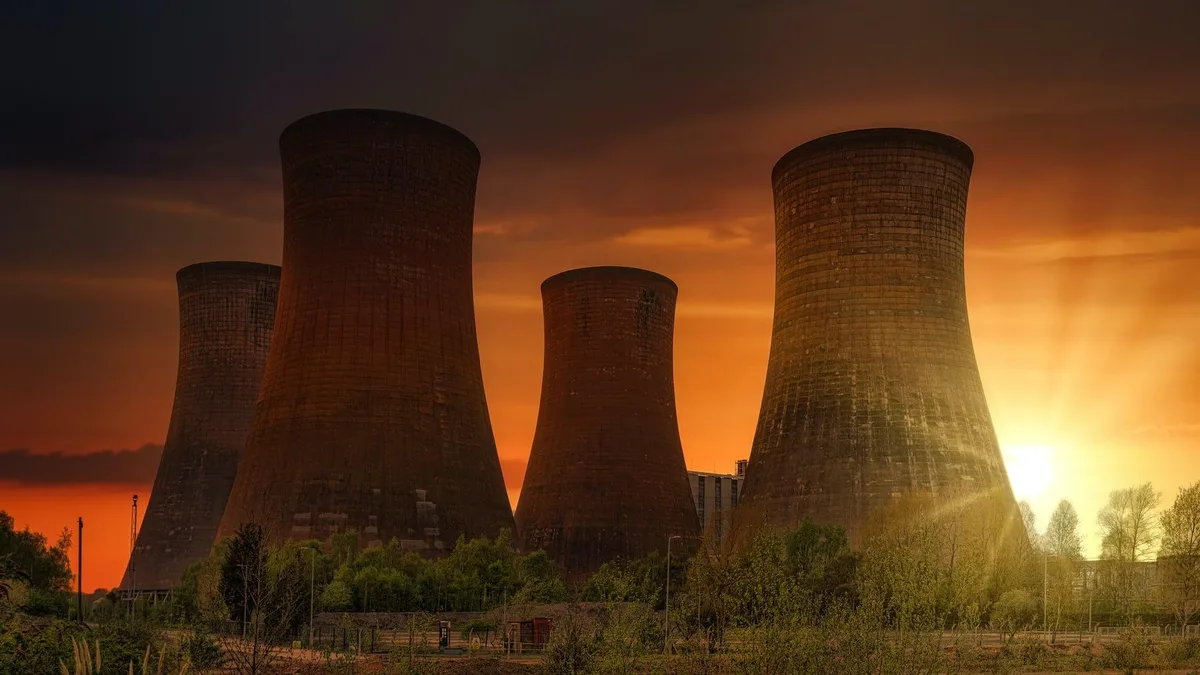
Nuclear power plants are massive, complex facilities that generate electricity through nuclear fission, providing a significant portion of global energy. As critical infrastructure, their sophisticated Operational Technology (OT) systems are prime targets for cyber attacks, which could disrupt power grids or even lead to physical damage. (Source: sentrypods.com)
With OT network access, attackers have several goals. Espionage means stealing intellectual property or private operational data. This might include blueprints for a new power plant or grid weaknesses. This information gives rival nations a significant advantage.
Disruption attacks aim to cause outages or system failures. These attacks might manipulate industrial controls, shutting down equipment. The goal is to create chaos or apply political pressure. Imagine a cyber attacker remotely opening and closing grid circuit breakers.
Finally, destruction targets the physical equipment itself. This is the worst outcome. Attackers can overstress machinery or cause incorrect operations. Such attacks can lead to permanent damage that needs costly physical repairs.
Major cyber attacks that shook the energy world
One of the earliest, most infamous cyber weapons was Stuxnet. Discovered in 2010, this complex worm targeted Iran’s nuclear enrichment facilities. Stuxnet manipulated Siemens industrial control systems. It made centrifuges spin out of control and self-destruct.
Stuxnet was a highly complex operation. It showed how digital code could cause physical damage in the real world. Experts widely believe a U.S.-Israeli joint effort developed it. Ralph Langner, a German control system security expert, helped analyze its destructive power.
In December 2015, Ukraine’s power grid was attacked. Over 225,000 customers lost electricity for hours. The attackers used advanced malware, including BlackEnergy3, to remotely disable substations. Ukrainian authorities blamed a Russian state-sponsored group.
A year later, in December 2016, another attack hit Ukraine’s capital, Kyiv. Attackers deployed Industroyer (also known as CrashOverride) malware. Industroyer is especially dangerous. It directly targets common industrial communication protocols. It can effectively “speak” to power grid equipment. Robert M. Lee, CEO of Dragos, has documented this malware’s abilities.
The Colonial Pipeline ransomware attack happened in May 2021. It severely disrupted fuel supplies across the southeastern United States. DarkSide, a Russian-speaking cybercriminal group, carried it out. They encrypted the company’s IT systems and demanded a ransom.
Colonial Pipeline quickly shut down its operational systems. This stopped the ransomware from spreading to critical OT infrastructure. The shutdown still caused widespread panic buying and fuel shortages. The FBI later recovered a large portion of the ransom paid. This incident showed the close connection between IT and OT systems.
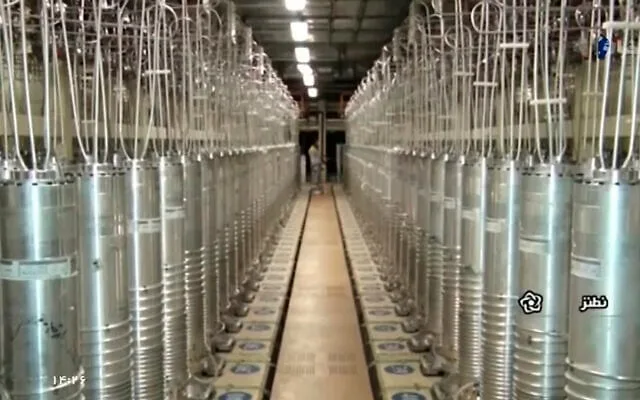
These are centrifuges, like those targeted by the Stuxnet cyber weapon in Iran's nuclear enrichment facilities. Stuxnet manipulated these industrial control systems, causing the centrifuges to spin out of control and self-destruct, a landmark example of digital code causing physical destruction. (Source: timesofisrael.com)
A troubling attack was Triton (also known as TRISIS) in 2017. This malware targeted a petrochemical plant in Saudi Arabia. Triton specifically aimed at the plant’s Safety Instrumented Systems (SIS). These systems prevent major failures. The attackers tried to disable these safety controls.
Mandiant, a cybersecurity firm, analyzed the Triton attack. They concluded a nation-state likely sponsored it. This attack increased the danger. It showed attackers would directly compromise safety systems, risking human lives.
Who’s behind the keyboard? the actors and their motives
Most energy sector cyber attacks come from nation-state-sponsored groups. These groups act for governments. They work towards national goals. Their motives include intelligence gathering, sabotage, or preparing for future conflicts. CISA often warns about these threats.
Russia is a major player here. Groups like Sandworm, linked to Russian military intelligence (GRU), have a history of targeting critical infrastructure. They’re known for their ability to destroy, as seen in the Ukrainian power grid attacks. Their goal is often to destabilize opponents.
China also runs a significant cyber espionage program. Chinese state-sponsored groups often target energy companies to steal intellectual property. They seek economic and technological advantages. This includes taking designs for new energy technologies or operational procedures.
Iran and North Korea are also active. Iran has targeted energy companies in the Middle East and beyond. Their motives often are linked to regional conflicts and political power. North Korea uses cyber attacks, including ransomware, to make money for its regime. This helps them evade international sanctions.
Cybercrime syndicates are another major threat. Their main goal is financial gain. They often deploy ransomware, encrypting systems and demanding payment. The DarkSide group, behind the Colonial Pipeline attack, shows this threat. These groups are becoming more sophisticated.
Occasionally, insider threats appear. These involve current or former employees with malicious intent. They use their legitimate access to compromise systems. Insider attacks are less common, but they’re often the hardest to detect. They can cause significant damage due to deep system knowledge.
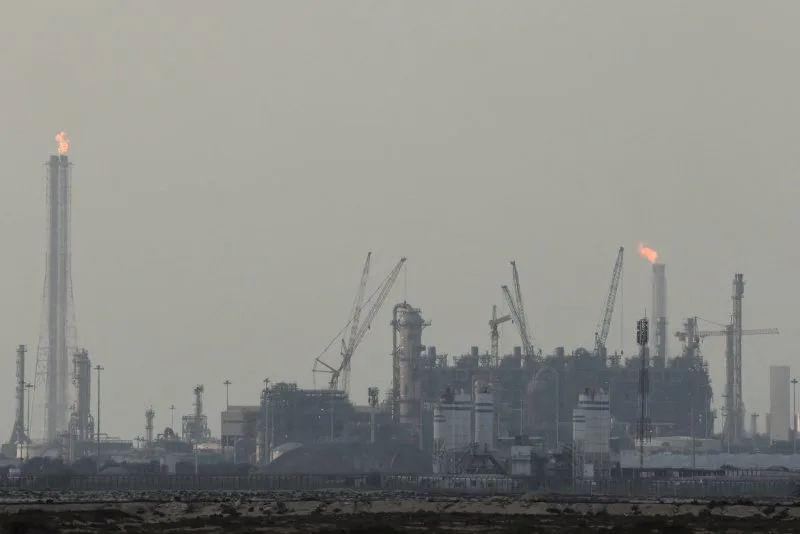
The Triton malware attack in 2017 specifically targeted a petrochemical plant in Saudi Arabia, aiming to disable its Safety Instrumented Systems (SIS) and potentially cause a catastrophic failure. This incident underscored the severe risks posed by nation-state-sponsored cyber attacks on critical industrial infrastructure. (Source: news.az)
Protecting the grid: defenses and future challenges
The U.S. Department of Energy invested over $45 million in cybersecurity R&D for energy systems in 2023. This shows an ongoing effort to improve security. Protecting the energy grid requires multiple layers of defense. A key step is network segmentation, which means separating IT and OT networks.
Imagine separate, locked rooms in a house. If a burglar enters the living room (IT), they can’t immediately get to the safe in the bedroom (OT). This separation restricts an attacker’s movement. It keeps breaches contained to specific network parts.
Advanced monitoring and detection systems are also important. Traditional IT security tools often don’t work well on OT networks. Specialized software can detect unusual commands or traffic patterns specific to industrial controls. This helps operators spot threats before damage occurs.
Threat intelligence sharing is another crucial component. Energy companies, government agencies, and cybersecurity firms share information about new threats. This collaboration helps organizations anticipate attacks. It also lets them prepare defenses in advance. The National Infrastructure Protection Center (NIPC) is an example of such a group.
Regular audits, vulnerability assessments, and software updates are also vital. Legacy industrial systems are very hard to patch. Modernizing these systems and diligently applying security updates is an ongoing challenge. Ignoring updates leaves critical vulnerabilities exposed.
A significant future problem is the cybersecurity workforce shortage. Demand for skilled OT security professionals far exceeds the supply. A 2023 ISC2 report reported a global cybersecurity workforce gap of over 4 million people. This gap leaves many critical infrastructure companies lacking staff and vulnerable.
A growing concern is how connected modern grids are. Smart grids, renewable energy, and distributed energy resources create more possible entry points. Every new connection is a possible attack surface. Securing this expanding network is a major undertaking.
FAQ: energy sector cyber attacks
Q: What’s the main difference between IT and OT security? A: IT security protects data and information systems. OT security protects the physical processes and equipment that control industrial operations. Downtime is often more serious in OT. It can cause physical damage or safety incidents.
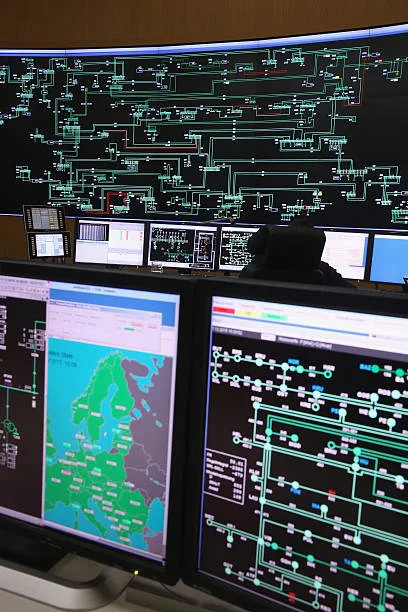
A smart grid control center monitors and manages the complex flow of electricity, integrating traditional power sources with renewables and distributed energy resources. These highly connected systems, while efficient, present new and expanded attack surfaces for cyber threats, making their security paramount. (Source: gettyimages.com)
Q: Are ransomware attacks a big threat to the energy sector? A: Yes, absolutely. Ransomware often targets IT systems. Still, it can disrupt operations by shutting down billing, logistics, or remote access. The Colonial Pipeline incident showed how IT disruption can force an operational shutdown.
Q: Can a cyber attack cause a widespread power outage? A: Yes, it’s possible. Attacks like those on Ukraine’s power grid have shown this is possible. Clever attackers could manipulate industrial controls across multiple substations. This could lead to widespread failures and blackouts.
What’s next? the changing cyber battlefield
Energy sector cyber attacks continue to increase. Geopolitical tensions are rising globally. This increases state-sponsored cyber activity. Nations regularly develop new tools and tactics. They aim to gain an advantage or disrupt opponents.
The emphasis is shifting from pure prevention to resilience. Organizations must expect breaches to occur. They need plans to rapidly detect, respond to, and recover from attacks. This means having backup systems and well-defined incident response protocols. It also involves training personnel to operate systems manually if automated controls fail.
International cooperation is essential for defense. Unified cybersecurity policies across borders are difficult to achieve. Differing national interests often hinder information sharing and joint defense efforts. Still, global threats require global solutions.
In the end, the human element is paramount. Even advanced technical defenses can be compromised by a single click on a malicious email. Constant training and awareness for all employees, from executives to plant operators, are crucial. Securing our energy future is a difficult, ongoing challenge.
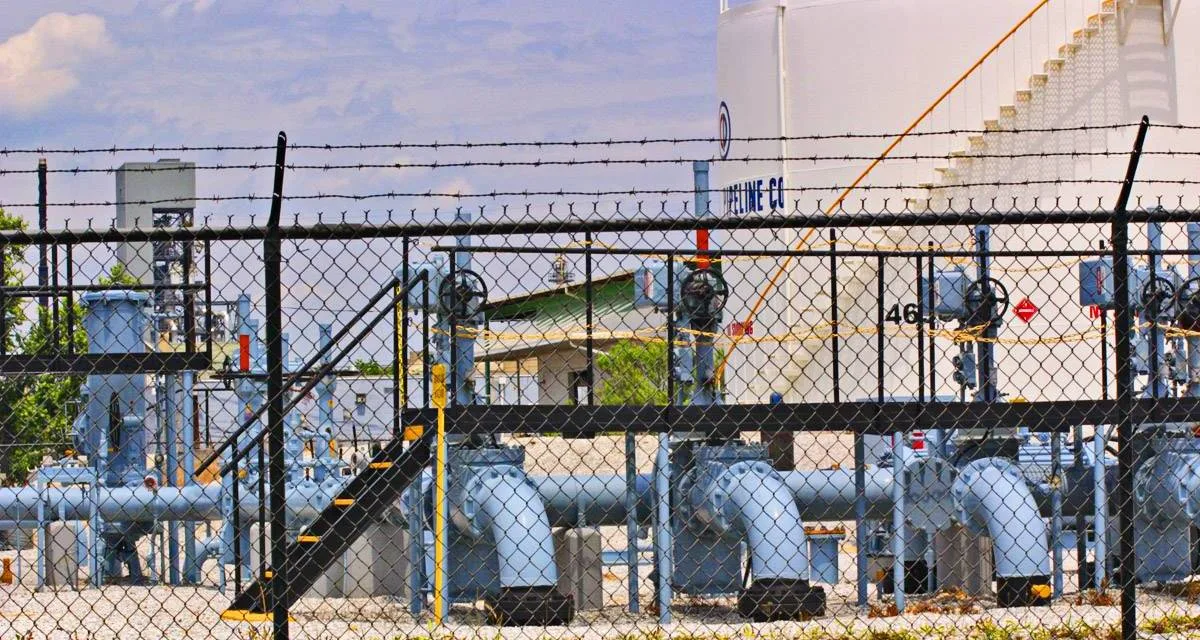
The Colonial Pipeline, a major U.S. fuel pipeline, was forced to shut down in May 2021 due to a ransomware attack, highlighting how IT disruptions can cripple critical energy infrastructure. This incident led to widespread fuel shortages and panic buying across the southeastern United States. (Source: mwi.westpoint.edu)
You might also like:
👉 WannaCry 2017: The Cyberattack That Crippled UK Hospitals
👉 Sustainable Futures: Investment, Cybersecurity & Future of Work
👉 Understanding Energy Independence: Security, Economy, Future