
Forget Wrinkles: Geroscience Aims for a Longer Healthspan
Forget cosmetic fixes. Longevity science, or geroscience, targets extending your healthspan: the period of life free from chronic disease and disability.
Beyond wrinkles: The science of a longer, healthier life
When people hear “anti-aging research,” they often picture eternal youth, wrinkle creams, or some futuristic elixir. They imagine cosmetic fixes. However, this is not what medical researchers are actually pursuing. Real anti-aging research, more accurately called longevity science or geroscience, aims to extend your healthspan. This is the period of life you spend free from chronic disease and disability.
Researchers are not trying to make you live forever. Instead, they want your later years to be as healthy and vibrant as your younger ones. Think of it like this: your car gets older, and eventually, parts start to fail. Longevity science is not about giving your car infinite mileage. It is about keeping all its original parts running smoothly for much longer. This means delaying or preventing diseases like Alzheimer’s, heart disease, and cancer. All these conditions are strongly linked to aging itself.
The goal is not just a longer life. It is a longer, healthier, independent life. Experts like Dr. Nir Barzilai, director of the Institute for Aging Research at Albert Einstein College of Medicine, highlight this difference. He states that we need to treat aging as a treatable condition, not an inevitable decline. This medical approach targets the biological mechanisms that drive aging, rather than just its symptoms.
What longevity research really involves
Aging is not a single process. It is the accumulation of damage in our cells and molecules. In 2013, a key paper in Cell identified nine “hallmarks of aging.” These are the core cellular and molecular issues. These hallmarks include genetic instability and cellular senescence.
Think of these like systems in a house. The wiring frays, pipes leak, and the foundation cracks. Each is a distinct problem, but they all contribute to the house falling apart. Longevity research investigates how these individual “hallmarks” interact.
First, genomic instability refers to DNA damage that builds up over time. Our cells constantly face threats from radiation, toxins, and even normal metabolism. Cells usually have repair mechanisms. However, these become less efficient with age.
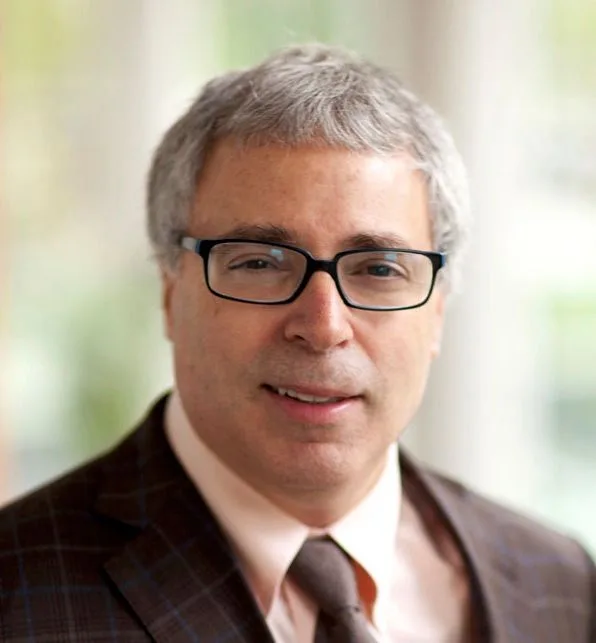
Dr. Nir Barzilai, director of the Institute for Aging Research at Albert Einstein College of Medicine, is a prominent advocate for treating aging as a medical condition. He is known for his work on the genetics of human longevity and for championing clinical trials aimed at extending healthspan. (Source: oseterics.com)
Another hallmark is telomere attrition. Telomeres are protective caps on our chromosomes. They shorten every time a cell divides. When telomeres get too short, the cell can no longer divide. It then becomes senescent or dies. This process limits how much a cell can copy itself.
Third are epigenetic alterations. Epigenetics involves changes in gene expression without altering the DNA itself. Imagine your DNA is a book. Epigenetic changes are like sticky notes or highlights that tell your cells which chapters to read and which to ignore. These instructions can become scrambled with age.
Targeting the hallmarks: How scientists approach aging
One exciting area focuses on cellular senescence. These cells stop dividing but remain active. They release inflammatory molecules. People often refer to these as “zombie cells.” They accumulate in tissues as we age.
In 2011, Dr. James Kirkland’s team at Mayo Clinic made a significant discovery. Removing senescent cells in mice led to healthier, longer lives. They developed senolytics: drugs that specifically kill senescent cells. A 2018 Nature Medicine study showed that a combination of dasatinib and quercetin improved physical function in older adults. These were among the first human trials for senolytic drugs.
Another major focus is nutrient sensing pathways. These pathways control how cells respond to nutrients. They are crucial to aging. Key players include mTOR, AMPK, and sirtuins. They act like master switches, instructing a cell to grow, repair, or survive.
Rapamycin, an immunosuppressant, blocks the mTOR pathway. Studies in mice have shown it can extend lifespan by 20-30%. Dr. David Sabatini, then at MIT, conducted much of the foundational work on mTOR. Researchers are now testing rapamycin in human clinical trials for its effects on aging.
Metformin, a common diabetes drug, activates AMPK. AMPK is another pathway that manages cell energy. Dr. Nir Barzilai leads the TAME (Targeting Aging with Metformin) trial. This trial investigates if metformin can delay age-related diseases in humans. This represents a significant moment for geroscience, as it treats aging itself, not just individual diseases.
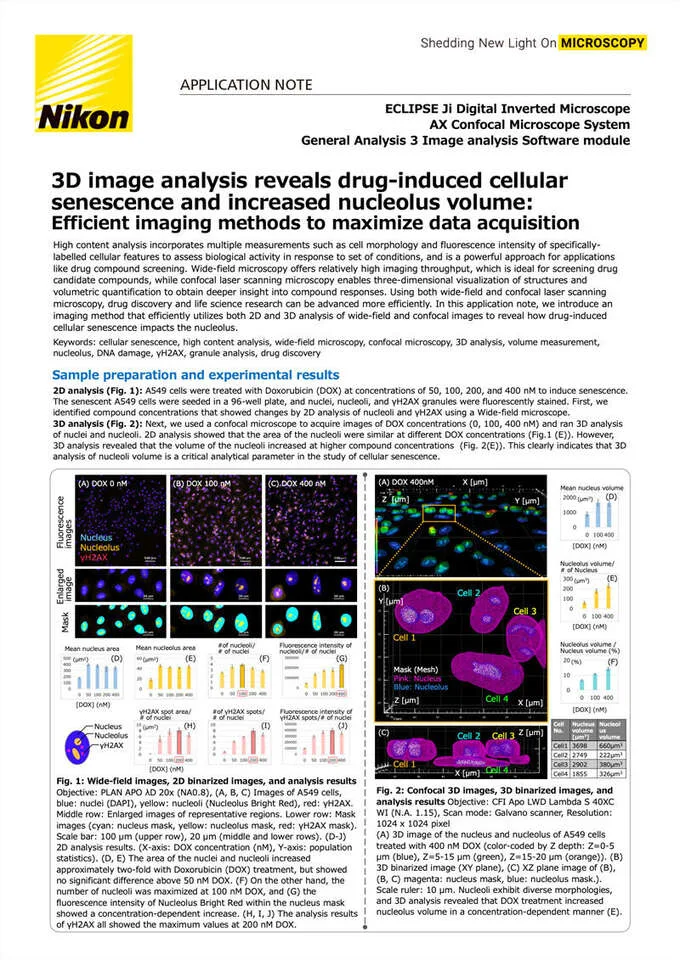
Often referred to as 'zombie cells,' senescent cells are a hallmark of aging. These cells stop dividing but remain metabolically active, releasing inflammatory molecules that contribute to tissue damage and age-related diseases. (Source: microscope.healthcare.nikon.com)
Rewinding the clock: Epigenetics and cell rejuvenation
Beyond removing damaged cells or adjusting metabolism, some research aims to directly reset cell age. This involves targeting the epigenetic alterations mentioned earlier. Scientists are seeking ways to restore youthful gene expression. This could “reprogram” older cells.
In 2012, Japanese researcher Shinya Yamanaka won the Nobel Prize. He discovered how to create induced pluripotent stem cells (iPSCs). He used four specific genes, now known as Yamanaka factors. These factors can revert adult cells to an embryonic state. This discovery opened new possibilities for regenerative medicine.
More recently, researchers have used modified Yamanaka factors. They partially reprogram cells in vivo (within a living organism). In 2020, a team led by Dr. Juan Carlos Izpisúa Belmonte at the Salk Institute published research in Cell. They demonstrated that partial reprogramming could reverse signs of aging and extend lifespan in mice with premature aging. This is not full embryonic reprogramming. It is like pressing a “reset” button on specific cellular functions.
Another area of rejuvenation research focuses on telomere maintenance. Elizabeth Blackburn, Carol Greider, and Jack Szostak won the Nobel Prize in 2009. They discovered telomeres and the enzyme telomerase. Telomerase can rebuild telomeres. Short telomeres are linked to aging and disease.
Activating telomerase in lab-grown human cells allows them to divide beyond their normal limit. However, uncontrolled telomerase activity is also linked to cancer. The challenge is to activate telomerase safely and precisely. This would extend cell lifespan without promoting tumor growth.
The promise and the path ahead
Anti-aging medical research is progressing rapidly. The National Institute on Aging (NIA) has increased its geroscience funding. This indicates that aging is increasingly recognized as a primary cause of disease. Many promising compounds are now moving into human trials.
In 2023, Altos Labs, a biotechnology company, announced its focus on cell rejuvenation. Billions in funding support their efforts. They aim to develop reprogramming into therapies. This marks a new era of significant investment and talent in longevity research. The potential impact on public health could be enormous.
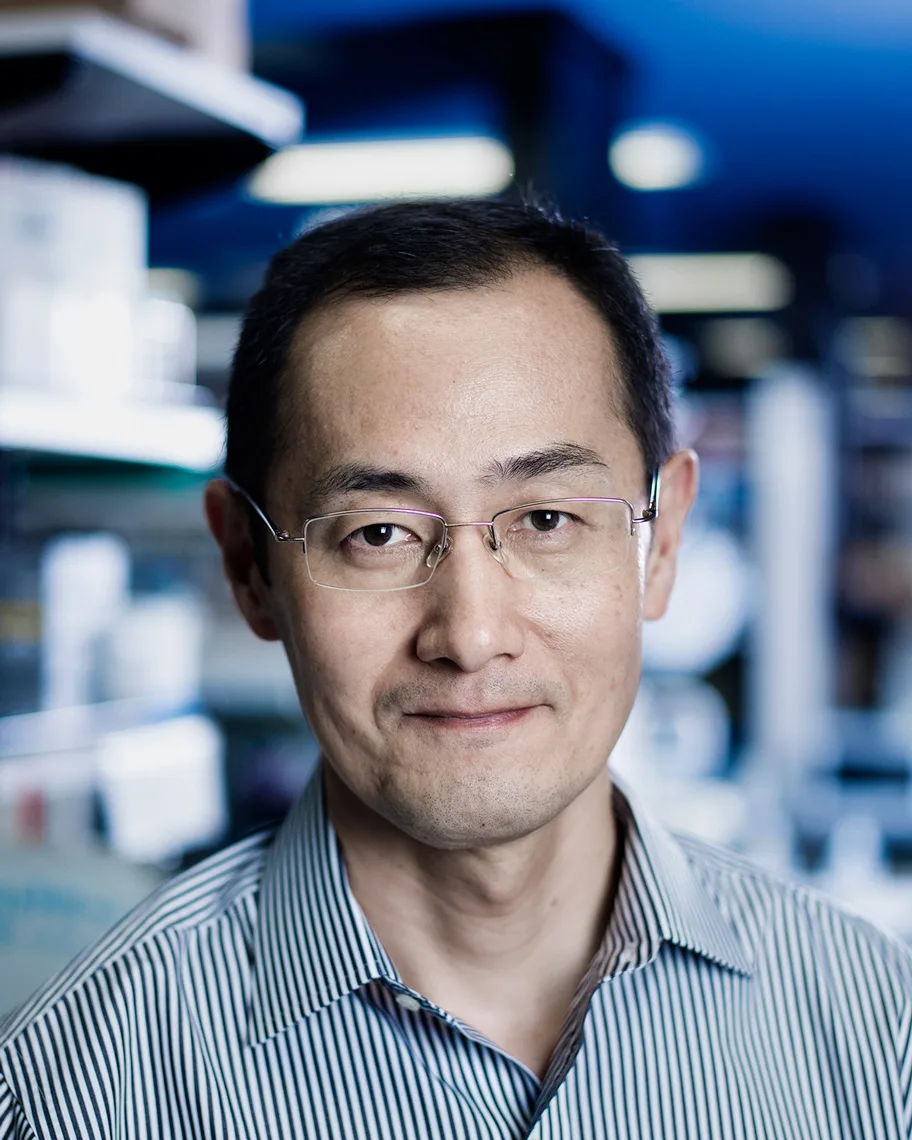
Japanese researcher Shinya Yamanaka won the Nobel Prize in Physiology or Medicine in 2012 for his groundbreaking discovery of induced pluripotent stem cells (iPSCs). His work demonstrated how mature cells could be reprogrammed back to an embryonic-like state, a foundational concept for cell rejuvenation and regenerative medicine. (Source: sinikoski.com)
Imagine a world where the average person lives to 90 or 100. They remain healthy and active well into their late 80s. This is not just about a longer life. It is about compressing morbidity—the period spent sick. This would reduce the burden of age-related diseases. It would also free up healthcare resources.
Of course, challenges remain. We need rigorous clinical trials to ensure safety and effectiveness. We also need to consider ethical questions about access and societal impact. The goal is to make these advances available to everyone, not just a few. Science is moving from theory to clinical reality.
Questions you might have
Is this research about achieving immortality? No, not at all. Longevity science aims to extend healthspan. This is the time you live free from disease and disability. The goal is to delay or prevent age-related diseases. This allows people to live healthier, more productive lives for longer.
Are there any approved “anti-aging” drugs available now? No drug is currently approved by bodies like the FDA specifically for “anti-aging.” However, some existing drugs, such as metformin, are undergoing trials. They might target aging mechanisms and help prevent age-related diseases.
What can I do now to slow down my own aging process? Medical breakthroughs are on the horizon, but proven lifestyle factors still matter most. Regular exercise, a balanced diet, enough sleep, and managing stress are effective ways to age well. These practices help address many biological hallmarks of aging.
Will these anti-aging treatments be affordable? It is too early to say. New therapies are often expensive to develop. Researchers and policymakers understand that fair access is important. The hope is that successful treatments will become widely available and affordable, benefiting global health.
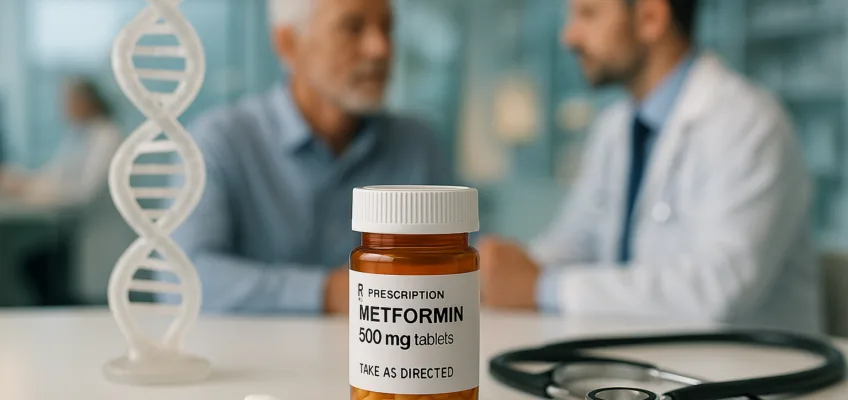
Metformin, a widely used drug for type 2 diabetes, is currently a subject of significant anti-aging research, including the TAME (Targeting Aging with Metformin) trial, exploring its potential to extend human healthspan by targeting fundamental aging processes. (Source: okdermo.com)
You might also like:
👉 Unexplained Mysteries of Science: Cosmos, Quantum & Beyond
👉 The Human Brain: Unraveling Its Mysteries & How It Works
👉 Virtual Reality in Healthcare: Revolutionizing Medicine & Patient Care