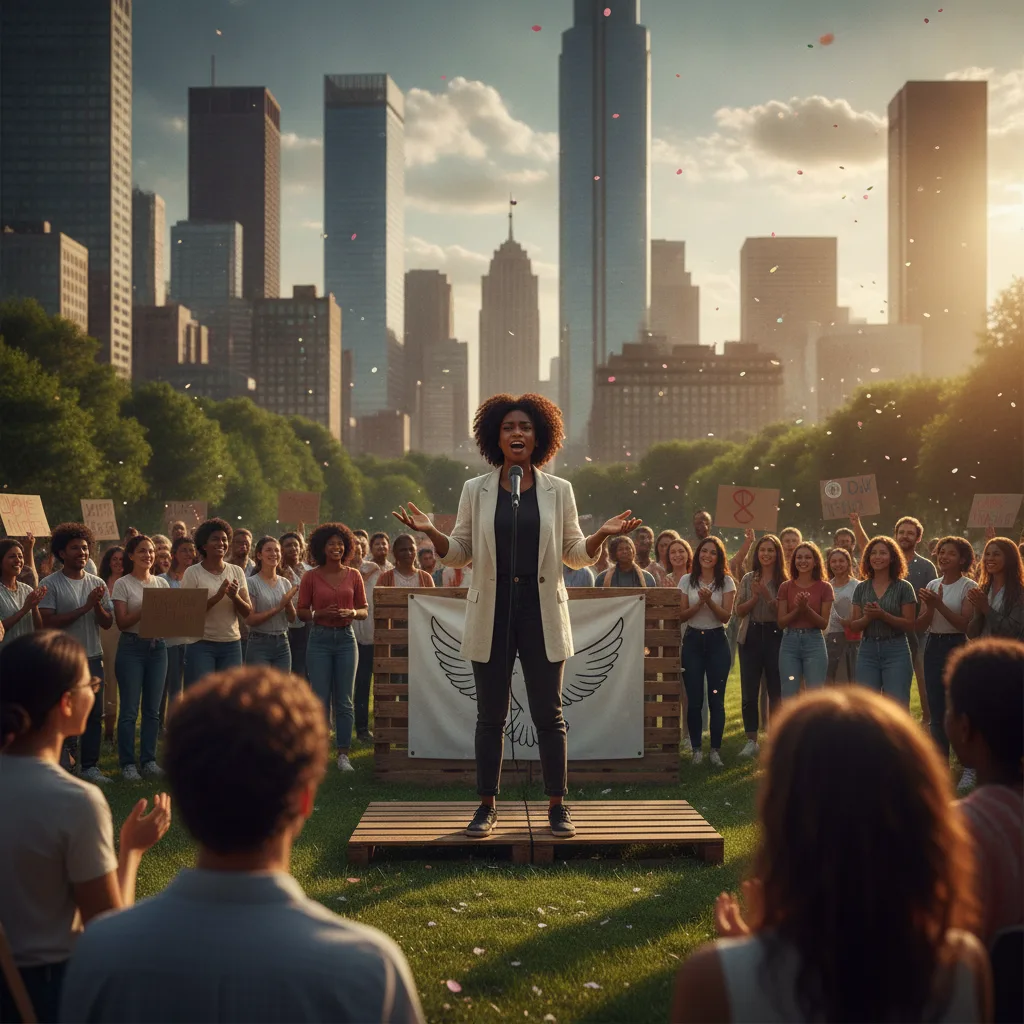
Greensboro 1960: The 4 Students Who Changed America
On February 1, 1960, four Black college students defied segregation at a Greensboro Woolworth's, sparking a massive youth movement that reshaped America.
Black Youth: America’s Lasting Force for Change
Imagine sitting down for a cup of coffee, knowing you’ll be denied. Then imagine that simple act igniting a revolution. On February 1, 1960, four Black college students did just that. Ezell Blair Jr., David Richmond, Joseph McNeil, and Franklin McCain ordered coffee. They sat at a whites-only Woolworth’s lunch counter in Greensboro, North Carolina. They were refused service. Their quiet defiance sparked a massive youth movement across the American South.
For decades, Black Americans lived under Jim Crow laws. This system of racial segregation enforced separate facilities for Black and white people, from schools to bus seats. Black citizens faced discrimination in housing, jobs, and voting rights. Police brutality and racial violence were common. The National Association for the Advancement of Colored People (NAACP) had long challenged these laws in courts. But many young people felt the pace of change was too slow. They wanted direct action.
The spark of direct action
The Greensboro sit-in wasn’t an isolated event. Students across the South organized similar protests. Young people often faced arrest and violence just for sitting at a lunch counter. Their courage inspired others. The Student Nonviolent Coordinating Committee (SNCC) formed in April 1960. It brought together young Black and white activists.
SNCC focused on grassroots organizing. It trained students in nonviolent resistance. They organized sit-ins, freedom rides, and voter registration drives. Diane Nash, a Fisk University student, became a key leader. She helped coordinate the Nashville sit-ins. These actions directly challenged segregation. They also exposed its brutality to a national audience.
Young people faced harsh consequences for their activism. Many were expelled from school. Others were beaten and jailed. Their commitment only grew stronger despite these challenges. These youth actions pressured businesses to desegregate. They forced the federal government to confront racial injustice. Their efforts led to major legislative changes.
Birmingham’s Children’s Crusade
In spring 1963, the civil rights movement turned its attention to Birmingham, Alabama. This city was notorious for its strict segregation and violence. Dr. Martin Luther King Jr. and the Southern Christian Leadership Conference (SCLC) started a campaign there. They aimed to desegregate public places and create job opportunities.
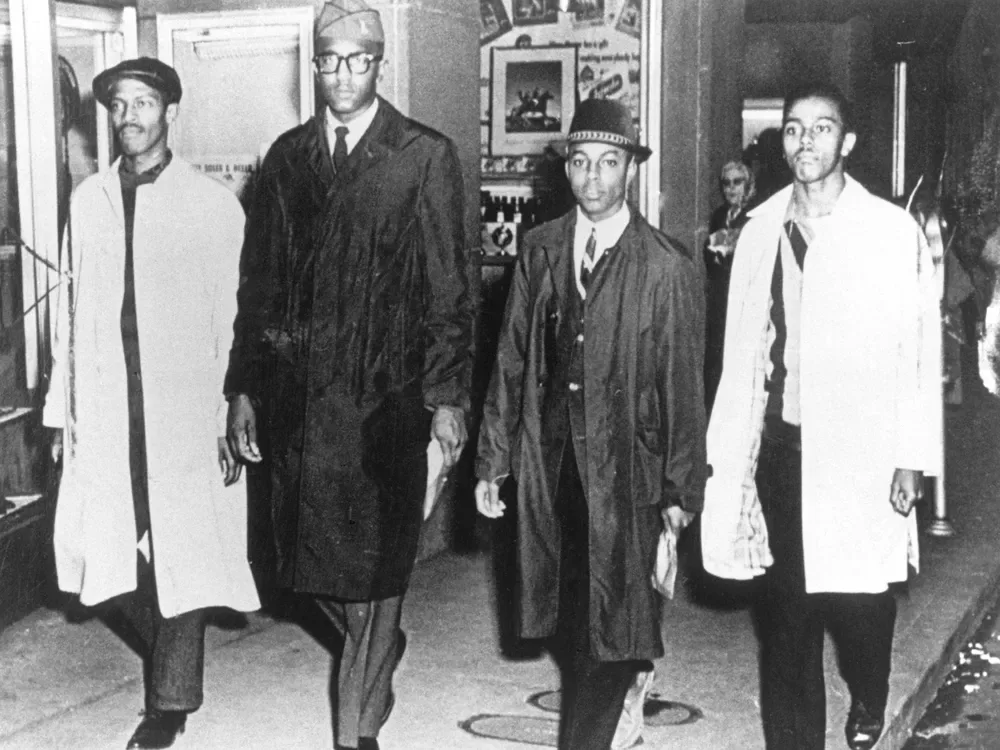
On February 1, 1960, Ezell Blair Jr., David Richmond, Joseph McNeil, and Franklin McCain initiated a sit-in at a whites-only Woolworth's lunch counter in Greensboro, North Carolina. Their quiet defiance sparked a massive youth movement across the American South, directly challenging racial segregation. (Source: smithsonianmag.com)
When adult protestors were arrested, the movement risked losing momentum. SCLC strategist James Bevel had a bold idea. He suggested involving Birmingham’s schoolchildren. On May 2, 1963, thousands of students skipped school to march. They streamed out of churches, singing freedom songs. The children, some as young as six, marched towards downtown.
Police Commissioner Eugene “Bull” Connor met them with force. He ordered police to use high-pressure fire hoses. Dogs attacked the young demonstrators. Footage of these brutal attacks shocked the nation and the world. Over several days, police arrested more than 2,000 children. They filled the city’s jails.
The children’s bravery and suffering changed public opinion. President John F. Kennedy publicly condemned the violence. He urged Congress to pass new civil rights laws. The events in Birmingham became a turning point. They directly led to the passage of the Civil Rights Act of 1964.
The rise of Black Power
After 1965, many young activists grew frustrated with the slow pace of change. They questioned whether nonviolence was still effective. They saw continued police brutality and economic inequality. This gave rise to the Black Power movement. It called for Black self-determination and racial pride.
In October 1966, Huey P. Newton and Bobby Seale founded the Black Panther Party in Oakland, California. Most of its early members were young Black men and women. They argued for armed self-defense against police brutality. They also started community programs. These included free breakfast programs for children. They also offered health clinics.
The Black Panther Party’s platform appealed to many young urban Black Americans. Figures like Angela Davis and Elaine Brown became important voices. They spoke clearly about the need for systemic change. They also showed how oppression connected globally. The Panthers’ bold stance challenged established power structures.
The government responded with heavy surveillance and repression. The FBI’s COINTELPRO program targeted the Panthers. Many leaders were jailed or killed. Despite this repression, the Black Power movement influenced a generation. It instilled racial pride and a demand for structural change. Its impact still shapes today’s activism.
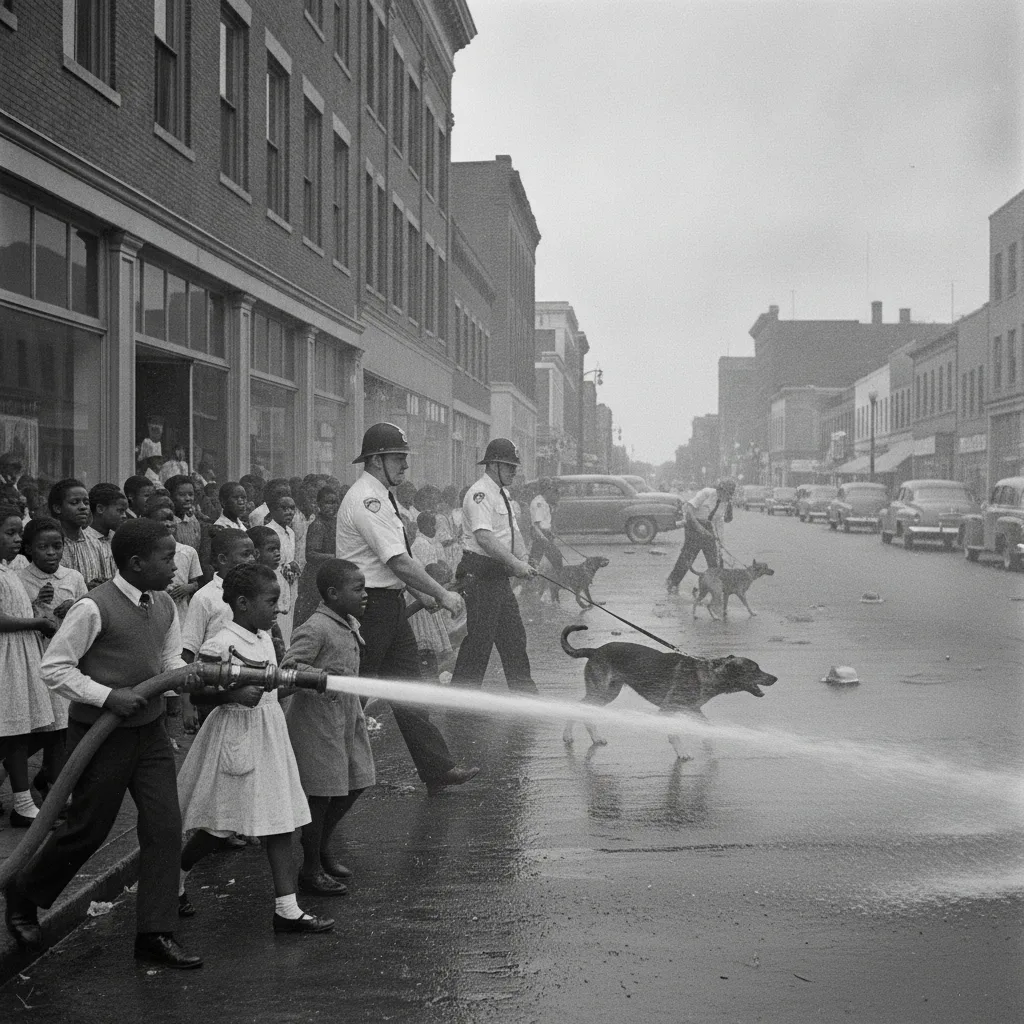
In May 1963, thousands of Black schoolchildren in Birmingham, Alabama, bravely marched for civil rights, facing brutal attacks from police who used high-pressure fire hoses and police dogs, images that shocked the world and galvanized support for new civil rights legislation. (AI-generated illustration)
A new century of struggle
The fight for racial justice did not end with the Civil Rights Movement. The late 20th and early 21st centuries brought new challenges. High rates of incarceration hit Black communities especially hard. Author Michelle Alexander documented this crisis in her book, “The New Jim Crow.” Economic disparities and police misconduct continued. Young people remained at the forefront of resistance.
In 1992, the acquittal of police officers who beat Rodney King sparked riots in Los Angeles. Many young people participated, expressing deep-seated anger. They protested poverty, joblessness, and racial injustice. Throughout the 1990s and 2000s, youth-led groups organized locally. They addressed issues like school funding and gang violence. Hip-hop culture emerged as a powerful voice. It spoke to the frustrations and hopes of Black youth.
The internet and social media gave activists new tools. Young activists used these platforms to share experiences. They documented instances of injustice. This digital activism laid the groundwork for future movements. It helped them mobilize quickly and reach a global audience. New forms of protest began to take shape.
Black Lives Matter: a digital uprising
On February 26, 2012, Trayvon Martin, an unarmed Black teenager, was killed in Sanford, Florida. His killer was acquitted a year later. This verdict sparked widespread outrage. Three Black women, Alicia Garza, Patrisse Cullors, and Opal Tometi, created the hashtag #BlackLivesMatter. They started a new movement.
Black Lives Matter (BLM) quickly became a global, decentralized movement. Young people, especially, embraced its message. They organized protests against police brutality. They demanded accountability for the deaths of Michael Brown in Ferguson, Missouri (2014) and George Floyd in Minneapolis (2020). These events sparked massive demonstrations. Millions participated worldwide.
BLM activists used social media well. They shared real-time information and personal testimonies. This made their calls for justice louder. The movement pushed for policy changes, like police reform. It also showed systemic racism in housing, education, and healthcare. A 2020 Pew Research Center study found young Black adults were more likely to participate in protests. They pushed for racial justice.
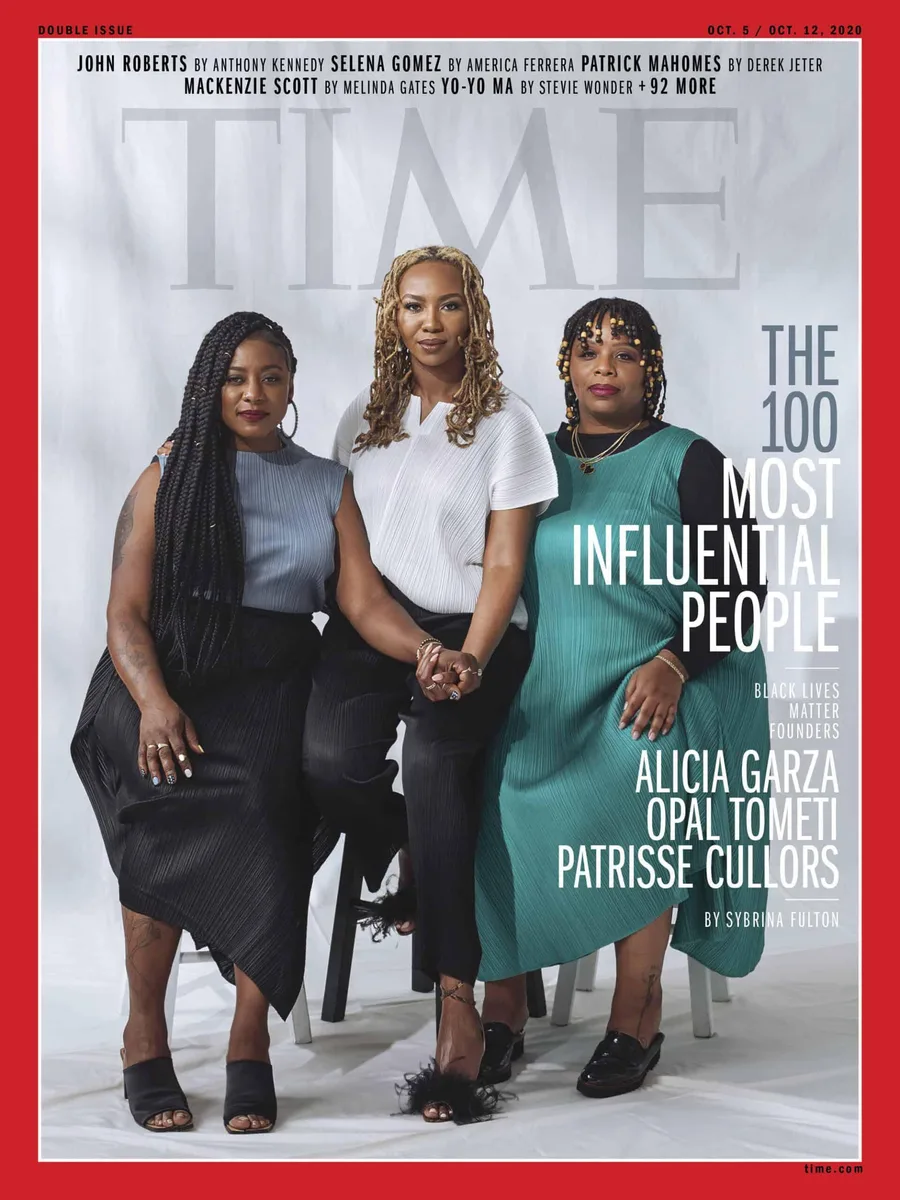
Alicia Garza, Patrisse Cullors, and Opal Tometi are the three Black women who co-founded the Black Lives Matter movement in 2013. Their creation of the #BlackLivesMatter hashtag after Trayvon Martin's acquittal sparked a global movement for racial justice and against police brutality. (Source: womenshistory.org)
This movement has changed public conversation around race and policing. It has inspired a new generation of activists. They continue to fight for racial equity. They demand fundamental societal change.
The legacy and future
Black youth activism keeps changing. Today’s young organizers tackle many issues. They connect racial justice to climate justice, economic equity, and LGBTQ+ rights. They see how different struggles connect. They form diverse groups. Youth-led organizations, like the Movement for Black Lives, are leading the way. They create policy plans. They also get involved in elections.
Technology remains a key tool. Social media platforms help them communicate and mobilize quickly. Young activists use digital spaces to educate, organize, and advocate. They reach broader audiences than ever before. This ensures their voices are heard. The lessons from past movements shape their strategies. The commitment to direct action and systemic change remains strong.
The history of Black youth activism shows great strength. It shows a powerful commitment to justice. Young people continue to challenge injustice. They push for a more equitable future. Their activism keeps the fight for liberation alive.
FAQ
Q1: What defines black youth activism? Black youth activism involves young Black individuals and groups organizing. They protest racial injustice and inequality. They seek systemic change. It often includes direct action, community organizing, and cultural expression.
Q2: How has technology impacted black youth activism? Technology, especially social media, has changed activism. It helps with rapid communication, widespread mobilization, and global awareness. Young activists use it to document injustice and share their stories.
Q3: What role did the Children’s Crusade play in the Civil Rights Movement? The Children’s Crusade in Birmingham, 1963, involved young students protesting segregation. Police brutality against these children shocked the nation. It rallied public opinion and pressured the government to pass the Civil Rights Act of 1964.
Q4: Is Black Lives Matter primarily a youth movement? While diverse in age, Black Lives Matter has many young people involved. Young people, particularly Black youth, have been key to its organizing and protests. They lead its digital presence and advance its goals.
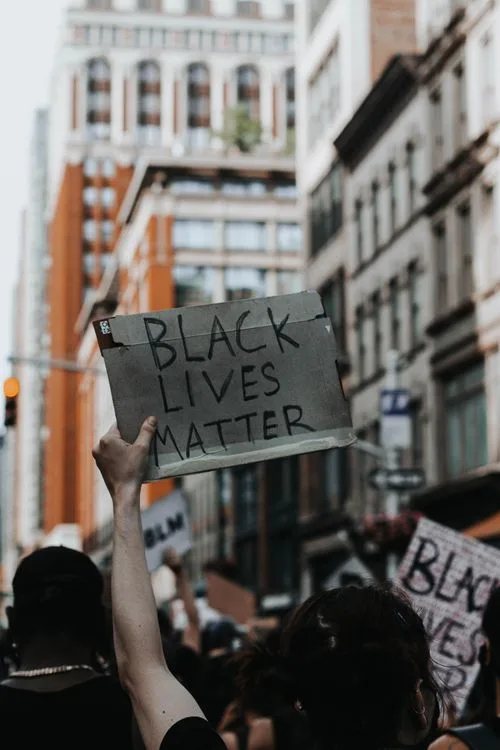
The Movement for Black Lives (M4BL) is a coalition of over 150 organizations that formed in 2014, advocating for the rights and liberation of Black people. It has been instrumental in shaping public discourse around racial justice and policing, often organizing large-scale protests and developing comprehensive policy platforms. (Source: pexels.com)
You might also like:
👉 Unearthing History: Famous Archaeological Discoveries & Their Impact
👉 1918: When Four Empires Collapsed and Europe Changed Forever