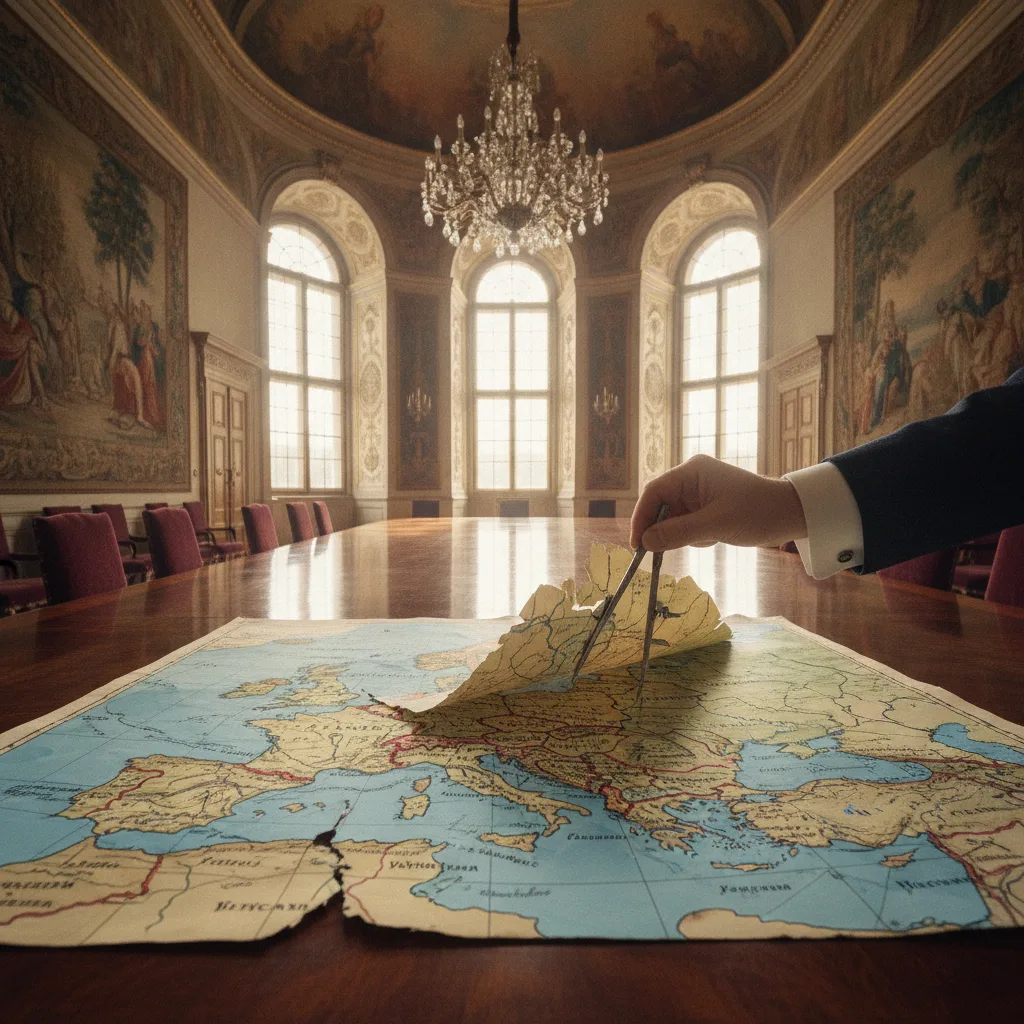
1918: When Four Empires Collapsed and Europe Changed Forever
The 1918 armistice didn't just end four brutal years of war; it shattered the global order, leading to the collapse of four major empires.
The World After the Great War: A Fragile Peace
The guns fell silent on November 11, 1918, at 11:00 AM. Europe breathed again. Four brutal years of war had killed millions. This armistice wasn’t just peace; it completely changed the world’s order.
Before the war, Europe ruled the world. Mighty empires controlled vast territories. The Austro-Hungarian, Russian, Ottoman, and German empires governed diverse populations. Britain and France also held huge colonial holdings. This old system relied on a fragile balance of power. It shattered completely under the war’s pressure.
The war’s end demanded a new global structure. American President Woodrow Wilson pushed for “self-determination.” He believed ethnic groups should form their own nations. But old imperial interests and secret wartime deals complicated his vision. The victors faced a huge task: rebuilding a devastated continent and building a lasting peace.
Paris: Germany’s Fate Decided
Leaders from 32 countries gathered in Paris on January 18, 1919. The Paris Peace Conference met to settle peace terms. The “Big Four” made the key decisions. These leaders included US President Woodrow Wilson and British Prime Minister David Lloyd George. French Premier Georges Clemenceau and Italian Prime Minister Vittorio Orlando were also part of this group. Their goals often clashed.
Clemenceau, representing France, demanded harsh reparations and strong security. France had suffered immensely. Lloyd George wanted to restore European trade. But he also had to satisfy public demands for punishing Germany. Wilson pushed his Fourteen Points. They included open diplomacy, free trade, and a League of Nations. He thought this group would stop future wars.
The Treaty of Versailles, signed on June 28, 1919, was a mess. It blamed Germany for the war. Germany lost much territory. It also had to pay huge reparations. The German military was heavily restricted. This treaty sparked deep resentment in Germany. Many historians, like Margaret MacMillan, note the terms were too harsh for reconciliation. Yet they weren’t harsh enough to cripple Germany for good.
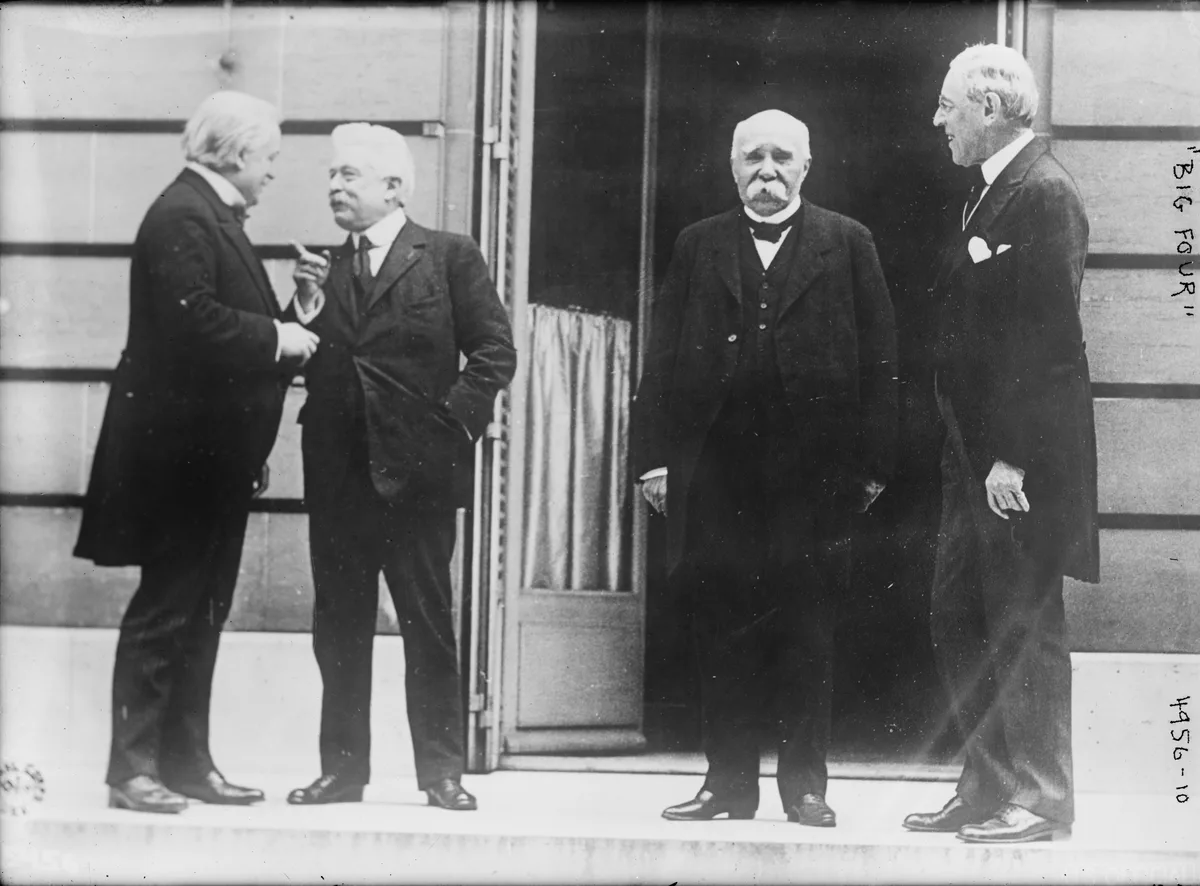
The 'Big Four' — US President Woodrow Wilson, British Prime Minister David Lloyd George, French Premier Georges Clemenceau, and Italian Prime Minister Vittorio Orlando — were the principal Allied leaders who made the key decisions at the Paris Peace Conference in 1919, shaping the post-World War I world.
Empires Crumble, New Nations Rise
The war shattered ancient empires. The Austro-Hungarian Empire fell apart completely in November 1918. Emperor Charles I abdicated, ending centuries of Habsburg power. This huge, multi-ethnic empire broke into several new states.
New nations popped up on the map of Central and Eastern Europe. Czechoslovakia formed from Czech and Slovak lands. Yugoslavia united South Slav peoples. Poland reappeared after 123 years of partition. Its borders included territory from Germany, Russia, and Austria-Hungary. Finland, Estonia, Latvia, and Lithuania also gained independence from the former Russian Empire.
This redrawing of boundaries partly fulfilled Wilson’s idea of self-determination. But it also created new minority populations. Germans lived in Czechoslovakia. Hungarians lived in Romania. These new borders often ignored ethnic groups. They set the stage for future conflicts and land grabs.
The Middle East: A New European Hand
The Ottoman Empire, once mighty, collapsed after its defeat. The Mudros Armistice of October 30, 1918, took it out of the war. British and French leaders had already carved up its territories. The secret Sykes-Picot Agreement of 1916 divided the Middle East into future zones of control.
After the war, the League of Nations made this division official with the Mandate System. France got mandates for Syria and Lebanon. Britain got mandates for Palestine, Transjordan, and Iraq. These weren’t colonies. Instead, they were territories European powers would run. The goal was to prepare them for independence.
These new borders were often arbitrary. They ignored existing tribes and religions. The Balfour Declaration of November 2, 1917, made things worse. It promised a “national home for the Jewish people” in Palestine. This sparked decades of conflict between Arab and Jewish populations. The mandate system replaced Ottoman rule with European oversight. It denied immediate self-rule to Arabs who fought alongside the British.
Russia Revolts, New Ideas Spread
The Bolshevik Revolution of October 1917 had already changed Russia. Vladimir Lenin and his communist party took power. They created the world’s first socialist state. This event removed Russia from the war but brought a new, revolutionary idea to global politics.
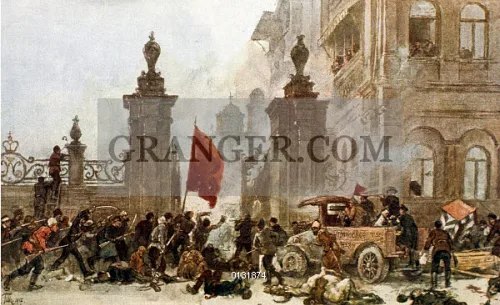
Red Guards and revolutionary crowds gather in Petrograd during the October Revolution of 1917. This pivotal event saw Vladimir Lenin's Bolsheviks seize power, leading to Russia's withdrawal from World War I and the establishment of the world's first socialist state, profoundly reshaping 20th-century geopolitics. (Source: granger.com)
The war’s aftermath saw other radical ideas rise. Fascism rose in Italy under Benito Mussolini. It promised national rebirth through strongman rule. Economic devastation and political instability in Germany also fueled extremist movements. This included the nascent Nazi Party. These new ideologies challenged liberal democracy.
The spread of communism and the rise of fascism split the world with deep ideological divisions. They killed international cooperation. Many European nations struggled economically. This instability made them vulnerable to promises of order and strength. These promises often came from charismatic, authoritarian leaders.
Europe’s Ruined Economy
The human and financial cost of World War I was immense. Europe’s economies were shattered. Germany faced a reparations bill of 132 billion gold marks. No one could pay this. German hyperinflation in 1923 destroyed savings. It caused huge hardship for ordinary citizens. Economist John Maynard Keynes, in “The Economic Consequences of the Peace” (1919), predicted such punitive measures would destabilize Europe.
The United States became a major creditor nation. It largely pulled back into isolationism. This left Europe struggling with its debts. The Dawes Plan (1924) and Young Plan (1929) tried to restructure German reparations. These plans offered temporary relief. But the global financial crash of October 1929 plunged the world into the Great Depression.
This economic crisis worsened existing tensions. International trade collapsed. Unemployment soared. Governments put up protectionist policies. The economic despair fed political extremism across Europe. It undermined the fragile democracies built after the war.
Seeds of the Next War
The geopolitical changes after World War I led directly to future conflicts. The League of Nations, Wilson’s brainchild, was largely useless. It had no way to enforce its rules. Its members often put national interests before collective security. The League failed to stop Japanese aggression in Manchuria in 1931. It also failed to prevent Italy’s invasion of Abyssinia (Ethiopia) in 1935.
Germany, under Adolf Hitler, openly defied the Treaty of Versailles. Hitler withdrew Germany from the League of Nations in 1933. On March 7, 1936, German troops sent troops back into the Rhineland. This violated the treaty. Britain and France tried to appease Hitler. They hoped to avoid another war.
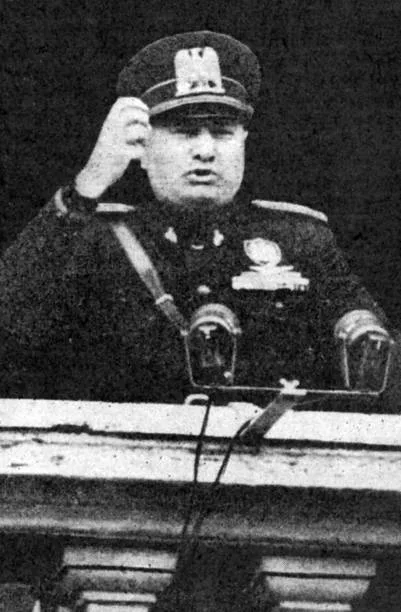
Benito Mussolini, founder of Fascism, came to power in Italy in 1922, promising national rebirth through strongman rule and inspiring other authoritarian movements across Europe. (Source: gettyimages.com)
Unresolved grievances from the Great War persisted. New nationalisms clashed. Economic instability bred desperation. The failure of collective security emboldened dictators. These factors pushed Europe onto an inevitable path. They led directly to World War II in September 1939. The peace after World War I was nothing but a temporary truce. It was a stark lesson in how a broken peace can breed the next war.
FAQ
What was the League of Nations? The League of Nations was an international organization founded in 1920. Its goal was to promote world peace and cooperation. It aimed to resolve international disputes through talks and arbitration.
How did World War I affect empires? The war collapsed four major empires: the Austro-Hungarian, Ottoman, Russian, and German. Their territories were dismantled or cut drastically. This created many new nation-states.
What was “self-determination”? Self-determination was a principle advocated by US President Woodrow Wilson. It said distinct national or ethnic groups should govern themselves. This idea influenced the redrawing of European borders after the war.
Did World War I directly cause World War II? Many historians argue that unresolved issues, economic instability, and harsh peace treaties after World War I directly led to the rise of totalitarian regimes. These factors also caused aggressive expansionism. These factors created the conditions for World War II.
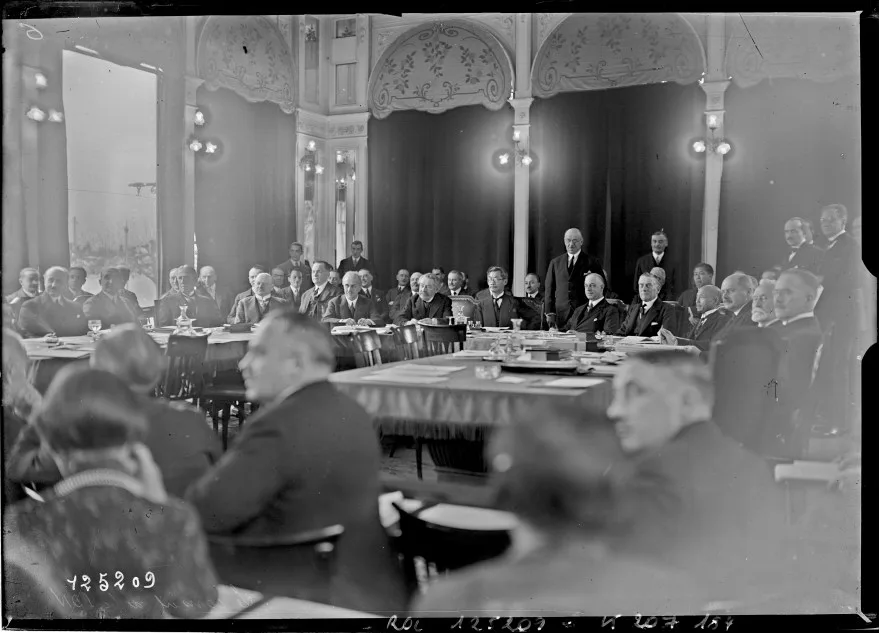
Founded in 1920, the League of Nations was the first intergovernmental organization established to promote world peace and cooperation. Its ultimate failure to prevent aggressive expansionism in the 1930s is often cited as a critical factor contributing to the outbreak of World War II. (Source: snippetofhistory.wordpress.com)
You might also like:
👉 Medieval Empires: Power, Culture, and Lasting Global Impact
👉 Lost Worlds: Unraveling the Most Mysterious Civilizations
👉 US-China: $664B Trade Masks Zero-Sum Global Power Struggle