
Soho 1854: The Cholera Outbreak That Changed Public Health
Dr. John Snow's 1854 investigation into London's Soho cholera outbreak debunked the miasma theory, pioneering modern public health administration.
A deadly disease stalked London’s Soho district in 1854. On August 31, a physician named John Snow walked its crowded streets. A cholera outbreak gripped the area. Death tolls mounted daily. Snow didn’t accept the common miasma theory, which blamed “bad air” for disease.
Before Snow, public health was mostly an idea. People saw illness as individual bad luck. Governments had little ability to prevent widespread sickness. Rapid industrial growth left cities like London with terrible sanitation. The Thames River, a main water source, also became a vast open sewer. This bred disease.
Snow suspected contaminated water. He meticulously mapped cholera cases. He marked each death with a dot on a street map. This spatial analysis showed a clear pattern. Most deaths clustered around the Broad Street pump. Local residents used this pump for drinking water.
Snow confronted local authorities with his evidence. He persuaded them to remove the pump’s handle. This simple act immediately halted new infections from that source. Snow’s action saved lives. It also clearly showed how collective action could work. His work established the first principles of epidemiology. Disease wasn’t random. It followed patterns. This meant administration could control it.
Early defenses take shape
John Snow’s success was soon followed by other important discoveries. Across the English Channel, Louis Pasteur developed the germ theory of disease. Pasteur’s 1864 experiments disproved spontaneous generation. He showed microorganisms caused fermentation and disease. This science explained how public health efforts worked.
These scientific discoveries pushed for organized public health. In Britain, Edwin Chadwick promoted sanitary reform. His 1842 “Report on The Sanitary Condition of the Labouring Population of Great Britain” was an important report. Chadwick demanded clean water and proper sewers for everyone. He directly linked poor sanitation to disease and poverty. He pushed for new laws.
By the late 19th century, many cities set up local health boards. These boards focused on sanitation, water quality, and waste removal. They started collecting statistics like birth and death rates. This data helped them track disease trends. Early public health reacted to crises. Slowly, it shifted towards prevention. Britain’s Public Health Act of 1875 made many local responsibilities official. It required basic sanitation infrastructure.
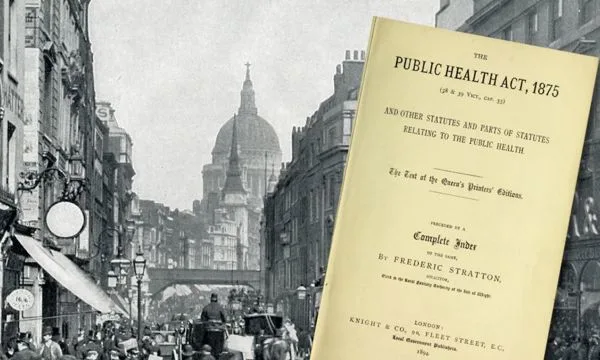
The Public Health Act of 1875 was a landmark piece of British legislation that codified many local responsibilities for sanitation, water quality, and waste removal, laying the foundation for modern public health administration. It mandated basic sanitation infrastructure across the country, significantly improving living conditions and shifting public health towards prevention. (Source: cieh.org)
In the United States, states began forming their own health departments. Massachusetts created its State Board of Health in 1869. Stephen Smith, a physician, led New York City’s Metropolitan Board of Health in 1866. These groups controlled infectious diseases. They inspected food, housing, and enforced quarantines. Public health administration moved from individual acts to official local governance.
From local boards to global health
The early 20th century brought new developments to public health administration. Science moved faster. Vaccines for diseases like smallpox and diphtheria became widely available. The Spanish Flu pandemic of 1918 showed major weaknesses in public health. It killed an estimated 50 million people worldwide. This global disaster highlighted the need for national and international coordination.
National governments built more effective public health agencies. In the United States, the Public Health Service Act of 1944 expanded federal authority. It allowed more centralized disease control. The Centers for Disease Control and Prevention (CDC) was founded in 1946. Its initial focus was on malaria control in the southern U.S. Its mission grew over time. It became a major organization worldwide in epidemiology and disease prevention.
After World War II, nations saw how health connected everyone. On April 7, 1948, the World Health Organization (WHO) was established. Its constitution called health a basic human right. The WHO had a broad mission. It coordinated international health efforts. It gave technical help to member states. It set global health standards. The WHO’s work greatly influenced global health administration.
The WHO’s smallpox eradication campaign was a great success. Launched in 1967, this ambitious program targeted a disease that had killed millions for centuries. Dr. D.A. Henderson led the intense effort. Teams went global. They vaccinated people and watched for cases. By 1980, smallpox was declared eradicated. This showed the great effectiveness of global administrative action. It proved health administration could eliminate entire diseases.
Modern challenges: complexity and coordination
The late 20th and early 21st centuries introduced several new administrative challenges. The HIV/AIDS epidemic emerged in the 1980s. It made public health systems adapt fast. This global crisis demanded new strategies. These included wide public education campaigns, drug development, and treatment access. Administrators learned to tackle social stigma. They worked with advocacy groups. This moved away from traditional disease control.
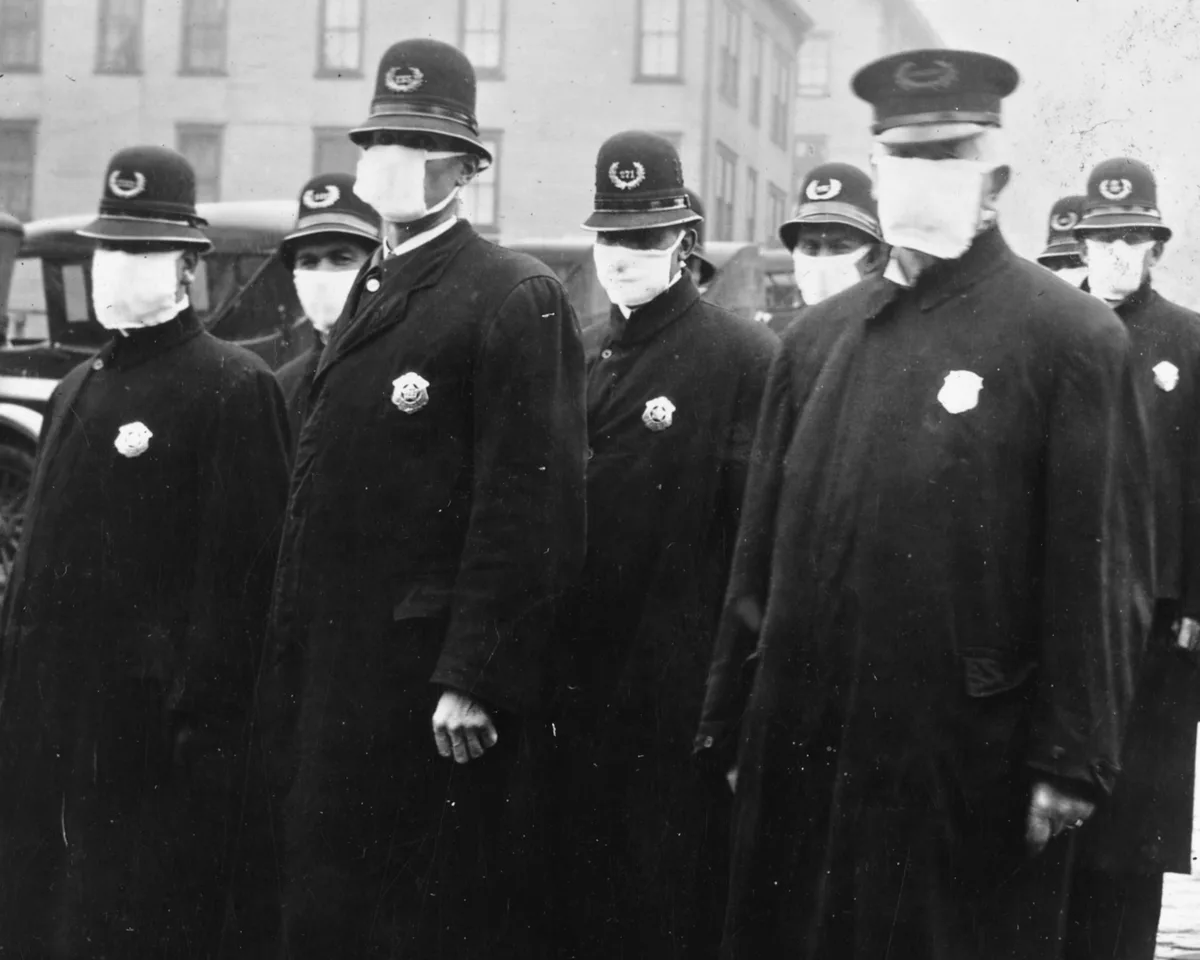
The Spanish Flu pandemic of 1918, which claimed an estimated 50 million lives globally, starkly revealed major weaknesses in public health administration and highlighted the critical need for national and international coordination in disease control. (Source: en.wikipedia.org)
Chronic diseases like heart disease, diabetes, and cancer became leading causes of death. Public health administration shifted focus. It moved to promote health and prevent disease. This included campaigns against smoking and obesity, plus promoting healthy diets and exercise. Environmental health also grew important. Administrators tackled air and water pollution. They managed toxic waste.
Globalization meant diseases could spread faster than ever. The SARS outbreak (2003), H1N1 influenza (2009), and Ebola outbreaks tested global coordination. These events showed the need for quick information sharing. They highlighted effective surveillance systems. International Health Regulations (IHR) were updated in 2005. They gave countries a framework to report and respond to public health emergencies.
During these crises, Dr. Anthony Fauci became a prominent voice. He was a longtime director at the National Institute of Allergy and Infectious Diseases. He advised multiple U.S. presidents on infectious disease responses. His work showed the important part of scientific leadership in public health administration. The interconnected world needed administrators who understood both local needs and global threats.
The digital age and what’s next
The COVID-19 pandemic, which began in late 2019, greatly impacted public health administration worldwide. It exposed strengths and weaknesses in global public health administration. Dr. Tedros Adhanom Ghebreyesus, the WHO Director-General, led international coordination. Rapid vaccine development was a triumph of scientific collaboration. But uneven vaccine distribution highlighted global inequities. Misinformation spread fast online. It challenged public health communication.
Administrators used new tech. Data analytics tracked viral spread. Digital contact tracing tools appeared. Public health messaging moved onto social media platforms. The pandemic showed the need for quick decisions based on data. It also showed how important public trust is. Without trust, even the best administrative plans can falter.
Looking ahead, public health administration faces difficult, interconnected challenges. Climate change directly impacts health. It causes heatwaves, extreme weather, and new disease vectors. Antimicrobial resistance threatens decades of medical progress. Non-communicable diseases keep rising. Mental health crises need combined approaches. Each demands new administrative solutions.
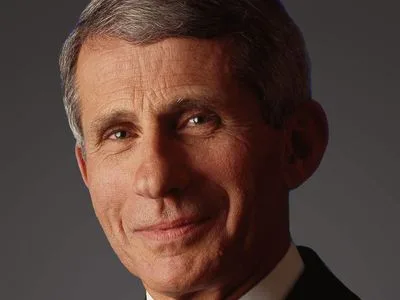
Dr. Anthony Fauci served as the director of the National Institute of Allergy and Infectious Diseases (NIAID) for 38 years, advising seven U.S. presidents on infectious disease outbreaks including HIV/AIDS, SARS, Ebola, and COVID-19. His consistent scientific leadership became a prominent feature of public health administration during crises. (Source: britannica.com)
Public health administration must keep changing. It needs to use new technologies. It must strengthen global partnerships. It also needs to build strong local communities. The unseen shield of public health administration is more important than ever. It protects us from known and emerging threats. This ongoing effort shapes our community health.
Frequently asked questions
What is public health administration? Public Health Administration manages programs and policies that protect and improve community health. It includes disease surveillance, prevention, health promotion, and emergency preparedness. Administrators work at local, national, and international levels.
Who are some important figures in public health administration history? John Snow started epidemiology by mapping cholera outbreaks in London. Edwin Chadwick pushed for sanitation reforms in 19th-century Britain. Louis Pasteur’s germ theory gave a scientific foundation for public health efforts.
What role does the WHO play in public health administration? The World Health Organization (WHO) coordinates global health efforts. It gives technical advice, sets global health standards, and supports countries with disease control. The WHO played a key part in smallpox eradication.
What are current challenges for public health administration? Today’s challenges include managing global pandemics, fighting misinformation, and tackling chronic diseases. Climate change, antimicrobial resistance, and mental health crises also need administrative attention. These issues need well-planned, joint responses.
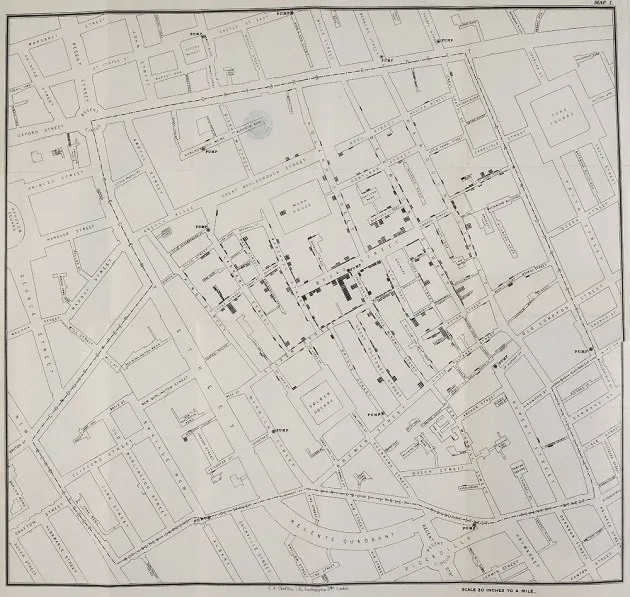
In 1854, physician John Snow famously mapped cholera deaths in London's Soho district, pinpointing the Broad Street pump as the source of the outbreak and pioneering the field of epidemiology, a cornerstone of public health administration. (Source: citiesandspatialcultures.wordpress.com)
You might also like:
👉 WHO 2019: 1 in 8 Global Mental Disorder. Is it a crisis?
👉 Unexplained Mysteries of Science: Cosmos, Quantum & Beyond
👉 Virtual Reality in Healthcare: Revolutionizing Medicine & Patient Care