Miami 1982: The Go-Fast Boat That Changed Drug Trafficking
A 1982 Miami chase involving a go-fast boat carrying hundreds of kilograms of cocaine revealed the brutal reality of global drug routes.
The invisible lines: how drug routes shape our world
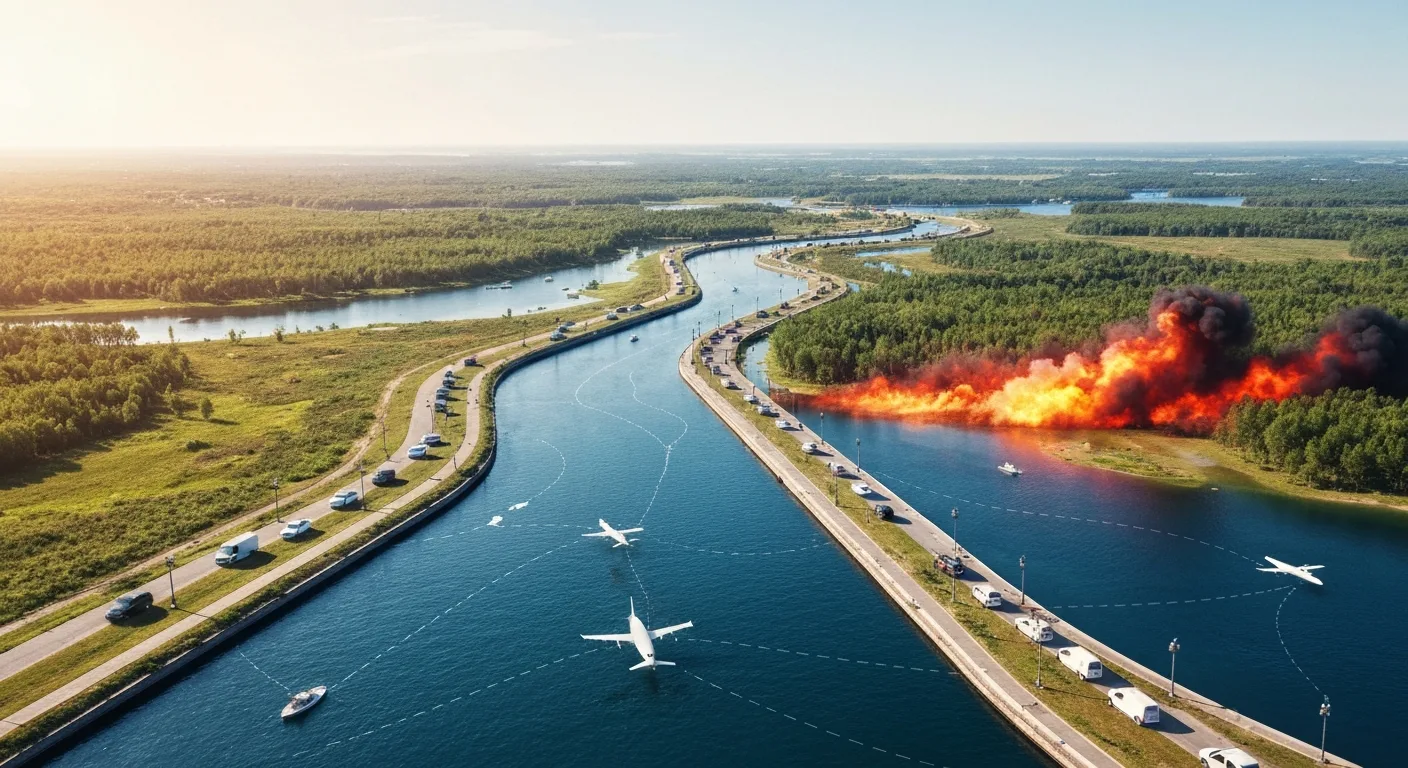
Global trade involves many goods, but the most brutal supply chains move drugs. On a sweltering June morning in 1982, a high-speed chase tore through the Atlantic off Miami. US Coast Guard cutters hunted a sleek speedboat, a “go-fast” vessel. It carried hundreds of kilograms of cocaine. This capture showed the brutal reality of international drug trafficking.
Before the 1970s, drug smuggling was small-scale. Independent operators often handled it. Marijuana and heroin were the primary drugs, with cocaine a rare item. Production centers existed, but the routes were simpler.
South America’s Andes Mountains became the world’s main source for coca leaves. Farmers in Peru, Bolivia, and Colombia grew the plant for generations. Processing labs, often hidden deep in the jungle, converted coca into cocaine paste. Then, they turned it into pure hydrochloride powder. This powder eventually found its way north.
Southeast Asia’s Golden Triangle, in Myanmar, Laos, and Thailand, was the main hub for opium and heroin. Warlords and ethnic militias controlled vast poppy fields there. They used drug profits to fund their insurgencies and keep power. Western nations drove demand for these drugs.
Southwest Asia’s Golden Crescent, covering Afghanistan, Pakistan, and Iran, also became a key heroin source. Afghanistan, in particular, became a world leader in opium production. Political instability and conflict fueled this growth. These regions set up the core supply points for the global drug trade.
The cocaine tsunami and the Caribbean corridor
By the late 1970s, a new force changed the drug world: Pablo Escobar and the Medellín Cartel. Based in Medellín, Colombia, Escobar’s group turned cocaine smuggling into an industrial business. They wanted direct, efficient routes to the profitable US market. This was a big change in strategy.
Escobar’s idea was simple but effective: large cargo planes and fleets of speedboats. These vessels could carry multi-ton shipments of cocaine. They flew directly from remote Colombian airstrips to landing sites in the Caribbean. Journalist Mark Bowden detailed these operations in his book, Killing Pablo.
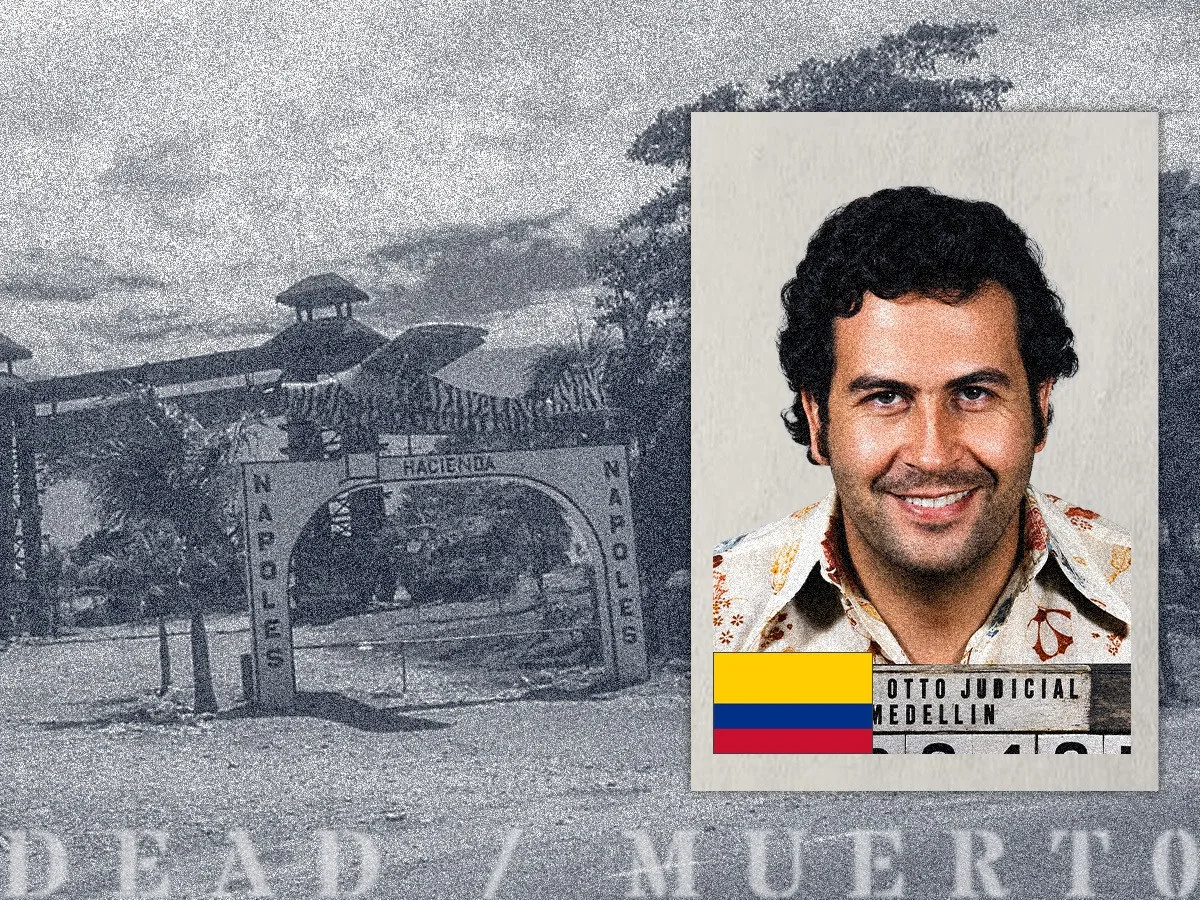
Pablo Escobar, leader of the Medellín Cartel, revolutionized cocaine smuggling in the late 1970s, transforming it into an industrial-scale operation that flooded the US market with multi-ton shipments. (Source: insightcrime.org)
The Caribbean corridor became the main route. Small islands like the Bahamas and Turks and Caicos were key transfer points. Cocaine was offloaded from planes or larger boats onto smaller vessels. These then made the final, shorter run to the Florida coast. This method flooded the US market with cocaine.
US law enforcement responded with stronger efforts to stop them. The Drug Enforcement Administration (DEA) and the Coast Guard launched Operation Greenback in 1982. They went after drug money laundering and smuggling by sea. This pressure made the Caribbean routes riskier and more expensive.
The increased risk forced cartels to adapt. They looked for new, less watched paths for their product. Pressure on Caribbean routes accidentally helped other groups. This shift gave power to new criminal organizations located further west.
The Mexican shift and the rise of cartel power
When the Caribbean got too dangerous, Colombian cartels looked to a different neighbor: Mexico. In the mid-1980s, Mexican drug trafficking organizations (DTOs) were already set up. They mostly moved marijuana and heroin across the border into the US. Their existing setup made them good partners.
The Medellín and Cali Cartels began to pay Mexican groups in cocaine, not cash. This practice was known as “piso” (floor). Mexican DTOs would then smuggle the cocaine into the US using their established networks. This deal gave Mexican groups new access to a valuable drug.
The Guadalajara Cartel, led by figures like Miguel Ángel Félix Gallardo, first controlled this transit trade. They ran operations from one center across Mexico. Their influence spanned corrupt law enforcement and political figures, ensuring smooth passage. This period saw a huge growth in their power.
After Félix Gallardo’s arrest in 1989, the cartel broke apart. New, more violent organizations emerged, like the Sinaloa Cartel and the Juárez Cartel. These groups began to control their own supply chains. They moved from just transporters to independent traffickers. They got cocaine directly from South America.
Mexican DTOs mastered overland smuggling. They used commercial trucks, passenger vehicles, and complex cross-border tunnels. These tunnels, some hundreds of meters long, allowed for massive shipments. The DEA’s National Drug Threat Assessment consistently highlights the sophistication of these methods. The rise of Mexican DTOs marked a key shift in how the cocaine trade worked. It also created a powerful, independent criminal force on the US border.
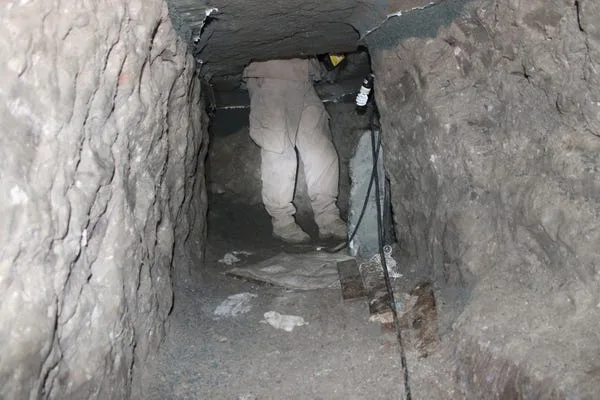
Mexican drug cartels have constructed sophisticated cross-border tunnels, some hundreds of meters long, to smuggle massive shipments of drugs into the United States, showcasing their engineering ingenuity and the scale of their operations. (Source: businessinsider.com)
Global diversification: heroin, synthetics, and new fronts
By the early 2000s, the global drug trade had changed a lot, moving beyond just cocaine. Afghanistan’s Golden Crescent became the world’s leading opium producer. The Taliban initially banned poppy cultivation in 2000-2001, but later benefited from taxing it. This money funded their insurgency.
Afghan heroin mostly went west along the Balkan Route. This route moved through Iran, Turkey, Bulgaria, and the former Yugoslavia. It then spread into Western European markets. Criminal groups from the Balkans, known for being ruthless, controlled big parts of this trade. UNODC’s World Drug Report routinely tracks these significant flows.
Meanwhile, Southeast Asia’s Golden Triangle also saw a shift. The region still produced heroin, but it became a main center for methamphetamine. “Yaba” tablets and crystal meth flooded markets across Asia and Australia. Myanmar’s unstable border regions provided ideal conditions for secret labs. Production surged, creating new regional routes.
A key new transit zone appeared in West Africa. Starting in the mid-2000s, South American cartels used countries like Guinea-Bissau and Ghana. They shipped cocaine destined for Europe. Corrupt officials and weak governance made these nations vulnerable. Cocaine was often exchanged for precursor chemicals or even crude oil. This made criminal groups rely on new economies.
The biggest change in recent years has been the rise of synthetic opioids, particularly fentanyl. China was the first source for fentanyl and its ingredients. Mexican DTOs later set up big fentanyl production labs within Mexico. They imported precursors, often from China. Then, they pressed fentanyl into pills or mixed it with other drugs. These highly potent drugs are smuggled across the US-Mexico border, often disguised as legitimate pharmaceuticals. The US Centers for Disease Control and Prevention (CDC) report that fentanyl is now the deadliest drug in the US. This spread of synthetics marks a new, dangerous chapter in drug trafficking.
The digital frontier and the future of illicit networks
The 2010s brought another layer of complexity: the darknet. Websites like Silk Road, launched in 2011, let people buy and sell illegal goods, including drugs, anonymously. Buyers and sellers used cryptocurrencies like Bitcoin and encrypted messaging. Small parcels shipped through postal services became a common way to deliver drugs. This got around traditional border controls.
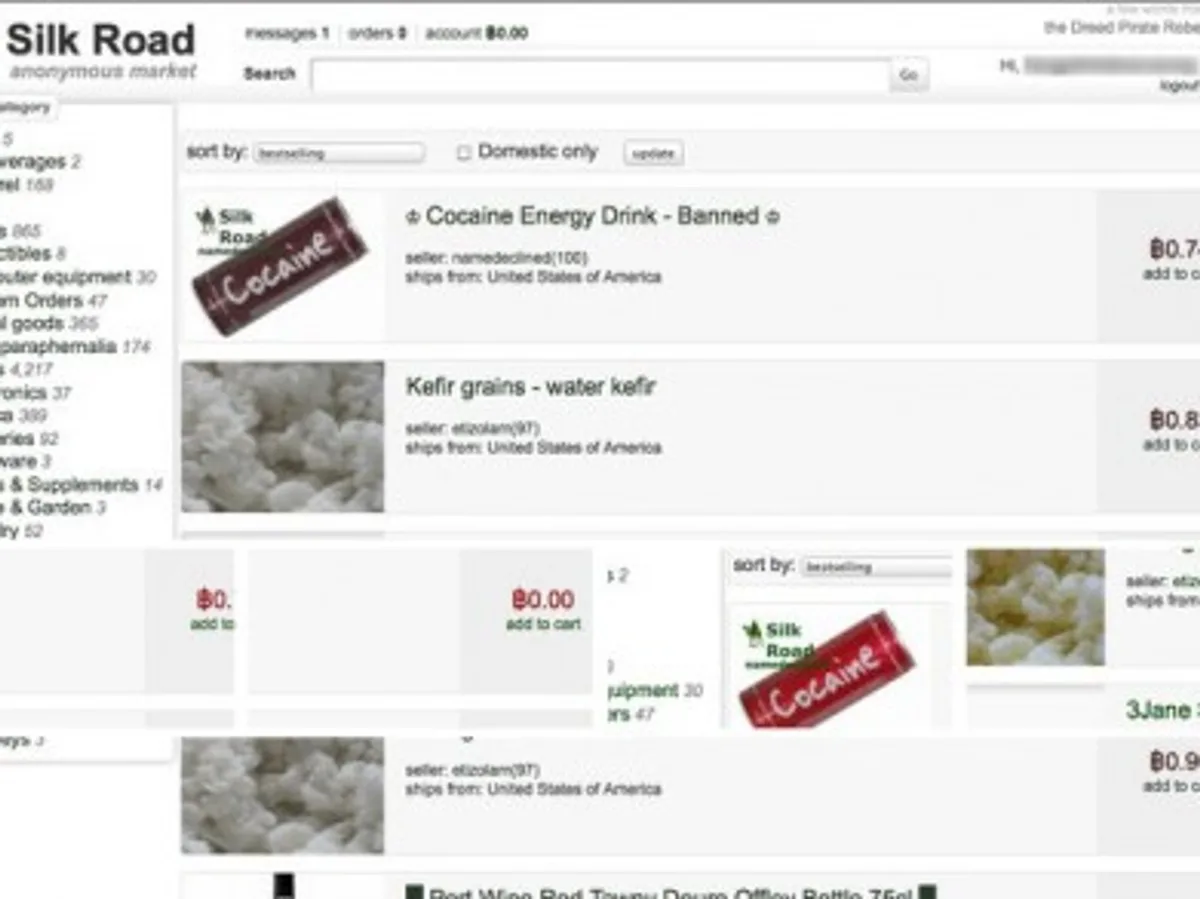
Silk Road, launched in 2011 by Ross Ulbricht (known as 'Dread Pirate Roberts'), was the first major darknet market, revolutionizing drug trafficking by enabling anonymous sales of illicit goods using Bitcoin and encrypted communications. Its operation and eventual shutdown in 2013 highlighted the new digital frontier of the global drug trade. (Source: worldcrunch.com)
Darknet markets showed how adaptable criminal networks are. Law enforcement shut down Silk Road in 2013, but new markets quickly emerged. For example, Operation Onymous, a 2014 international effort, closed dozens of darknet sites. Despite these efforts, the model persisted. The anonymity offered by the darknet remains a big challenge for stopping them.
Today, containerized shipping is one of the biggest weaknesses. Millions of cargo containers move across oceans daily. Only a tiny fraction can be inspected. Drug traffickers hide massive shipments within legitimate goods. Corrupt port officials or shipping company employees help these operations. This sheer volume makes detection incredibly difficult.
Criminal organizations are also using advanced technologies. Drones transport small drug loads across borders. Semi-submersible vessels, or “narco-subs,” move multi-ton cocaine shipments across oceans. These low-profile vessels are hard for radar and sonar to spot. They show a big investment by trafficking groups.
The future of global drug routes will likely mean criminal networks keep innovating. They will use new technologies and change with law enforcement pressure. The constant search for new markets and less watched transit points will drive them. Stopping this trade means governments must work together. They must also out-innovate criminals, a task that grows harder every day.
Faq: global drug trade routes
What is the “Golden Crescent”? The Golden Crescent is a main area for illegal opium production. It includes parts of Afghanistan, Pakistan, and Iran. Afghanistan is the world’s largest opium producer, supplying much of the world’s heroin.
How do drug cartels get drugs into countries? Cartels use many methods. These include cargo planes, speedboats, commercial trucks, passenger vehicles, and complex cross-border tunnels. They also hide drugs inside legal cargo containers and use human couriers.
What role does the darknet play in drug trafficking? The darknet offers anonymous online marketplaces for buying and selling drugs. Transactions use cryptocurrencies. Drugs are often shipped via postal services. This allows for small, hard-to-trace shipments directly to consumers.
Why are drug routes constantly changing? Drug routes change because of law enforcement pressure, political changes, and market demand. Traffickers adapt by finding new, less monitored paths. They also develop new smuggling techniques. This constant change makes stopping them hard.
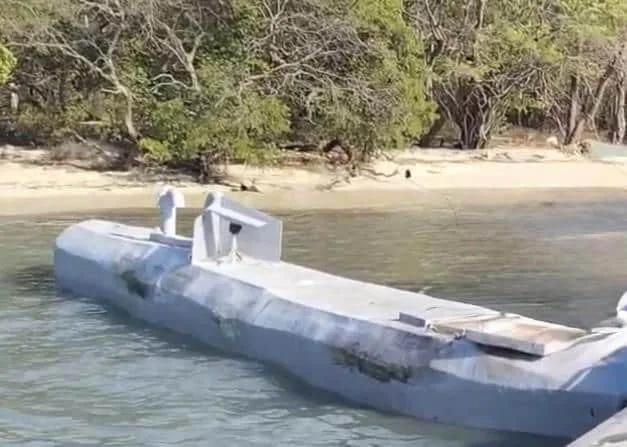
Narco-subs, or semi-submersible vessels, are custom-built, low-profile craft used by drug traffickers to move multi-ton cocaine shipments across oceans, often evading radar and sonar detection due to their stealth design and minimal surface profile. (Source: navalnews.com)
You might also like:
👉 US-China: $664B Trade Masks Zero-Sum Global Power Struggle