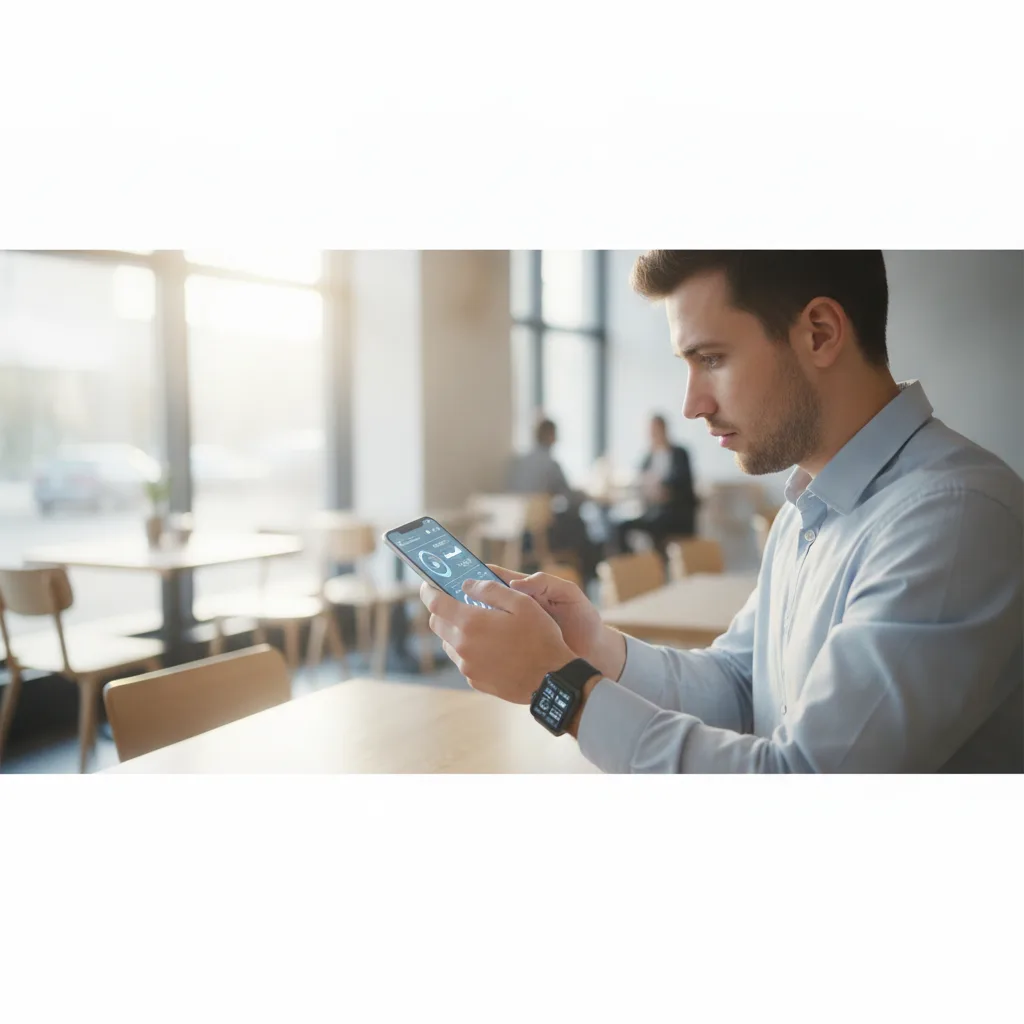
60% of 2023 Trials Go Mobile: IQVIA's Clinical Tech Shift
In 2023, over 60% of new clinical trials adopted decentralized elements, leveraging mobile technology for remote patient engagement and data collection.
Mobile Tech Changes Clinical Trials in 2023
Clinical trials are changing fast. In 2023, over 60% of new trials used decentralized elements, according to IQVIA’s “Global Trends in Clinical Research” report. That’s a huge jump from past years. This shift relies more and more on mobile technology, which lets researchers collect data and engage patients remotely.
Clinical Research Moves Remote
Traditional clinical trials often demand frequent site visits. This makes things hard for patients. It limits access for people in remote areas. It also hits those with mobility issues hardest. This old model leads to slow recruitment and high dropout rates.
Then COVID-19 hit. The pandemic forced a quick rethink of trial designs. Pharmaceutical companies needed ways to keep studies going. Many turned to decentralized clinical trials (DCTs) because they had to. This meant moving many trial activities out of physical clinics. Mobile technology became key for this change.
Dr. Craig Lipset, former Head of Clinical Innovation at Pfizer, saw this transformation. He said in a 2023 industry panel that DCTs are a “permanent change” in how research gets done. This shift puts patient convenience and data accessibility first. It changes how new medicines are developed worldwide.
Now, trial sponsors use remote monitoring. These tools support studies all over the world. They let people participate from many places. This breaks down old recruitment hurdles. It also greatly expands the patient pool.
Smart Devices, Smart Data
Apple’s ResearchKit framework, released in 2015, lets researchers build study apps. These apps run right on iPhones. They collect health data with patient consent, like activity levels and symptom reports. This uses common personal devices for medical research.
Wearable devices are another key part. Smartwatches, fitness trackers, and special sensor patches collect continuous body data. Garmin’s Health API pulls data from its fitness trackers. This gives researchers objective, real-world activity metrics. This data stream shows things beyond just clinic measurements.
These mobile tools help collect electronic patient-reported outcomes (ePROs). Patients can record symptoms, medication adherence, and quality of life directly. This captures data in real-time. It means patients don’t have to rely on memory, which can be flawed. This method gives a better, faster understanding of patients’ conditions.
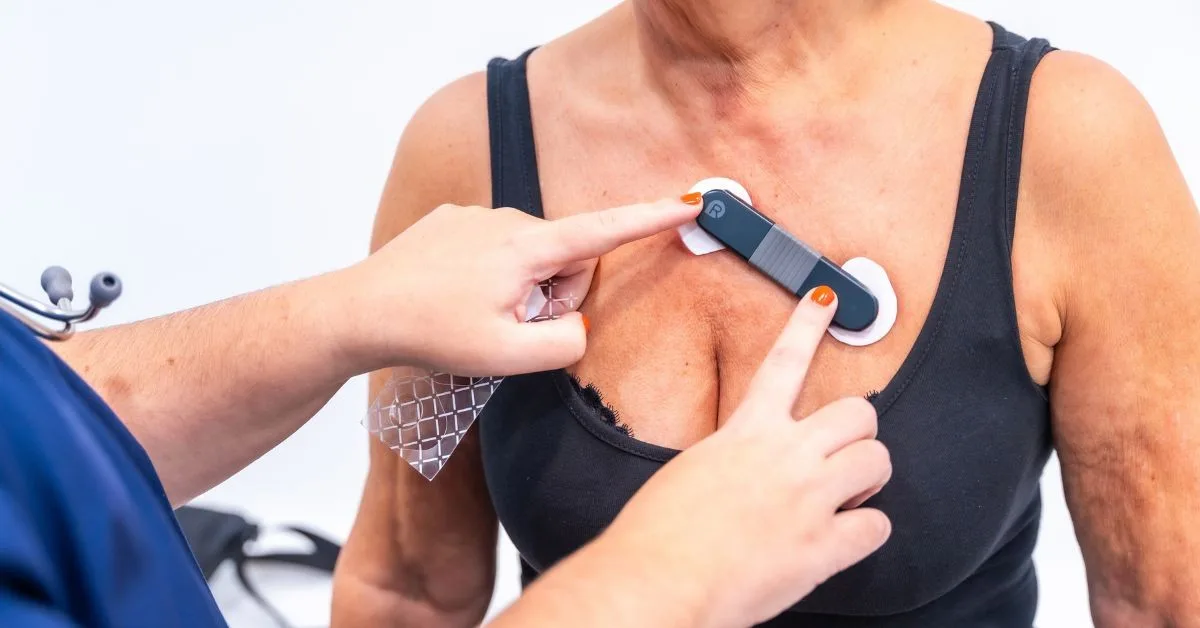
Special sensor patches are a key mobile technology in decentralized clinical trials, allowing researchers to collect continuous, real-time physiological data directly from patients. These unobtrusive wearables can monitor vital signs, activity, and other biomarkers, providing a richer and more accurate understanding of patient health outside traditional clinic visits. (Source: medical.averydennison.com)
Continuous monitoring also tracks vital signs, sleep patterns, and heart rate variability. These objective metrics give a full picture of patient health. This creates a lot of real-world data (RWD). It adds to traditional clinical endpoints. This data builds stronger evidence for how well drugs work and if they’re safe.
Putting Patients First
Mobile technology greatly cuts down the need for patients to travel to trial sites. This makes things easier for participants. It saves them time and money. This makes clinical trials more accessible. It helps patients balance their health with daily life.
A 2022 study in Clinical Trials found that DCTs improved patient retention. Trials using remote monitoring saw a 15% higher retention rate. This is different from purely site-based studies. Easier access directly leads to these better results. Patients are simply more likely to finish studies.
This approach expands where clinical trials can go. It lets people from rural or underserved areas join. These groups often can’t access traditional research. This inclusion is key to creating treatments that work for everyone. It helps fix health disparities.
Dr. Michelle Shardell, a biostatistician at the National Institute on Aging, points out this benefit. She stresses reaching many different communities. This helps ensure study results represent everyone. It makes findings more applicable to different groups. Better access also improves trial diversity, which leads to fairer healthcare.
Regulatory Hurdles and Data Puzzles
The U.S. Food and Drug Administration (FDA) released detailed guidelines in May 2023. This document, “Decentralized Clinical Trials for Drugs, Biological Products, and Devices,” covers mobile health tech. It explains what’s needed for data integrity and patient safety. This guidance provides clear direction for the industry on using these tools.
Data privacy remains a top worry for all mobile health apps. Regulations like Europe’s GDPR demand strict adherence. In the US, HIPAA handles health data. These laws ensure patient information stays secure and private. Companies must put strong data protection in place.

Released by the U.S. Food and Drug Administration in May 2023, this pivotal guidance document provides clear direction for the industry on integrating mobile health technology into decentralized clinical trials, addressing data integrity and patient safety. (AI-generated illustration)
Getting data from many different mobile devices and platforms creates technical problems. Various devices use different data formats. Standard data formats are still being developed. This takes a lot of work to make them talk to each other. Ensuring smooth data flow is key for good data.
Dr. Amy Abernethy, former Principal Deputy Commissioner of the FDA, stressed strong data management. She highlighted its role in creating reliable evidence. This means clear rules for data collection, storage, and analysis. It makes sure rules are followed and science is sound. Strong management builds confidence in data from mobile tech.
What’s Next: AI, Integration, and More Mobile Trials
Artificial intelligence (AI) and machine learning (ML) will make mobile data analysis even better. These technologies can find hidden patterns in huge amounts of data. They can predict patient responses or spot early safety signals. This goes beyond just collecting data. AI turns raw data into useful information.
New generation sensors will give us even more detailed and varied data. This includes continuous glucose monitoring for diabetes trials. It also includes advanced biometric feedback for neurological studies. These innovations help us understand the body better. They allow for more exact treatments.
Companies like Verily Life Sciences build full digital platforms. These combine data from many mobile sources. They make data management easier for clinical research. Such platforms aim to simplify the hard work of running decentralized trials. They give researchers complete solutions.
Dr. Pamela Tenaerts, Chief Scientific Officer at the Clinical Trials Transformation Initiative (CTTI), expects mobile tech to be everywhere. She sees it becoming standard practice. This integration will make clinical research more efficient and patient-friendly. Future trials will be more adaptive and personalized. Mobile technology is key to this evolution.
FAQ
What are decentralized clinical trials (DCTs)? DCTs move traditional trial activities from a central site to a patient’s home or local clinic. This model uses mobile tech for remote data collection and patient interaction. It aims to ease patient burden and boost access.
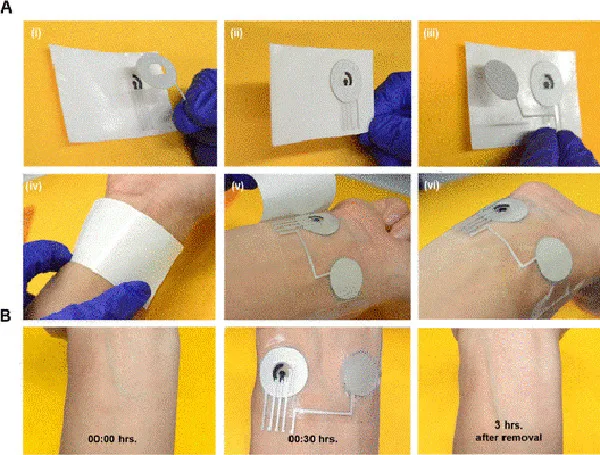
A continuous glucose monitoring (CGM) device, like this one, exemplifies the new generation of mobile sensors providing detailed, real-time data for clinical trials, particularly in diabetes research, allowing for more precise patient insights. (Source: vchs.ucsd.edu)
What kind of mobile tech is used in these trials? Common tech includes smartphones with special apps, wearables like smartwatches, and sensor patches. These tools collect all sorts of data, from patient-reported outcomes to continuous body metrics.
How does mobile tech benefit patients in clinical trials? Mobile tech means fewer clinic visits, making it easier to join. It opens up trials to many different groups. This can help keep patients in studies and make their experience better.
What are the main challenges in using mobile tech for clinical trials? Key challenges include keeping data private and secure, combining data from different devices, and following regulations. We also worry about the “digital divide” – making sure everyone has fair access.

The 'digital divide' poses a significant challenge to equitable participation in clinical trials, as it refers to the gap between those with access to modern information and communication technology and those without, potentially excluding vulnerable populations from crucial medical research. (AI-generated illustration)
You might also like:
👉 Virtual Reality in Healthcare: Revolutionizing Medicine & Patient Care