UAE Drones: The 2022 Ban's Hidden Truth Revealed
Many believed a sweeping 2022 ban stopped all drone flying in the UAE. Uncover the surprising truth behind the Ministry of Interior's temporary halt.
The UAE’s Drone Puzzle: What I Uncovered About Flying High
Everyone thinks flying a drone in the UAE is impossible. That’s what I thought too. My first searches showed headlines about a sweeping ban in 2022. This seemed to confirm the popular belief. But as I kept digging, a surprising truth appeared.
The drone ban that wasn’t
In early 2022, the Ministry of Interior announced a temporary halt on all recreational drone flying. It felt like a definitive shutdown. This directive followed a series of drone attacks in Abu Dhabi. Many assumed this meant a permanent ban on civilian drones. For a nation known for its tech ambition, this seemed wrong. The UAE is a hub for innovation. It also embraces smart city initiatives. A complete ban would clash with its future plans. I had to find out what was really happening.
Why drones vanished
The UAE sits at a global trade junction. It also faces regional political challenges. So it has strict security. Its seven emirates, including Dubai and Abu Dhabi, are major international destinations. This geography shapes many national policies.
In January 2022, a critical security event happened. Yemen’s Houthi rebels launched drone and missile attacks. These targeted civilian areas in Abu Dhabi. Three people died, according to official reports from the UAE state news agency, WAM. This security breach prompted a quick response. The Ministry of Interior immediately banned all recreational drone activities. This order also covered light sport aircraft. It was a direct measure to protect national airspace. The ban affected thousands. Hobbyists and tourists found their drone plans grounded. Commercial operators felt uncertain. The skies over the UAE, once dotted with drones, cleared out.
New rules from the GCAA
By March 2022, weeks after the initial directive, the situation started to change. The General Civil Aviation Authority (GCAA) stepped in. They began outlining new, rigorous regulations. The GCAA is the federal aviation authority in the UAE. This marked a big change. It wasn’t a blanket ban anymore. It was a move towards strict control.
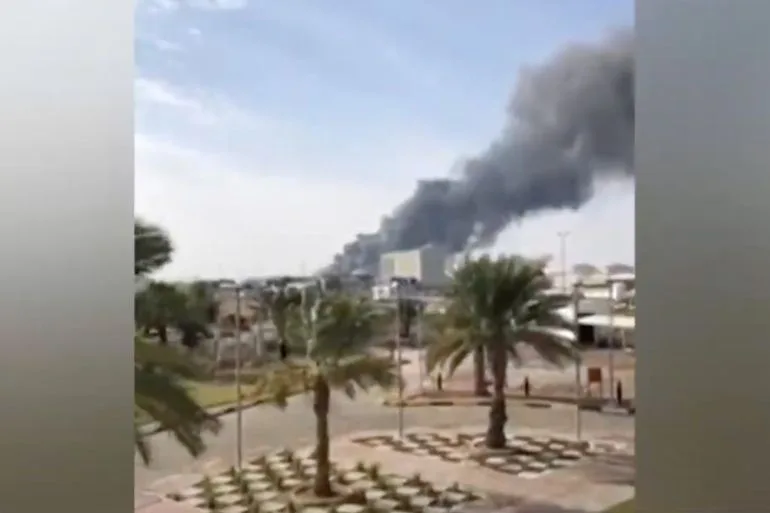
In January 2022, Houthi rebels launched drone and missile attacks targeting civilian areas in Abu Dhabi, including an industrial zone and an airport construction site, killing three people and prompting a temporary ban on recreational drones in the UAE. (Source: aljazeera.com)
I found GCAA Circular Number 05/2022 especially helpful. It explained the new rules for drone operations. The GCAA established two main categories: recreational and commercial. Each category had different rules. Recreational users needed GCAA approval and specific training. Commercial operators had even tougher requirements.
My research showed how complicated this system was. Registration is mandatory for every drone. This includes drones weighing as little as 250 grams. This weight limit is common in many countries. Commercial drone operators must obtain an Unmanned Aircraft System Operator Certificate (UAOC). This certificate isn’t easily granted. It requires extensive safety protocols and operational plans. Mr. Saif Al Suwaidi, Director General of the GCAA, stressed this change towards a “highly regulated environment” in a statement to Gulf News. He highlighted safety and security as most important.
I discovered that foreign visitors can bring drones. They must register them upon arrival. This process requires a valid Emirates ID or passport copy. It also needs the drone’s serial number. The GCAA website provides detailed instructions.
No-fly zones and safe drone use
Beyond registration, knowing where you can fly a drone matters. Abu Dhabi International Airport’s airspace, for example, is a permanent no-fly zone. This applies to all major airports. These areas are strictly off-limits.
The GCAA publishes detailed airspace maps. These maps highlight restricted areas. They include presidential palaces and military installations. They also cover sensitive government buildings. Ignoring these zones carries severe penalties. Altitude limits are also in place. Recreational drones cannot fly above 400 feet (120 meters). Commercial operations sometimes allow higher altitudes. This requires special GCAA permission. This additional clearance is hard to get.
I found the GCAA’s online tools surprisingly detailed. They offer an interactive map. This tool helps pilots check specific locations. It tells them if an area is restricted. This helps them follow the rules before flying. Many major events also trigger temporary restrictions. For example, during Expo 2020 Dubai, the surrounding airspace had strict drone prohibitions. These rules protect large gatherings. They prevent potential security threats. The GCAA requires recreational pilots to maintain visual line of sight. They must not fly over crowds. Flying at night is also generally forbidden. Exceptions exist only with specific GCAA approval.
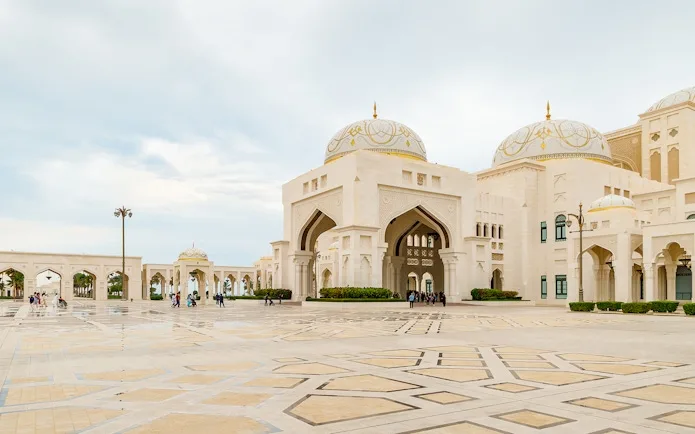
Qasr Al Watan, the Presidential Palace in Abu Dhabi, is a stunning cultural landmark and a permanent no-fly zone for drones, reflecting the UAE's strict regulations to protect sensitive government buildings and ensure security. (Source: headout.com)
Enforcement and the future of drones
Breaking drone rules in the UAE carries serious consequences. Fines can range from AED 20,000 to AED 100,000. This is according to Federal Law No. (12) of 2017. More serious breaches could lead to imprisonment. Local police forces are actively involved in enforcement. Dubai Police, for example, has a dedicated drone unit. They monitor airspace and respond to violations. They take these infractions very seriously.
This blend of strict regulation and advanced technology shows the UAE’s approach. It wants to support innovation. It also prioritizes national security. This balance is hard to keep. It requires constant change. The UAE continues to invest in drone technology. This includes delivery services and infrastructure inspection. These commercial uses are expanding. The regulations will likely change as this grows. They’ll need to stay up-to-date.
For now, the message is clear. Drones are allowed. But only under very specific and strict conditions. Any operator must do their homework. They must understand and follow every rule. Ignorance isn’t an excuse.
Common questions
Can tourists bring drones to UAE? Yes, tourists can bring drones to the UAE. They must register their drone with the GCAA upon arrival. This requires a passport and the drone’s serial number.
Do I need a license for a hobby drone? Yes, all drone operators, including hobbyists, need GCAA approval. They must also undergo specific training. This ensures safe and compliant flight operations.
Where can I fly my drone in Dubai? You can only fly your drone in designated areas. You must check the GCAA’s interactive airspace map first. Avoid all no-fly zones like airports and sensitive government sites.
What is the maximum altitude? Recreational drones cannot fly above 400 feet (120 meters). Commercial operations may get special permission for higher altitudes. This requires specific GCAA approval.
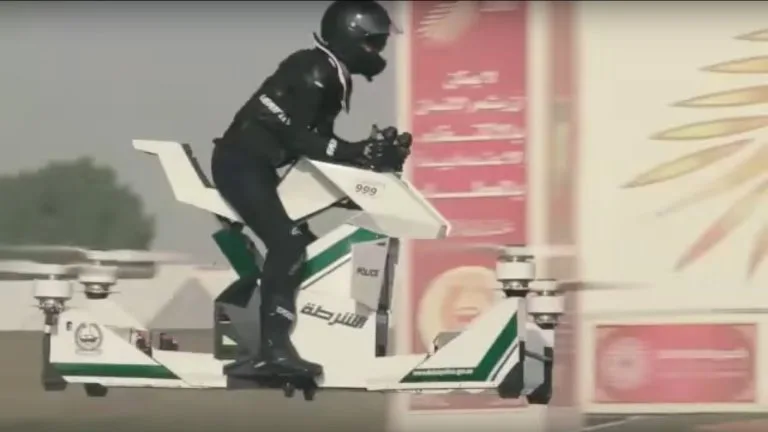
The Dubai Police operates a dedicated drone unit, actively monitoring the city's airspace to enforce strict drone regulations and respond to violations, showcasing the UAE's commitment to national security and advanced technology. (Source: thedrive.com)
You might also like:
👉 Tehran 2009: When Social Media Defied Iran’s Censors
👉 Canada’s Great Unsolved Mysteries: Historical Enigmas & Secrets