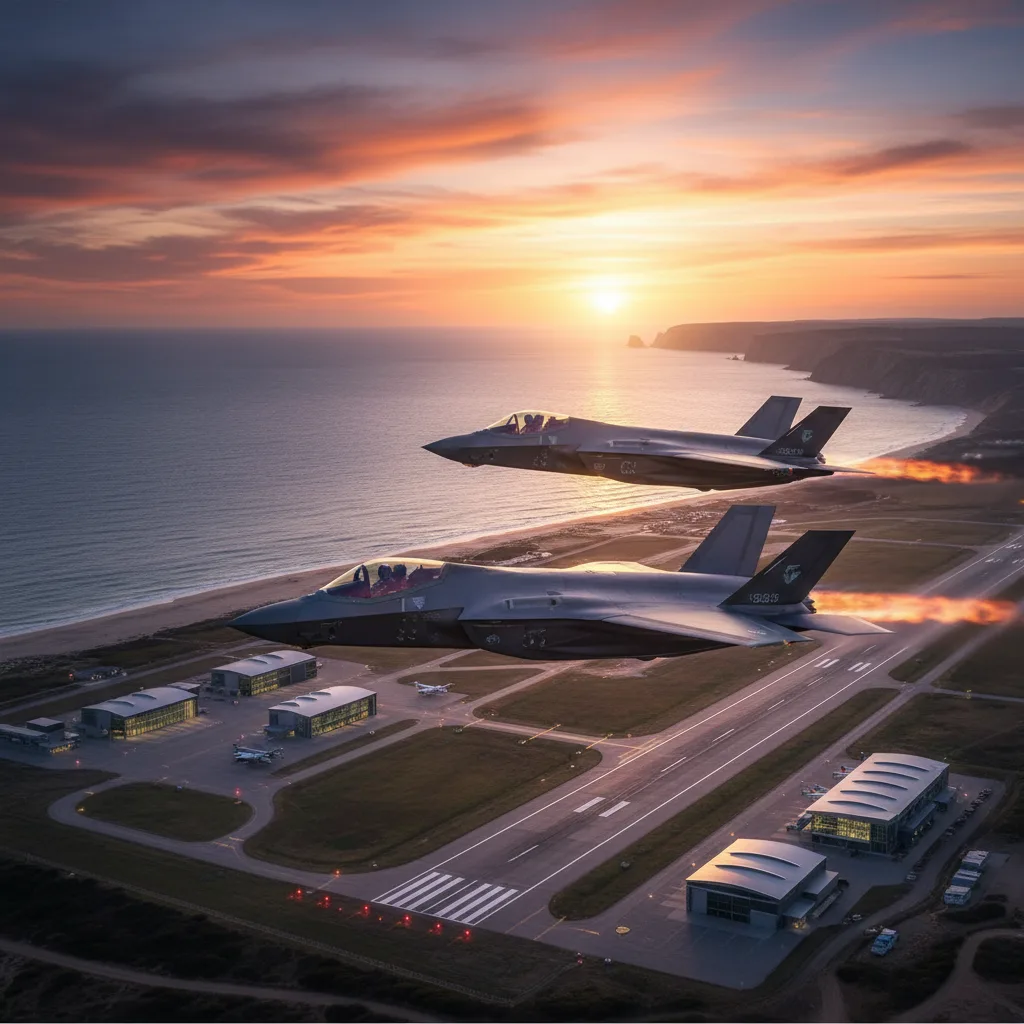
Abu Dhabi Halts $23 Billion F-35 Deal for 50 Stealth Jets
Abu Dhabi suddenly froze its $23 billion deal for 50 F-35A stealth jets and 18 advanced MQ-9B Reaper drones in December 2021, citing technical issues.
Abu Dhabi puts F-35 deal on ice
Abu Dhabi wanted America’s best fighter jet, the F-35. Then, in December 2021, the UAE suddenly hit pause on the $23 billion deal. This package included 50 F-35A stealth jets and 18 advanced MQ-9B Reaper drones. The UAE blamed “technical requirements” and “sovereign operational restrictions.” This wealthy Gulf nation, a key US ally, sits on the Arabian Peninsula. It borders Oman and Saudi Arabia. Its location near the Strait of Hormuz is critical. Lockheed Martin makes the F-35, and the US government was selling. But something went wrong.
A long alliance, a big deal
The US and UAE are close security partners. America keeps military assets in the UAE, including forces at Al Dhafra Air Base. That base is vital for operations in the region.
The UAE faces tough security challenges. Iran’s actions worry them most. Houthi missile and drone attacks from Yemen directly threaten the country. These attacks show why the UAE needs better defense.
The Trump administration approved the F-35 sale in October 2020. This happened after the Abraham Accords, which normalized relations between the UAE and Israel. That agreement changed regional diplomacy.
America’s demands, China’s shadow
The United States set tough rules for the F-35 sale. Washington wanted to protect sensitive F-35 technology. It always protects its best systems.
A key US demand was the UAE’s use of Huawei 5G technology. America fears Huawei’s equipment might spy. This would expose F-35 secrets and data. US officials warned about this often.
US intelligence officials worried specifically. They feared China getting into secure networks. Such access would hurt US security. It could also expose allied military secrets.
The US also worried about China growing in the UAE. Reports even claimed a secret Chinese military facility near Abu Dhabi. The UAE strongly denied this. It said the facility was just a business project.
Abu Dhabi confirms pause, rejects US rules
The UAE told US officials its decision on December 14, 2021. This pause came after months of stalled talks. They just couldn’t fix key problems.
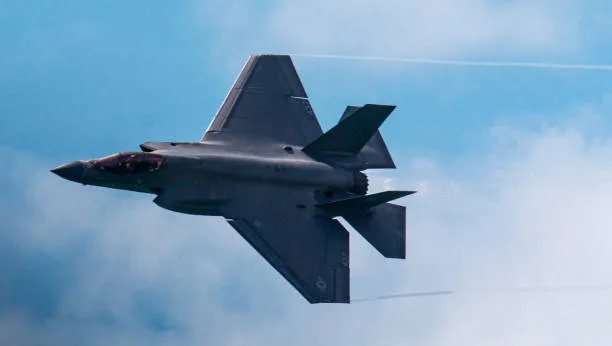
The F-35 Lightning II is a cutting-edge fifth-generation stealth fighter developed by Lockheed Martin, coveted by allies for its advanced capabilities. The UAE's frozen deal involved 50 F-35A variants, designed for conventional takeoff and landing. (Source: istockphoto.com)
UAE Ambassador Yousef Al Otaiba confirmed the move. He said the UAE “suspended discussions” on the deal. He blamed “technical requirements, sovereign operational restrictions.” Al Otaiba emphasized the UAE’s commitment to its own defense.
Pentagon Press Secretary John Kirby spoke about it. He said the US was still committed to the UAE partnership. Kirby stated, “US security requirements are most important.” He showed the US wouldn’t bend on these principles.
Lockheed Martin, the F-35 maker, knew what was happening. A company spokesperson hoped the F-35 would still be a future solution. They pointed to the strong US-UAE partnership. Lockheed Martin is ready to help US government talks.
Finding new defense partners
The UAE signed a deal for 80 Rafale fighter jets from France. This deal happened just weeks before the F-35 pause. It showed a clear plan B for buying weapons.
The Rafale deal closed on December 3, 2021. It’s worth $19 billion. This is France’s biggest arms export deal ever. It showed France’s growing role as a defense supplier.
French President Emmanuel Macron was there for the signing. He met UAE Crown Prince Sheikh Mohammed bin Zayed al-Nahyan. This showed stronger defense ties between the two nations. The deal also includes big maintenance contracts.
The Rafale jets are a big upgrade for the UAE Air Force. They give a strong alternative to US jets. The UAE could also eye Eurofighter Typhoons from Europe. Russia and China offer advanced jets too, giving even more choices.
What happens next for alliances and security?
The F-35 pause marks a significant moment for US-UAE relations. It tests how far strategic partnerships can go. Both nations need to find common ground to work together. This needs careful diplomacy.
The US wants to limit China’s global power. It tells allies to pick sides. But the UAE puts its own defense first. It wants to stay strategically independent.
Future talks will need high-level diplomacy. The US State Department will be key. To fix this, both sides need to be flexible. It’s a tough balancing act: security, sovereignty, and aligning strategies.
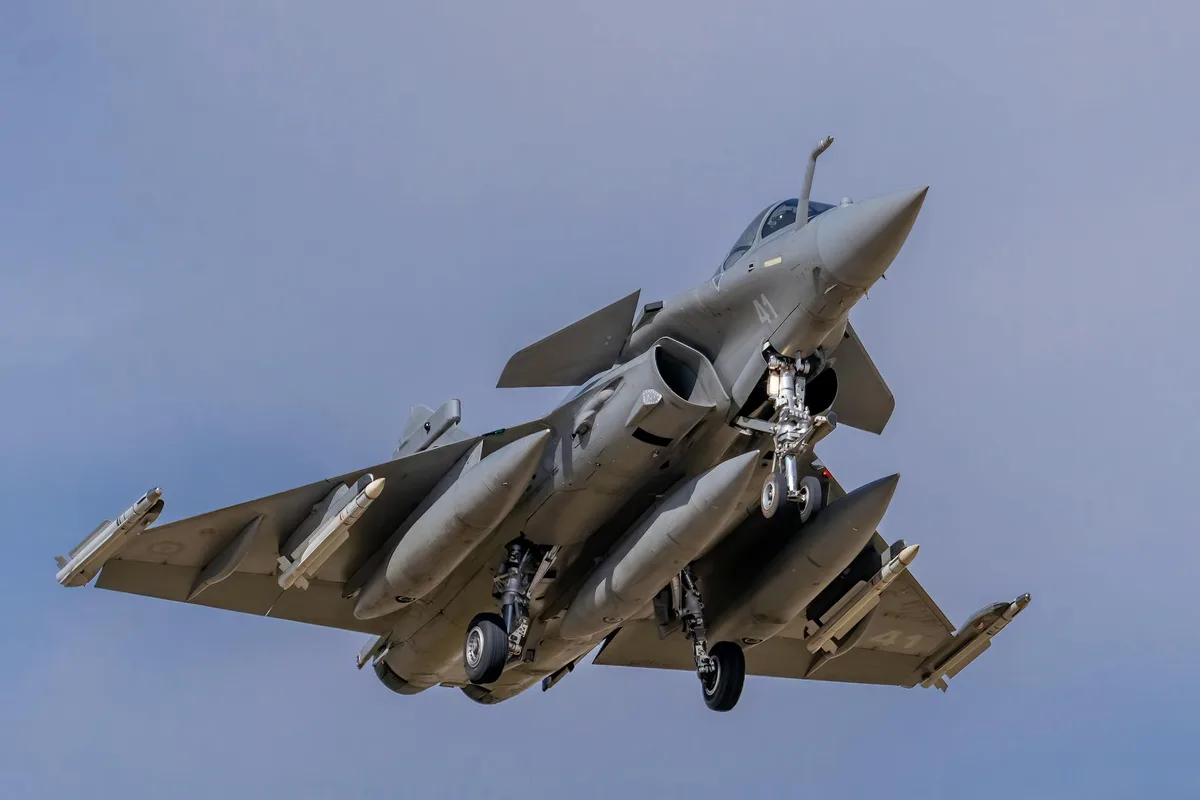
The UAE's $19 billion deal for 80 Dassault Rafale fighter jets from France, signed in December 2021, was France's largest arms export ever. These advanced multirole jets represent a significant upgrade for the UAE Air Force, offering a powerful alternative to US-made aircraft. (Photo: Rafael Minguet Delgado, Pexels)
What happens next will change how the region buys weapons. It could change how America sells advanced technology to friends. It also affects the balance of power in the Gulf. This decision will have long-term global effects.
FAQs
What is the F-35 Lightning II? The F-35 Lightning II is a fifth-generation stealth fighter jet. Lockheed Martin makes it. It combines advanced stealth, sensor fusion, and integrated avionics.
Why is the US concerned about Huawei 5G? The US fears China could exploit Huawei’s 5G equipment. This might mean spying or messing with crucial communications. It’s especially worrying near sensitive military gear.
What are the Abraham Accords? The Abraham Accords are agreements to normalize relations. They were signed in 2020. They set up diplomatic ties between Israel and several Arab nations, like the UAE and Bahrain.
Could the UAE still get F-35s? The deal isn’t canceled, just paused. Talks might restart if security improves or they compromise. Both countries say they’re committed to their wider partnership.
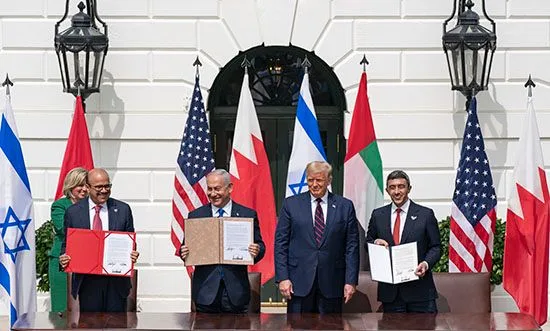
The Abraham Accords, signed in 2020 at the White House, normalized diplomatic relations between Israel and several Arab nations, including the UAE and Bahrain, marking a historic shift in Middle East diplomacy. The proposed F-35 deal with the UAE followed these groundbreaking agreements. (Source: britannica.com)
You might also like:
👉 UAE Drones: The 2022 Ban’s Hidden Truth Revealed
👉 US-China: $664B Trade Masks Zero-Sum Global Power Struggle
👉 The $546 Billion Space Race: Private Money, Global Rivalries