CPSC Recalls: 1972 Agency Fails to Prevent Child Harm
The CPSC, formed in 1972, aims to protect children from product dangers. Its recall system often reacts to harm after it occurs, not preventing it.
The Hidden Dangers of Children’s Product Recalls
The Consumer Product Safety Commission (CPSC) is tasked with ensuring the safety of children’s products. While many families trust product recalls to protect their children, the current system often reacts to harm after it occurs, rather than preventing it.
Formed in 1972, the CPSC is an independent federal agency. It protects the public from unreasonable risks of injury or death from consumer products. The CPSC develops safety standards, researches product hazards, and issues recalls. This work has removed countless hazardous products from circulation, alerting parents to dangers in items like toys, cribs, and clothes. This system has prevented countless injuries and saved lives.
Recalls: too often, too late
In 2023, the CPSC announced 203 recalls. Many involved children’s products. This high number shows a persistent problem: recalls often happen after serious injuries or deaths. The system acts like an ambulance, not a fence.
Take the Fisher-Price Rock ‘n Play Sleeper. The CPSC recalled it in April 2019, but only after over 30 infant deaths. A CNN investigation and pressure from groups like Consumer Reports made the dangers public. Consumer Reports, in its April 2019 reporting, highlighted the initial design flaws and the slow response.
This wasn’t an isolated case. Drop-side cribs were another tragic example. Between 2007 and 2010, the CPSC recalled over 11 million drop-side cribs. These cribs caused at least 32 infant deaths and 14 serious injuries. A CPSC report in June 2011 confirmed the agency approved new mandatory crib standards, banning their manufacture and sale.
These cases show a big flaw. Recalls are reactive. They respond to existing harm, instead of stopping dangerous products before they reach nurseries. The system often depends on tragedies to trigger action.
Dangerous products still lurk
A 2015 CPSC study found recalls often don’t work well. Only 10-30% of recalled products get returned or repaired. This means millions of dangerous items stay in homes, still risking children’s safety. Kids In Danger (KID), a consumer advocacy group, regularly points out these low effectiveness rates in its annual reports.
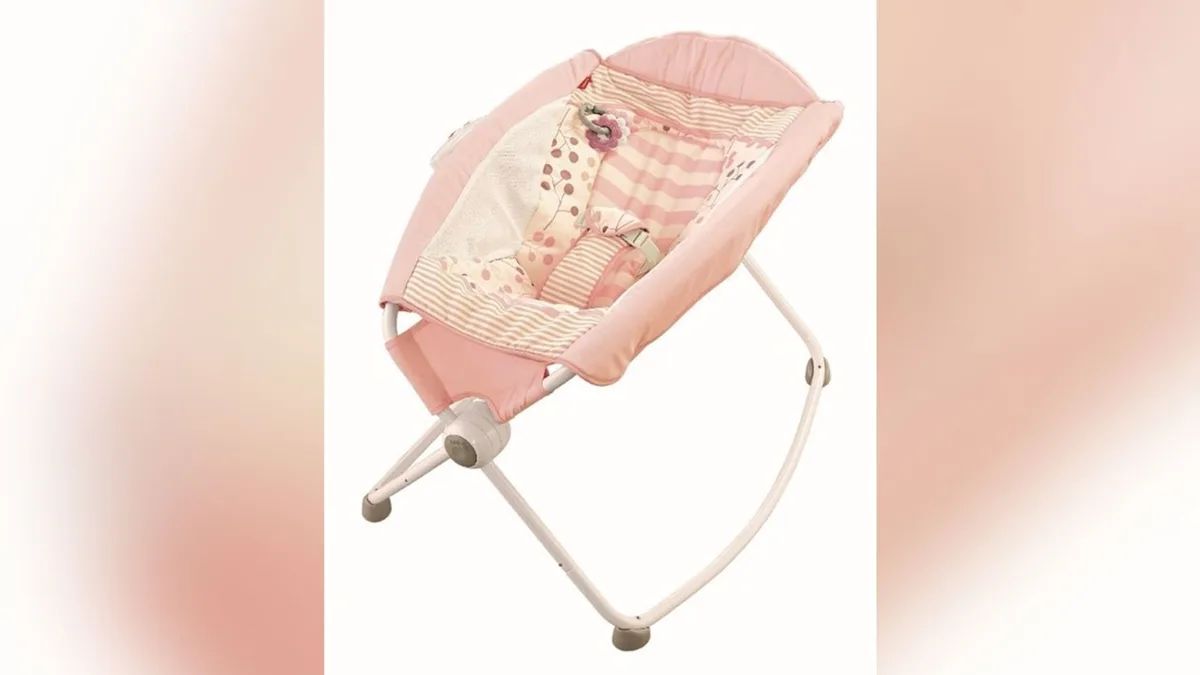
The Fisher-Price Rock 'n Play Sleeper, an infant inclined sleeper, was recalled in April 2019 after being linked to over 30 infant deaths, highlighting the reactive nature of many product safety recalls. (Source: cnn.com)
Magnetic toys show this problem clearly. The CPSC has recalled high-powered magnet sets many times since 2006. Yet, kids still swallow these small magnets, causing severe internal injuries. Surgeons often describe complex, life-threatening damage.
The problem dragged on for years. The CPSC finally issued a new federal safety standard for magnet sets in 2022. This followed an alarming rise in incidents. Over 2,400 magnet ingestions and 16 deaths were reported between 2017 and 2021. The lag between repeated recalls and a mandatory standard let a dangerous cycle continue.
This situation burdens parents. They must stay informed about recalls and act. But many parents never hear about specific recalls. Recalled products also find their way into second-hand markets. This creates a silent threat in countless homes.
Beyond recalls: preventing harm, enforcing rules
In 2022, the CPSC took a big step. It proposed a mandatory standard for infant inclined sleepers. This action came after years of voluntary recalls and many infant deaths linked to the products. This shift to mandatory standards is a big improvement.
The CPSC has started moving past reactive measures. For example, the Safe Sleep for Babies Act of 2021 banned inclined sleepers and crib bumpers outright. This law proactively removes entire categories of dangerous products, working better than individual recalls. Despite these legislative steps, enforcement remains a significant challenge. Recalled products often reappear on online marketplaces. Platforms like Amazon, eBay, and Facebook Marketplace often list hazardous, recalled items for sale. This creates a huge, unregulated market for dangerous goods.
CPSC Commissioner Richard Trumka Jr. has repeatedly asked for more accountability from online marketplaces. He spoke about this in 2023. Policing these huge online spaces stretches the CPSC’s budget and staff. The agency simply cannot track every listing.
The system must change. It needs to move from just recalling products. It must actively prevent dangerous items from reaching any sales channel. This requires stronger pre-market testing, strong mandatory standards, and aggressive enforcement against illegal sales, especially online. The goal must shift from lessening harm to truly preventing it.
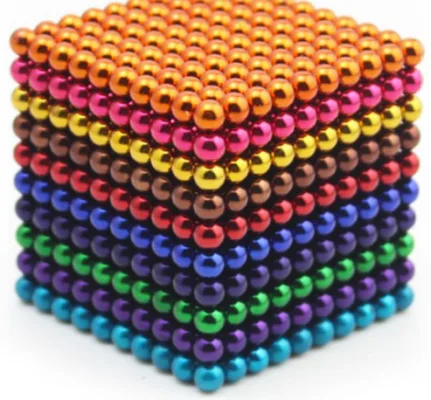
High-powered magnet sets, like those frequently recalled by the CPSC since 2006, pose a severe ingestion hazard to children. These small magnets can connect across intestinal walls, causing life-threatening internal injuries, with over 2,400 ingestions and 16 deaths reported between 2017 and 2021. (Source: cpsc.gov)
FAQ
What is the CPSC’s primary role? The CPSC protects the public from unreasonable risks of injury or death from consumer products. It sets safety standards, investigates hazards, and issues product recalls.
Why aren’t all recalled products removed from homes? Many factors lead to low recall success. These include lack of consumer awareness, difficulty finding products, and the effort consumers need to return or repair items.
How can parents stay informed about recalls? Parents can register products with manufacturers for direct recall notices. They can also sign up for email alerts from the CPSC website or follow consumer advocacy groups like Kids In Danger.
What are some limitations of the recall system? The system often reacts to incidents instead of preventing them. It relies heavily on what consumers do to work. The sheer volume of products and the rise of online marketplaces make full enforcement hard.
Kids In Danger (KID) is a non-profit organization founded in 1998 by parents Linda Ginzel and Boaz Keysar after their 16-month-old son, Danny, died in a defective portable crib. KID works to protect children by improving product safety and empowering consumers. (AI-generated illustration)
You might also like:
👉 Economic Sanctions: Why They Often Fail to Achieve Goals