
350 Million Records Exposed in 2023: Cybersecurity's Ethical Mess
Data breaches exposed over 350 million records in 2023, forcing cybersecurity pros to make tough ethical choices daily about privacy and surveillance.
Cybersecurity’s messy ethics
Cybersecurity is not a simple battle of good versus bad. In 2023 alone, data breaches exposed over 350 million records globally, says the Identity Theft Resource Center. This constant threat pushes security professionals, governments, and companies into tough ethical spots every day.
The truth is, cybersecurity ethics are messy. It’s not just about stopping criminals. It means making hard choices about privacy, surveillance, national security, and even digital warfare. What if protecting a country means spying on its people? What if revealing a software flaw helps bad guys before it helps users? These questions are tough, and there aren’t any easy answers.
What cybersecurity means
Cybersecurity protects digital systems, networks, and data from attacks. Imagine safeguarding a modern city. It needs police, fire services, and infrastructure maintenance. In the digital world, this means protecting everything from your emails to national power grids. We rely on these systems for finance, healthcare, communication, and basic utilities.
Many different players operate in this digital world. Governments protect national interests, run intelligence operations, and enforce laws. Corporations guard customer data, intellectual property, and their business operations. Security researchers, often called “ethical hackers,” find weaknesses to improve defenses. Finally, threat actors – criminals, state-sponsored groups, or hacktivists – exploit these weaknesses for bad reasons. The constant tension between these groups creates our ethical challenges.
Digital defense: the gray areas
In 2016, Google’s Project Zero researchers found a critical Windows flaw. They released details after Microsoft didn’t patch it within Google’s 90-day deadline. This shows a core ethical conflict: when and how to reveal digital weaknesses.
This practice is vulnerability disclosure. It happens when a security researcher finds a flaw in software or hardware. Then they must decide what to do. Most people think they should report it to the vendor. This gives the company time to fix the issue before it goes public.
This approach is responsible disclosure. It usually means giving the vendor a set time, often 90 days, to create and release a patch. Google’s Project Zero famously sticks to this timeline. The goal is to lessen risk to users. This process protects everyone.
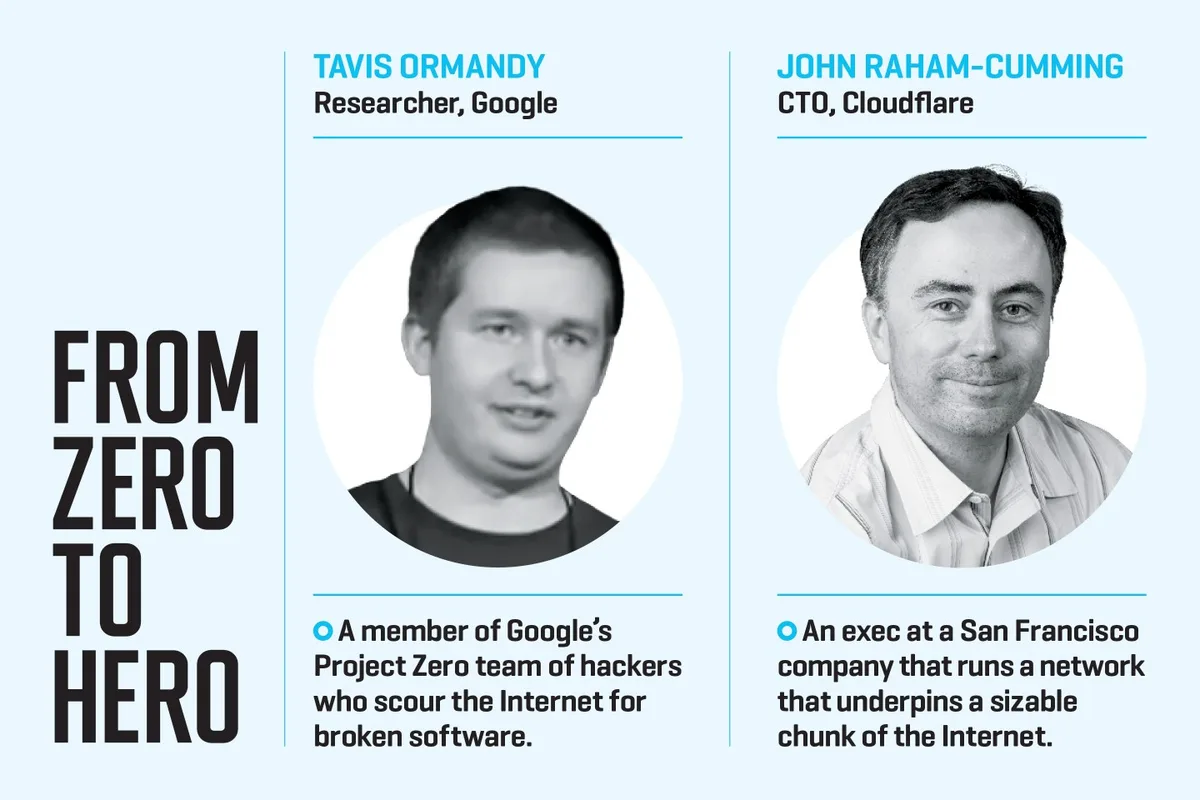
Google's Project Zero is a renowned team of security analysts dedicated to finding zero-day vulnerabilities in software. They are famous for their strict 90-day responsible disclosure policy, which they applied when revealing a critical Windows flaw in 2016 after Microsoft missed their deadline. (Source: fortune.com)
Some argue for full disclosure instead. They publish all vulnerability details immediately. Supporters believe this forces vendors to act faster. It also educates the public about existing risks. But the downside is huge. Releasing details too soon creates a “zero-day exploit.” This is a flaw unknown to the software vendor, so no patch exists. Criminals can then exploit it before users have any defense. It’s like announcing a safe has a faulty lock before the locksmith arrives.
Ethical hacking raises another question. This is an authorized attempt to break into a system to find flaws. “White hat” hackers often do this for companies. They use the same techniques as malicious attackers. Imagine hiring a professional safe-cracker to test your bank vault. They aim to find weaknesses so you can fix them. Ethics come into play with the scope, consent, and potential damage during testing. Without clear boundaries, an ethical hack can easily become unauthorized.
Surveillance, privacy, and national security
Edward Snowden’s 2013 revelations exposed the huge scale of surveillance programs. These included the NSA’s PRISM. This sparked a global debate: privacy versus security. Governments argue they need broad surveillance powers to stop terrorism and crime. It’s a powerful reason.
But such powers often cost us individual privacy. It’s like police installing cameras everywhere in a city without warrants. They might catch criminals. But they also record innocent people. The debate asks: where do we draw the line? How much personal data can be collected? Who oversees these programs? What protects us from abuse?
Encryption is a major flashpoint. This technology scrambles data to protect privacy. Governments often push for “backdoors” or “master keys” to encrypted communications. They say this helps law enforcement access criminal data. Privacy advocates and tech companies strongly disagree. They argue any backdoor, once built, could be exploited by anyone. It would compromise everyone’s data security.
The Apple vs. FBI case in 2016 defined this conflict. The FBI demanded Apple unlock an iPhone from one of the San Bernardino shooters. Apple refused. The company warned of creating a “master key.” This key, they argued, could unlock any iPhone, setting a dangerous precedent for user privacy. The case showed the huge tension between national security and individual digital rights.
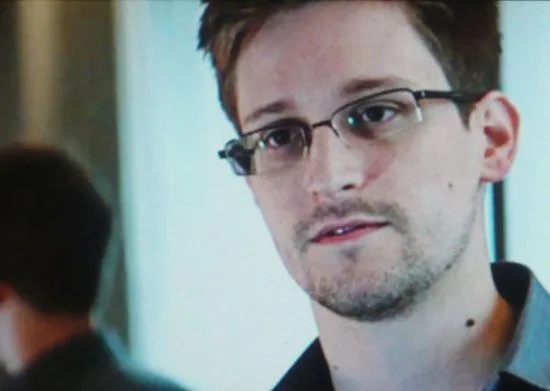
Edward Snowden, a former NSA contractor, became a global figure in 2013 after leaking classified documents that exposed the vast scale of government surveillance programs, sparking an international debate on privacy and national security. (Source: britannica.com)
Beyond government, corporations collect huge amounts of data. Shoshana Zuboff, in The Age of Surveillance Capitalism, describes how companies profit from watching user behavior. This “surveillance capitalism” trades user data for targeted ads and predictions. User consent often hides in long terms of service. This makes us question true voluntariness. Are users really consenting? Or do they just have to agree to use essential services?
Digital warfare: morality and retaliation
In 2010, the Stuxnet worm crippled Iranian nuclear centrifuges. Most believe it was a joint US-Israeli operation. This marked a turning point. It was the first public digital weapon to cause physical damage. Stuxnet raised deep ethical questions about cyber warfare. Are cyberattacks against critical infrastructure like physical attacks? What are the rules of engagement in this new space?
Attribution is a major challenge in cyber warfare. It’s incredibly hard to pinpoint a cyberattack’s source. Attackers often use complex techniques to hide their tracks. They route attacks through many countries. This makes retaliation risky. A state might strike the wrong actor, escalating conflicts for no reason.
Think about the NotPetya ransomware attack in 2017. Many blamed Russia. It targeted Ukraine, but spread globally, causing billions in damages. It hit shipping companies, hospitals, and other critical services. This incident showed the huge “collateral damage” possible in cyber warfare. Innocent civilians and unintended targets can suffer greatly. The lines between military and civilian infrastructure blur in the digital world.
“Cyber deterrence” also faces ethical questions. This idea suggests strong cyber capabilities can stop attacks. But this could spark an arms race. Nations might build offensive cyber weapons, raising the risk of conflict. The ethical debate asks: is developing these weapons a necessary evil for defense? Or is it a dangerous path to global instability? Unlike chemical or nuclear weapons, no international treaty governs cyber warfare. This creates a big ethical gap.
Building an ethical digital future
In 2018, the European Union implemented the General Data Protection Regulation (GDPR). This landmark law greatly strengthened individual data privacy rights. It showed that regulation can start to fix some ethical issues. Still, cybersecurity ethics remain complex, with no easy solutions.

A view of Iranian nuclear centrifuges, likely at the Natanz facility, which were famously targeted and crippled by the Stuxnet worm in 2010. This attack marked a critical turning point, demonstrating how digital weapons could cause significant physical damage. (Source: gettyimages.com)
One key step is more transparency. Governments and companies must be more open about their data collection and cybersecurity practices. Users need to understand who holds their data. They also need to know how it’s used and what protections exist. This builds trust and allows for informed consent.
Developing clear ethical frameworks is also important. These frameworks can guide new technologies, like artificial intelligence. The UNESCO Recommendation on the Ethics of Artificial Intelligence, adopted in 2021, is one example. It gives guidelines for responsible AI development, covering bias and accountability. We need similar principles for cybersecurity operations.
Global cooperation is important. Cybersecurity threats cross national borders. International agreements and norms are important to manage cyber warfare, stop digital weapon spread, and prosecute cybercriminals. Even with geopolitical tensions, countries must find common ground. They need to protect shared digital infrastructure.
The future of cybersecurity ethics depends on constant talk and adaptation. We must keep asking: What kind of digital society do we want? One where security trumps everything? Or one that balances security with fundamental rights? These aren’t just questions for technical experts. They need active participation from citizens, policymakers, and ethicists everywhere. We’re still writing the rules for this new digital world.
Frequently asked questions
What is ethical hacking? Ethical hacking, often called “white hat” hacking, involves authorized attempts to penetrate computer systems or networks. The goal is to identify vulnerabilities before malicious actors can exploit them. Ethical hackers work to improve security, not to cause harm.
Are all cyberattacks unethical? Most cyberattacks are unethical. They involve unauthorized access, data theft, or disruption, causing harm. Some “hacktivism” or vulnerability disclosure can spark debate about their ethics, even if legally questionable.
How can individuals protect their privacy better? Individuals can use strong, unique passwords, enable two-factor authentication, and be cautious about sharing personal data online. Understanding privacy settings on apps and browsers, and using encrypted communication tools, also helps.
Who sets cybersecurity ethics standards? Ethics standards come from many sources. These include international organizations (like NIST, ISO) and professional bodies (e.g., ISC2). National governments set standards through laws (like GDPR), as do industry best practices. Ethical debates often shape these developing standards.

These critical undersea fiber optic cables form the backbone of the global internet, carrying over 99% of intercontinental data traffic and representing vital shared digital infrastructure vulnerable to cyber threats and geopolitical tensions. (Source: accutechcom.com)
You might also like:
👉 WannaCry 2017: The Cyberattack That Crippled UK Hospitals