
EU's GDPR: How Europe Tamed the Digital Wild West
The EU's General Data Protection Regulation (GDPR) marked a bold shift, moving from a 'digital Wild West' to regulated online spaces.
Europe’s digital revolution
For years, the internet operated with minimal regulation, resembling a digital Wild West. Tech giants ran wild, setting their own rules for content and market power. Then, the European Union stepped in. Expectations were for a cautious, bureaucratic approach, typical of large blocs. However, the strategy proved bolder. This altered perceptions of digital rules.
The EU’s initial focus was largely on privacy. The General Data Protection Regulation (GDPR), launched on May 25, 2018, set the global standard for data protection. This law was huge. It felt like the defining moment. It seemed future steps would just tweak data rules. But the problems of misinformation, hate speech, and market monopolies kept growing. Privacy alone couldn’t fix the internet.
The EU wasn’t just addressing data anymore. It was about the great power of big online platforms. These platforms, often based outside Europe, influenced everything. They shaped public discourse, controlled access to markets, and sometimes even undermined democratic processes. The European Commission and Parliament saw this huge problem. They knew a new approach was needed.
Beyond privacy: regulating platform power
Initially, the General Data Protection Regulation (GDPR) appeared to be the definitive digital regulation for some time. It certainly had a significant global impact. Companies like Google and Meta spent fortunes to comply, even if imperfectly. GDPR applied to any company handling EU citizens’ data, no matter where that company sat. This showed the “Brussels Effect” in action: EU rules becoming global standards.
But GDPR mainly dealt with how data was handled. It didn’t fix the power gap between platforms and users, or between platforms and smaller businesses. It also didn’t really handle illegal content or disinformation. These were initially considered separate issues, best left to national laws. A 2019 study by the Centre for European Policy Studies (CEPS) showed how fragmented rules were across EU states. This made things legally unclear and let harmful content spread.
Then, the European Commission, led by President Ursula von der Leyen, made a significant step. On December 15, 2020, they revealed two major proposals. These were the Digital Services Act (DSA) and the Digital Markets Act (DMA). The proposals were recognized as significant. These weren’t just tweaks. They completely reimagined how digital platforms should operate in the EU. Their goal was a safer, fairer digital space.

Ursula von der Leyen, the first woman to serve as President of the European Commission, spearheaded the proposals for the Digital Services Act (DSA) and Digital Markets Act (DMA), marking a bold new era for digital regulation in the EU. (Source: lemonde.fr)
Two new laws: the DSA and DMA
The Digital Services Act (DSA) focuses on what platforms do with content. It makes online spaces safer. The DSA places new duties on digital service providers. This includes social media, online marketplaces, and hosting services. The DSA forces platforms to be more transparent about their content moderation. It also requires them to remove illegal content quickly.
Rules get even tougher for very large online platforms (VLOPs) and search engines (VLOSEs). VLOPs are platforms with over 45 million active monthly users in the EU. These include giants like Facebook, TikTok, and Amazon. They face annual independent audits. They also must check for and reduce risks, like the spread of disinformation or gender-based violence. The DSA entered into full effect for all platforms on February 17, 2024. Companies can face fines up to 6% of their global annual turnover if they don’t comply. That’s a serious threat, as a European Commission spokesperson confirmed.
The Digital Markets Act (DMA) targets “gatekeepers.” These are big online platforms with huge market power. They stand as key links between businesses and consumers. Gatekeepers get named based on clear thresholds. They must have at least 45 million monthly active end users and 10,000 yearly active business users in the EU. They also need a market value of at least 75 billion euros. Examples include Google, Apple, Meta, and Amazon.
The DMA lists “dos and don’ts” for these gatekeepers. For example, they can’t favor their own services over rivals’. They must allow users to uninstall pre-installed apps easily. They also have to allow third-party app stores. Initially, there was an assumption that tech companies might ignore these rules. But the DMA has even bigger fines than the DSA: up to 10% of global turnover, or 20% for repeat offenders. This makes ignoring the rules incredibly expensive. The European Parliament pushed hard for these strong rules.
The fight begins: enforcing the rules
The DSA and DMA are law, but that’s only half the fight. Enforcement is the real test. Many expected tech companies to absorb these laws. However, enforcement has proven to be a fierce, ongoing struggle. Tech giants have huge resources for lobbying and legal fights. They often claim the rules are too much work or kill innovation.

Google, a prominent 'gatekeeper' under the EU's Digital Markets Act (DMA) and a 'very large online search engine' (VLOSE) under the Digital Services Act (DSA), faces significant new regulations and potential fines for non-compliance within the European Union. (Source: dreamstime.com)
Meta, for example, openly criticized parts of the DSA, especially about data access for researchers. Other companies changed things, but sometimes in ways that seemed to bend the law’s spirit. The European Digital Rights (EDRi) group, which defends civil liberties, continues to identify gaps in platform compliance. They say automated content moderation often misses subtleties. They also note platforms can still be unclear about their algorithms.
The European Commission now has extensive investigative powers. They can demand data, conduct inspections, and impose interim measures. On April 29, 2024, the Commission opened formal proceedings against Meta under the DSA. This happened because of concerns about deceptive ads and political content on Facebook and Instagram. This showed the Commission was ready to use its new powers. This direct intervention demonstrated the Commission’s seriousness. It proved they’re serious about enforcing, not just writing, the rules.
A big challenge is the sheer amount of content and complex algorithms. Regulators need to understand how these systems work to police them well. This needs serious technical know-how. The Commission set up the European Centre for Algorithmic Transparency (ECAT) to provide this expertise. It shows that just having laws isn’t enough. You need the technical muscle to enforce them.
More laws: AI and media freedom
The EU’s digital plan extends beyond the DSA and DMA, proving much broader than initially perceived. Initially, these two laws seemed to cover most digital media issues. Then new proposals started emerging. They targeted other key areas.
The AI Act, agreed in December 2023, is another piece of this puzzle. It’s the world’s first full legal framework for AI. It’s not just for media, but it directly affects how content is made. It addresses deepfakes, algorithmic bias, and AI system transparency. Imagine an AI generating fake news. The AI Act demands clear labels for such fake content. This helps users distinguish real from manipulated media. It also bans some AI uses, like social scoring, if they’re too risky.
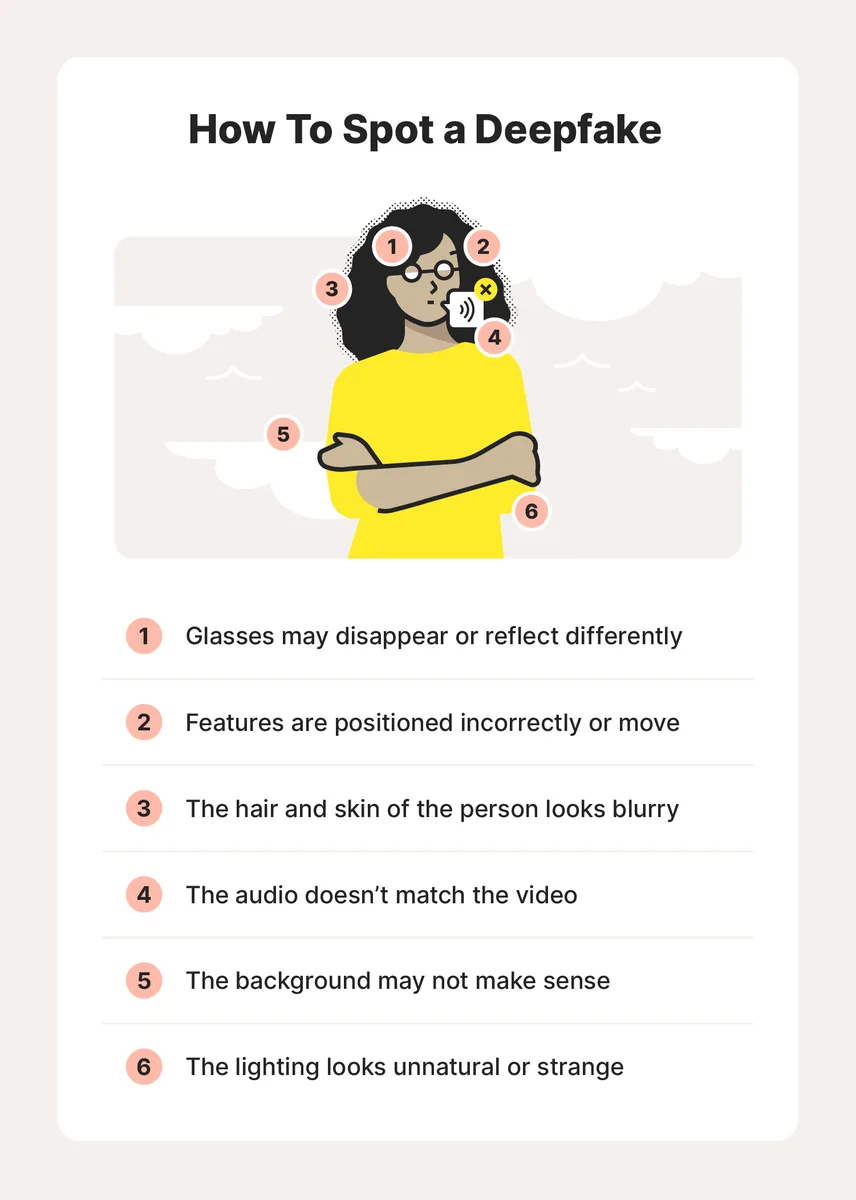
The EU's AI Act, the world's first comprehensive legal framework for AI, directly addresses deepfakes by demanding clear labels for AI-generated fake content. This aims to help users distinguish real from manipulated media and combat the spread of deceptive content. (Source: us.norton.com)
The European Media Freedom Act (EMFA) was also agreed in December 2023. Many believed the DSA would handle most media concerns. But the EMFA specifically protects media diversity and independence. It prevents governments from interfering in editorial decisions. It also protects journalists’ sources. It demands transparency in media ownership and state advertising. This shows the EU sees media as special, needing specific protections beyond general platform rules. The European Parliament strongly backed these press freedom guarantees.
This varied approach shows a deep understanding of the digital world. It’s not just about content or market power. It’s also about the tech behind it (AI) and the core role of independent media. This whole strategy is more complex than initial expectations of simple privacy rules.
What’s next: a global model?
The EU now has the world’s most advanced digital rules. The digital economy significantly contributes to the EU’s GDP. This gives the EU considerable influence. Many now talk about the “Brussels Effect.” This means companies worldwide change their practices to meet EU standards, no matter where they operate. It’s easier to have one global standard than many local ones.
The next few years will really test these rules. We’ll see how well the Commission enforces them. We’ll watch how fast courts handle tech companies’ legal challenges. The EU also needs to adapt these laws to fast-changing tech. New AI abilities emerge constantly. Keeping the rules relevant will be ongoing work.
Other regions, like the US and UK, are watching the EU’s experiment closely. Some may adopt similar approaches. Others might take their own different paths. One thing is clear: the internet’s Wild West days are over, at least in Europe. The EU has set a clear standard. It wants a digital future that puts user safety, market fairness, and democratic values first. This big project isn’t finished, but its groundwork is solid.
FAQ
Q: What is the difference between the DSA and the DMA? A: The DSA focuses on content moderation and user safety. It makes platforms more accountable for illegal content and transparency. The DMA targets “gatekeeper” platforms. It aims to ensure fair competition and stop anti-competitive practices in digital markets.
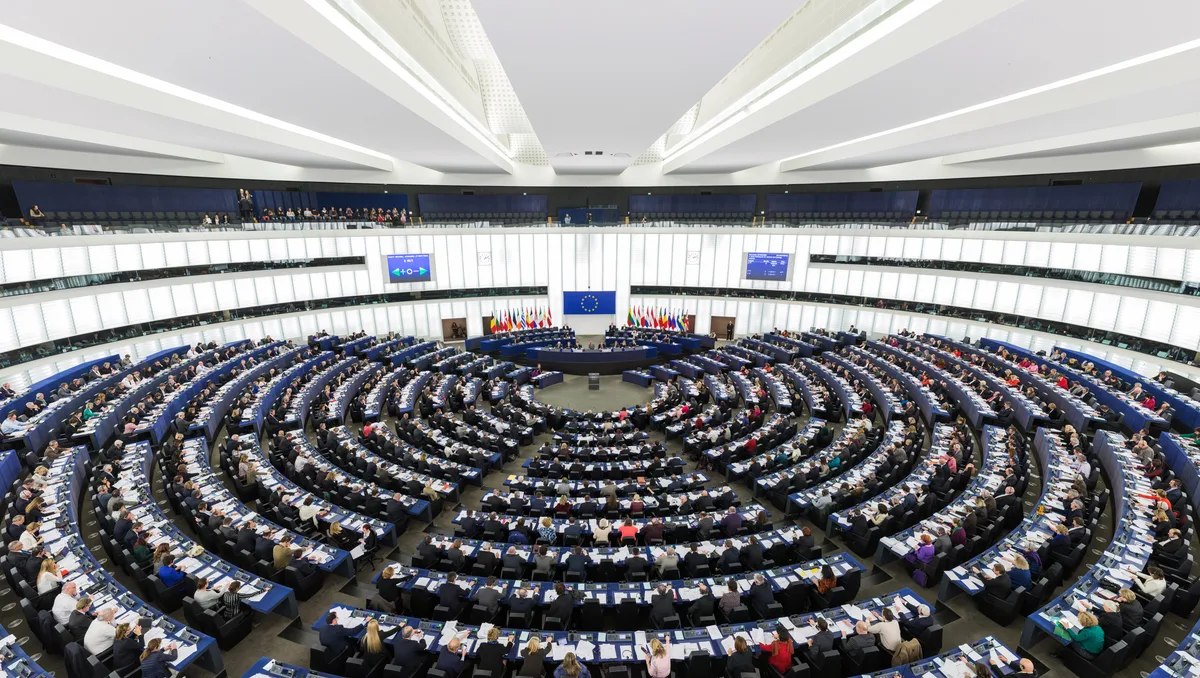
The European Parliament, often meeting in Strasbourg or Brussels, strongly backed the European Media Freedom Act (EMFA) in December 2023. This legislative body plays a crucial role in shaping the EU's digital regulations, ensuring democratic oversight and protecting fundamental rights. (Diliff, CC BY-SA 3.0)
Q: What is the “Brussels Effect”? A: The “Brussels Effect” describes how EU rules often become global standards. Companies operating worldwide find it easier to follow the EU’s full rules everywhere. It’s simpler than making separate standards for each region.
Q: How does the AI Act relate to digital media? A: The AI Act regulates how AI systems are built and used. For digital media, this means rules for AI-generated content transparency (like deepfakes). It also means reducing algorithmic bias in content recommendations. And it bans some high-risk AI applications.
Q: Are EU digital regulations fully implemented now? A: The DSA fully applied to all platforms on February 17, 2024. The DMA’s main rules started earlier. But enforcement is an ongoing process. The AI Act and the European Media Freedom Act are still early in their rollout. Different parts will apply over time.

The EU AI Act, the world's first comprehensive law on artificial intelligence, was formally adopted in March 2024. This landmark legislation aims to ensure AI systems are safe, transparent, and non-discriminatory, setting a global precedent for AI regulation. (AI-generated illustration)
You might also like:
👉 Zuckerberg’s 2021 Meta: Why Your Virtual Self Isn’t Free