
Food Safety Act: What Invisible Chemicals Are You Eating?
Beyond calories, allergens, and *Salmonella*, a hidden world of substances lurks in our food. A new disclosure act aims to reveal these chemicals.
What’s Really in Your Food? Why Chemical Disclosure Matters
You check for calories, for allergens, for Salmonella. You scan nutrition labels, counting every gram of sugar. But what about the chemicals you can’t see? A hidden world of substances lurks in our food system. This reality is why a food safety and chemical disclosure act is gaining steam. It’s time to rethink what’s on our plates.
Think of food safety like building a house. Homeowners focus on the visible parts: walls, roof, appliances. But chemical safety means knowing every material in the foundation, plumbing, wiring, and even the paint. You don’t see these parts, but they ensure the structure’s long-term health. A chemical disclosure act would be a new building code. It would demand transparency for all materials in our food system, seen or unseen.
The hidden chemicals in your food
Most people assume food is safe if it lacks obvious contaminants. They miss a huge problem: food contact materials. These substances touch food during processing, packaging, and storage. Think plastics, coatings, adhesives, and inks. Chemicals from these materials can “leach” into your food in small amounts. Dr. Maricel Maffini, a senior scientist at the Environmental Defense Fund, points out a key issue. “Many chemicals used in food contact materials were approved decades ago,” she says. This happened before we truly understood their health effects.
Take bisphenol A (BPA). It was common in plastic containers and can linings. Studies connect BPA to hormonal disruption. The Food and Drug Administration (FDA) banned BPA from baby bottles and sippy cups in 2012. It still appears in other food packaging. Phthalates are another chemical group. Manufacturers use them to make plastics flexible. Research from the University of Michigan School of Public Health in 2021 found these chemicals cause harm. They link them to reproductive problems and developmental issues in children.
We’re not talking about ingredients added on purpose. These are chemicals that are byproducts or migrate from manufacturing. The “food safety and chemical disclosure act” wants to expose these substances. It goes beyond ingredient lists. It reveals the full chemical impact on our food. Right now, you have almost no way to know about these exposures.
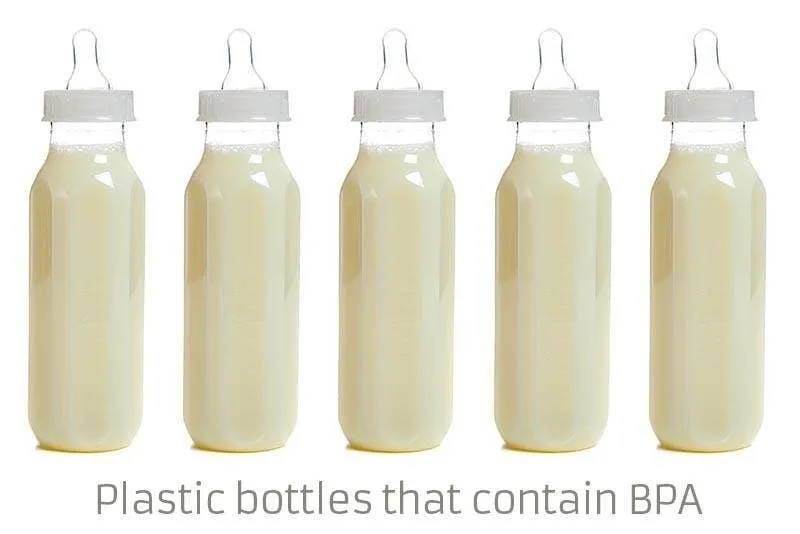
Bisphenol A (BPA), a chemical once widely used in plastic baby bottles and can linings, was banned by the FDA from baby bottles and sippy cups in 2012 due to concerns about its health effects. It serves as a prime example of the 'hidden chemicals' a new disclosure act seeks to expose in our food system. (Source: tricorbraun.com)
The current rules are broken
The Food and Drug Administration (FDA) handles food safety in the U.S. This covers food additives and food contact materials. The Federal Food, Drug, and Cosmetic Act (FFDCA), passed in 1938, sets the main rules. Under this act, any substance added directly to food needs FDA approval before it hits the market. This process is supposed to ensure its safety.
The FFDCA has a huge loophole. It’s called the Generally Recognized As Safe (GRAS) exemption. This lets substances skip FDA review before market. Manufacturers can declare a substance GRAS if “qualified experts” generally agree it’s safe. They base this on scientific procedures or common use before 1958. A 2015 Government Accountability Office (GAO) report found hundreds of GRAS decisions came from companies themselves, often without telling the FDA. This system has zero independent oversight.
The FDA also reviews indirect food additives. These chemicals migrate from food contact materials. The sheer number of chemicals makes full oversight tough. Many older chemicals got approval under weaker rules. The system largely trusts manufacturers to provide safety data. This sets up a clear conflict of interest. Consumer groups, like the Environmental Working Group (EWG), have long pointed out these gaps. They want a more open and aggressive approach to chemical safety.
States lead the fight for disclosure
States often drive the push for chemical transparency. California’s Proposition 65, formally the Safe Drinking Water and Toxic Enforcement Act of 1986, is a perfect example. This law makes businesses warn consumers about significant chemical exposures. These chemicals are known to cause cancer, birth defects, or other reproductive harm. Prop 65 lists over 900 chemicals. This includes substances in food packaging or even those naturally in food.
Prop 65 changed how companies act. It pushed them to reformulate products and avoid warning labels. It is not a full “chemical disclosure act” for all food chemicals. Still, it set a standard. It proved transparency makes a difference. “Prop 65 has been key in reducing exposure to many toxic chemicals,” says Sam Delson. He’s a spokesperson for the California Office of Environmental Health Hazard Assessment. Its reach goes past California. Companies often change products for the entire U.S. market.
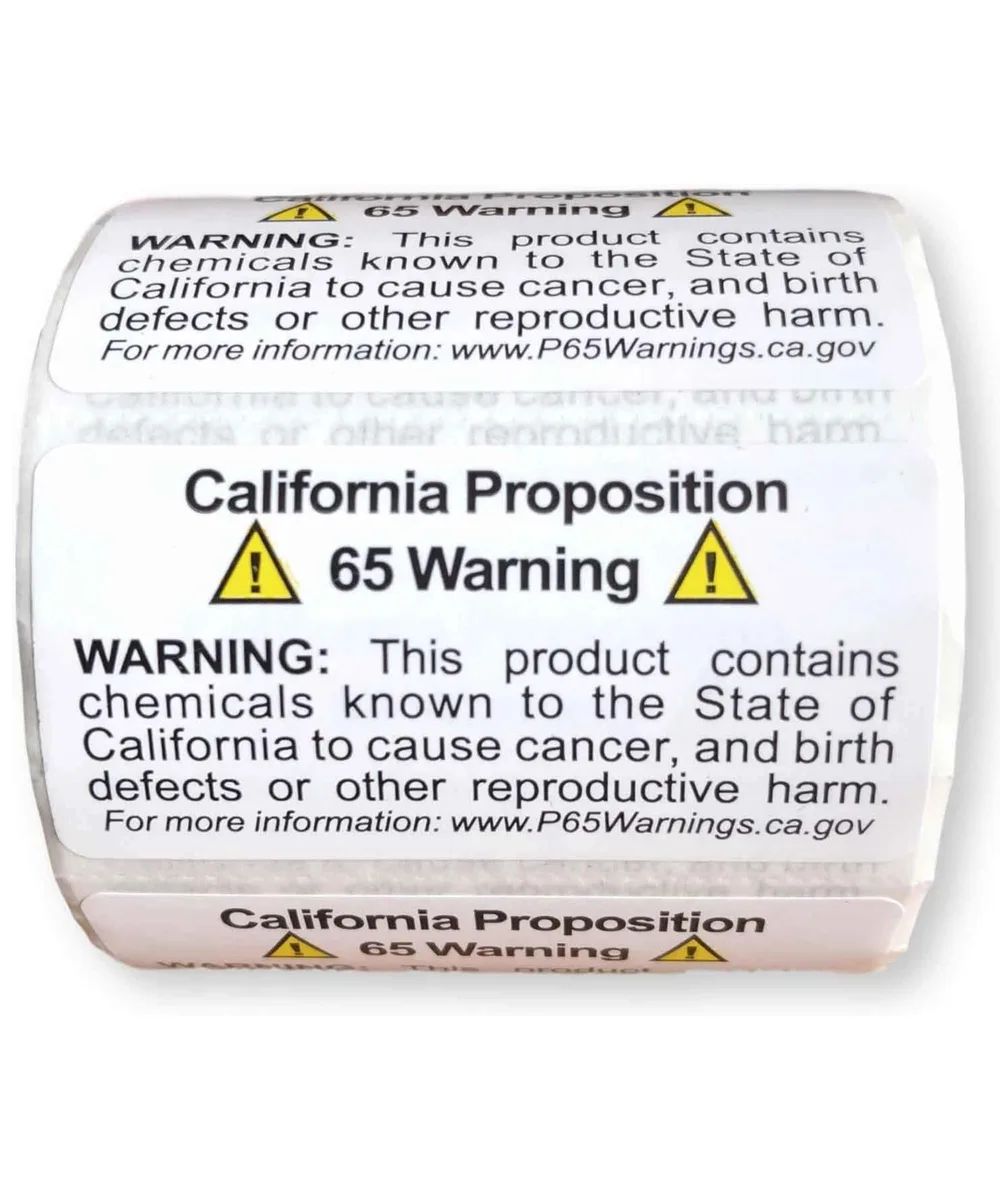
A common sight in California, Proposition 65 warning labels alert consumers to potential chemical exposures in products or environments. This landmark 1986 law has driven companies to reformulate goods to avoid these warnings, impacting products sold nationwide. (Source: amazon.com)
Newer efforts target specific bad chemicals. In 2021, Maine banned PFAS from food packaging by 2030. These “forever chemicals” resist grease and water. You find them in fast-food wrappers and microwave popcorn bags. PFAS chemicals link to serious health issues, like cancer and immune system problems. These state bans and disclosure rules are starting points. They pave the way for a bigger federal plan for chemical disclosure in food.
The bigger picture: What disclosure means
A full chemical disclosure act would cover more than just packaging. It would include the whole supply chain. This means chemicals in farming, processing aids, and even equipment cleaners. Some pesticides, for example, leave residues on produce. The EPA regulates these. Disclosure would give you more exact data. This lets you make better choices. The Center for Food Safety, a national non-profit, pushes for this “farm to fork” transparency. They stress we need to know about every chemical used.
This act would challenge manufacturers. They’d need to track and reveal chemicals they now keep secret. This includes specific formulas for glues, inks, and processing aids. Companies worry about losing their edge by showing trade secrets. Advocates, however, say public health matters more than secret formulas. “Consumers have a right to know what chemicals are present in their food,” says Kimberly Warner, a senior scientist at Consumer Reports. Her organization has tested many chemicals in food packaging.
The act would also demand new testing and reporting systems. Small businesses might find compliance expensive. The long-term gains are huge. It would push for safer alternatives. It would give consumers powerful, new information. This changes things from a “don’t ask, don’t tell” system to one where transparency is expected.
A more transparent plate
The push for a food safety and chemical disclosure act marks a big change in consumer advocacy. It understands that food safety isn’t just about visible germs or listed ingredients. It includes the hidden chemicals in our modern food. This isn’t about scaring anyone. It’s about making smart choices.
Kimberly Warner, a senior scientist at Consumer Reports, is a leading voice in the push for greater chemical transparency, stating that "Consumers have a right to know what chemicals are present in their food." Her organization has conducted extensive testing on chemicals found in food packaging. (AI-generated illustration)
This act would push manufacturers to find and use safer chemicals. It would also spur more research into how food contact materials affect our health. We’d get a food system where transparency is standard. You could choose products based on their full chemical makeup, not just taste or price. This future means a better informed public and, hopefully, healthier meals for all of us.
FAQ
Q1: What’s the main difference between ingredient labels and chemical disclosure? A1: Ingredient labels list intentional additions, like sugar or salt. Chemical disclosure reveals non-ingredient chemicals. These migrate from packaging, processing, or are byproducts.
Q2: Does a chemical disclosure act apply to organic foods? A2: Organic certification focuses on agricultural practices and ingredient sourcing, restricting synthetic pesticides and GMOs. A chemical disclosure act would apply to all foods, including organic ones. It would cover chemicals from processing, packaging, and contact materials.
Q3: Who benefits most from chemical disclosure? A3: Consumers benefit most. They get more information to make smart choices about their food and chemical exposures. Public health also benefits from reduced exposure to harmful substances. The act could also drive innovation in safer food production.
Q4: Is there currently a federal “Food Safety and Chemical Disclosure Act” in the U.S.? A4: No, no single federal act covers all chemical disclosure in food. Efforts are often piecemeal, happening at state levels or through specific federal agency rules. Advocacy groups keep pushing for broader federal laws.

Food contact materials, including plastic containers, metal cans, and food wraps, are a primary source of non-ingredient chemicals that can migrate into our food. A chemical disclosure act aims to reveal these substances, offering consumers greater transparency about what's in their meals. (Source: stock.adobe.com)
You might also like:
👉 Why 1/3 of Food Waste Won’t Feed 735 Million Hungry People