Global Citizen 2015: UNESCO's Vision for a Connected World
The concept of global citizenship gained traction in 2015 with UNESCO's GCED program. Learn how SDG 4.7 empowers students globally.
Being a Global Citizen: What It Really Means
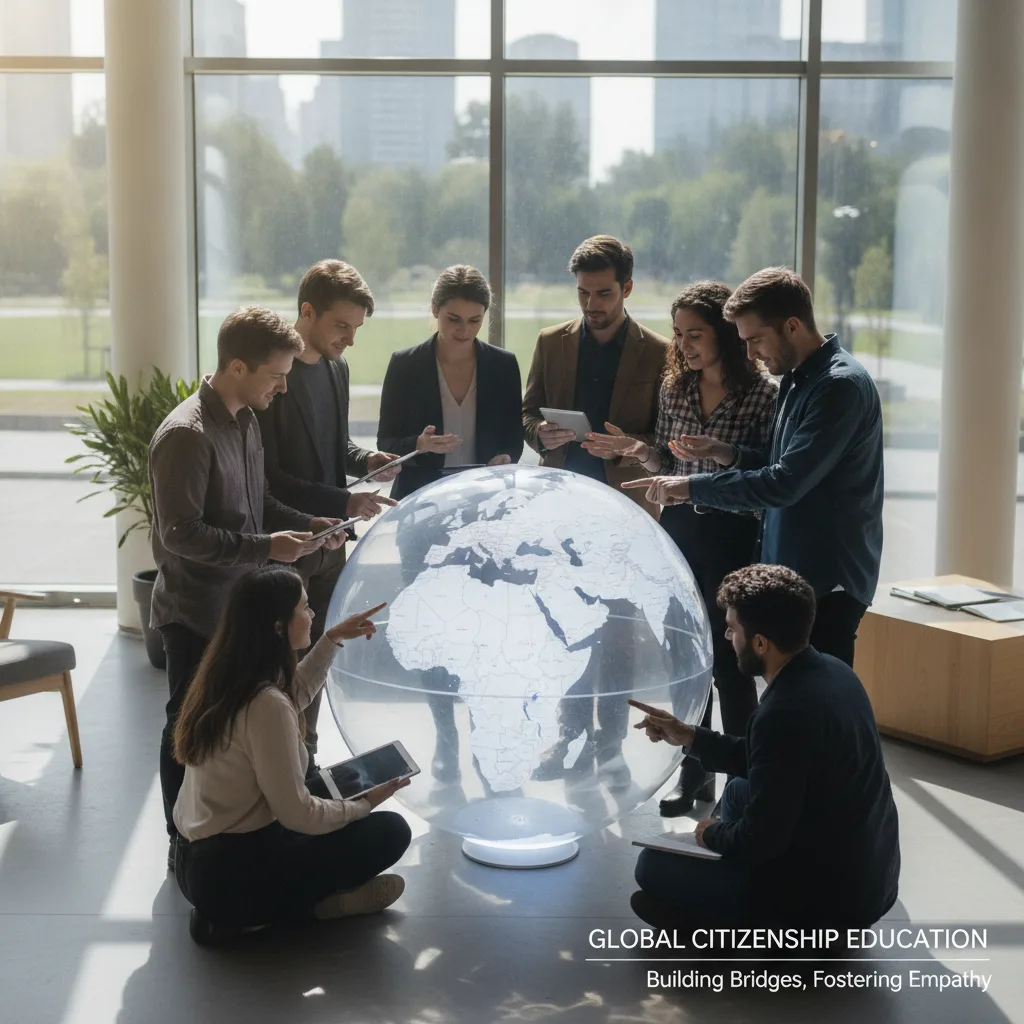
What does it mean to be a citizen of the world? It’s more than just a catchy phrase. The idea of global citizenship truly took hold in 2015. That year, UNESCO launched its Global Citizenship Education (GCED) program. This worldwide effort aimed to empower students. It wanted them to tackle global challenges.
The UN’s Sustainable Development Goal 4.7 also champions this idea. It wants all students to gain knowledge and skills for sustainable development. Global citizenship is a core part of this. It shows a practical way forward.
Where the idea came from
Ancient Greek philosophers first thought about cosmopolitanism. Diogenes of Sinope, in the 4th century BCE, called himself a “citizen of the world.” This early idea stressed that all humans belong together. It went beyond local loyalties. This old philosophy still shapes how we talk about things today.
Today, global citizenship is a mindset. It means understanding global issues. It also means knowing your place in a bigger community. This community reaches beyond your country’s borders. It builds empathy and responsibility.
Oxfam, a group of charities, defines a global citizen simply: someone aware of the wider world. They respect diversity. They understand how things work. They also feel outrage at social injustice.
Oxfam’s idea goes further than just awareness. Global citizens get involved. They work for a fairer, more sustainable world. They take responsibility for what they do.
Philosopher Martha Nussbaum pushed for a modern global view. In her 1994 essay, “Patriotism and Cosmopolitanism,” she argued we should first be loyal to all humanity. She suggested civic education could build this global perspective.
How to become one
Becoming a global citizen takes specific actions and a change in how you see things. Education is essential. UNESCO’s GCED programs, for instance, build global awareness. They teach you to think critically about international issues.
Travel and exchange programs offer direct experience. AFS Intercultural Programs, started in 1947, runs these trips. More than 12,000 students go each year. They live with host families and attend local schools.
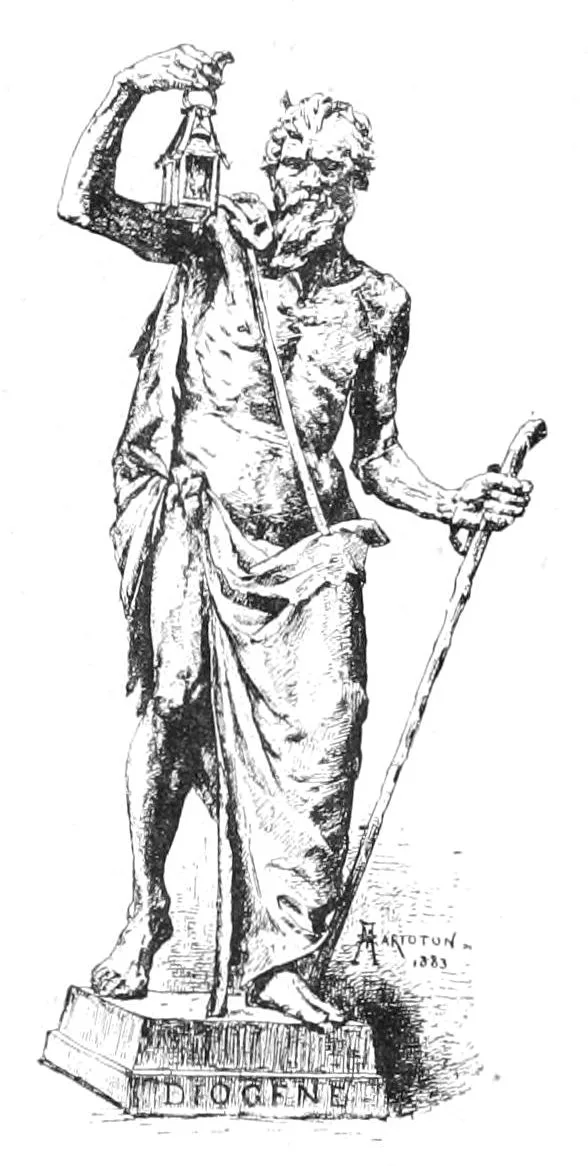
Diogenes of Sinope, a 4th-century BCE Greek philosopher, was one of the first to declare himself a 'citizen of the world,' laying the philosophical groundwork for modern cosmopolitanism. He was famously known for his unconventional lifestyle, often living in a large ceramic jar.
Volunteering with international groups gets you directly involved. The UN Volunteers (UNV) program sends over 12,000 people to 160 countries annually. They work on peace and development. This builds cross-cultural understanding.
Learning new languages also broadens your view. The British Council reported in 2019 on the UK’s lack of language skills, noting the economic benefits of knowing other tongues. Learning a language helps you engage with a culture. It connects different communities.
Digital tools also make global involvement easier. Online platforms help people work together across borders. You can join global discussions. You can support international causes. This removes geographic barriers.
The tough questions
Global citizenship isn’t without its critics. Some say it’s an elitist idea. It often needs money for travel or education. This leaves many people out.
Kwame Anthony Appiah, a political philosopher, looked at the practical limits of global thinking. In his 2006 book, “Cosmopolitanism: Ethics in a World of Strangers,” he admitted local loyalties matter. He argued that caring about everyone doesn’t erase your national identity. He called this “rooted cosmopolitanism.”
Critics also wonder how global citizenship affects national power. Governments hold legal authority. International law usually respects national rules. This creates tension. Can a global identity truly live alongside national laws?
Economic differences pose another problem. Richer nations give more to global groups. Their citizens often travel more freely. This imbalance can distort global interests. It creates power gaps.
Cultural differences also make things tricky. Universal values are hard to define. What one culture sees as ethical globally, another might disagree with. This makes it tough to agree on common global principles.
Who’s making it happen
Many schools around the world now teach global citizenship. Universities have special programs. Columbia University’s Institute for Global Leadership, for instance, focuses on international affairs. It gets students ready for global careers.
The Council of Europe actively pushes for dialogue between cultures. Its 2008 White Paper on Intercultural Dialogue laid out important ideas. It stressed mutual understanding and respect. These are central to global citizenship.
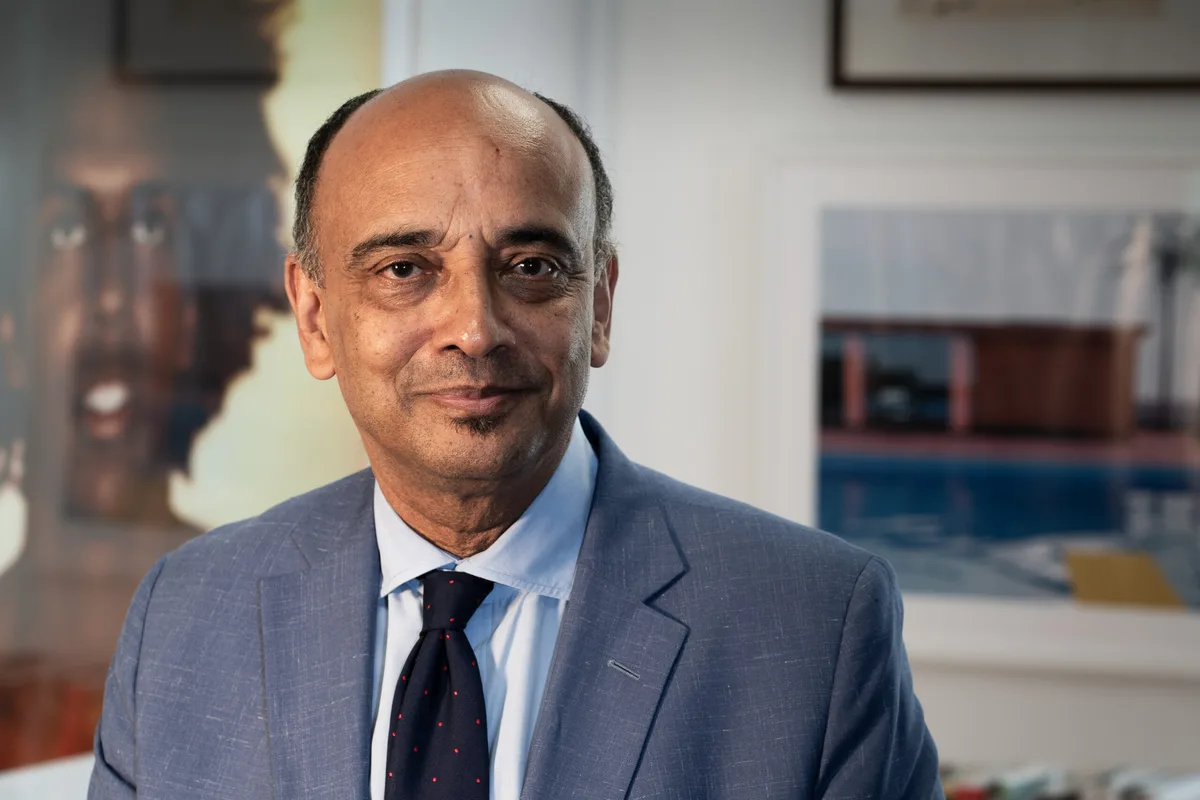
Kwame Anthony Appiah, a Ghanaian-British philosopher, is a leading voice on cosmopolitanism. In his 2006 book, "Cosmopolitanism: Ethics in a World of Strangers," he introduced the concept of "rooted cosmopolitanism," arguing that global loyalties can coexist with national identity. (Source: pen.org)
Non-governmental organizations (NGOs) also help make this happen. Amnesty International, for example, fights for human rights worldwide. Their work shows what cross-border advocacy looks like. They get people moving for justice everywhere.
The European Union funds Erasmus+ programs. These help students and staff move around. They also back international cooperation projects. These efforts build European and global understanding. Over 10 million people have joined since 1987.
The World Economic Forum (WEF) always highlights global issues. Its yearly Davos meeting gathers world leaders. They talk about global leadership and working together. This shows how much we need global thinking.
Where we’re headed
Becoming a global citizen is an ongoing journey. More global crises show how important it is. Climate change, pandemics, and money troubles all need everyone to act together. No country can fix these alone.
Digital tools will keep changing what global identity means. Online communities go beyond physical borders. They let information spread fast. This helps people act together worldwide.
Future generations might embrace more flexible identities. They’ll balance national belonging with global responsibility. Education will be essential here. It needs to get people ready for an interconnected world.
The COVID-19 pandemic showed how much the world relies on itself. A virus from one region hit every country. This shared experience highlighted how human health connects us all. It demanded global scientific teamwork.
Global citizenship will keep changing. It will adapt to new tech and global challenges. But its real impact will always come down to two things: individual commitment and institutional support. It’s a journey, not a destination, and we’re all on it together.
FAQ: Global Citizenship
What is the core idea behind global citizenship? It’s about knowing your responsibility to a global community. It means understanding how we’re all connected. It pushes you to act on worldwide issues.
Does becoming a global citizen mean abandoning national identity? No, it doesn’t. People like Kwame Anthony Appiah talk about “rooted cosmopolitanism.” This means you keep your national or local loyalties. You also build a sense of global responsibility.
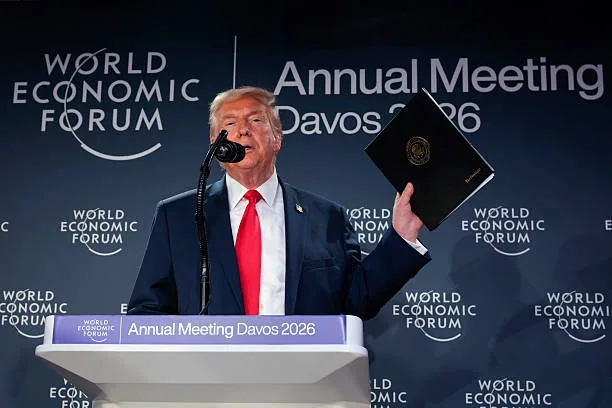
The World Economic Forum's annual meeting in Davos, Switzerland, gathers world leaders, business executives, and civil society representatives to discuss pressing global issues, embodying the spirit of international cooperation and global thinking. (Source: gettyimages.com)
How can education build global citizenship? Education can build it by teaching global issues. It helps you think critically. It also encourages empathy for different cultures. UNESCO’s GCED framework is a great example.
Is global citizenship only for privileged individuals? Critics say resources often help global involvement. But digital tools increasingly break down barriers. Anyone can learn about global issues. Many can join online advocacy.
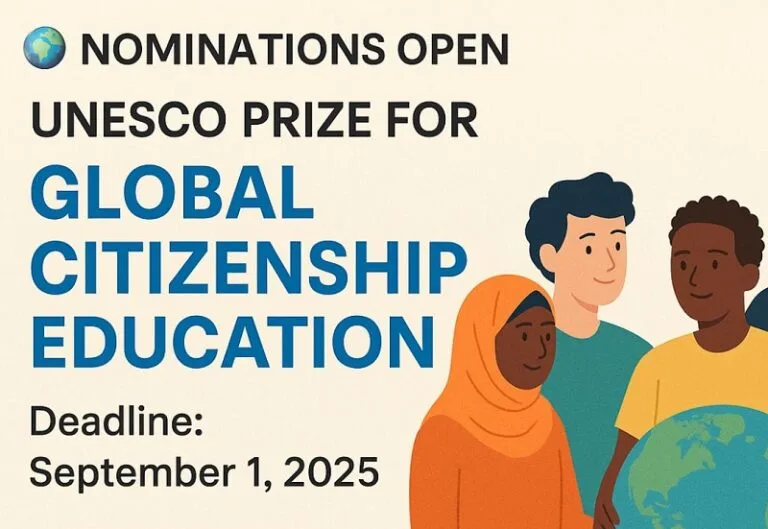
UNESCO's Global Citizenship Education (GCED) framework aims to empower learners to engage and assume active roles, both locally and globally, to face and resolve global challenges and to become proactive contributors to a more peaceful, tolerant, inclusive, and secure world. (Source: opportunitydesk.org)
You might also like:
👉 VR in Education: Revolutionizing Learning & Classrooms
👉 Why 1/3 of Food Waste Won’t Feed 735 Million Hungry People