
Marvel & Star Wars: Are Their Billions a Box Office Lie?
Marvel and Star Wars rake in billions at the box office, but raw ticket sales tell only part of the story. Discover the true measure of success.
The Box Office Lie: What Really Makes a Movie Franchise Successful
What’s the most successful movie franchise? Marvel and Star Wars usually come to mind. They rake in billions at the box office, topping every list. It looks like a simple answer. But the numbers show a much trickier truth. Raw ticket sales, though huge, tell only part of the story. That’s like judging a company just by its income, ignoring all its bills.
The misleading crown: Box office totals don’t tell the whole story
A movie franchise is a series of films sharing characters, worlds, or storylines. Think of it as an ongoing story universe. This lets studios build loyal audiences and a built-in fanbase for sequels.
People often measure success by box office numbers. The Marvel Cinematic Universe (MCU) leads in worldwide gross. It hit over $29.8 billion across 33 films by early 2024, Box Office Mojo reports. Star Wars isn’t far behind, with over $10.3 billion from 12 films. These numbers are huge.
But these gross numbers only show ticket sales. They don’t include the huge investments studios make. Focusing just on gross revenue hides the real financial wins. It also ignores the hidden costs.
Hidden costs: Production, marketing, and the profit problem
Avengers: Endgame reportedly cost over $356 million to make in 2019. Forbes reported this figure. That’s just production. Studios also pour hundreds of millions more into global marketing and distribution.
Making a film is incredibly expensive. Big blockbusters often cost over $200 million. They also require another $100-$200 million for promotions. Variety reported in 2023 that studio distribution fees can take 30-50% of ticket sales. Theaters keep another big chunk.
True film profits reveal a key insight. A film that grosses $1 billion might only bring the studio $300-$500 million. This is after all cuts and expenses. A franchise with less gross but smaller budgets could earn much more profit. We measure this profit by its return on investment (ROI).
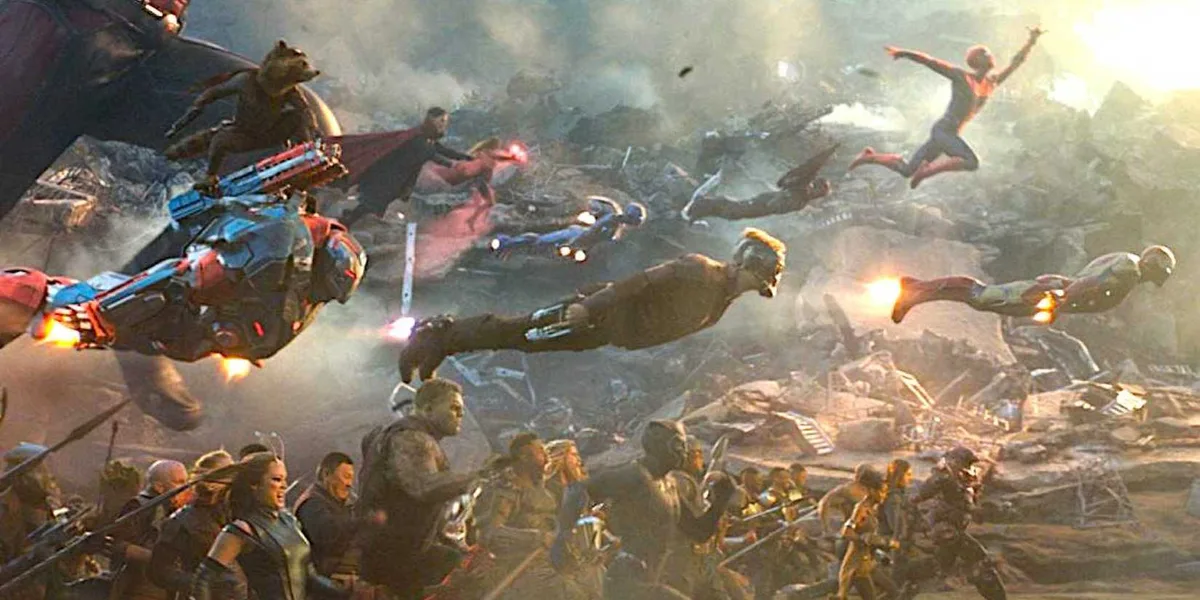
Released in 2019, *Avengers: Endgame* reportedly cost over $356 million to produce, a figure that highlights the immense financial investment in blockbuster franchises and complicates the simple narrative of box office success. (Source: collider.com)
Look at the Paranormal Activity series. The first film, out in 2007, cost just $15,000 to make. It grossed over $193 million worldwide, The Numbers reports. That’s an astronomical ROI. Its total gross doesn’t touch Marvel’s. But its profit margins per film were revolutionary. It completely changed how studios saw low-budget horror.
Beyond the screen: Merchandise, theme parks, and cultural impact
Real franchise success goes way past the movie screen. It uses a vast network of related products and experiences. This is where the real long-term value sits. Disney’s Consumer Products division, for instance, made $1.7 billion in Q1 2024 alone. This was mostly from its big franchises.
Star Wars shows this broader strategy perfectly. Its merchandise empire — toys, video games, collectibles — started decades ago. Hasbro, a main partner, has sold billions in Star Wars toys since 1977. This created an early model for diverse income streams. These streams make the initial box office money look tiny.
The Marvel Cinematic Universe used this model perfectly. Its success isn’t just about ticket sales. The films drive Disney+ subscriptions. They also sell more themed merchandise. They even lead to multi-billion dollar theme park attractions at Disney resorts worldwide. A 2023 financial analysis by The Walt Disney Company showed this connection. It proved how films power every part of their business.
Pokémon is another great example. It’s mostly a video game and anime franchise. However, its movies are part of a huge multimedia machine. Statista data shows the Pokémon franchise has made over $120 billion in total revenue. That makes it the highest-grossing media franchise ever. Film box office is a tiny piece of that pie. Its real success comes from games, trading cards, merchandise, and animation.
The unsung winners: Longevity, consistency, and the long tail
Some franchises succeed not with explosive, record-breaking hits. They do it through steady endurance and consistent performance for decades. These are the quiet giants. They often get missed in “highest grossing” talks.

The Star Wars merchandise empire, featuring iconic toys like these early Kenner action figures, began decades ago in 1977. This pioneering strategy established an early model for diverse income streams, proving that real franchise success extends far beyond the box office. (Source: nostalgictoys.co.uk)
The James Bond film series started in 1962 with Dr. No. Guinness World Records calls it the longest-running film franchise. With 25 official films, it has made over $7.8 billion worldwide. That’s good money, but nowhere near the MCU’s totals. Still, Bond films are always profitable. They often make back their budgets and marketing costs, then make good money.
The Bond franchise also created many other media. These include video games, novels, and luxury brand partnerships. Its cultural impact is huge. Bond has shaped fashion, music, and spy stories for generations. This deep cultural mark means it stays relevant and valuable. It is not just for opening weekend ticket sales.
Godzilla is another example. The creature first appeared in 1954. It has starred in over 30 Japanese films and several American blockbusters. The franchise changed with movie tastes for nearly 70 years. It always finds new audiences. This long life shows a deep connection with viewers. It often lasts longer and makes more money than flashier, shorter-lived franchises. People often overlook this long-tail success.
The changing definition of success: Streaming, IP, and the future
What makes a “successful franchise” keeps changing. Streaming platforms have dramatically changed things. Netflix reported 270 million global subscribers in Q1 2024. This shows the growing power of intellectual property (IP) in the digital age. Studios now see films as key parts of a bigger content plan. They are not just standalone products.
Owning valuable IP lets studios make films. They can then move characters and stories to exclusive streaming series. Or they can launch interactive experiences. This strategy locks in subscribers and builds entire entertainment worlds. Disney, Warner Bros. Discovery, and Universal all pour money into this model. They aim to get the most value from their film franchises on every platform.
Future success won’t just mean big box office numbers. We’ll measure it by how well a franchise connects across many platforms. We’ll also measure how much steady money it makes across different channels. This includes movies, streaming subscriptions, products, and gaming. Tomorrow’s “most successful” franchise might rarely top the box office. Instead, it might be the one that makes the most consistent, varied, and profitable connections across its entire world. It’s about building lasting worlds, not just hit movies.
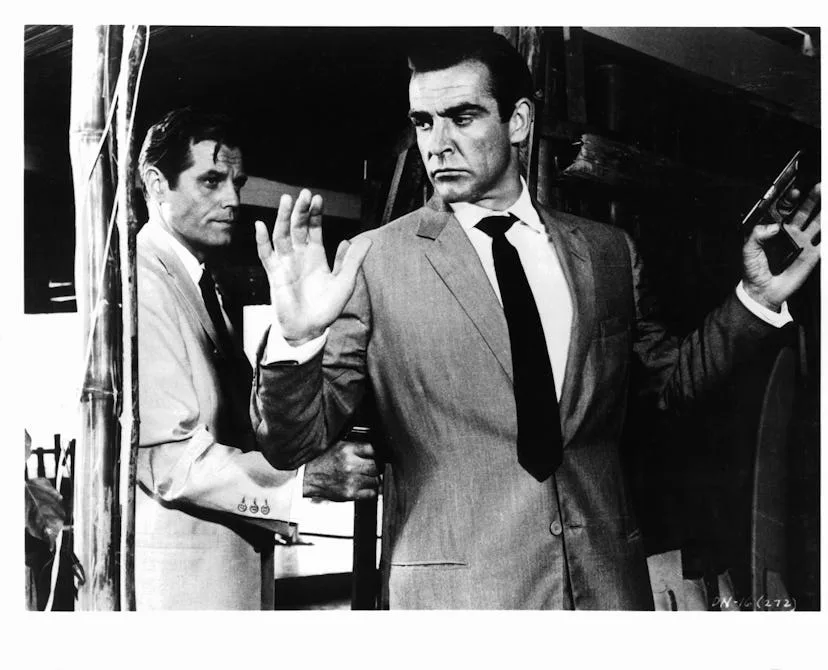
Sean Connery originated the iconic role of James Bond in the 1962 film *Dr. No*, marking the beginning of what Guinness World Records recognizes as the longest-running film franchise in history. (Source: fatherly.com)
FAQ
What’s the highest-grossing movie franchise by total box office? The Marvel Cinematic Universe (MCU) holds the top spot. It has made over $29.8 billion worldwide across its films. This figure includes all movies released up to early 2024.
Why isn’t box office gross the only way to measure success? Box office gross doesn’t include production costs, marketing, or distribution fees. A film might make billions but still earn less profit than a smaller, less flashy movie. Real profitability and return on investment are what matter.
How do movie franchises make money beyond ticket sales? Franchises make big money from merchandise, video games, theme park rides, and licensing deals. Streaming rights and TV spin-offs also add a lot to their financial success and cultural impact.
Which franchise shows great longevity and consistent performance? The James Bond series is a great example. It began in 1962. It has stayed culturally relevant and consistently profitable for over six decades. This long life often points to deeper success than quick box office hits.

The Guardians of the Galaxy – Mission: BREAKOUT! ride at Disney California Adventure exemplifies how successful movie franchises like the MCU generate substantial revenue and cultural impact beyond ticket sales through immersive theme park experiences. (Source: disneytouristblog.com)
You might also like:
👉 UAE Drones: The 2022 Ban’s Hidden Truth Revealed
👉 US-China: $664B Trade Masks Zero-Sum Global Power Struggle
👉 Todd Golden Analytics: Reshaping College Basketball Strategy