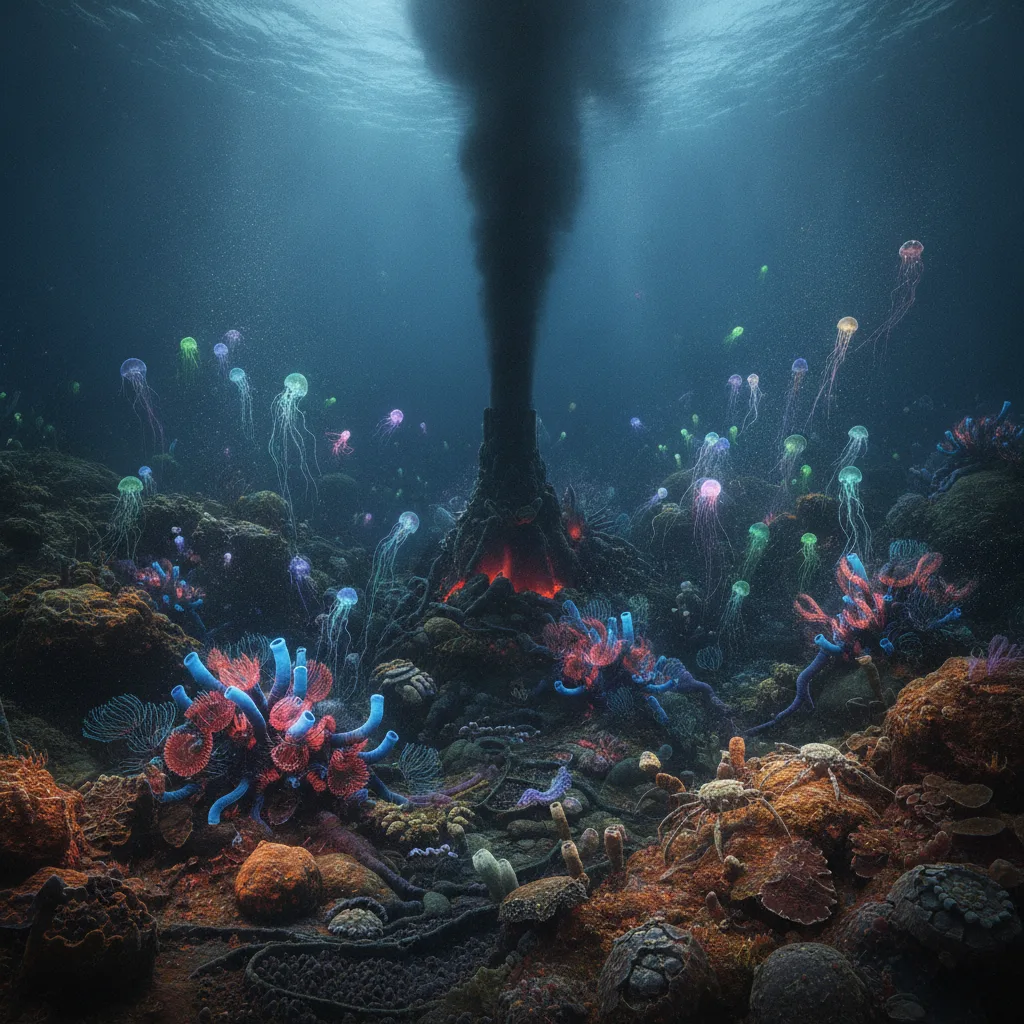
65% of Earth: Deep Ocean Needs More Than MPAs
The deep ocean, covering 65% of Earth's surface, faces unseen threats. Traditional marine protected areas are proving insufficient.
The deep ocean needs more than lines on a map
The idea of marine protected areas seems simple. We draw a line on a map. We ban fishing. Then, the ecosystem bounces back. It’s a nice thought.
But my view changed when I looked at the deep sea. The deep ocean sits below 200 meters. It covers 65% of Earth’s surface. It is huge, cold, and mostly unseen. I first thought its distance kept it safe.
My research proved that wrong. Many “protected” deep-sea areas are not safe at all. Their vastness, extreme conditions, and modern threats need a much stronger approach. Simply declaring an area off-limits is not enough.
Scientists and conservationists agree. Real deep-sea conservation needs “active protection.” This means more than just drawing lines. It involves direct action, better monitoring, and even repairing damaged areas.
This change in thinking surprised me. It shows we cannot just ignore the deep. It is not some far-off wilderness. We need to actively care for it.
The lie of “protected” deep waters
In 2010, the Convention on Biological Diversity set a goal. It aimed to protect 10% of marine areas by 2020. This led to many new marine protected areas. Many included huge parts of the deep sea.
These designations often gave a false sense of security. People once thought the deep sea was safe from humans. Now it faces many serious threats. Bottom trawling, for instance, can destroy deep-sea coral forests and sponge fields. Dr. Andrew Thurber, a deep-sea ecologist at Oregon State University, points out that some deep-sea corals grow just millimeters each year. Damage can take centuries to heal, if it ever does.
I learned that “paper parks” are a big problem. An MPA might be on a map. But without enforcement or monitoring, it does little good. A 2018 study in Nature Communications showed fishing continued in 59% of existing no-take MPAs. This shows a widespread issue.
The deep ocean is so remote that traditional enforcement is very hard. Patrol boats cannot easily watch huge areas thousands of meters down. This leaves “protected” zones open to illegal acts. My early hope for MPAs quickly faded.
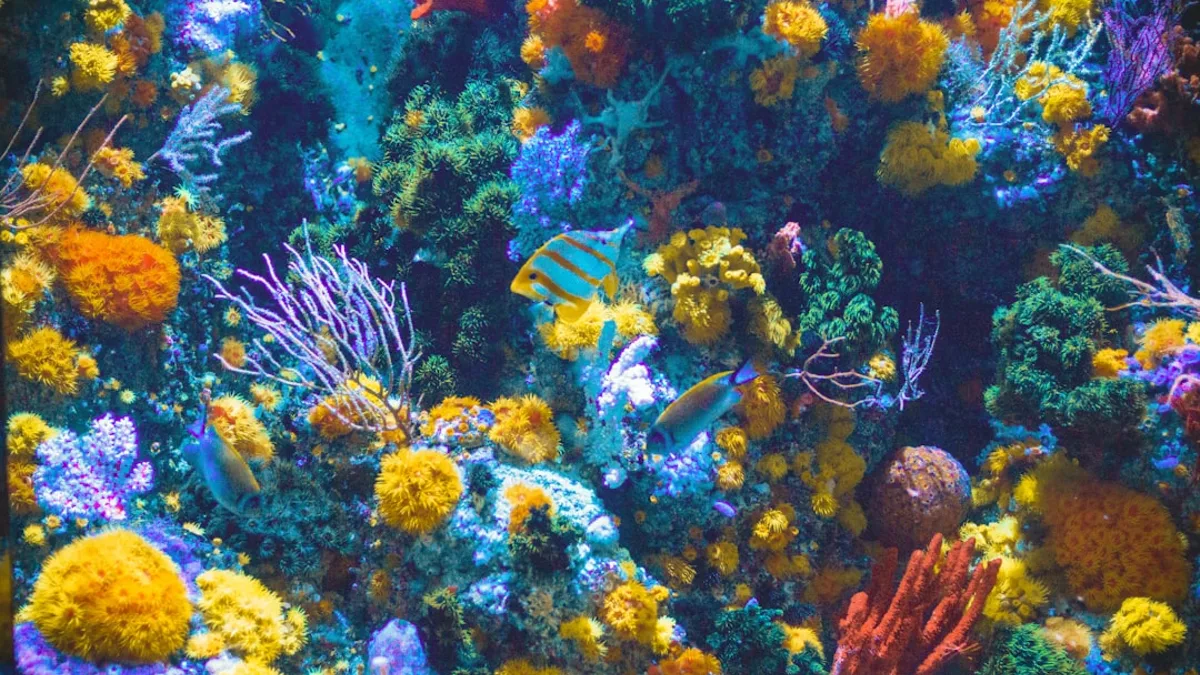
Deep-sea coral forests, like this vibrant example, are incredibly fragile ecosystems. Some species grow only millimeters per year, meaning damage from activities like bottom trawling can take centuries to heal, if ever. (Photo: Shaun Low / Unsplash)
Some threats also ignore boundaries. Ocean warming, acidification, and deoxygenation affect the whole global ocean. They do not care about lines on a map. These changes are already reshaping deep-sea ecosystems.
Active protection: what it really means
Active protection means taking direct, measurable steps to protect deep-sea environments. It is a shift from simply blocking off areas to direct involvement. This idea became clear when I looked at what top research groups do.
The Monterey Bay Aquarium Research Institute (MBARI) offers a great example. Their remotely operated vehicles (ROVs), like Doc Ricketts and Ventana, do regular surveys. These ROVs do not just watch. They collect samples and even pull up ghost fishing gear. In 2021, MBARI scientists used an ROV to remove a huge abandoned crab pot from a deep-sea canyon. This direct move stopped more marine life from getting tangled.
Another important part is advanced, real-time monitoring. Global Fishing Watch, an independent group, uses satellite data and AI. They track commercial fishing boats worldwide. This system spots suspicious activity, even in distant deep-sea spots. Their data helps authorities focus enforcement better.
Active protection also includes repairing habitats. In areas humans have harmed, scientists are trying coral transplants. Projects in the North Atlantic, often with the EU’s ATLAS project, are looking for ways to bring back deep-sea coral gardens. Dr. Chris German, a senior scientist at Woods Hole Oceanographic Institution, stresses how vital it is to understand how ecosystems recover. We need to know which species can return well.
Some plans even suggest directly cleaning up pollution. This could mean special submersibles. They might target microplastic piles or clean chemical spills. This kind of action is complex and expensive. It shows how badly we need to repair damage that is already there.
The roadblocks: money, tech, and global waters
Active protection faces huge problems in practice. The money needed is shocking. One research ship can cost tens of thousands of dollars a day to run. Keeping and using deep-sea ROVs and AUVs adds a lot to these costs.
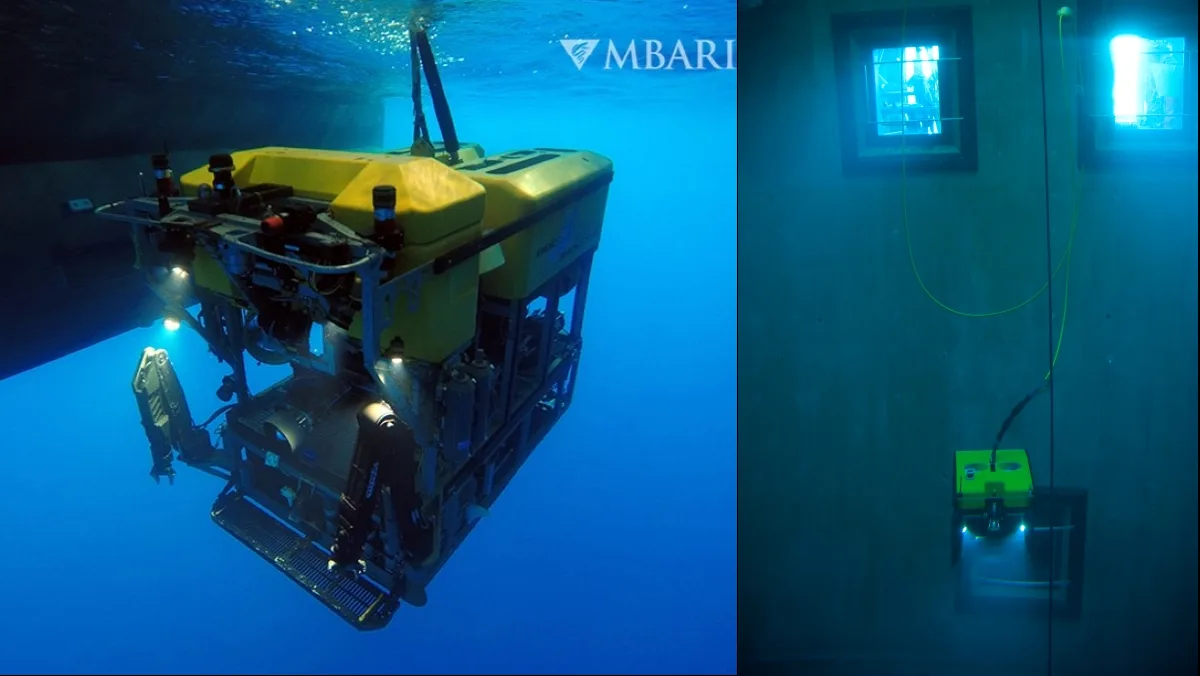
MBARI's ROV *Doc Ricketts* is a key tool for active deep-sea protection, conducting regular surveys, collecting samples, and directly removing harmful items like abandoned fishing gear from fragile ecosystems. (Source: nerdist.com)
Technology also brings its own hurdles. Building gear that can handle extreme pressures and temperatures is tough. These tools must work well for long periods. Sending data from the deep sea is still slow and limited. This slows down real-time decisions.
Perhaps the biggest challenge is in international waters, called the high seas. These areas cover two-thirds of the ocean. They are beyond any country’s control. No single nation is in charge of protecting them. This leaves a gap in leadership.
The new UN High Seas Treaty aims to fix this. It is formally called the Agreement on Biodiversity Beyond National Jurisdiction, or BBNJ Agreement. Adopted in June 2023, it sets up a legal way to create and run MPAs on the high seas. It also includes rules for environmental impact checks. But the treaty’s power relies on countries signing on and strong enforcement.
Who pays for all this global work? Money for deep-sea research and conservation is often hard to find. It mostly comes from grants and charity. Lasting, large-scale active protection needs special international funding. Without it, even the best technology and plans will not be enough.
A proactive future: saving the deep
Scientists are actively developing solutions for deep-sea protection. Researchers are building smart predictive models. These models guess where vulnerable deep-sea ecosystems are. They also predict where future threats, like deep-sea mining, might show up. This lets us protect specific areas ahead of time.
The International Seabed Authority (ISA) controls deep-sea mining in global waters. They are working on a mining code now. Environmental groups like the Deep Sea Conservation Coalition (DSCC) want a careful approach. They push for full environmental checks before any mining starts. They also support a ban on mining until enough safeguards exist.
Adaptive management is another important plan. This means constantly watching ecosystems. We then adjust protection based on new data. If a deep-sea coral population looks stressed, for example, we can quickly close off new areas. This goes beyond fixed lines.
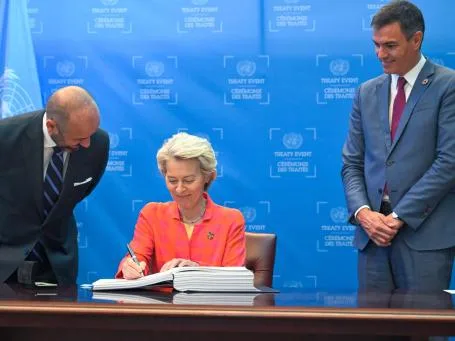
The UN High Seas Treaty, formally known as the Agreement on Biodiversity Beyond National Jurisdiction (BBNJ Agreement), was adopted in June 2023. This landmark international accord provides a legal framework for establishing marine protected areas and conducting environmental impact assessments in international waters, covering two-thirds of the global ocean. (Source: wri.org)
Active deep-sea protection is just starting. It needs global cooperation like never before. It demands lasting money. Most importantly, it needs a total change in how we see our planet’s biggest home. We must know the deep sea needs our direct, watchful care. My own journey showed me ignorance is not an excuse anymore.
FAQ
what are deep-sea ecosystems? Deep-sea ecosystems live below 200 meters (about 650 feet), where sunlight cannot reach. They include many habitats: abyssal plains, hydrothermal vents, cold seeps, seamounts, and deep-sea trenches. These places have unique, often slow-growing life. They are built for extreme conditions.
how is “active protection” different from traditional marine protected areas? Traditional MPAs often use passive “no-take” zones. They hope nature will heal itself by banning certain activities. Active protection means direct action. This includes removing pollution, repairing habitats, advanced real-time monitoring, and strong enforcement. It directly fights threats and helps ecosystems stay healthy.
what are the biggest threats to the deep sea? Big threats include overfishing, especially bottom trawling. Other dangers are climate change effects like warming, ocean acidification, and deoxygenation. Plastic pollution and the growing threat of deep-sea mining also pose risks. These pressures hurt habitats, break food webs, and directly harm deep-sea species.
is deep-sea mining already happening? Large-scale commercial deep-sea mining has not started yet. But the International Seabed Authority (ISA) has given out many exploration contracts. These are for polymetallic nodules, massive sulfides, and cobalt-rich crusts in international waters. A global debate is happening. Should we allow full extraction? Many scientists and countries want a ban because of possible environmental harm.
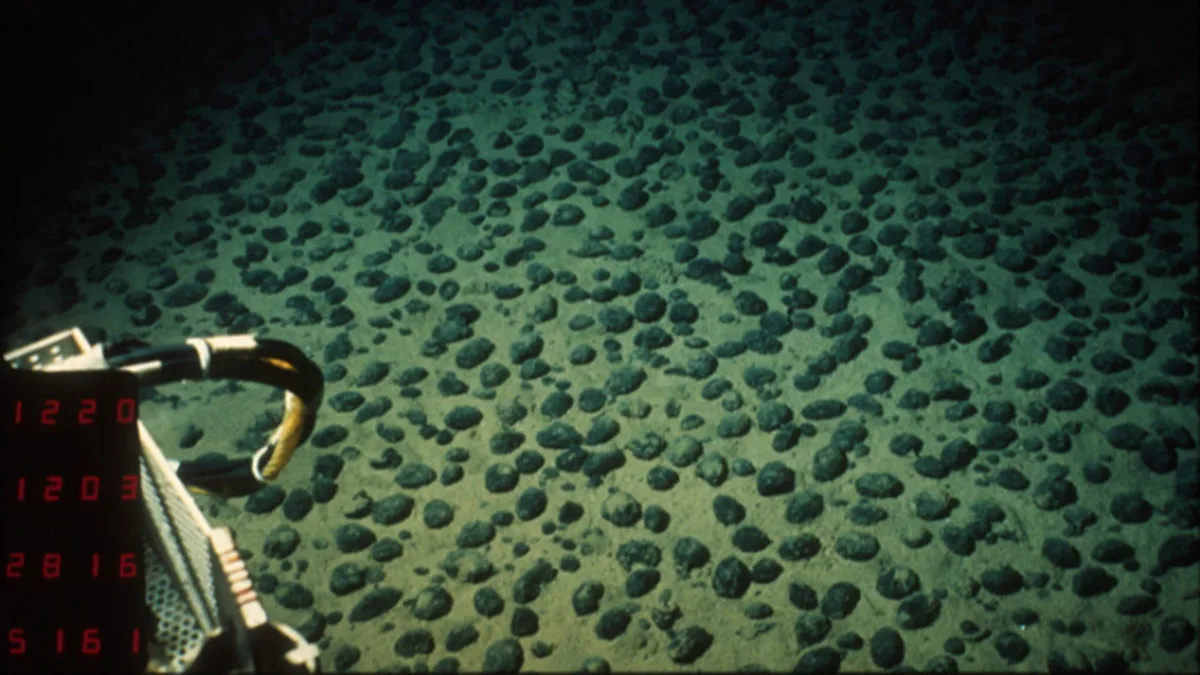
Polymetallic nodules are potato-sized concretions of manganese, iron, and other valuable metals found on abyssal plains. These unique geological formations are the primary target for potential deep-sea mining, sparking global debate over their environmental impact. (Source: eos.org)
You might also like:
👉 Super El Niño 2026 Predictions: Global Impact & What to Expect