
Africa's 54 Economic Zones: Reality Check on Industrialization
Despite widespread optimism, African economic zones face complex realities across 54 diverse countries, challenging their promise of industrialization.
African Economic Zones: Beyond the Brochure Buzz
The promise of African economic zones is seductive. Many see them as a direct path to industrialization. They are expected to attract foreign investment, create jobs, and diversify national economies. This popular belief holds significant sway among African policymakers and international development agencies.
But this widespread optimism often misses the complex realities on the ground. Africa is a vast continent, home to 54 diverse countries. Economic zones, also called Special Economic Zones (SEZs) or Industrial Parks, are designated areas. They offer incentives like tax breaks, simpler regulations, and developed infrastructure to draw investors.
African governments, foreign investors, and multilateral organizations are all important players. Investors come from places like China, Europe, and India. Multilateral organizations include the World Bank and the African Development Bank. They want these zones to change economies. As of 2022, over 230 SEZs operate across 47 African countries. Many more are in planning stages. The common story claims these zones are the future of African industry.
The Allure and the Reality: Uneven Foundations
Africa hosts over 230 operational Special Economic Zones (SEZs). This number comes from the UNCTAD 2022 World Investment Report. Policymakers often see SEZs as a guaranteed solution. They believe these zones will promote industrialization, create many jobs, and diversify export markets.
This view often ignores important implementation flaws. Many zones remain underutilized. They also fail to achieve their stated objectives. The truth is, success isn’t universal.
Only about 20% of Africa’s SEZs are successful or moderately successful. This was found in a 2020 study by the African Development Bank (AfDB). The other 80% struggle. They face challenges like low occupancy rates, limited investment, or persistent operational problems. This shows a big gap between hope and reality.
Take Nigeria, for example. It has over 30 gazetted SEZs. Yet, many are largely undeveloped and lack significant activity. The Calabar Free Trade Zone, established in 1996, has attracted some investment. Its broader impact on local industry remains limited. This is according to a 2019 report by the Nigerian Export Processing Zones Authority (NEPZA).
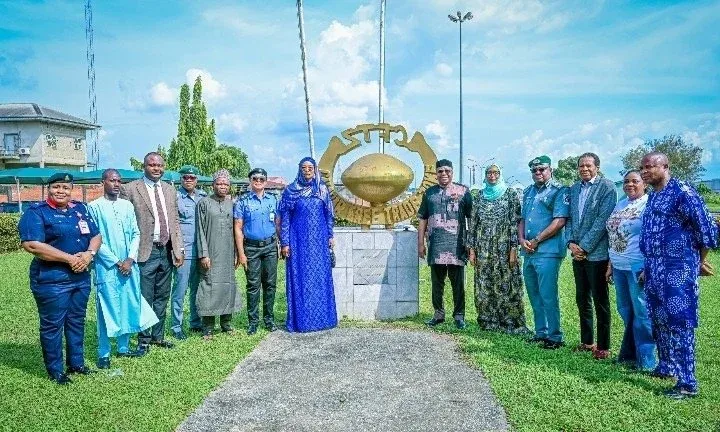
Established in 1996, Nigeria's Calabar Free Trade Zone exemplifies the mixed reality of African economic zones, having attracted some investment while its broader impact on local industry remains limited. (Source: nigeriahousingmarket.com)
Infrastructure and Governance: The Unseen Hurdles
Ethiopia’s Hawassa Industrial Park, opened in 2017, quickly attracted major textile and apparel investors. This success story, which has a “zero liquid discharge” system, shows what’s possible with well-run zones. They can provide world-class infrastructure within their borders.
The real challenge often lies outside the zone. Poor external infrastructure and shaky governance greatly weaken even the best-designed parks. Good internal systems are often wiped out by external logistics costs and delays.
Hailemariam Ayalew, former CEO of Ethiopia’s Industrial Parks Development Corporation (IPDC), spoke in 2021. He noted that reliable power and good road networks to ports are essential. Without these basics, the benefits offered by the zones themselves shrink. Goods just can’t move efficiently.
Research by the World Bank in 2023 showed this problem. It found that poor road networks and constant port congestion can add up to 30% to logistics costs. This happens in many African countries. This directly eats away at any competitive edge SEZs try to create for businesses.
Beyond that, policy instability and corruption scare away long-term investors. A 2021 survey by the Economist Intelligence Unit found that political risk was a top concern. This was for businesses looking to invest across Africa. Zimbabwe’s SEZs, for instance, have struggled to get off the ground due to currency volatility and frequent policy changes.
Skill Gaps and Local Linkages: Shallow Roots
Kenya’s Dongo Kundu Special Economic Zone, launched in 2018, aims to create 100,000 jobs. SEZs are widely promoted as job-creation machines. They are expected to employ Africa’s rapidly growing youth population into formal employment.
Jobs are created, yes, but they often stay in low-skilled sectors. What’s more, these zones frequently act as economic islands. They show minimal connection with the surrounding local economy. This limits their wider impact.
A 2020 report by UNCTAD on African SEZs indicated that many investments focus on basic assembly or garment manufacturing. These sectors typically employ many people. But they offer limited chances for skill upgrading or technology transfer to local businesses. This stops real industrial change.
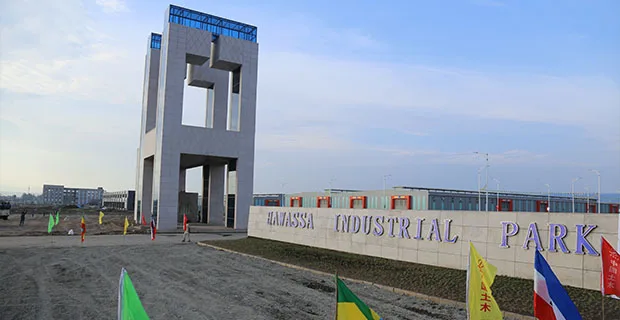
Ethiopia's Hawassa Industrial Park, opened in 2017, is a model for sustainable development in Africa, featuring a "zero liquid discharge" system that recycles 90% of its water. This park quickly attracted major textile and apparel investors, demonstrating the potential of well-run economic zones. (Source: en.wikipedia.org)
Mauritius, a pioneer in establishing Export Processing Zones (EPZs, a type of SEZ), saw early success in its textile industry. This created many jobs. A 2019 analysis by the Economic Development Board of Mauritius found a persistent challenge: moving up the value chain. There was limited development of local design or strong ties to local textile suppliers. The benefits largely stayed inside the zone.
Professor Carlos Lopes, former Executive Secretary of the UN Economic Commission for Africa, has consistently stressed the need for local content policies. He argues that without deliberate efforts, zones risk becoming mere offshore production sites. They won’t truly promote broader, inclusive industrial development.
The Path Ahead: Strategic Focus Over Blanket Implementation
Morocco’s Tangier Med Port and its integrated industrial platform have attracted over 1,000 companies since 2007. Such highly successful zones often make people believe the concept works everywhere. Many conclude that replicating these successes just needs political will and investment.
But success isn’t easily copied across different places. It needs a specific mix of factors. A strategic, not scattered, approach is essential for these initiatives to work. Copying a model without adapting it often leads to failure.
Tangier Med benefits hugely from its location, close to European markets. It also has significant state investment in multi-modal infrastructure. This includes strong port facilities, extensive highways, and efficient railway links. These are complex, large-scale investments not easily replicated in other African nations.
Dr. Vera Songwe, former Executive Secretary of the UN Economic Commission for Africa, has pushed for a more focused approach. She proposes establishing “a few, well-executed, sector-specific zones.” She argues strongly against launching many zones without proper planning, enough resources, or proven market demand. Quality must come before quantity.
The future for African economic zones isn’t uniformly bright or bleak. It depends on governments doing more than just drawing zones on paper. They must focus on deep, targeted investments in supporting infrastructure. This means ensuring reliable power, efficient logistics, and a truly skilled workforce before launching the zone. It also means building strong connections with domestic industries. Only then can zones truly promote lasting and broad industrial growth.
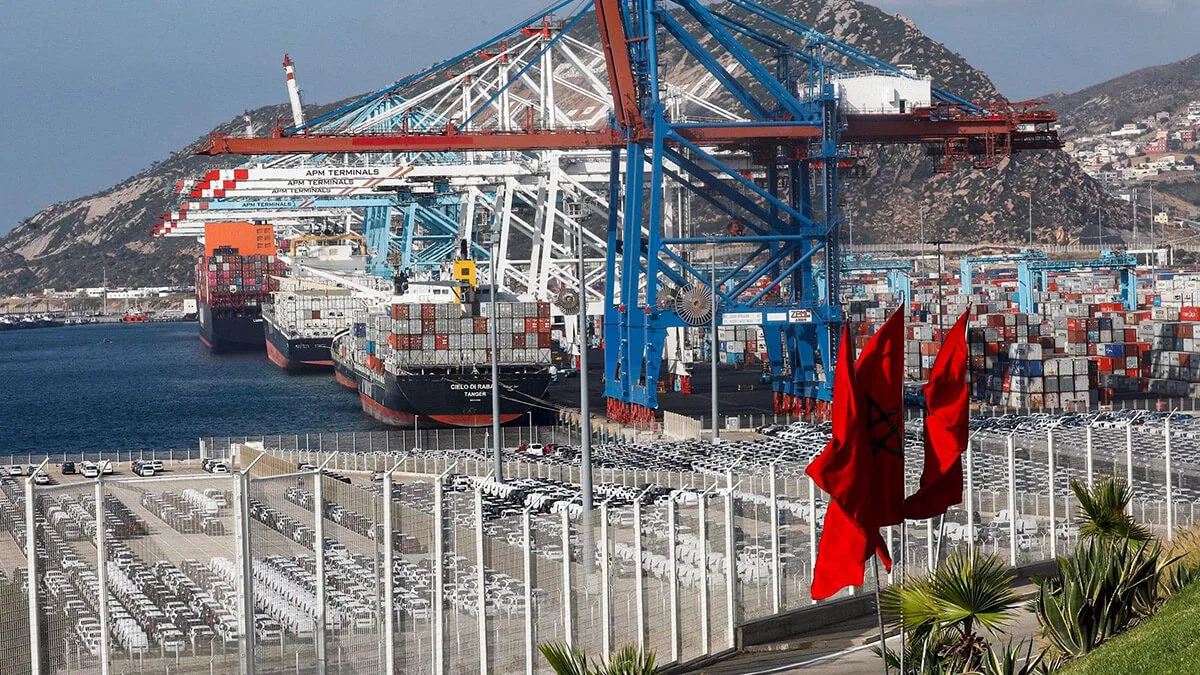
Morocco's Tangier Med Port, an integrated industrial platform, has attracted over 1,000 companies since 2007, showcasing the success of strategic investment in multi-modal infrastructure and proximity to European markets. (Source: atalayar.com)
FAQ
What is an African Economic Zone? An African Economic Zone is a specific area within a country. It offers special incentives like tax breaks, simplified customs, and infrastructure to attract investment. The main goal is usually to boost industrialization and exports.
How many economic zones are there in Africa? As of 2022, over 230 Special Economic Zones (SEZs) operate across 47 African countries. Many more are currently being planned or developed.
What are the biggest challenges facing these zones? Major challenges include poor external infrastructure, inconsistent governance, skill mismatches in the workforce, and limited ties to local economies. Many zones also suffer from low occupancy rates and underperformance.
Which African countries have successful economic zones? Countries like Morocco (Tangier Med), Ethiopia (Hawassa Industrial Park), and Mauritius have shown notable successes. Their zones often benefit from strong government commitment, good location, and a targeted sector focus.
The Mauritius Freeport, a key component of the island nation's economic success, serves as a duty-free logistics, distribution, and marketing hub for goods destined for regional and international markets. (Source: oramacorporate.com)
You might also like:
👉 Economic Sanctions: Why They Often Fail to Achieve Goals
👉 US-China: $664B Trade Masks Zero-Sum Global Power Struggle