
Late 2020: Beijing's Tech Overhaul Shakes Alibaba, Tencent
Beijing's major regulatory push began in late 2020, cutting the power of tech giants like Alibaba and Tencent over concerns of monopolies and data security.
Beijing reins in tech: China’s platform regulatory overhaul
In late 2020, Beijing began a major regulatory push against its domestic tech platforms. This bold move changed the digital economy and cut the power of companies like Alibaba and Tencent. The government wanted to fix problems: monopolies, data security, and financial stability.
These firms, including Meituan and Didi Global Inc., had grown fast for two decades. They often had little oversight. Their platforms became built into daily life across mainland China. These companies built big networks covering e-commerce, social media, ride-hailing, and fintech.
Before 2020, China’s tech sector had a “laissez-faire” approach. That let it grow and innovate explosively. The regulatory shift was a big change from that old policy. It started a new era of stricter state control over the digital economy.
Anti-monopoly and fair competition
On April 10, 2021, the State Administration for Market Regulation (SAMR) fined Alibaba Group Holding Ltd. 18.23 billion yuan ($2.8 billion). This fine was 4% of Alibaba’s 2019 domestic revenue. SAMR found Alibaba had misused its dominant market position for years. The regulator pointed to Alibaba’s “choose one from two” policy. This practice forced merchants to use only Alibaba’s platforms.
SAMR’s action against Alibaba was the largest anti-monopoly fine ever issued in China. It sent a clear message to other internet platforms. The regulator said the fine aimed to “ensure fair competition” and “protect consumer interests.” SAMR then started an anti-monopoly investigation into food delivery giant Meituan in April 2021.
The government introduced new anti-monopoly rules for the platform economy in February 2021. These rules specifically targeted behaviors like forced exclusivity and predatory pricing. The National Anti-Monopoly Bureau also got more resources. This made its enforcement stronger.
Data security and consumer protection
China’s Personal Information Protection Law (PIPL) started on November 1, 2021. This law set strict rules for how companies collect, store, and use personal data. It requires clear user consent for data processing. PIPL also limits cross-border data transfers.
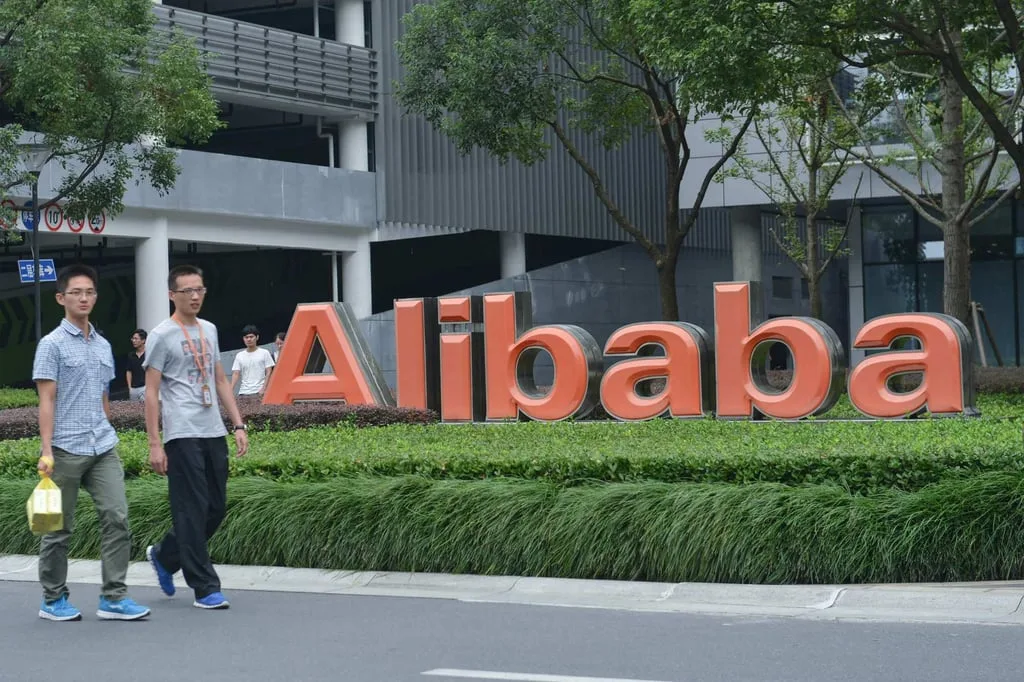
Alibaba Group Holding Ltd. was fined 18.23 billion yuan ($2.8 billion) by Chinese regulators in April 2021 for misusing its dominant market position. This record-breaking anti-monopoly penalty, equivalent to 4% of its 2019 domestic revenue, marked a significant shift in Beijing's oversight of its tech giants. (Source: scmp.com)
The Cyberspace Administration of China (CAC) was a main enforcer of these data rules. In July 2021, CAC ordered Didi Global Inc.’s apps removed from app stores. The regulator pointed to “serious violations” in Didi’s collection and use of personal information. Didi had just completed a $4.4 billion IPO in New York. The CAC also launched a cybersecurity review of the company.
China’s Data Security Law (DSL) also started on September 1, 2021. This law sorts data by its importance to national security and the public. It requires data to stay local for “critical information infrastructure operators.” The DSL also makes companies do security assessments for some data transfers outside China. These laws made data rules much stricter across all sectors.
Financial stability and “common prosperity”
Ant Group’s planned $37 billion initial public offering (IPO) stopped abruptly in November 2020. This decision came just days before its listing. Regulators, including the People’s Bank of China (PBOC), mentioned concerns over Ant’s lending practices. They also noted the company’s regulatory arbitrage.
Ant Group, an Alibaba affiliate, was ordered to change its operations. This meant turning its lending and insurance businesses into a financial holding company. PBOC Vice Governor Pan Gongsheng said this reform was key for “fair competition and financial stability.” The move showed Beijing meant business about reining in unregulated fintech growth.
President Xi Jinping talked about “common prosperity” in August 2021. He wanted less income inequality and more wealth redistribution. This directive made big tech firms boost their charity work. Tencent Holdings Ltd. promised 100 billion yuan for social initiatives. Alibaba also gave 100 billion yuan to support common prosperity.
The changing landscape and future path
Major tech firms like Alibaba and Tencent saw slower growth in 2022 and 2023. Alibaba’s revenue increased by just 2% year-on-year in the December 2022 quarter. Tencent reported its first-ever quarterly revenue drop in Q2 2022. The regulatory pressure clearly hit their expansion strategies. Companies shifted to enterprise services and industrial internet solutions.
Chinese authorities have recently sounded more supportive of the tech sector. Premier Li Qiang said in March 2023 that China would “unswervingly encourage and support the development of the private sector.” This was a change in tone after two years of tough oversight. Investors now watch for concrete policy to follow these statements.
The long-term impact of these regulations is still unclear. Beijing’s control over data and market power has strengthened. The government also wants to keep innovation and economic growth going. The future will likely balance strong oversight with targeted support for key tech areas. This ongoing push and pull will form China’s digital future. It’s a tricky balancing act, and the world is watching.
FAQ
Q1: What’s the main goal of China’s tech regulation?
Beijing’s main goals are stopping monopolies, protecting national data security, guarding consumer privacy, and keeping finances stable. The government also wants to match tech company growth with its “common prosperity” objectives.
Q2: Which tech giants got hit hardest?
Major platforms like Alibaba, Tencent, Didi Global, and Meituan got tough checks and penalties. Alibaba received a record anti-monopoly fine. Didi faced cybersecurity reviews and had its apps removed.
Q3: Has the regulation ended?
The harshest part of the regulatory crackdown seems to have calmed. The new laws and oversight are still in place. Authorities now suggest a more balanced approach, focusing on both rules and support for the digital economy.
Q4: How does this impact foreign companies in China?
Foreign companies in China must also follow the new data security and personal information protection laws. These rules, like PIPL and DSL, cover any entity processing data within China or sending it across borders. Compliance means big changes to how data is handled.
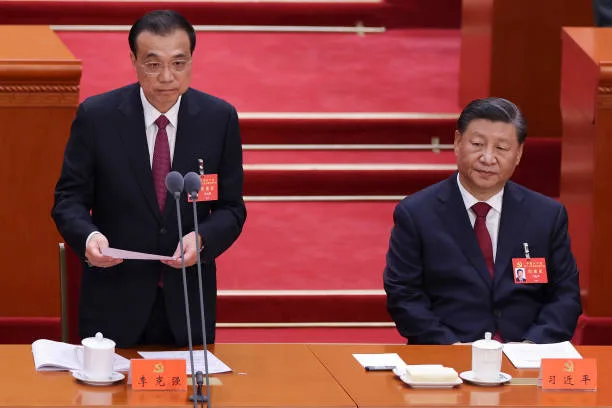
Premier Li Qiang, seen here, made a pivotal statement in March 2023, declaring China would "unswervingly encourage and support the development of the private sector," marking a significant shift in the government's tone towards the tech industry after a period of intense regulation. (Source: gettyimages.com)
You might also like:
👉 US-China: $664B Trade Masks Zero-Sum Global Power Struggle