Why Your Seattle Coffee Order Shapes Global Economies
Consumer choices are never simple transactions. They shape global economies, from a Seattle startup to a multinational giant, defying tidy trends.
Consumer Choices: Why Simple Stories Miss the Mark
Forget what the headlines tell you about shoppers. Consumer choices are never simple transactions. They shape global economies, from a Seattle startup to a multinational giant. Businesses use these patterns to innovate. Governments craft economic policies based on them. Yet, many popular stories present tidy trends. These stories miss the complex, diverse reasons behind real-world spending.
The Myth of the Purpose-Driven Buyer
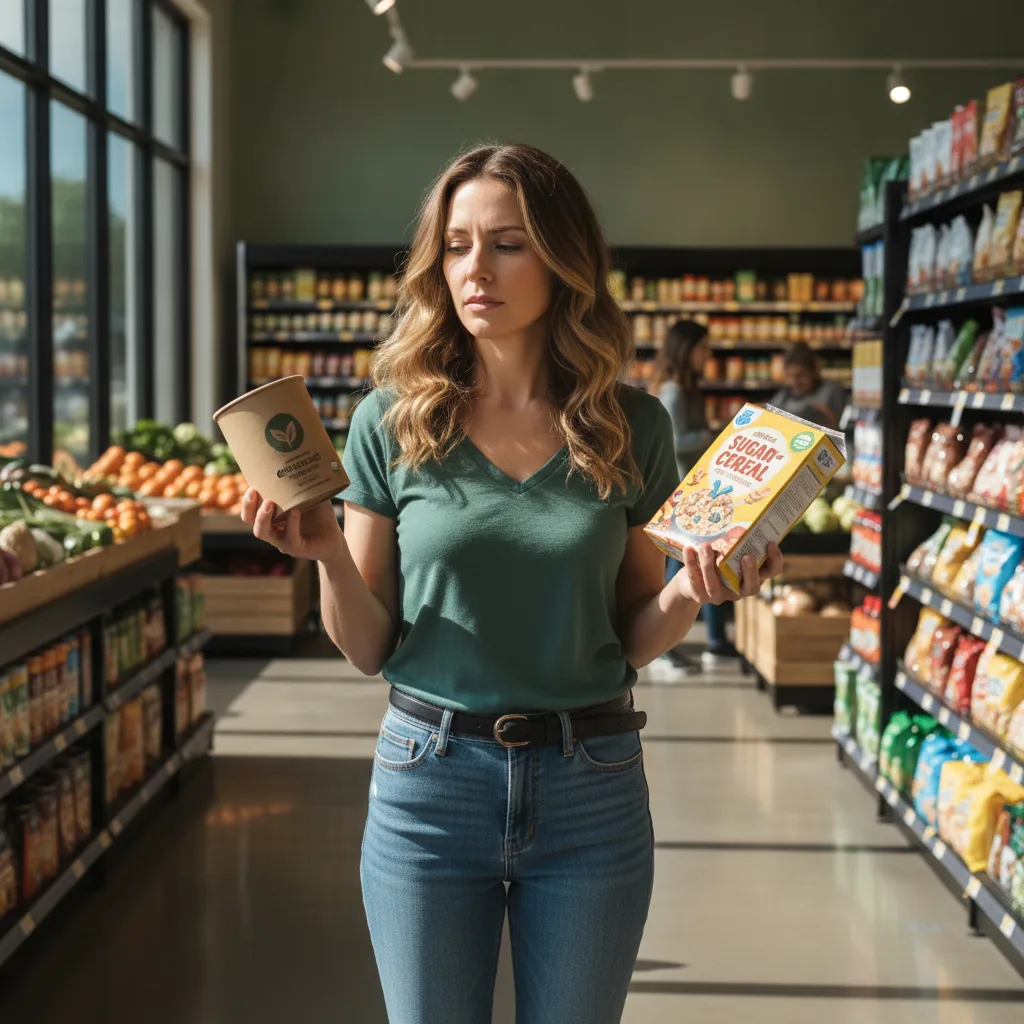
Most people want companies to help the environment. A 2023 NielsenIQ study showed 81% of global consumers feel this strongly. This widely reported number often makes us believe shoppers always pick brands with strong social and environmental records. Companies like Patagonia have grown because of their clear environmental stands. This suggests values directly drive purchases.
However, that story isn’t complete. “Sustainable” products grew 2.7 times faster than conventional ones, according to 2023 research from NYU Stern’s Center for Sustainable Business. Still, they only hold 17.3% of the total market. Price and convenience consistently drive purchasing decisions. A 2022 McKinsey & Company survey found 70% of consumers would pay more for sustainable products. The extra they would pay was usually small, often under 10%. A big price difference often overpowers ethical intent for most shoppers.
Consumers aspire to make green choices more than they actually do. They want to support ethical brands but face real budget limits. Doubts about greenwashing also matter a lot. Deloitte’s 2023 Sustainable Consumer survey reported 55% of consumers distrust company environmental claims. This widespread doubt makes it tough for truly ethical brands to stand out. It complicates how shoppers decide. People want to do good, but practical concerns and distrust often temper their actions.
Physical Stores Still Matter
Online sales hit $1.11 trillion in the U.S. in 2023, says the U.S. Census Bureau. This number often makes people believe physical retail is dying. Many assume online shopping will entirely replace traditional stores. The COVID-19 pandemic certainly sped up e-commerce growth. Many traditional retailers closed then, facing economic pressure.
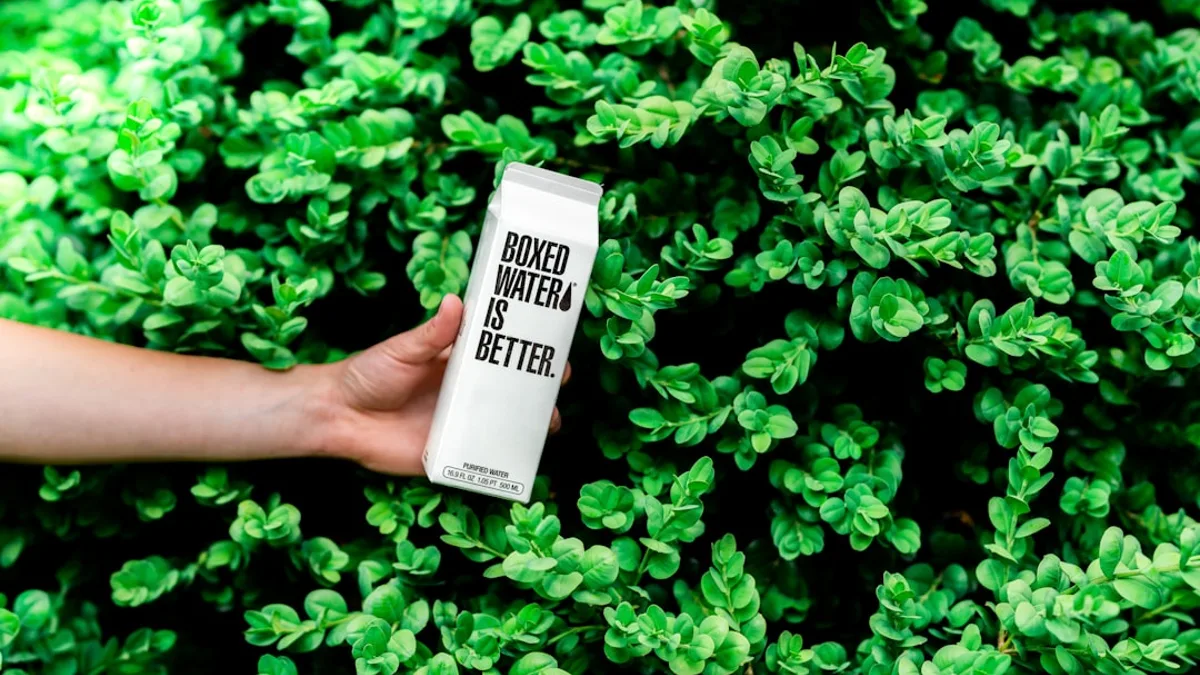
Greenwashing refers to the deceptive marketing practice where companies make unsubstantiated or misleading claims about the environmental benefits of their products or practices. This widespread distrust, highlighted by Deloitte's 2023 survey, significantly complicates consumer choices for truly ethical brands. (Photo: Boxed Water Is Better / Unsplash)
However, physical stores still accounted for over 80% of total U.S. retail sales in 2023. That huge share shows tangible shopping experiences remain important. Big retailers like Target and Walmart keep investing in their physical stores. They connect these stores with online fulfillment centers. This strategy shows how physical spaces now work with online shopping. Foot traffic is back to pre-pandemic levels in many areas, according to the International Council of Shopping Centers (ICSC). People enjoy the social and sensory parts of shopping in person.
Retail is not just moving online. Instead, it is becoming omnichannel retail. Shoppers move easily between online and offline channels. Stores now have many roles. They are showrooms for discovery, easy pickup points for online orders, and places for brand experiences. Lululemon, for example, offers in-store yoga classes. This turns shopping into an event. A 2023 PwC report found 43% of consumers still prefer to shop in-store. This preference confirms physical interaction still holds value.
Ownership Isn’t Dead, It’s Changing
The global subscription economy grew 17.3% in 2022, reaching $650 billion, says Zuora’s Subscription Economy Index. This growth often makes people think younger generations prefer subscriptions and access over owning things. The success of Netflix, software-as-a-service, and Zipcar seems to support this idea. People definitely want flexible access.
But outright ownership still matters for many goods. The U.S. homeownership rate was 66.0% in Q4 2023, according to the U.S. Census Bureau. This shows people still want permanent assets, especially for high-value items. For clothes, a 2023 ThredUp report found secondhand ownership (resale) grows faster than rental models. Shoppers often prefer to own items, even used ones, instead of just borrowing them. This means possession still holds value.
The choice between owning and accessing depends on the product and its perceived worth. A 2022 Deloitte survey found consumers value both flexibility and permanence. They also want control over their personal assets. People still overwhelmingly buy items with high personal or sentimental attachment. Shoppers want flexibility and control. They often choose based on convenience, long-term use, and a careful cost-benefit analysis. This complex preference defies simple labels.

Lululemon frequently hosts free yoga classes and fitness events inside its retail stores, transforming shopping spaces into community hubs and offering unique brand experiences. This strategy exemplifies how physical stores are evolving beyond mere transaction points to become venues for engagement and discovery. (AI-generated illustration)
Frequently Asked Questions
What is consumer behavior? Consumer behavior is how individuals decide to get, use, and get rid of products and services. It includes psychological, social, and economic factors. Understanding it helps businesses and policymakers.
How does inflation impact consumer spending? Inflation reduces buying power. This makes consumers change their spending priorities. They often look for better value, switch to store brands, or delay non-essential purchases. This shift makes businesses adapt their prices and product plans.
Are younger generations really different in their spending? Yes, but it’s not as simple as often shown. Younger people value experiences, convenience, and ethics more than older generations. However, economic realities like student debt and housing costs also strongly shape their spending.
What is greenwashing? Greenwashing happens when companies falsely claim their products or policies are eco-friendly. They do this without truly trying to be sustainable. This practice harms consumer trust in real eco-friendly efforts.
Beyond Simple Trends
Shopping choices are a messy mix of desires, money realities, and changing values. They are not easy to categorize. The simple stories in most trend reports often miss these complex forces. Consumers are not all the same. Their decisions rarely come from just one thing. Price, convenience, core values, technology, and trust all work together to shape what we buy.
Businesses wanting to connect with customers need to look past surface-level trends. They must understand the specific reasons their target groups buy things. This means deep data analysis and real conversations with diverse shoppers. The future calls for flexible strategies. These strategies must respect consumer intelligence and varied priorities. True insight comes from watching what people actually do. Not just what they say, or what one data point suggests. It means seeing the messy, human truth.
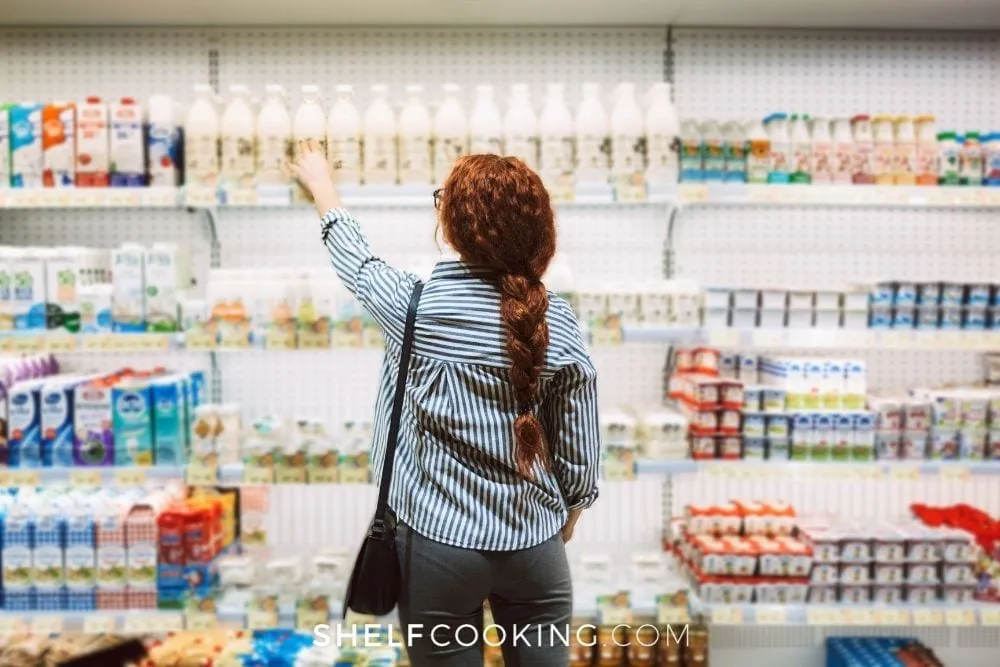
During periods of inflation, consumers often shift their spending habits, opting for more affordable store brands (also known as private label products) over national brands to maximize their buying power. (Source: shelfcooking.com)
You might also like:
👉 Unplugging for $800 Billion: The 2023 Digital Detox Boom
👉 Economic Sanctions: Why They Often Fail to Achieve Goals
👉 US-China: $664B Trade Masks Zero-Sum Global Power Struggle