
Global Inflation 2025: Why Prices Won't Just Drop
Forget easy fixes: Global inflation in 2025 is not expected to simply drop, challenging assumptions about central bank control.
Global Inflation in 2025: Don’t Expect Prices to Just Drop
Global inflation in 2025 is not expected to simply drop. Many people think inflation just means higher prices. They also assume central banks can simply flip a switch, hike interest rates, and make it disappear. This is not how it works. Inflation is not a simple on/off switch; it is more like a complex, simmering stew.
Inflation measures how much prices for goods and services rise overall. It means your money buys less over time. Central banks, such as the U.S. Federal Reserve or the European Central Bank, typically aim for about 2% annual inflation. This small rise is healthy for a growing economy. It encourages spending and investment.
For decades, global inflation stayed remarkably low. Economists even called it “The Great Moderation.” Then, in late 2021, prices exploded worldwide. This followed huge government spending during the COVID-19 pandemic. Supply chains also struggled under massive demand.
This sudden spike pushed inflation to levels unseen in 40 years. The United States’ inflation peaked at 9.1% in June 2022, per the Bureau of Labor Statistics. The Eurozone hit 10.6% in October 2022, Eurostat reported. These numbers blew past targets.
Central banks aggressively raised interest rates. Rates are essentially the price of borrowing money. Higher rates make it pricier to borrow for homes, cars, or business expansion. This cools demand. It should slow price increases.
The path of global inflation in 2025 remains uncertain. Will prices settle back to their comfortable 2% growth? Or are we entering a new age of stubborn, higher inflation? The 2025 global inflation outlook is not simple. It is not just about waiting for interest rates to do their job.
Why Prices Shot Up (and Where They Are Now)
Global consumer price inflation hit 8.7% in 2022, IMF data shows. That was a huge leap from previous years. The pandemic caused this surge.
First, massive government spending pumped cash into economies. Governments sent direct payments and expanded unemployment benefits. This greatly boosted consumer demand. People had more money to spend.
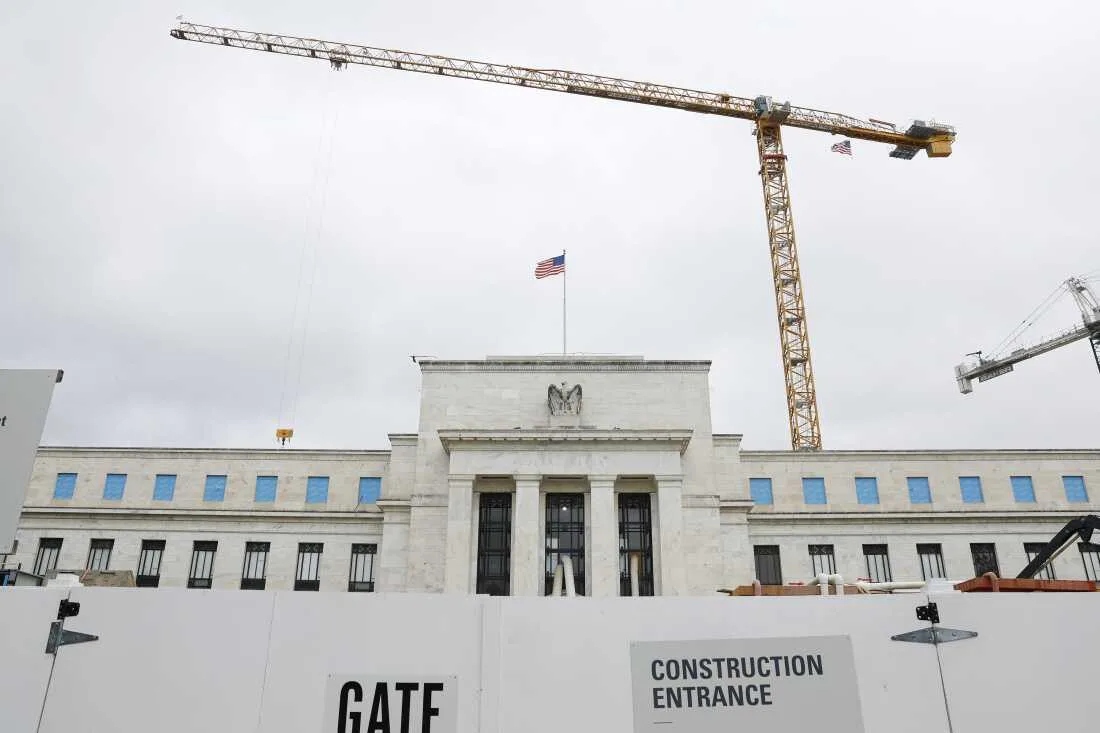
The U.S. Federal Reserve, often referred to as 'the Fed,' is the central bank of the United States. It plays a critical role in combating inflation by adjusting interest rates, aiming to maintain a stable 2% annual inflation rate for economic health. (Source: npr.org)
Second, the pandemic shattered global supply chains. Factories closed, shipping turned chaotic, and ports jammed with backlogs. Fewer goods were available. Prices shot up as demand crushed supply. Imagine a popular toy disappearing before Christmas.
Third, the Ukraine war, starting in February 2022, triggered a massive energy shock. Russia is a huge oil and gas producer. Sanctions and supply problems sent global energy prices soaring. This raised costs for transport, manufacturing, and home heating. Food prices also jumped because grain exports from the region stopped.
Central banks worldwide reacted fast to these price pressures. The U.S. Federal Reserve hiked its benchmark interest rate 11 times from March 2022 to July 2023. The European Central Bank (ECB) also raised rates ten times straight, starting July 2022. It was their quickest tightening cycle ever.
These aggressive moves have started to cool inflation. By late 2023, headline inflation figures were much lower than their peaks. The U.S. annual inflation rate fell to 3.1% in November 2023. The U.S. Bureau of Labor Statistics reported this. The Eurozone’s rate dropped to 2.4% in November 2023, Eurostat confirmed.
But core inflation still worries economists. Core inflation strips out volatile items like food and energy prices. It gives a clearer view of underlying price trends. Many central banks still see core inflation above their 2% targets. This means price pressures aren’t fully under control.
What Will Drive Prices in 2025?
Several key factors will influence global inflation through 2025. These factors connect in complex ways. Economists are closely monitoring each one.
First, global supply chains are getting back to normal. Shipping costs have plunged from pandemic highs. Factories are producing steadily in many places. This relief should cut some goods prices. But geopolitical tensions could still mess things up.
Energy prices are still a huge wild card. The International Energy Agency (IEA) expects ongoing swings. Conflicts in the Middle East or more Ukraine war disruptions could send prices through the roof again. Moving to cleaner energy also adds costs and supply issues for vital minerals.
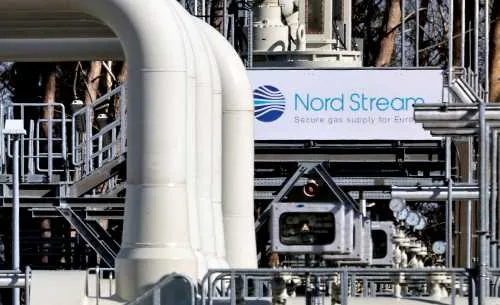
The Ukraine war, which began in February 2022, triggered a massive energy shock by disrupting supplies from Russia, a major oil and gas producer. This led to soaring global energy prices, significantly contributing to inflation worldwide. (Source: brookings.edu)
Labor markets also matter a lot. Strong wage growth can push up inflation, especially in services. This happens if wages climb faster than workers produce. Many rich economies, like the U.S. and Europe, still have tight labor markets. Unemployment rates are still super low. That gives workers more power to demand raises.
Fiscal policy — government spending and taxes — also plays a part. If governments keep up big spending programs, they could boost demand. This would fight against central bank efforts to cool the economy. Many countries feel pressure to fund green projects or social programs.
Central bank monetary policy decisions are probably the biggest factor. Will they cut interest rates too soon, risking inflation’s return? Or will they keep rates high too long, possibly causing a deep recession? The Federal Reserve hinted at rate cuts in 2024, but nobody knows exactly when.
Geopolitical risks also loom large. Conflicts outside Ukraine, trade wars, or instability in key regions could disrupt global trade. These events can spark new supply shocks. Such shocks always push up prices.
Finally, climate change adds a long-term inflation risk. Extreme weather ruins crops, driving up food prices. It also damages infrastructure, making repairs cost more. The UN Food and Agriculture Organization (FAO) often points out these rising pressures. This is a deep-seated, ongoing cause of inflation.
Where Prices Are Heading: A Look Around the World
Global inflation in 2025 will vary significantly by region. Different regions have unique economic problems. Therefore, their inflation paths will diverge.
In the United States, the Federal Reserve expects inflation to slowly hit its 2% target. The Fed’s December 2023 projections showed Personal Consumption Expenditures (PCE) inflation at 2.4% for 2024 and 2.1% for 2025. This forecast assumes a “soft landing” — inflation cools without a deep recession.
But the U.S. labor market is still surprisingly strong. Wage growth, though slowing, remains high. This keeps service sector inflation up. A strong U.S. consumer could also keep demand high. That makes the Fed’s job tough.

The UN Food and Agriculture Organization (FAO), headquartered in Rome, Italy, is a specialized agency of the United Nations that leads international efforts to defeat hunger. The FAO frequently highlights how climate change and extreme weather events contribute to rising food prices and global inflation. (Source: en.wikipedia.org)
The Eurozone has different problems. Its economy is more vulnerable to energy price shocks, especially from natural gas. The European Central Bank (ECB) is dead set on getting inflation to 2%. Their December 2023 projections show inflation at 2.7% in 2024 and 2.1% in 2025.
Germany, Europe’s biggest economy, is in a technical recession. This might help cool inflation driven by demand. But Europe’s energy transition and political instability bring ongoing costs. Businesses also face higher regulatory and carbon costs.
The United Kingdom has seen some of the highest inflation among developed nations. The Bank of England (BoE) expects inflation to drop to 2.75% by late 2024, and even lower in 2025. Yet the BoE warns about stubborn services inflation and wage growth. Brexit’s economic fallout also creates specific supply and labor market problems.
Emerging Markets face an even wilder mix of futures. Many rely heavily on commodity exports, making their economies sensitive to global price swings. Countries like Argentina and Turkey have fought hyperinflation. The IMF sees inflation in these markets falling to 6.9% in 2024 and 4.9% in 2025. That’s still higher than richer nations.
High debt in many developing nations makes things harder. Raising rates to fight inflation can make paying off debt impossible. This forces tough policy choices. The World Bank often flags these risks in its Global Economic Prospects reports.
What This Means for Your Wallet and the World
The 2025 global inflation outlook will significantly impact individuals, businesses, and governments. It affects your wallet, your savings, and the stability of entire economies. Understanding these effects is crucial.
For consumers, stubborn inflation means your money buys less. Your savings shrink if they don’t grow faster than prices. Everything gets pricier. Households must make harder budgeting choices. It can mean a lower standard of living.
For businesses, higher inflation means pricier raw materials, labor, and energy. Companies must choose: absorb costs or pass them to customers. This can crush profit margins. Uncertainty about future prices also makes long-term investments riskier. Small and medium businesses (SMEs) often take the biggest hit.

The European Central Bank (ECB) headquarters in Frankfurt, Germany, is the central bank for the 20 countries of the Eurozone, tasked with maintaining price stability and targeting 2% inflation. Its modern twin-tower complex stands as a symbol of its critical role in European economic policy. (Source: gettyimages.com)
Governments walk a tightrope. High inflation makes government debt more expensive. It can also spark public anger, especially if real wages drop. Governments might need to boost social benefits for vulnerable people. This puts more strain on national budgets.
The global economy could become much more volatile. Central banks might struggle to consistently hit their 2% inflation targets. This could mean more frequent, unpredictable interest rate changes. Such instability scares away international trade and investment.
A new inflation era could also force a change in how people invest. Investors might prefer assets that thrive when prices rise. Think real estate, commodities, or inflation-indexed bonds. Cash savings, on the other hand, would look much less appealing.
The 2025 inflation outlook means one thing: buckle up. The predictable, low-inflation days are likely over for now. This new reality demands smart planning from everyone — you, your business, and governments.
FAQ
What’s the difference between headline and core inflation? Headline inflation tracks all price changes, including volatile food and energy costs. Core inflation strips out those wild swings to show stable, underlying price trends. Central banks often focus on core inflation for their decisions.
Why do central banks target 2% inflation? A small, stable 2% inflation rate is considered healthy. It encourages spending and investment, stopping deflation, which hurts economic growth. It also gives the economy a buffer against shocks.
Could 2025 bring a recession from fighting inflation? Yes, it’s possible. Central banks hike interest rates to cool inflation by slowing demand. If they raise rates too much or for too long, it can cause a big slowdown or even a recession. That’s the “soft landing” challenge.
How does climate change add to inflation? Climate change causes extreme weather that ruins crops, driving up food prices. It also damages infrastructure, boosting repair costs and insurance premiums. The shift to green energy also costs money, which can temporarily add to inflation.
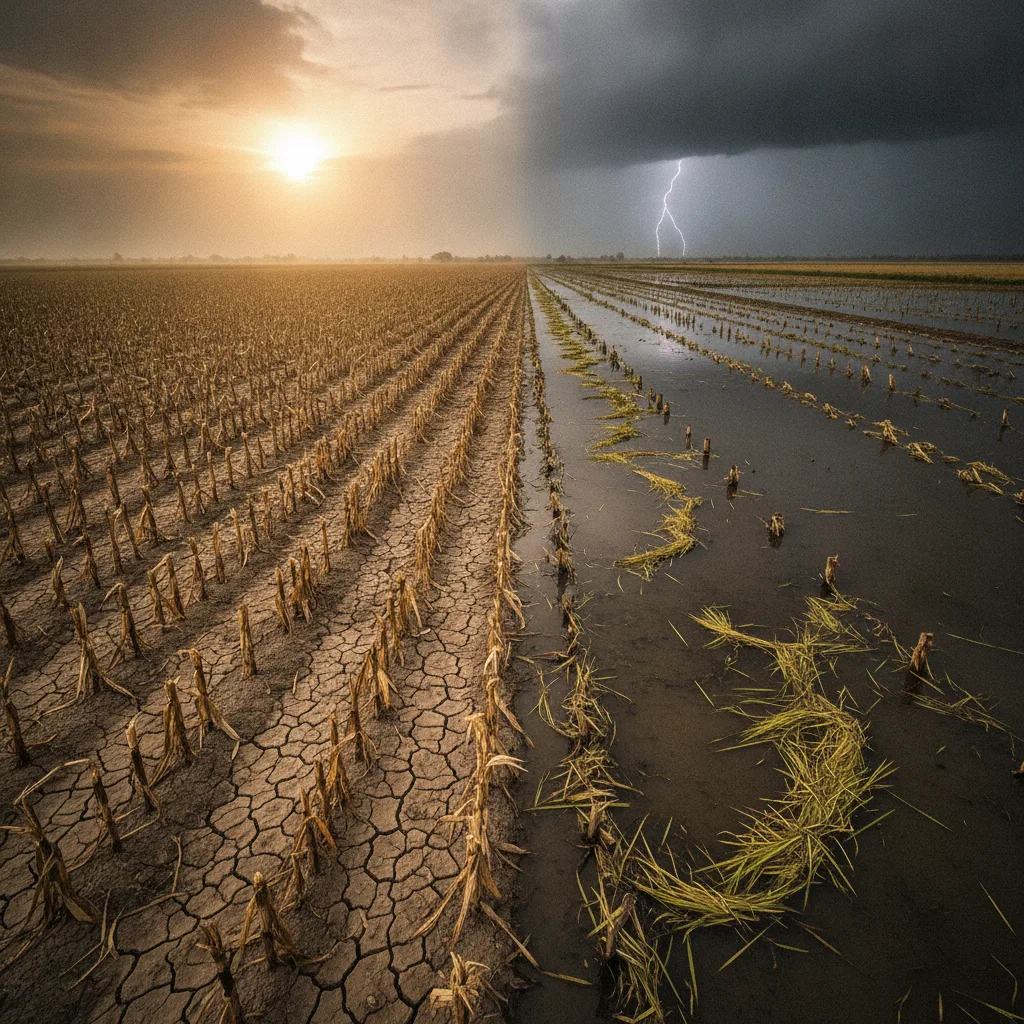
Extreme weather events, intensified by climate change, are increasingly devastating agricultural yields worldwide. From prolonged droughts in the Horn of Africa to unprecedented floods in Asia, these disasters directly contribute to soaring food prices and global inflation. (AI-generated illustration)
You might also like:
👉 The Economic & Societal Impact of Government Shutdowns