
Why Global Powers Can't Follow a Single Grand Strategy Blueprint
Grand strategy isn't a perfect blueprint, but a nation's long-term vision integrating military, economic, diplomatic, and information tools.
Grand Strategy: It’s Not a Blueprint
Policymakers have long been interested in geopolitical grand strategy. Many imagine it as a single, perfect blueprint. States then follow this plan for long periods. This idea misses the messy reality of global power. It simplifies a complicated process into a tidy academic exercise.
A nation’s grand strategy outlines its long-term vision for security and prosperity. This strategy brings together military, economic, diplomatic, and information tools. It is not a fixed master plan. Evidence shows it’s usually a changing, often reactive, process.
Grand strategy isn’t a fixed plan
When the Cold War ended in 1991, many expected a clear US grand strategy for a unipolar world. They pictured a stable, unified approach to global leadership. Yet, such a fixed plan rarely appears in real life.
Stephen Walt, a Harvard international relations professor, says states rarely follow one clear grand strategy for long. Instead, they often muddle through. They react to crises and adapt to new situations. This isn’t a failure; it’s often the only way forward.
Look at US foreign policy after the September 11, 2001, attacks. The focus abruptly moved from engagement to a global War on Terror. The 2003 Iraq War, for example, sharply differed from earlier plans focused on counter-terrorism. This shows how internal policy changes and different priorities can quickly change any “master plan.”
Real-world statecraft is messy
In 2013, the Obama administration announced its “pivot to Asia.” This aimed to rebalance US foreign policy and counter China’s growing influence. The move correctly identified a key geopolitical shift toward the Indo-Pacific.
The pivot did not happen smoothly. Domestic political gridlock, the Syrian civil war, and the rise of ISIS pulled away resources and attention. Kori Schake of the American Enterprise Institute notes that domestic politics often constrain a nation’s grand strategy most. Presidents must respond to constituent demands and electoral cycles.
China’s Belt and Road Initiative, also launched in 2013, looks like a unified grand strategy for global infrastructure. Over $1 trillion has been invested across dozens of countries. Internal reports from the Chinese Academy of Social Sciences, however, show ongoing debates about project viability. They also reveal local resistance in partner nations. Many projects face delays or debt issues. The Hambantota Port in Sri Lanka is one example. Sri Lanka couldn’t repay its debts, so it leased the port to China Merchants Port Holdings in 2017.
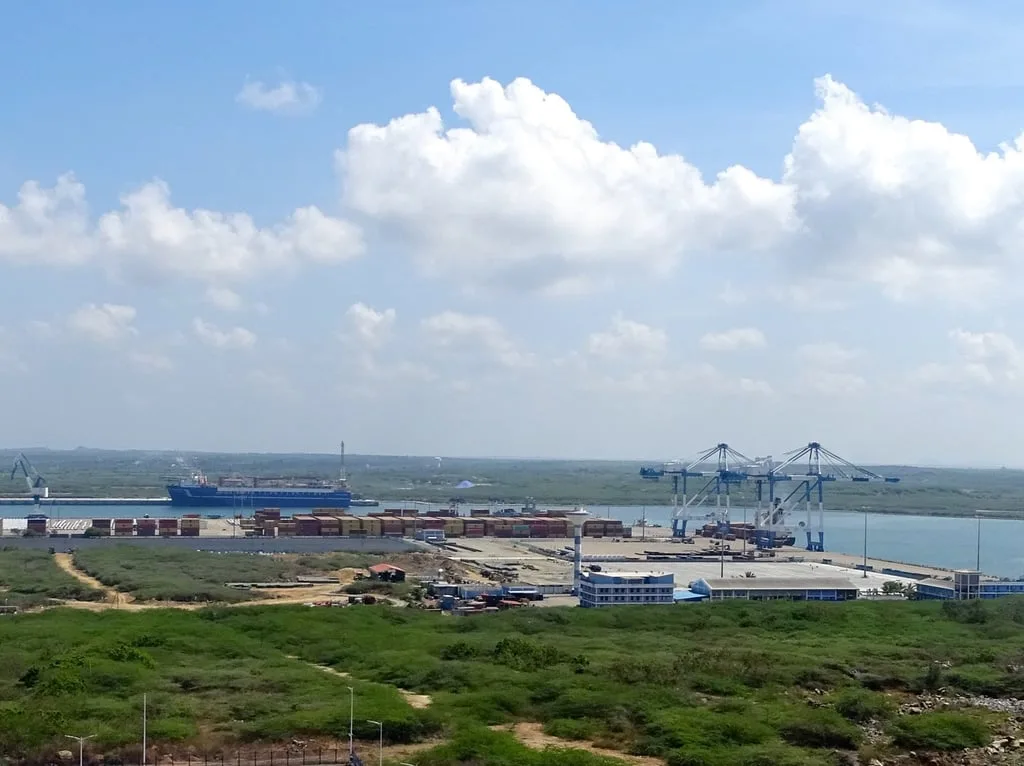
The Hambantota Port in southern Sri Lanka, a key project of China's Belt and Road Initiative, became a symbol of debt-trap diplomacy when Sri Lanka, unable to repay its debts, leased the port to a Chinese state-owned company for 99 years in 2017. (Source: scmp.com)
External shocks demand quick changes
Russia’s 2022 invasion of Ukraine drastically changed how Europe thought about security. European nations, especially Germany, had long followed an “Ostpolitik” of engaging Russia, driven by economic interests. This was a clear, long-standing strategy. This approach proved fragile.
Outside shocks often force fast, reactive strategic shifts. A rigid grand strategy just doesn’t work under such pressure. Germany, for instance, put 100 billion euros into its defense budget after the invasion. Chancellor Olaf Scholz called this a “Zeitenwende” – a turning point. It broke decades of post-Cold War spending habits.
The COVID-19 pandemic, starting in late 2019, made almost every nation reprioritize. Domestic health and economic stability suddenly mattered more than many outside strategic goals. Global supply chains became a key security concern. Pre-pandemic strategies hadn’t fully expected this shift. The pandemic response shows how quickly unforeseen global events can rewrite national priorities.
Grand strategy means constant change
The US 2022 National Security Strategy focused on competition with China and Russia. This document sets long-term goals. It also recognizes a changing global environment. Grand strategy isn’t a fixed destination. It’s a continuous process of adjusting goals to new threats and chances.
Eliot Cohen, a strategist at Johns Hopkins SAIS, calls grand strategy “the art of connecting means and ends.” He stresses the constant need for improvisation and adaptation in a changing world. It’s an ongoing process, not a static blueprint. This view admits that even the best plans will face unpredictable challenges.
Real grand strategy accepts imperfection and unpredictability. It builds toughness and flexibility into national policy. It doesn’t cling to rigid designs. States that understand this changing nature succeed more often. They know strategic success comes from consistent adaptation, not perfect foresight. The ability to pivot, learn, and adjust is the real test of good statecraft in a chaotic world.
FAQ
What is grand strategy? It’s a nation’s long-term vision for its security and prosperity. This strategy brings together all tools of national power: military, economic, diplomatic, and information.
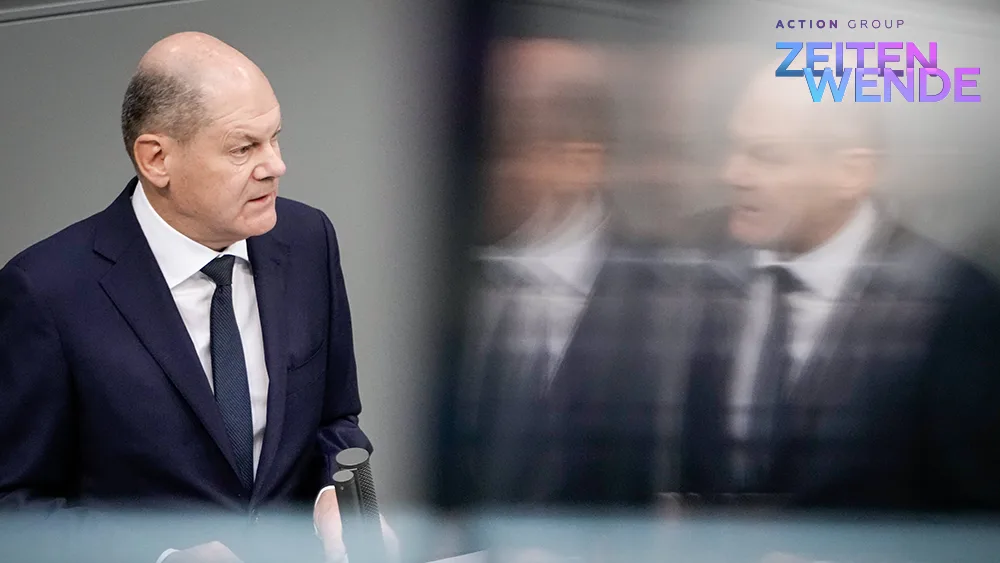
German Chancellor Olaf Scholz declared a 'Zeitenwende' (turning point) in 2022, committing 100 billion euros to defense and fundamentally altering Germany's post-Cold War security policy in response to Russia's invasion of Ukraine. (Source: dgap.org)
Is grand strategy only for big nations? It’s often linked to major powers. Smaller nations also use grand strategies. They might focus on regional alliances, economic specialization, or using international organizations to protect their interests.
How do domestic politics affect grand strategy? Domestic politics deeply influence grand strategy. They shape priorities and limit resources. Leaders must balance foreign policy goals with public opinion, election cycles, and internal debates.
What’s grand strategy’s biggest challenge today? The biggest challenge is the fast pace of global change and unexpected outside shocks. Events like pandemics, climate change impacts, and sudden conflicts force constant re-evaluation and adjustment of plans.
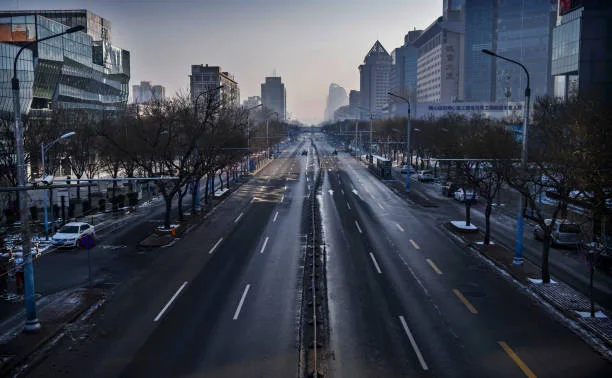
The COVID-19 pandemic, a sudden and unprecedented global shock, forced nations to drastically re-evaluate their grand strategies, exposing vulnerabilities in global supply chains and highlighting the complex interplay between public health and geopolitical stability. (Source: gettyimages.com)
You might also like:
👉 US-China: $664B Trade Masks Zero-Sum Global Power Struggle
👉 1918: When Four Empires Collapsed and Europe Changed Forever