Horn of Africa: Why 30% of Container Traffic Is at Risk
Geopolitical shifts in the Horn of Africa threaten the Bab-el-Mandeb Strait, where 30% of global container traffic flows.
The Red Sea: A Global Choke Point in Crisis
The Horn of Africa is a critical choke point for global trade. While often associated with conflict or famine, this region holds significant international importance.
It guards the Bab-el-Mandeb Strait. This narrow passage links the Red Sea to the Gulf of Aden and the Indian Ocean. Roughly 12% of global trade passes through this strait. The U.S. Energy Information Administration reports that 30% of global container traffic also uses this route. This makes the Horn of Africa vital to global security and trade.
The Horn’s Hidden Power
The Horn of Africa includes Eritrea, Djibouti, Ethiopia, and Somalia. These nations control access to one of the world’s busiest shipping lanes, an important factor for global security and trade. Many people focus only on the region’s internal problems. They often overlook the intense external power struggles happening there.
Ethiopia is a landlocked regional giant with over 120 million people. Prime Minister Abiy Ahmed wants economic growth and sea access. He calls this an “existential issue” for his country.
Eritrea, led by President Isaias Afwerki, runs as a highly centralized state. It keeps a significant military. Eritrea has a long, difficult history with Ethiopia. This includes a devastating border war.
Djibouti is a small, stable nation. It hosts major foreign military bases. These include the US (Camp Lemonnier) and China (Djibouti Naval Base). Its location draws international powers.
Somalia fights the Islamist militant group Al-Shabaab. Its Federal Government of Somalia (FGS) struggles for full control. Somaliland declared itself independent from Somalia in 1991. It has run itself autonomously ever since.
For years, Djibouti was Ethiopia’s main port. Somalia stayed broken, battling rebels. Eritrea was mostly cut off. Ethiopia’s internal politics, especially ethnic federalism, caused tensions.
Ethiopia’s Grab for the Sea
On January 1, 2024, Ethiopia signed a Memorandum of Understanding (MoU) with Somaliland. This agreement will deeply change regional power. It leases Ethiopia 20 kilometers of coastline around the port of Berbera for 50 years.
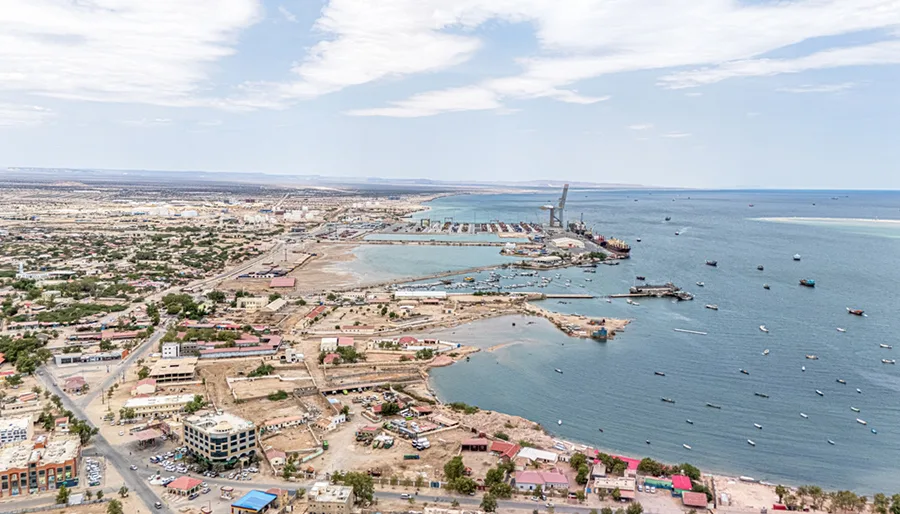
The Port of Berbera in Somaliland is set to become a crucial hub for Ethiopia's economy after a recent Memorandum of Understanding granted Ethiopia 20 kilometers of coastline access for 50 years, aiming to secure vital sea access for the landlocked nation. (Source: consultancy.africa)
In return, Ethiopia would become the first nation to officially recognize Somaliland. The deal also gives Ethiopia part ownership in Somaliland’s Port of Berbera, Reuters reported. This is a historic moment.
Ethiopia lost its Red Sea coastline in 1993 when Eritrea gained independence. Being landlocked costs Ethiopia over $1.5 billion annually in port fees. That’s according to a 2023 statement from Prime Minister Abiy Ahmed’s office. Imagine a big company that relies entirely on one expensive supplier for shipping. Ethiopia wants its own logistics hub. It aims to get more access points, so it relies less on a single port.
Prime Minister Abiy Ahmed said in October 2023 that sea access is “an existential issue” for Ethiopia. His government has looked at many options for years. An MoU is a non-binding agreement. It shows what parties intend to do before a formal treaty. But this specific MoU immediately sparked strong reactions.
Ethiopia had explored port deals with Eritrea for Assab and with Kenya for Lamu Port. The Somaliland deal marks a big, bold change. It shows how urgent Ethiopia feels about getting its own sea access.
The Fallout
Somalia immediately rejected the Ethiopia-Somaliland MoU. President Hassan Sheikh Mohamud called it an “act of aggression” against Somalia’s sovereignty. Somalia sees Somaliland as part of its territory.
The Somali parliament quickly nullified the MoU. Somalia also recalled its ambassador to Ethiopia. This raised diplomatic tensions. It created a serious political crisis.
Somaliland wants international recognition. The Ethiopian deal offers a path to that long-held goal. Somaliland sees itself as a separate state that works. This move could make its claims valid.
Djibouti remains a key port for Ethiopia. Its President, Ismail Omar Guelleh, said in January 2024 that Djibouti respects Somalia’s sovereignty. Djibouti also benefits from its neutral stance and ties to many international powers. It handles a large volume of Ethiopian trade.
Eritrea and Ethiopia were allies in the recent Tigray War (2020-2022). This new Ethiopian move could strain that alliance. Eritrea hosts the port of Assab, an alternative Ethiopia once considered for sea access. No one knows what this means for their relationship yet.
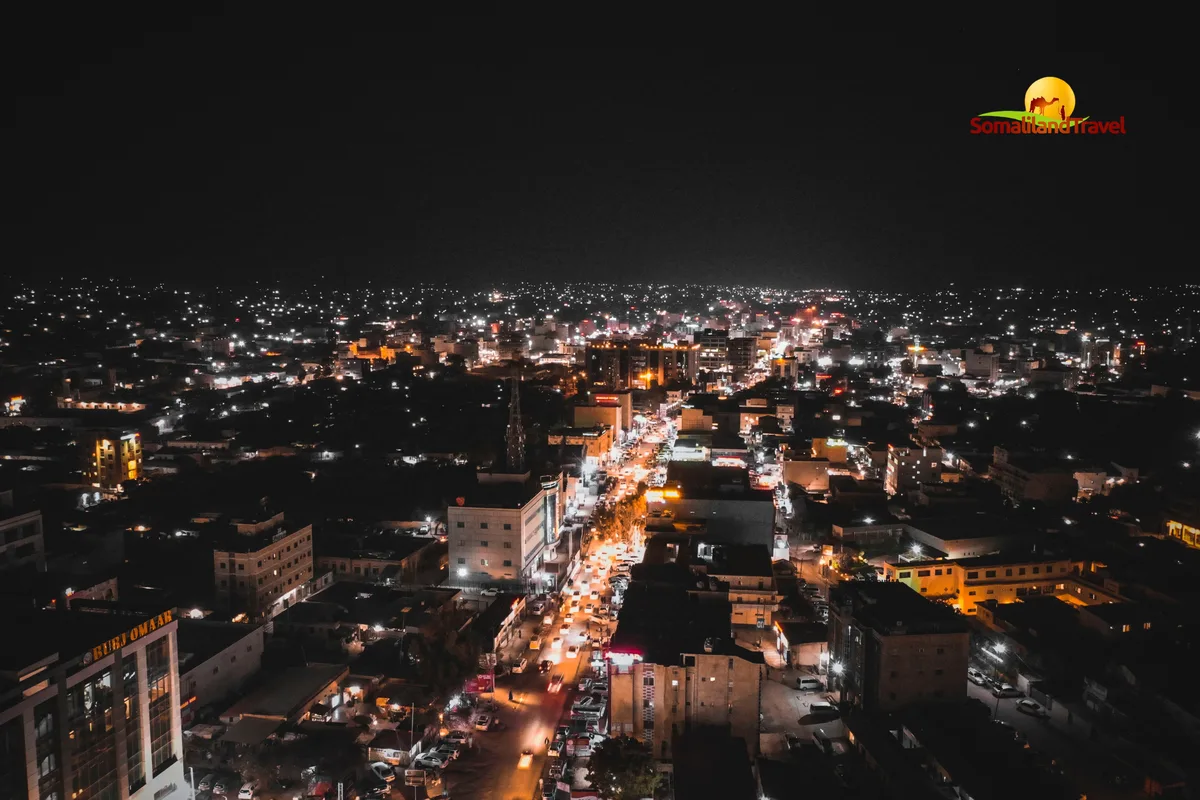
Hargeisa is the bustling capital of Somaliland, a self-declared independent state that has sought international recognition since 1991. The recent MoU with Ethiopia offers a potential path for Somaliland to achieve its long-held goal of formal statehood, despite strong opposition from Somalia. (Source: tripadvisor.com)
Outside players watch closely. Egypt still worries about Ethiopia’s Grand Ethiopian Renaissance Dam (GERD) on the Nile. Egypt sees Ethiopia’s Red Sea goals as a distraction. Or a way to gain power in their ongoing water dispute.
The United States worried about actions that could make the region unstable. Assistant Secretary of State Molly Phee stressed the need to respect Somalia’s sovereignty in January 2024. Countries globally share this worry.
The UAE and Turkey have poured money into Horn of Africa ports and infrastructure, including Berbera. They’re carefully watching these new power shifts. Regional instability could hurt their investments.
Why This Matters (And What’s Next)
The Red Sea is more unstable now due to Houthi attacks on shipping in 2023-2024. This makes the Horn of Africa’s stability even more important. The region controls a vital shipping artery. Any instability here affects global trade, energy prices, and security worldwide.
Ethiopia wants sea access because it aims to be a regional economic powerhouse. This vision needs stability at home and help from abroad. A stable Ethiopia needs reliable trade routes.
The Ethiopia-Somaliland MoU could spark new conflicts. This is especially true between Ethiopia and Somalia. Analysts like Murithi Mutiga from the International Crisis Group warned in January 2024 of a possible “unnecessary and dangerous conflict.” This isn’t just a minor diplomatic spat.
More port access could really boost Ethiopia’s economy. But regional instability could scare off foreign money. Investors look for stable places. The dispute shows a clash between international law and a powerful nation’s urgent needs.
Diplomats are trying to calm things down. The Intergovernmental Authority on Development (IGAD) has called for dialogue. Finding a peaceful resolution is vital. If Ethiopia recognizes Somaliland long-term, it could set a precedent for other secessionist movements globally. It could even reshape international law.
The GERD issue with Egypt and Sudan will keep complicating things. Outside powers will continue to jockey for influence. They want to protect their interests in this vital, fast-changing region. The Horn of Africa’s future hangs in the balance.
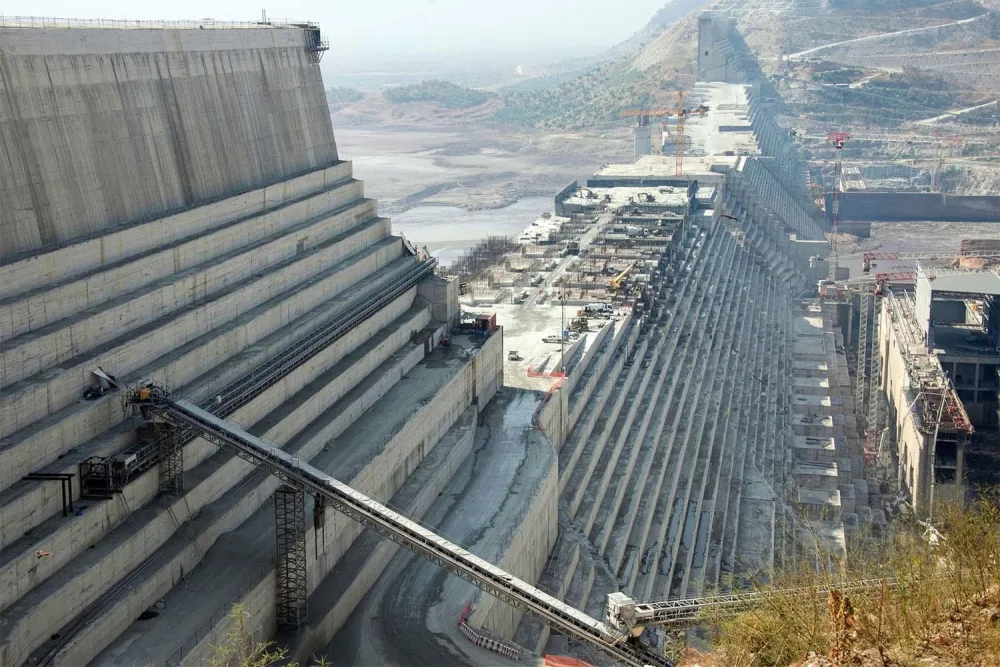
The Grand Ethiopian Renaissance Dam (GERD) on the Blue Nile is a monumental hydroelectric project, symbolizing Ethiopia's ambition to become a regional economic powerhouse. Its construction has been a major point of contention with Egypt and Sudan, who fear its impact on their vital water supplies from the Nile. (Source: smartec.ch)
FAQ
- What is the Bab-el-Mandeb Strait? It’s a narrow waterway between Yemen and Djibouti/Eritrea. It connects the Red Sea to the Gulf of Aden, a vital shipping route for global trade.
- Why is Ethiopia seeking sea access? Ethiopia is landlocked. It pays significant fees for port access, mainly through Djibouti. Direct access would reduce costs and boost its trade.
- What is Somaliland’s status? Somaliland declared independence from Somalia in 1991. It functions as a de facto state but lacks international recognition from other nations.
- How does the GERD fit into this? The Grand Ethiopian Renaissance Dam on the Nile River is a separate, major geopolitical issue. It creates tension with downstream nations like Egypt and Sudan, adding to Ethiopia’s complex regional relations.
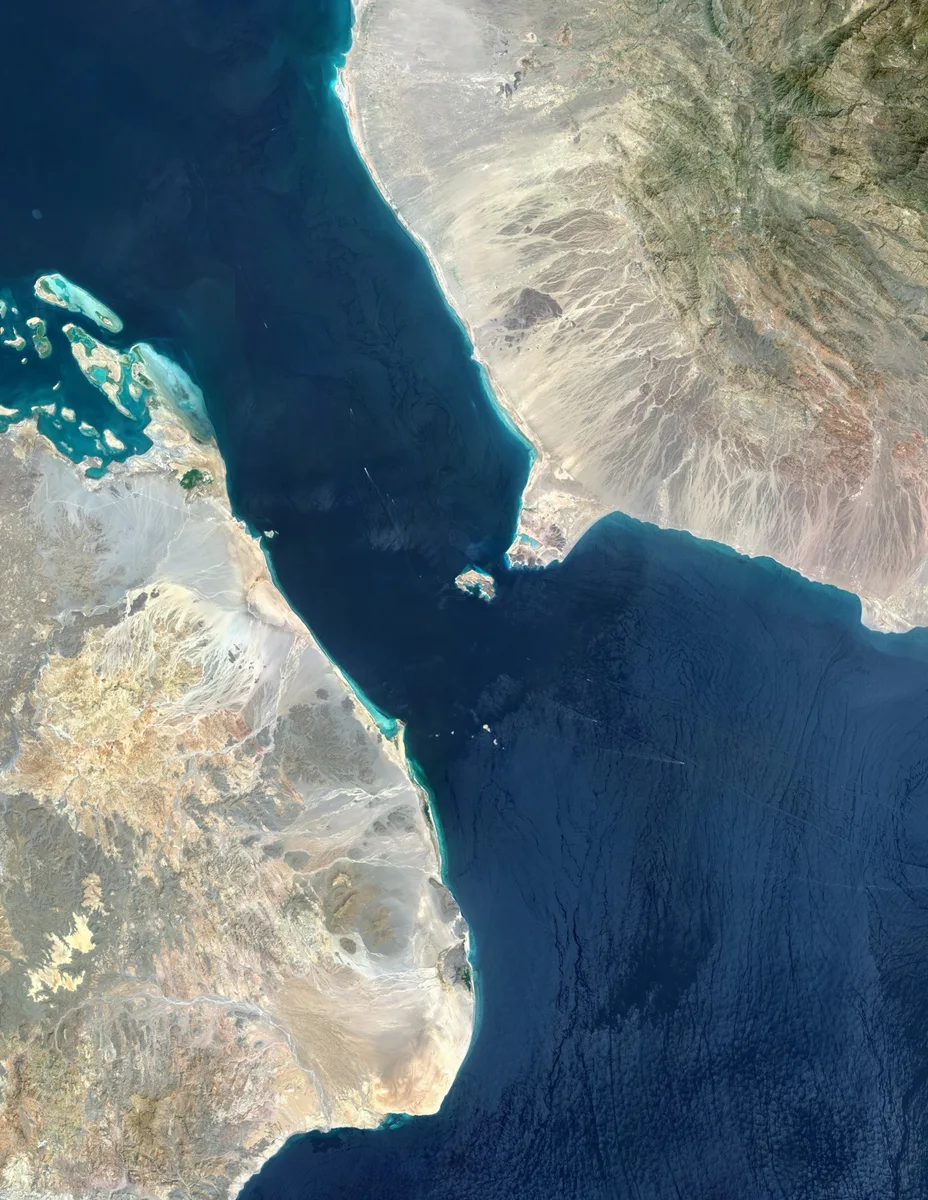
The Bab-el-Mandeb Strait is a critical narrow waterway connecting the Red Sea to the Gulf of Aden, serving as a vital shipping route for global trade, particularly for oil and goods transiting the Suez Canal. Its strategic location between Yemen and Djibouti/Eritrea makes it a significant geopolitical choke point. (Source: nationalgeographic.com)
You might also like:
👉 US-China: $664B Trade Masks Zero-Sum Global Power Struggle
👉 Will Trump’s Trade War Tank 3.9% Unemployment?
👉 Understanding Energy Independence: Security, Economy, Future