Why Only 2 Nations Let Drug Companies Target You Directly
Only the US and New Zealand permit direct-to-consumer prescription drug ads. Uncover the hidden sales goals and systemic impacts.
Drug ads: A hidden problem
Most people think drug ads help patients. Supporters claim these ads teach people about illnesses and treatments. This view misses much. It ignores the sales goals behind these messages. It also downplays their effects on our healthcare system.
Only two countries allow direct-to-consumer prescription drug ads. These are the United States and New Zealand. This unique rule lets companies market straight to potential patients. It skips the usual doctor-as-gatekeeper model. This creates specific ethical problems. You won’t find them anywhere else.
How drug ads took over
In 1997, the U.S. Food and Drug Administration (FDA) changed its rules. These changes made direct-to-consumer (DTC) drug advertising much easier. Before then, TV and radio ads were almost impossible. Companies couldn’t fit all the required risk information into short spots. The new guidance allowed “adequate provision” for risk disclosure. This meant advertisers could direct consumers to websites or doctors for details.
Drug companies quickly jumped on these relaxed rules. They launched huge campaigns across TV, radio, and print. These ads target many potential patients. Their goal is to boost demand for specific brand-name drugs. This strategy changed how we approach medical treatment.
This system involves drug makers, patients, and doctors. Regulators like the FDA also play a part. Drug makers want to boost sales and market share. Patients often look for ways to solve their health problems. Doctors try to give the best care possible. The FDA works to keep drugs safe and ads honest.
The myth of informed patients
Many believe drug ads truly inform patients. They think ads help people talk with their doctors. This argument suggests ads teach basic health facts. Then patients can push for their own care. Ads can raise awareness of some conditions, and that’s true.
This information is rarely complete. Ads are designed to sell. They often highlight benefits while downplaying risks. Dr. Steven Woloshin and Dr. Lisa Schwartz, researchers at Dartmouth, have studied this closely. They found ads often leave out important details. These include how well a drug works compared to other options. Ads also often lack information about non-drug treatments.

Dr. Steven Woloshin and Dr. Lisa Schwartz, researchers at Dartmouth, are prominent figures in the study of pharmaceutical advertising ethics. Their work has critically examined how direct-to-consumer drug ads often present incomplete information, downplaying risks and omitting comparisons to other treatments. (Source: geiselmed.dartmouth.edu)
Drug companies spent $8.2 billion on DTC advertising in the U.S. in 2022. This data comes from Statista, published in 2023. This huge investment shows a clear sales goal. It’s not mainly about education. This spending shapes what patients expect and ask for.
Patients often ask doctors about specific drugs they’ve seen advertised. A 2007 Kaiser Family Foundation study found this. It reported that 44% of patients who asked for an advertised drug got a prescription. This shows patients directly influence what doctors prescribe. This often happens even if the drug isn’t the best choice.
Doctors often feel this pressure. A 2013 study in JAMA Internal Medicine showed doctor concerns. Drs. Sarah Greene and Aaron Kesselheim were among the authors. They noted doctors felt forced to prescribe advertised drugs. This was especially true when patients asked for them by name. Such pressure can mess with clinical judgment. It moves the focus from what’s medically needed to what the patient demands.
Real costs, real harm
Drug ads have a big economic impact. They drive up healthcare costs. Ads often push newer, pricier drugs. Many older, cheaper generic options already exist. The Congressional Budget Office (CBO) reported on this in 2008. It estimated DTC advertising added $2.4 billion annually to drug spending. This was for outpatient prescription drugs alone.
This marketing can also lead to “disease mongering.” That’s when companies expand disease definitions. Or they create new disorders entirely. The goal is to grow the market for a specific drug. Take “Low T” (low testosterone) treatments, for example. Critics say this campaign turned a normal part of aging into a medical problem. It pushed men to seek treatment for symptoms like fatigue.
Regulators often warn about misleading ads. In 2017, the FDA sent a warning letter to Insys Therapeutics. The company’s Subsys ads left out serious risks. They failed to show important safety information for the opioid painkiller. These cases show the industry often puts sales first. Patient safety and full information come second.

Subsys, a potent fentanyl spray, was at the center of a 2017 FDA warning letter to Insys Therapeutics. The company's ads for the opioid painkiller were found to have omitted serious risks, exemplifying how drug companies can prioritize sales over patient safety. (Source: simonlawpc.com)
The doctor-patient relationship also takes a hit. Ads can break trust. Patients might come in with ideas about a drug. These ideas come from slick marketing. They might resist other recommendations based on evidence. This makes shared decisions harder. It complicates the doctor’s role as a trusted advisor.
Ads can also hint at off-label drug uses. They might make people think a drug treats more conditions than it’s approved for. This blurs ethical lines. It encourages using medicines in ways that aren’t right. The focus shifts from solving a medical problem to buying a brand.
What we do now
Drug advertising needs a hard look. Its current form causes more trouble than it fixes. Public health, not sales, should drive how we talk about drugs. We must put patient well-being first.
Stricter rules could demand balanced information. Ads could stress lifestyle changes before medicine. They could also show how well drugs work compared to others. This would give a fuller picture. It would help people make truly informed choices.
We have other ways to share drug information. Independent public health campaigns could teach patients. These wouldn’t get money from drug makers. They’d give unbiased, evidence-based facts. Doctors could then focus on what’s best for patients. They wouldn’t have to fight marketing claims.
Doctors must remain objective sources of health information. We need to shield them from sales influence. Patients deserve clear, balanced details about treatment options. This means knowing risks, benefits, and alternatives. The future requires separating drug sales from patient education. It means a real dedication to honest medical talk. Health, not profit, must guide every prescription.
Frequently asked questions
Is direct-to-consumer (DTC) advertising legal everywhere? No, DTC advertising for prescription drugs is only legal in the United States and New Zealand. Most other developed countries ban or heavily restrict it. They put doctors first for drug information.
Do doctors support pharmaceutical advertising? Many doctors have serious concerns about DTC advertising. They report feeling pressured by patient requests for specific drugs. This can lead to prescriptions that aren’t always the best choice.
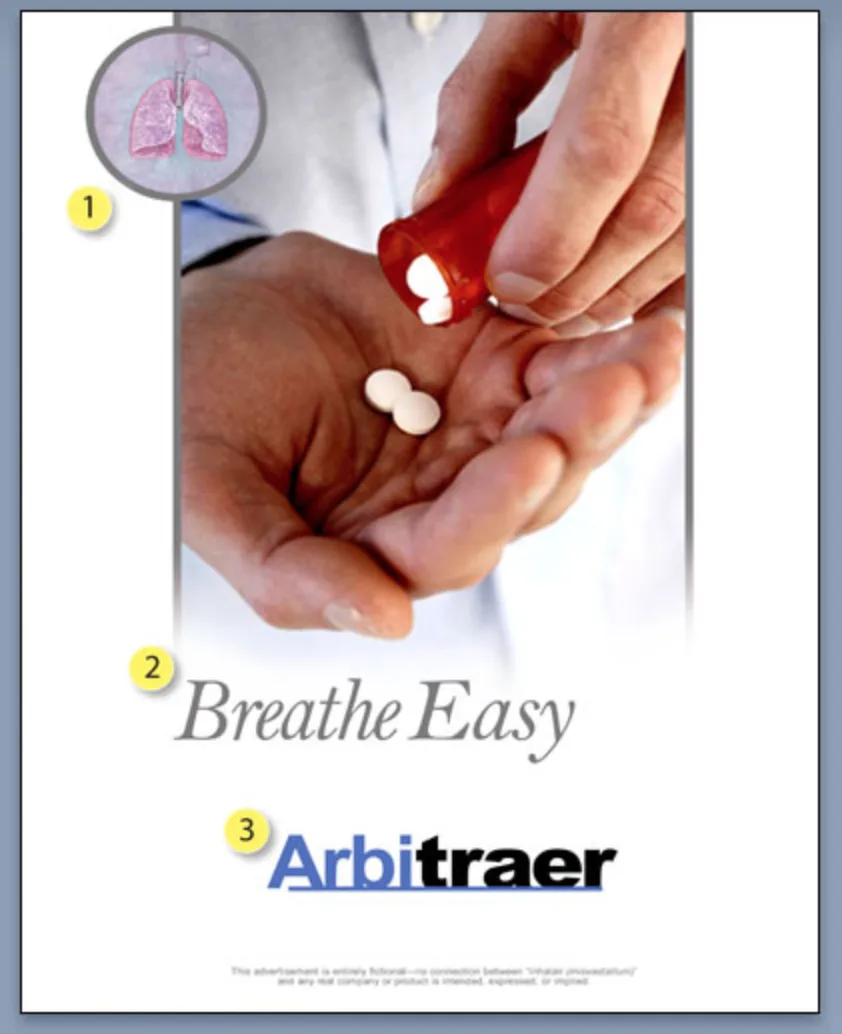
Direct-to-consumer (DTC) advertising for prescription drugs, like this example, is a highly debated practice. It is notably legal only in the United States and New Zealand, with most other developed nations banning or heavily restricting it due to concerns about its impact on patient trust and the doctor-patient relationship. (Source: library.weill.cornell.edu)
How much do pharmaceutical companies spend on advertising? Drug companies spend billions each year on DTC advertising in the U.S. In 2022, this spending topped $8.2 billion. This shows how important it is to their marketing plans.
What is “disease mongering” in pharmaceutical advertising? “Disease mongering” means companies broaden disease definitions or create new disorders. This strategy grows the market for a drug. It often turns normal human experiences or mild symptoms into medical problems.
You might also like:
👉 Virtual Reality in Healthcare: Revolutionizing Medicine & Patient Care