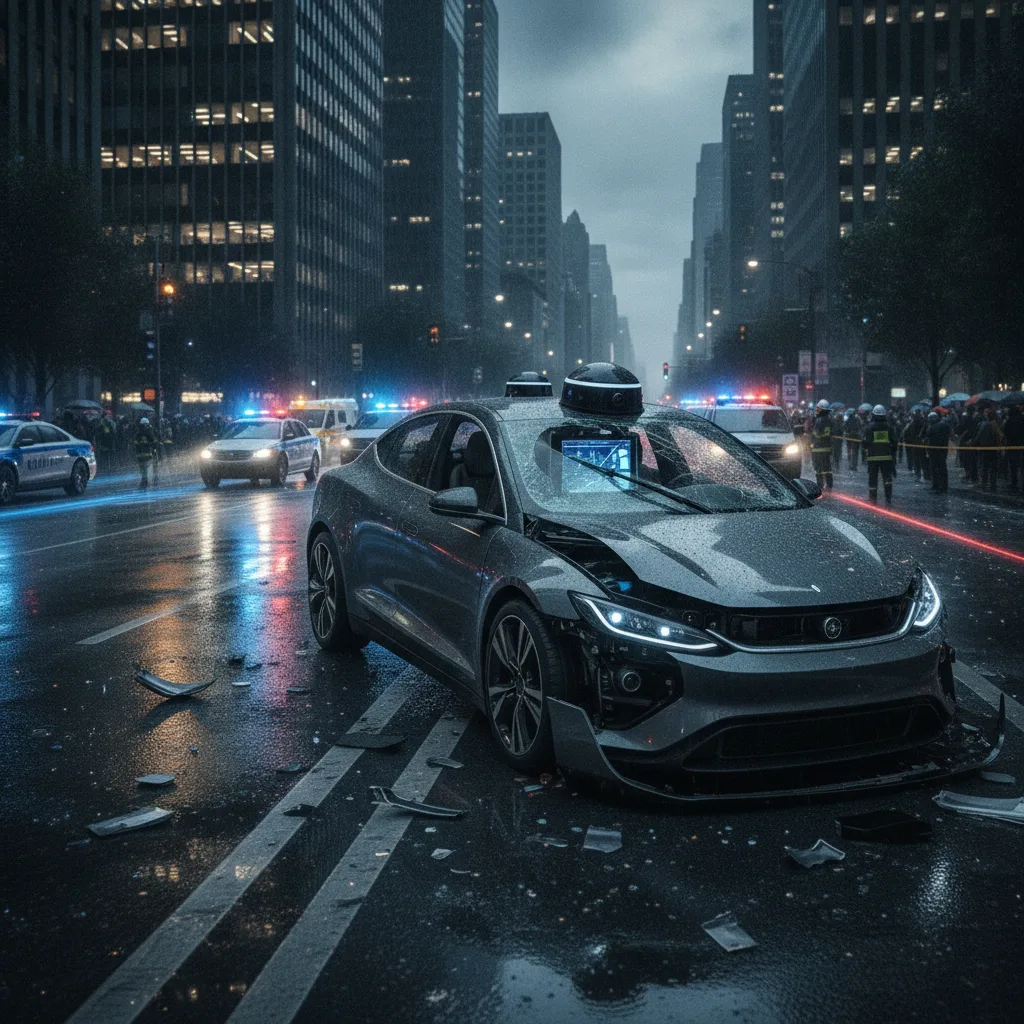
Autonomous Crashes: Why 0 or 1 Is the Wrong Math
The numbers on self-driving car crashes are not straightforward, revealing a complex truth beyond simple robotic failures or perfect safety.
The strange math of self-driving car crashes
The numbers on self-driving car crashes are not straightforward. When I first looked into these incidents, I expected clear evidence of robotic failures. Like many, I thought these advanced vehicles would either be perfectly safe or spectacularly bad. The data shows a different truth. It is more complex and a bit unexpected.
I imagined simply counting crashes caused by autonomous cars. Instead, I found a confusing mix of definitions and conflicting data. There was also a surprising pattern of who takes the blame. This experience changed my view of the future of our roads. You might find it surprising, too.
My first look at the numbers
How many accidents do self-driving cars cause? This was my starting question. My initial search results were overwhelming. News headlines often focused on single incidents, sometimes with dramatic language. I saw many reports, but they did not compare similar data.
California’s Department of Motor Vehicles (DMV) publishes yearly “disengagement reports” for self-driving cars. These reports list every time a human safety driver takes control from the autonomous system. My first thought was, “Look at all these failures!” Then I questioned what “disengagement” truly means.
Waymo, Google’s self-driving unit, reported 108 disengagements in California in 2022. Cruise, GM’s autonomous vehicle company, reported 158. These numbers seemed high at first. However, most of these events are not actual accidents.
What “autonomous” really means
What does “autonomous” truly mean? The Society of Automotive Engineers (SAE) created a standard for driving automation levels. These levels range from Level 0 (no automation) to Level 5 (full automation). This distinction is important. Most cars today with “self-driving” features, like adaptive cruise control or lane-keeping assist, are Level 2 systems.
At Level 2, the human driver remains fully responsible. They must actively monitor the system. Tesla’s Autopilot and “Full Self-Driving” (FSD) beta are examples of these advanced Level 2 systems. True autonomous vehicles operate at Level 4 or 5. They handle all driving tasks. This occurs in specific conditions or all conditions, respectively. These vehicles drive without human help inside their defined operational design domain.
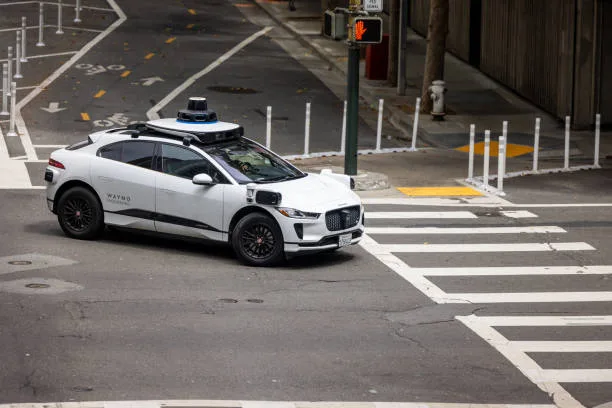
A Waymo autonomous vehicle, recognizable by its distinct sensor array, operates on public roads. Waymo, Google's self-driving unit, reported 108 disengagements in California in 2022, instances where a human safety driver took control from the autonomous system. (Source: gettyimages.com)
Companies like Waymo and Cruise use Level 4 autonomous vehicles. They mostly test and run these vehicles in limited areas. Examples include San Francisco, Phoenix, and Austin. These vehicles often work as robotaxis, with no human safety driver behind the wheel. The crashes discussed here usually involve these Level 4 systems. They also involve Level 2 systems where a human driver was supervising.
Digging into crash reports
As I reviewed actual crash reports, a different pattern emerged. In 2021, the National Highway Traffic Safety Administration (NHTSA) required companies to report crashes. These reports covered advanced driver-assistance systems (ADAS) and Level 3-5 autonomous driving systems. This public database, called the ADS and ADAS Incident Report database, provides a broader view.
From July 2021 to January 2023, NHTSA recorded 604 crashes involving Level 2 ADAS. Tesla vehicles accounted for 455 of these incidents, according to NHTSA data. These cars require human driver supervision. Most of these reported crashes caused minor or no injuries.
NHTSA reported 130 crashes for Level 3-5 autonomous driving systems during the same period. Waymo had 67 reported incidents, and Cruise had 54. A key finding is that in many reported collisions, the self-driving car was not at fault. For example, a Virginia Tech Transportation Institute study found that Level 2 ADAS vehicles reduced crash rates by 27%. This was compared to cars without such systems.
The real safety picture
What truly surprised me was not the number of incidents. It was the type of incidents. Many crashes involving Level 4 autonomous vehicles are low-speed fender-benders. They often happen because the AV drives cautiously. The AV might be anticipating a human driver’s mistake.
Waymo’s 2023 safety report stated its vehicles drove over 1.2 million miles. This was in fully autonomous mode in Phoenix, without a human safety driver. During this time, their cars had 18 minor collisions. In 17 of these cases, the human driver of the other car was at fault. A 2023 RAND Corporation study supports this observation. It found human drivers often misunderstand or react unpredictably to AVs.
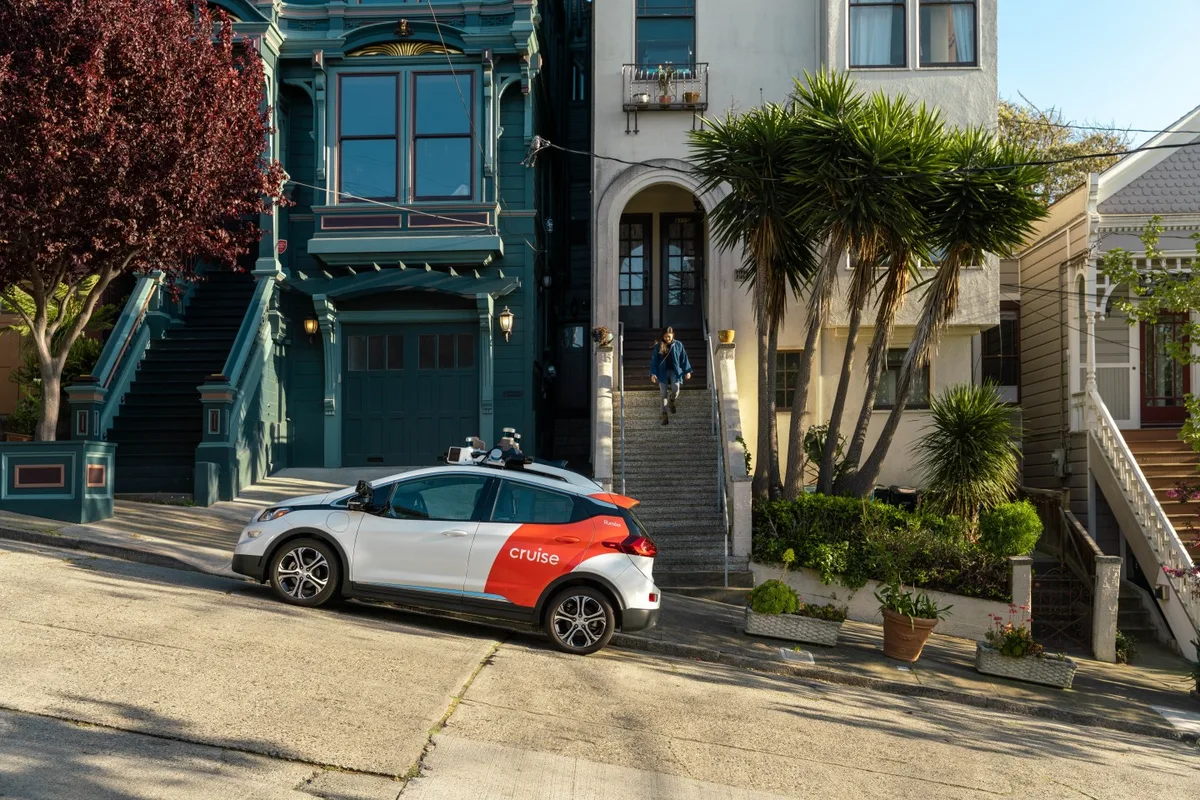
A Cruise autonomous vehicle operates on a city street. These Level 4 robotaxis, which had 54 reported incidents between July 2021 and January 2023, operate without a human safety driver and are often involved in low-speed collisions where the other human driver is at fault. (Source: fortune.com)
The term “disengagement” itself was misleading. A disengagement is not always an avoided accident. A human driver might take control due to unusual traffic, construction, or simply curiosity. California DMV data shows Waymo’s disengagement rate per mile has significantly decreased over the years. This indicates improved technology, not increased danger.
Comparing AV crashes to human-driven ones is difficult. Human drivers cause millions of accidents every year. These lead to tens of thousands of deaths in the U.S. alone. NHTSA reported over 40,000 traffic deaths in 2022. Self-driving cars are still accumulating miles. However, their death rate per mile driven appears much lower than human drivers’ so far.
The road ahead
Making self-driving cars truly safe is a long and challenging process. One major issue is standardizing how states and companies collect data. The current mix of reporting rules makes it hard to get a complete picture. Uniform federal regulations are essential, as experts like NHTSA Administrator Steven Cliff have suggested.
Public opinion also plays a significant role. Every self-driving car incident, even minor ones, often receives news coverage. This creates a perception of danger that is not always supported by the broader data. Building public trust requires clear and open communication about the technology’s capabilities and limits.
Ongoing testing and simulation are vital for improving autonomous systems. Companies invest heavily in virtual environments to test scenarios. These situations are often too difficult or dangerous to try in real life. This rigorous method aims to predict and prevent future incidents. Ultimately, the goal is not just to match human safety records; it is to far exceed them.
FAQ
What are the different levels of autonomous driving? The SAE defines six levels, from Level 0 (no automation) to Level 5 (full automation). Most cars with advanced driver-assist features are Level 2, requiring human supervision. Level 4 and 5 vehicles are truly autonomous within their defined operating areas.
Are autonomous vehicles involved in more accidents than human-driven cars? The data is complex. Level 4 autonomous vehicles have more minor, low-speed collisions per mile driven. However, human drivers are often responsible for these incidents. Self-driving cars also show fewer severe or fatal crashes compared to human drivers.
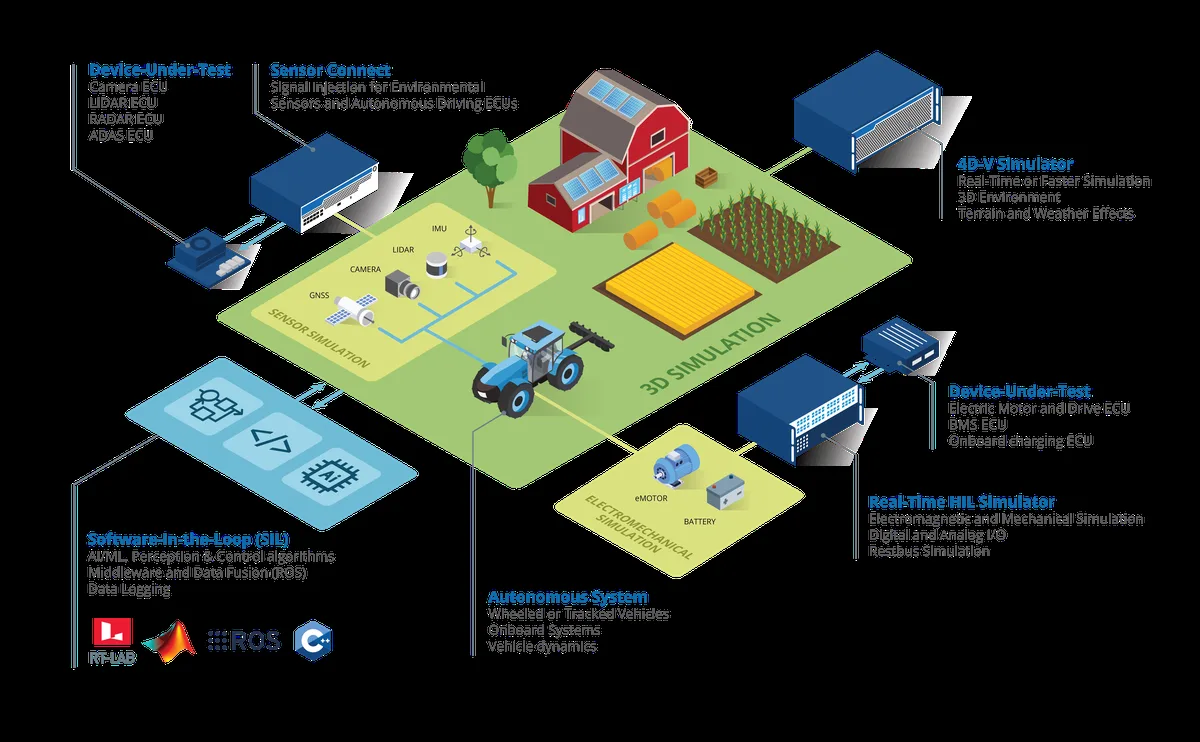
Companies developing autonomous vehicles heavily invest in sophisticated virtual environments to simulate complex and dangerous driving scenarios. These simulations are crucial for testing and refining AI algorithms without risking real-world accidents, allowing developers to predict and prevent future incidents. (Source: opal-rt.com)
What is a “disengagement” in autonomous driving? A disengagement happens when a human safety driver takes manual control from an autonomous system. This does not always mean an accident was about to happen. It can occur for various reasons, including system limitations, unusual road conditions, or testing procedures.
Who collects data on autonomous driving accidents? In the U.S., the National Highway Traffic Safety Administration (NHTSA) collects incident reports. These reports cover advanced driver-assistance systems and higher-level autonomous driving systems. State agencies, such as the California DMV, also collect data. They track disengagements and crashes for vehicles operating on their roads.

The National Highway Traffic Safety Administration (NHTSA) is the U.S. federal agency responsible for collecting incident reports on advanced driver-assistance systems and higher-level autonomous driving systems, playing a critical role in vehicle safety oversight. (Source: gsa.gov)
You might also like:
👉 The 2016 Shift: How Phones Became AI Companions