
HPV & HBV: Why Preventable Cancer Kills Hundreds of Thousands
Hundreds of thousands die annually from cancers caused by HPV and HBV. HPV alone causes nearly all cervical cancers, yet vaccines are not reaching everyone.
Preventable Cancers: The Full Cost
Hundreds of thousands die each year from cancers that are preventable. Powerful vaccines have been available for decades. However, these vaccines are not reaching everyone. The human toll is immense. The economic cost is also substantial.
Two viruses cause this crisis: Human Papillomavirus (HPV) and Hepatitis B Virus (HBV). These are not just common infections. They directly cause several types of cancer. HPV causes nearly all cervical cancers. It also causes many anal, oral, oropharyngeal, vaginal, vulvar, and penile cancers. HBV is the leading cause of liver cancer, also called hepatocellular carcinoma.
Both viruses pose threats worldwide. Their associated cancers affect low- and middle-income countries (LMICs) most severely. These regions often have weaker health systems. Access to screening and treatment is limited. The situation is clear: science gave us prevention tools, but widespread suffering persists.
Preventable Deaths: The Numbers
In 2020, over 600,000 people died globally from cancers caused by HPV and HBV. The World Health Organization (WHO) and the International Agency for Research on Cancer (IARC) provided this figure. This represents a significant, avoidable loss of life.
HPV is very common. Most sexually active people will contract it at some point. Many infections clear on their own. Yet, persistent high-risk HPV can lead to cellular changes. These changes can progress to cancer over many years.
Cervical cancer is a serious example. IARC’s GLOBOCAN 2020 estimates show it caused 348,000 deaths worldwide that year. It is a leading cause of cancer death for women. This is especially true in Sub-Saharan Africa and parts of Asia. Countries like Eswatini and Malawi have some of the highest cervical cancer rates globally.
Hepatitis B is also a major threat. Chronic HBV infection can lead to cirrhosis and liver cancer. The virus often transmits from mother to child at birth. It also spreads through close contact in early childhood. East Asia and Sub-Saharan Africa have the most chronic HBV infection. The HBV vaccine has been available since the 1980s. It offers strong protection.
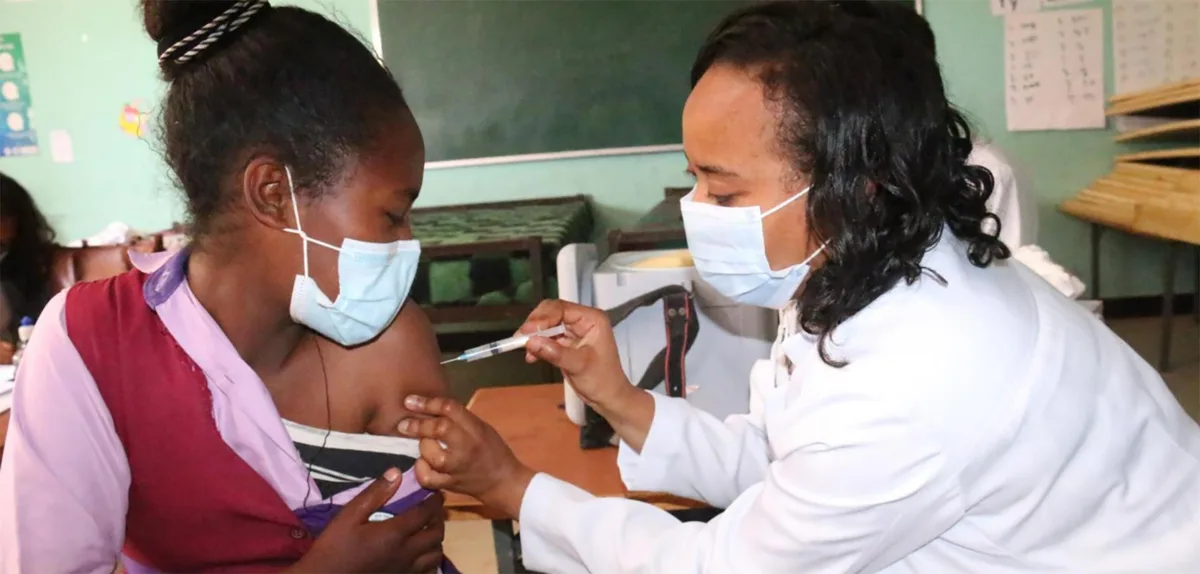
The Human Papillomavirus (HPV) vaccine, available for decades, is a powerful tool against several cancers, including nearly all cervical cancers. Despite its efficacy, millions worldwide, particularly in low- and middle-income countries, still lack access to this life-saving prevention. (Source: who.int)
The Significant Financial Cost
A 2023 study in The Lancet Global Health revealed the immense economic cost of vaccine-preventable cancers. This cost goes beyond healthcare bills. It also includes lost potential.
Cancer treatment is expensive. Treatment includes diagnostics, chemotherapy, radiation, surgery, and palliative care. For example, cervical cancer alone costs an estimated $4.1 billion annually in direct medical expenses globally. This figure comes from research by the American Cancer Society. These direct costs strain health budgets worldwide.
The indirect costs are also immense. They mean lost productivity from early deaths and illness. When someone dies young from a preventable cancer, they lose years of potential earnings. Their contributions to their family, community, and economy vanish. This economic concept is called Years of Life Lost (YLL) or productivity loss.
A 2017 study in PLOS One estimated the lifetime economic cost of HPV-associated cancers in the US at $2.2 billion annually. This included medical costs and productivity losses. Multiply this globally. The economic impact makes poverty worse, especially where people lack health insurance or social safety nets.
HBV-related liver cancer carries huge financial costs too. Treating advanced liver cancer is complex and costly. Patients often face long hospital stays and specialized medications. Indirect costs from lost productivity are also substantial. This is especially true in regions with high HBV prevalence. This highlights a clear contrast: these vaccines are relatively inexpensive. They cost far less than a lifetime of treating the diseases they prevent.
Why Vaccination Rates Are Low
Despite powerful vaccines being available for decades, vaccination rates worldwide are uneven. Data from UNICEF and WHO confirms this. The problem is not simply vaccine availability. Instead, a range of barriers prevent widespread use.
The HPV vaccine was first approved in 2006. It protects against HPV types that cause most cervical cancers. Yet, many countries still struggle to use it. Challenges include the vaccine’s initial cost for LMICs. Also, the logistics of delivering multiple doses to teens are difficult. Misinformation campaigns have also severely affected uptake in various countries, including rich ones.
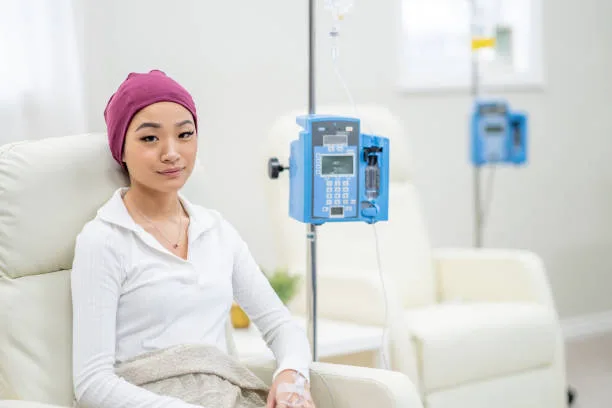
Chemotherapy, a common and often life-saving cancer treatment, represents a significant portion of the immense direct medical costs associated with vaccine-preventable cancers, contributing to the global financial burden and long hospital stays. (Source: gettyimages.in)
In 2022, global HPV vaccine coverage for the first dose was 67%, according to WHO and UNICEF data. But full course coverage, typically two doses, was only 15%. This gap means millions of girls remain unprotected. It is a significant missed opportunity for cancer prevention. Many countries, especially in Sub-Saharan Africa, have only recently added the vaccine to their national programs.
The HBV vaccine has been available since 1982. It is usually part of childhood immunization programs. A key component is the HBV birth dose, given within 24 hours of birth. This dose prevents mother-to-child transmission. That is a main way chronic infection spreads. Sadly, only 45% of newborns got the HBV birth dose in 2022, according to WHO and UNICEF. Missing this early dose leaves newborns vulnerable.
Universal screening for HBV in pregnant women is also essential. Identifying infected mothers lets doctors take preventive measures at birth. Without widespread screening and birth dose administration, the cycle of transmission continues. This leads to future cases of chronic infection and liver cancer.
The Way Forward: Invest in Prevention
The World Health Organization aims for 90% HPV vaccine coverage for girls by 2030. This is an ambitious goal. We have the tools to end these preventable cancers. We only need to use them more effectively.
Investing in vaccination programs is more than just a health expense. It is a smart economic investment. Numerous studies show HPV vaccination is one of the most cost-effective health actions. These include those supported by Gavi, the Vaccine Alliance, and PATH. Every dollar spent on prevention saves many more dollars in future treatment costs and lost productivity.
Several strategies can close this gap. Integrating HPV and HBV vaccines into routine immunization schedules makes them easier to access. School-based vaccination programs are effective at reaching teens. Community outreach programs can fight misinformation and build trust. Organizations like Gavi work to make vaccines more affordable for LMICs. They negotiate lower prices and help with delivery.
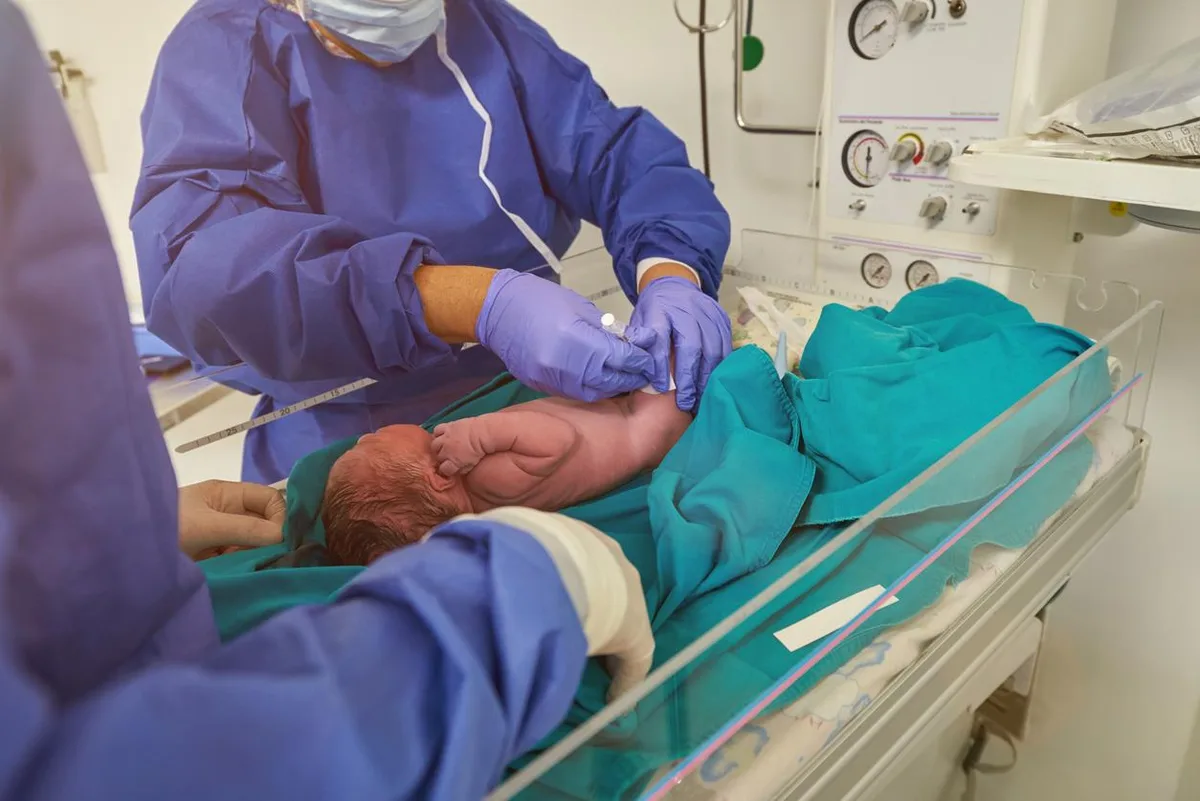
The HBV birth dose, administered within 24 hours of birth, is a critical intervention to prevent mother-to-child transmission of hepatitis B, a major cause of chronic infection and liver cancer. In 2022, only 45% of newborns globally received this vital early dose. (Source: cidrap.umn.edu)
Expanding HBV birth dose coverage is essential. This requires stronger health systems that can vaccinate newborns quickly. Universal screening for pregnant women should also be standard. These steps interrupt the transmission cycle early.
The potential for saving lives and boosting economies is substantial. A hypothetical 10% increase in HPV vaccination coverage globally could prevent hundreds of thousands of cervical cancer cases. It could save billions of dollars in healthcare costs and lost productivity. We have the knowledge and tools. The next step is a shared commitment to act.
Quick Answers
Q1: Which cancers can vaccines prevent? A: The Human Papillomavirus (HPV) vaccine prevents cervical, anal, oral, oropharyngeal, vaginal, vulvar, and penile cancers. The Hepatitis B Virus (HBV) vaccine prevents liver cancer (hepatocellular carcinoma).
Q2: How effective are these vaccines? A: Both vaccines are very effective. The HPV vaccine can prevent over 90% of HPV-related cancers. The HBV vaccine is over 95% effective in preventing chronic infection. This infection leads to liver cancer.
Q3: Why aren’t more people getting vaccinated? A: Barriers include vaccine cost, delivery challenges, lack of awareness, and misinformation. In some regions, social stigma or limited access to healthcare also stop people from getting vaccinated.
Q4: What’s the biggest economic benefit of these vaccines? A: The biggest economic benefit comes from preventing lost productivity from early deaths and long-term illness. This far outweighs the direct medical costs of treating cancers.
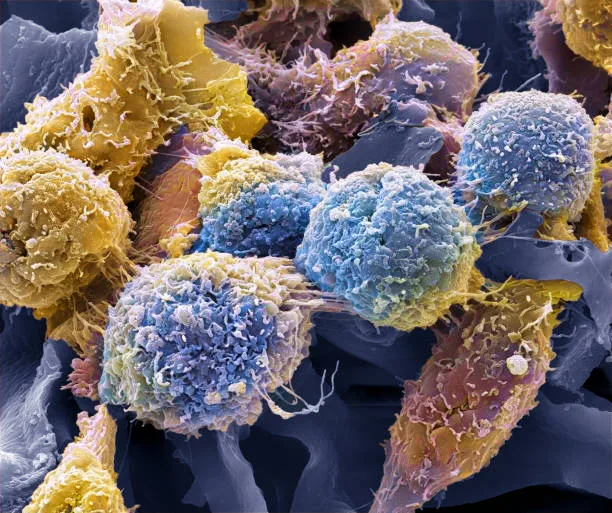
Cervical cancer, often caused by persistent HPV infection, is a leading cause of cancer-related deaths among women globally, yet it is largely preventable through vaccination and screening programs. (Source: gettyimages.com)
You might also like:
👉 WHO 2019: 1 in 8 Global Mental Disorder. Is it a crisis?
👉 Virtual Reality in Healthcare: Revolutionizing Medicine & Patient Care